

Article
- +1
Rudra Chaudhuri, Tejas Bharadwaj, Konark Bhandari, …
{
  "authors": [
    "Rudra Chaudhuri"
  ],
  "type": "legacyinthemedia",
  "centerAffiliationAll": "",
  "centers": [
    "Carnegie Endowment for International Peace",
    "Carnegie India"
  ],
  "collections": [],
  "englishNewsletterAll": "",
  "nonEnglishNewsletterAll": "",
  "primaryCenter": "Carnegie India",
  "programAffiliation": "",
  "programs": [],
  "projects": [
    "Security Studies"
  ],
  "regions": [
    "United States",
    "South Asia",
    "India"
  ],
  "topics": [
    "Foreign Policy"
  ]
}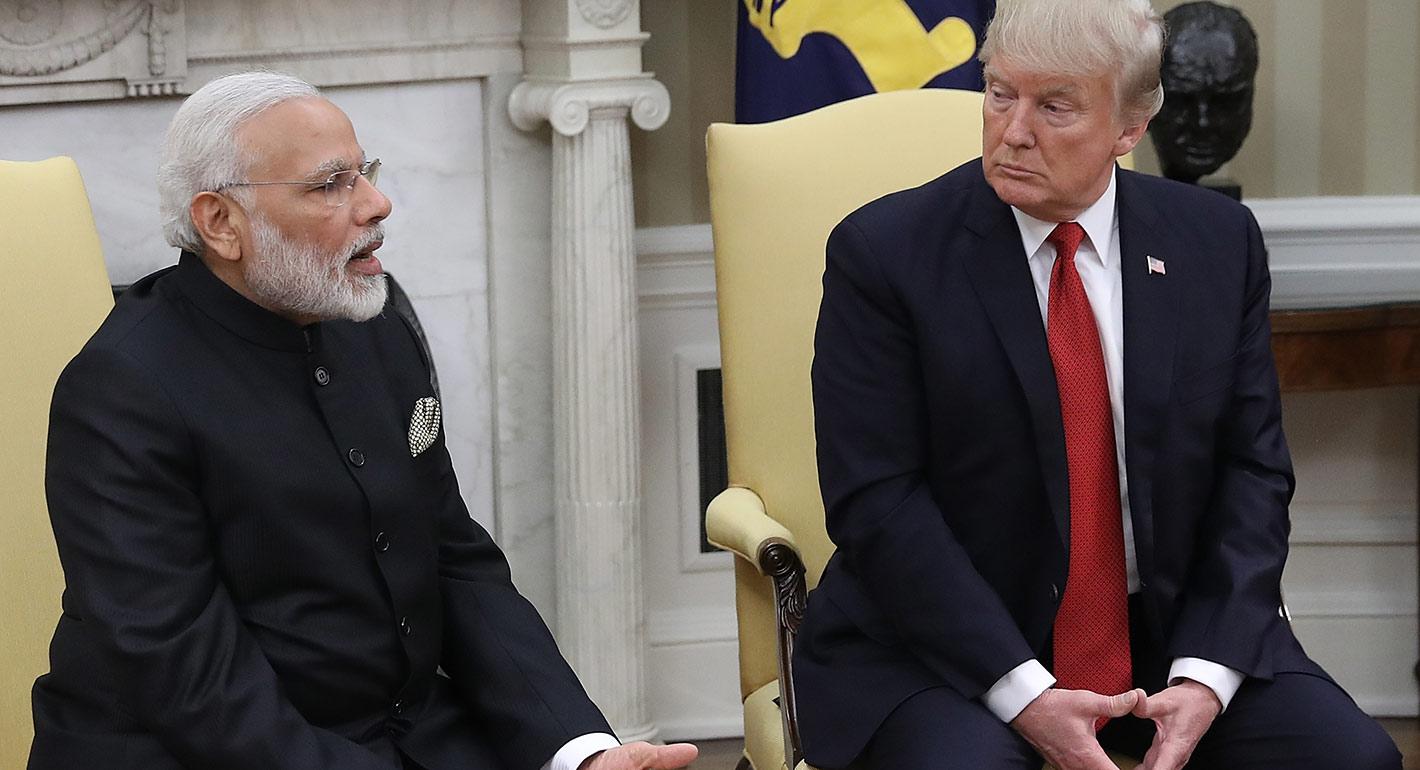
Source: Getty
U.S. President Donald Trump’s two-day visit is designed to partially tickle his vanity, but, as importantly, it is to boost his chances of returning to office in the 2020 U.S. general election.
Source: BBC
Mr Trump's two-day visit is designed to partially tickle his vanity, but, as importantly, it is to boost his chances of returning to office in the 2020 US general election.
He will visit three cities in India: the national capital, Delhi; Agra, where he will see the Taj Mahal; and Ahmedabad, the main city in the western state of Gujarat, where he is expected to address an audience of more than 100,000 people in an event aptly called "Namaste Trump".
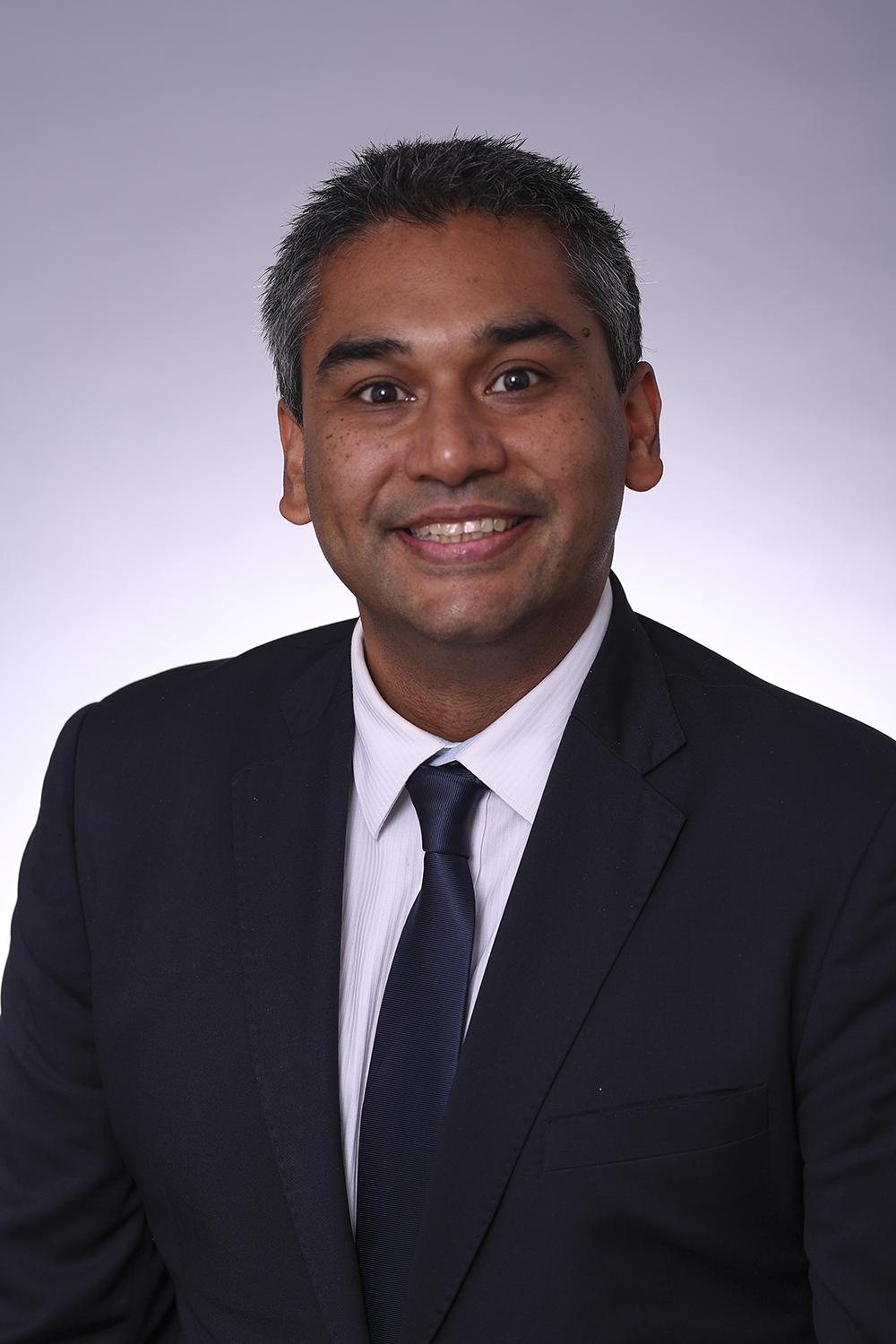
Former Director, Carnegie India
Rudra Chaudhuri was the director of Carnegie India. His research focuses on the diplomatic history of South Asia, contemporary security issues, and the important role of emerging technologies and digital public infrastructure in diplomacy, statecraft, and development. He and his team at Carnegie India chair and convene the Global Technology Summit, co-hosted with the Ministry of External Affairs, Government of India.
Recent Work
Rudra Chaudhuri, Tejas Bharadwaj, Konark Bhandari, …
Rudra Chaudhuri
Carnegie does not take institutional positions on public policy issues; the views represented herein are those of the author(s) and do not necessarily reflect the views of Carnegie, its staff, or its trustees.
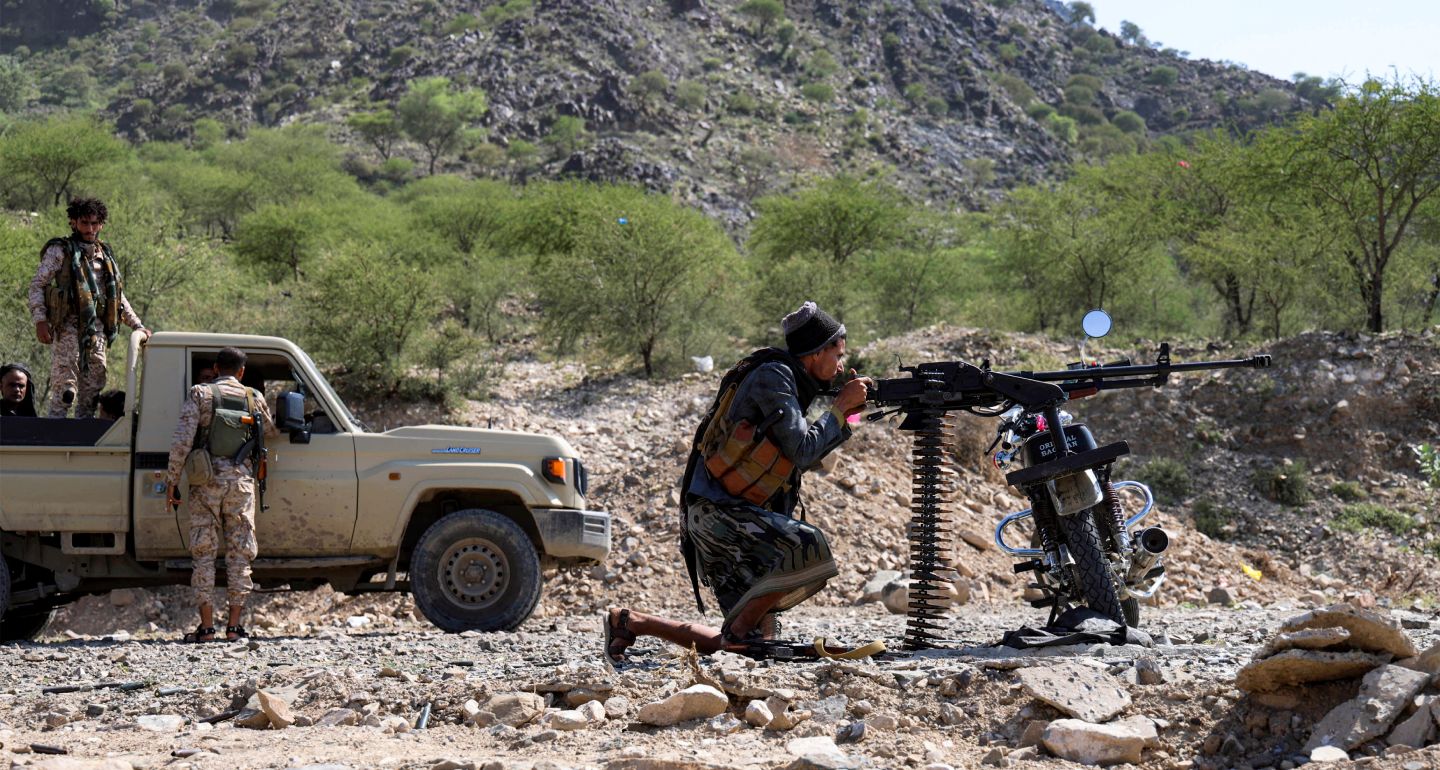
Russia officially endorses Yemen’s formal government while quietly providing military support to the Houthi rebels. However, recent escalation in Yemen has thrust Russia’s game into the spotlight—and risks endangering its relations with the Gulf states.
Ruslan Suleymanov
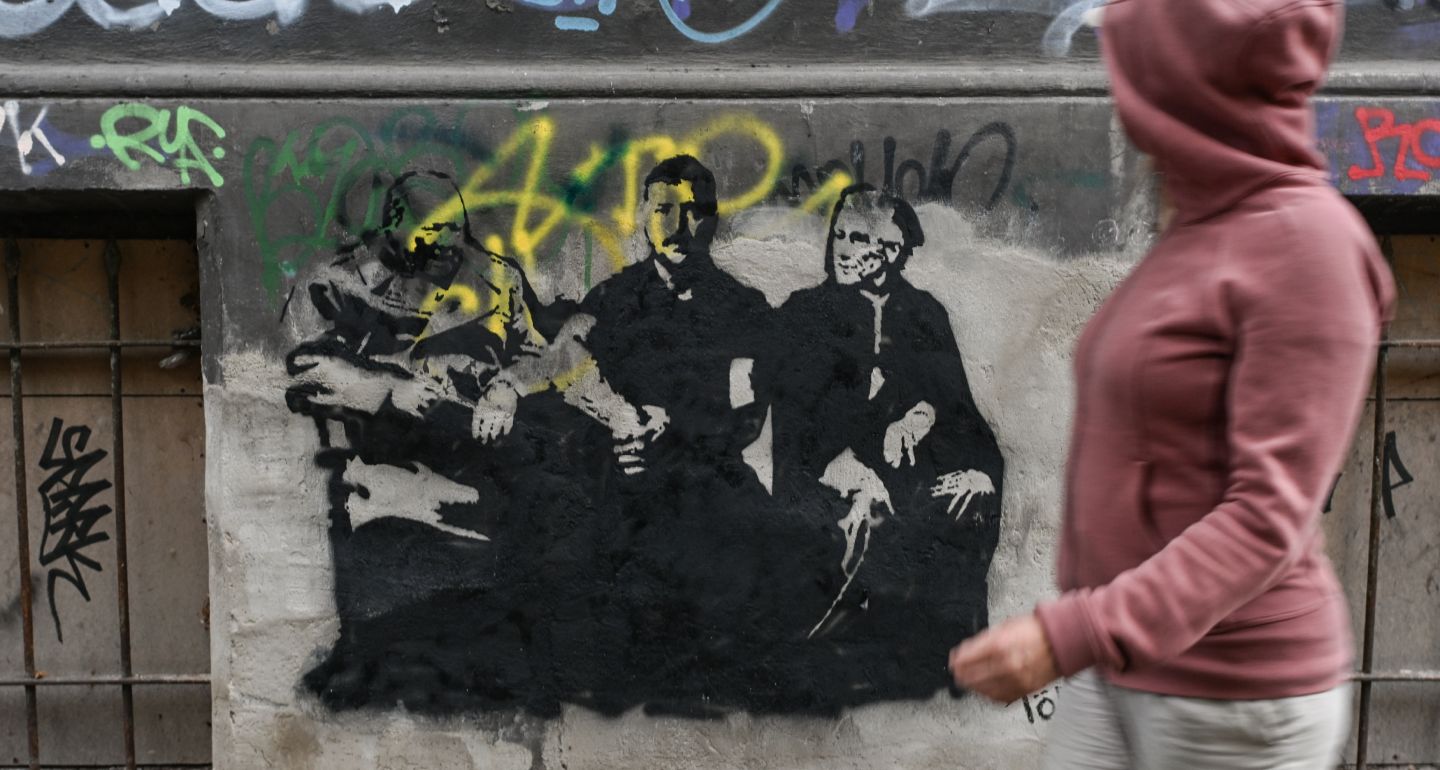
The concrete goal of an end to the hostilities in Ukraine has been replaced by a host of vague Russian demands concerning a range of issues and regions.

Alexander Baunov
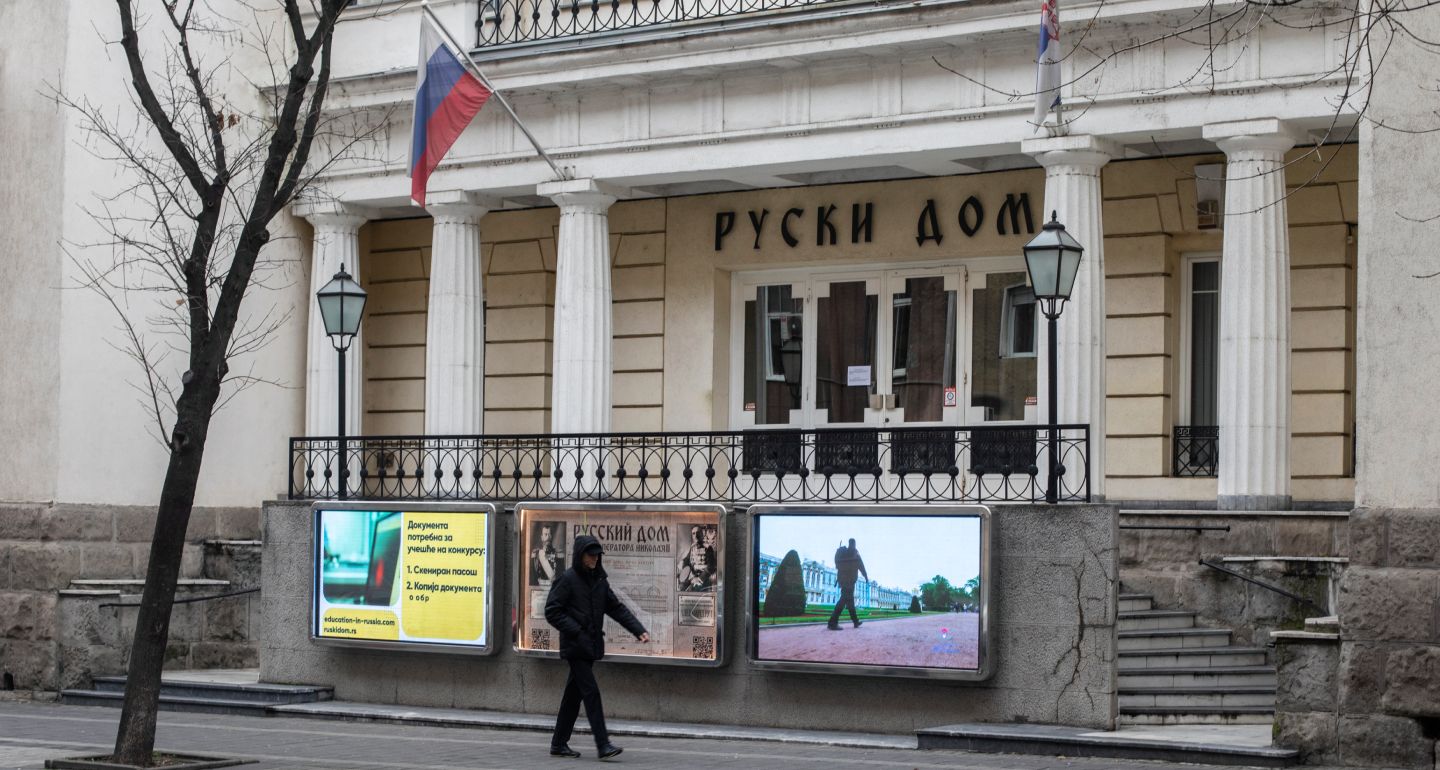
It’s a testing time for Russia’s policy in Serbia and the wider region, but it would be premature to conclude from one political setback that the days of Russian influence are over.

Dimitar Bechev
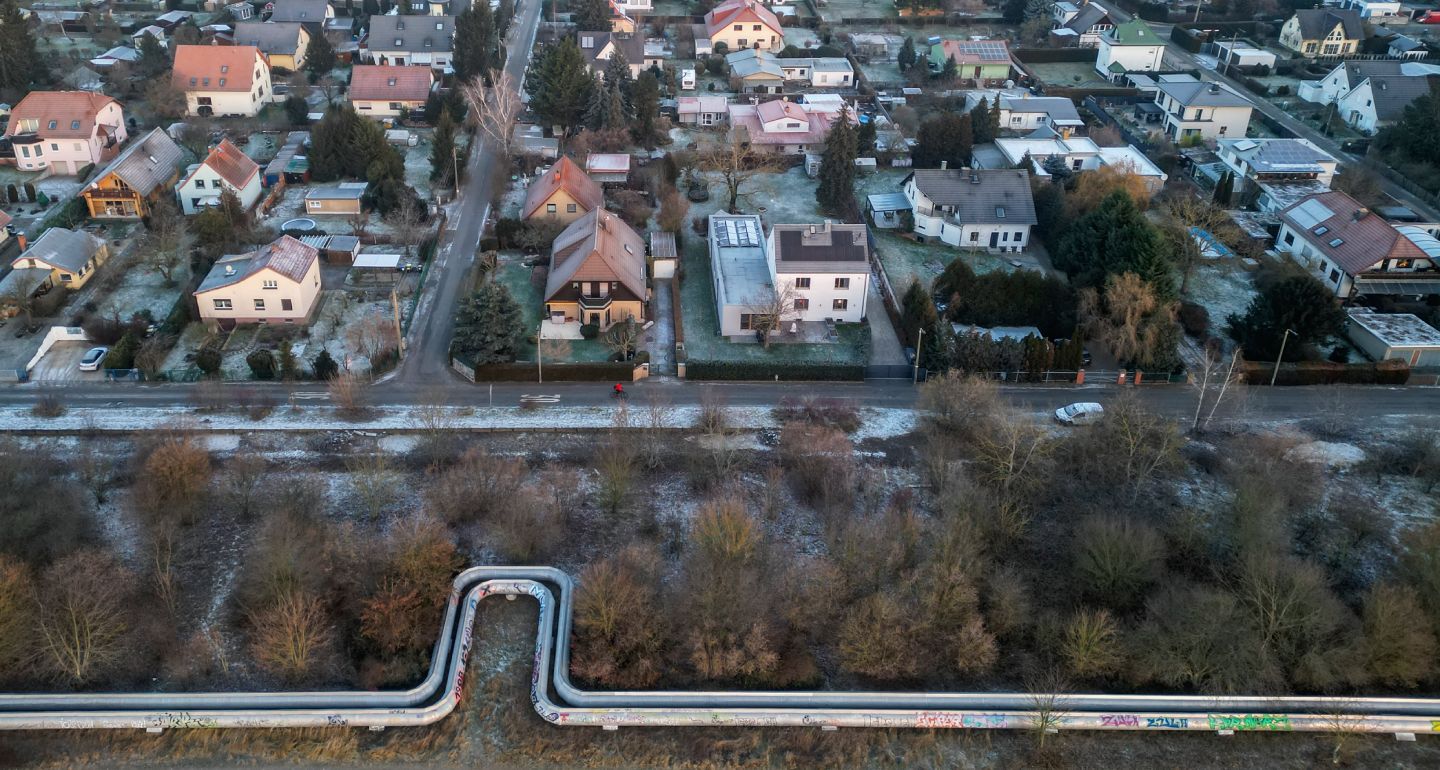
A gas deal would create palpable economic value, but it wouldn’t fundamentally change the position of either Russia or the EU.
Sergey Vakulenko

Nobody in the Kremlin fancies a fight with the whole European continent. Instead, the Russian leadership would be likely to opt for a short, targeted strike.
Maksim Samorukov