• Research
  • Politika
  • About
Carnegie Russia Eurasia center logoCarnegie lettermark logo
  • Donate
REQUIRED IMAGE

REQUIRED IMAGE

Article

South Korea Should Have a Larger Role in Global Nonproliferation Efforts


In just over one month, representative from over 180 countries will meet in New York to review the status and condition of the nuclear Non-Proliferation Treaty. This meeting, which takes place every five years as required by the agreement, occurs in an environment more negative than at anytime in its history and the potential for the month-long meeting to produce a positive result is in serious doubt. South Korea is in a unique position to improve the prospects for a successful meeting and Seoul should take active and even aggressive steps to play a large, constructive role at the meeting. (Read More)


Link Copied
By Jon Wolfsthal
Published on Mar 24, 2005
In just over one month, representative from over 180 countries will meet in New York to review the status and condition of the nuclear Non-Proliferation Treaty. This meeting, which takes place every five years as required by the agreement, occurs in an environment more negative than at anytime in its history and the potential for the month-long meeting to produce a positive result is in serious doubt. South Korea is in a unique position to improve the prospects for a successful meeting and Seoul should take active and even aggressive steps to play a large, constructive role at the meeting

The NPT is the cornerstone of the international norm against the spread of nuclear weapons, and is the only legal document committing all states to abandon nuclear weapons and to general and complete disarmament. The NPT is based on three basic pillars: nonproliferation, disarmament and the peaceful development of nuclear technology. In 1995, the agreement was extended for an indefinite term and in 2000, the parties approved a consensus document that included an unequivocal statement by nuclear weapons states to eliminate their nuclear weapons. Yet, in the run up to this year's meeting, many negative developments have taken place including North Korea's withdrawal from the NPT, evidence of Iran's hidden nuclear efforts and the discovery of the A.Q. Khan nuclear black market.

North Korea's withdrawal from the NPT, and its violation of the agreement before Pyongyang withdrew pose a serious threat to the NPT. But the problems with the NPT run far deeper than just one country. Questions about Iran's past violations of its safeguards agreement, the growing concern about the ability of states to acquire uranium enrichment and plutonium reprocessing - technologies that can contribute to a weapons program - under the protection of the NPT, and the perceived lack of progress on nuclear disarmament by the nuclear weapon states all raise difficult questions for the treaty members in advance of their meeting, which begins May 2.

South Korea is well placed to contribute to the review of the agreement in all three areas. The extreme threat North Korea poses to South Korea puts Seoul in a special position to speak and act with authority on nonproliferation issues. South Korea's advanced nuclear power and research programs give it a strong position to speak on issues related to peaceful nuclear uses. And as a state whose security is used by the US, in part, to justify the continued need for nuclear weapons, South Korea's is uniquely placed to talk about the issues of disarmament and the need to continue progress towards a non-nuclear world.

Yet, to date, Seoul has been relatively quiet in the lead up to the NPT Review Conference. While Seoul is rightly focused on its continued diplomatic efforts to bring North Korea back into compliance with the NPT, the efforts by Seoul must go beyond this one issue. To play a bigger role, the government must dedicate additional staff and resources to the preparation for the meeting in New York and ensure a large, expert and empowered delegation is sent to the meeting in New York. The Ministry of Foreign Affairs should have a large staff and priority access to top officials to ensure that the South Korean delegation can play an active role in all of the Treaty's review efforts. Anything less is a missed opportunity by South Korea to have a more prominent role on the international stage.

It may be too late to achieve a consensus document out of the Review Conference, a traditional standard of success. But by playing an active and constructive role on more than just the issue of North Korea, Seoul can help develop broad areas of agreement on issues related to the peaceful uses of nuclear energy, the need to improve the treaty's terms to prevent illegal nuclear transfers and to help define more precisely the ways in which nuclear weapons states will pursue disarmament. By making the effort now, Seoul can help achieve a greater status for itself on the international stage and play a leading role on these critical issues in the years to come.

About the Author

Jon Wolfsthal

Former Nonresident Scholar, Nuclear Policy Program

Jon Wolfsthal was a nonresident scholar with the Nuclear Policy Program.

    Recent Work

  • Report
    Universal Compliance: A Strategy for Nuclear Security<br>With 2007 Report Card on Progress
      • +2

      George Perkovich, Jessica Tuchman Mathews, Joseph Cirincione, …

  • Article
    10 Plus 10 Doesn’t Add Up

      Jon Wolfsthal

Jon Wolfsthal
Former Nonresident Scholar, Nuclear Policy Program
Jon Wolfsthal
South KoreaEast AsiaNuclear PolicyNuclear Energy

Carnegie does not take institutional positions on public policy issues; the views represented herein are those of the author(s) and do not necessarily reflect the views of Carnegie, its staff, or its trustees.
More Work from Carnegie Russia Eurasia Center

  • Commentary
    Carnegie Politika
    For Putin, Increasing Russia’s Nuclear Threat Matters More Than the Triad’s Modernization

    For Putin, upgrading Russia’s nuclear forces was a secondary goal. The main aim was to gain an advantage over the West, including by strengthening the nuclear threat on all fronts. That made growth in missile arsenals and a new arms race inevitable.
      Maxim Starchak
  • Commentary
    Carnegie Politika
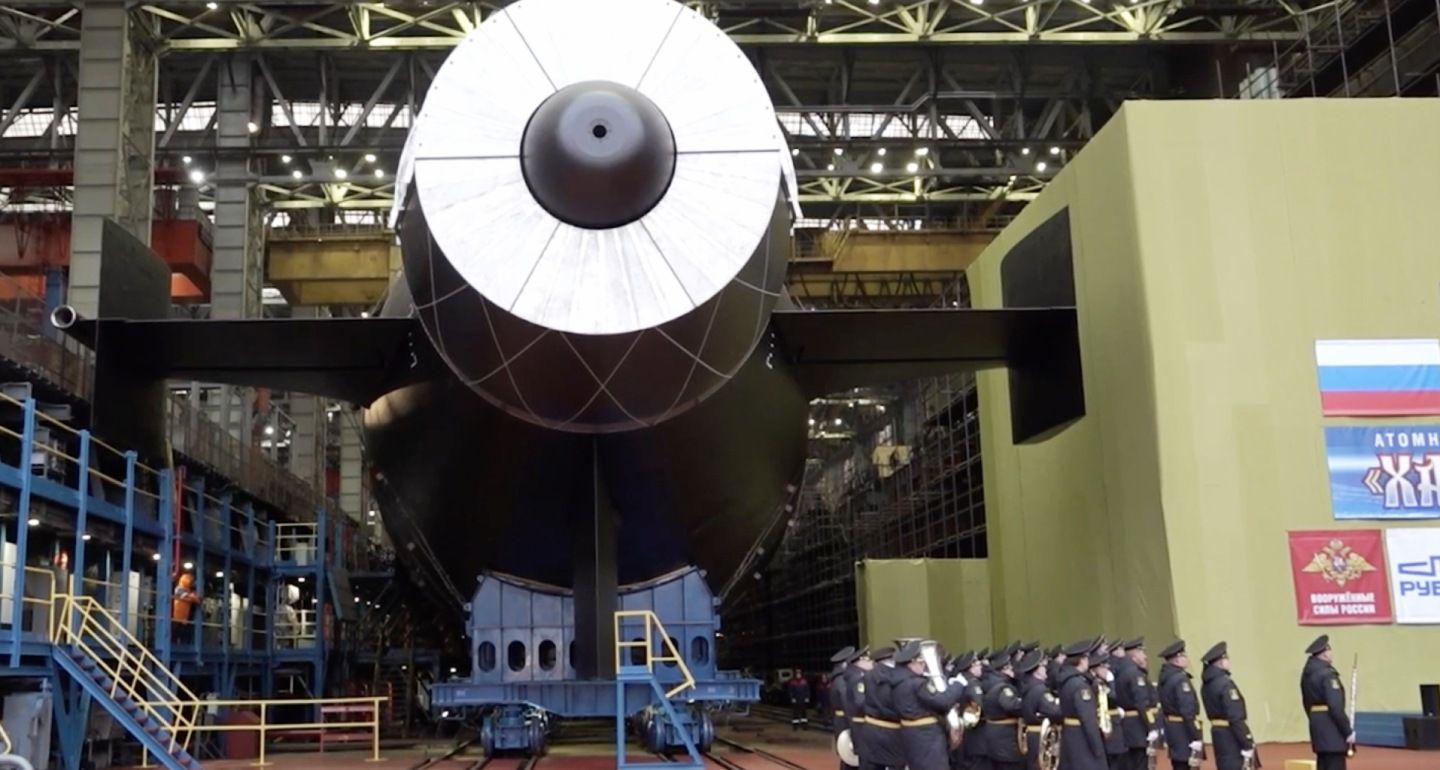
    Russia’s Latest Weapons Have Left Strategic Stability on the Brink of Collapse

    The Kremlin will only be prepared to negotiate strategic arms limitations if it is confident it can secure significant concessions from the United States. Otherwise, meaningful dialogue is unlikely, and the international system of strategic stability will continue to teeter on the brink of total collapse.

      Maxim Starchak
  • Commentary
    Carnegie Politika
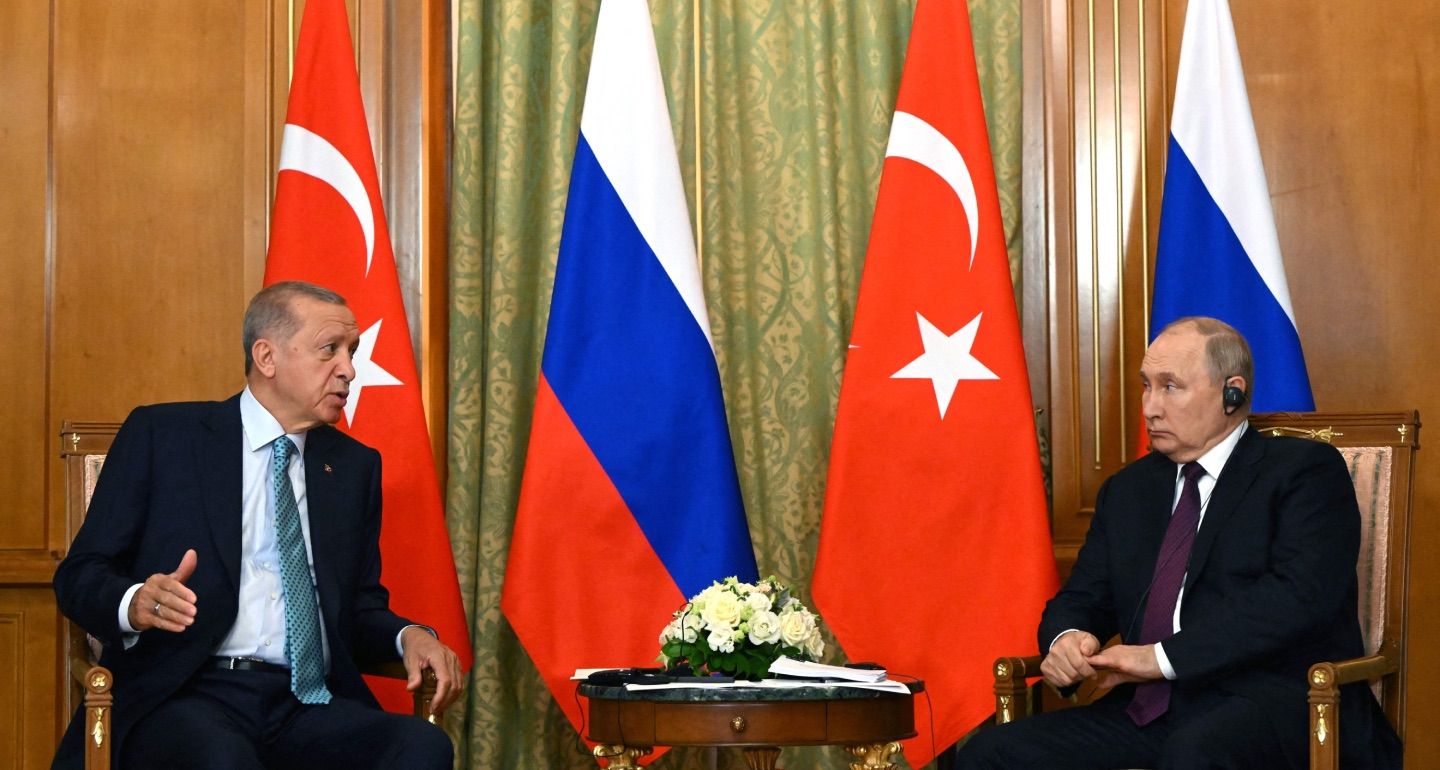
    Russia-Türkiye Ties Falter Amid Stresses of Ukraine War

    Mutual suspicion between Moscow and Ankara is growing as Türkiye cozies up to Washington and NATO while reducing its dependence on Russian energy.  

      Ruslan Suleymanov

  • Commentary
    Carnegie Politika
    Iran’s Twelve-Day War Has Only Boosted Its Cooperation With Russia

    Tehran’s most urgent task is to reduce the risk of further Israeli and U.S. airstrikes. Russia’s role as a deterrent in this respect is more multifaceted than simply supplying weapons, whose real impact will only become apparent many years from now.

      Nikita Smagin

  • Commentary
    Carnegie Politika
    How the Kremlin Lost Trump

    The collapse of the Budapest summit is an inevitable result of the Russian system of artificially creating foreign policy crises in order to achieve a desired outcome.

      Alexander Baunov

Get more news and analysis from
Carnegie Russia Eurasia Center
Carnegie Russia Eurasia logo, white
  • Research
  • Politika
  • About
  • Experts
  • Events
  • Contact
  • Privacy
Get more news and analysis from
Carnegie Russia Eurasia Center
© 2026 Carnegie Endowment for International Peace. All rights reserved.