

Commentary
Nathan J. Brown

Source: Getty
As Secretary of State Rice travels to the Middle East this week for another round of negotiations in the Israeli–Palestinian peace process, deep divisions and institutional decay on the Palestinian side remain the most daunting obstacles to peace. Ongoing Palestinian unity talks brokered by Egypt have little chance of success without a significant international push, concludes Nathan J. Brown.
IMGXYZ1487IMGZYXAs Secretary of State Condoleezza Rice travels to the Middle East this week for another round of negotiations in the Israeli–Palestinian peace process, deep divisions and institutional decay on the Palestinian side remain the most daunting obstacles to peace. Ongoing Palestinian unity talks brokered by Egypt have little chance of success without a significant international push, concludes a new commentary by Nathan J. Brown.
Divided Palestinian factions Hamas and Fatah have little incentive to reach an agreement, despite widespread regional and Palestinian support for the talks. Hamas remains focused on building a party-state within Gaza, while Fatah sees little benefit in sharing power with a movement that would likely overwhelm it.
Key Conclusions:
Brown concludes:
“It is not clear if any of the international actors with cards to play feel they have enough to gain from Palestinian reconciliation. And absent any concerted effort to bring full pressure on both Gaza and Ramallah, it is likely that the current division will continue. Actually, the division will likely deepen. In January 2009, the institutional and legal rupture between the West Bank and Gaza could become nearly complete, with Hamas claiming untrammeled authority in Gaza.”

Nonresident Senior Fellow, Middle East Program
Nathan J. Brown, a professor of political science and international affairs at George Washington University, is a distinguished scholar and author of nine books on Arab politics and governance, as well as editor of five books.
Recent Work
Nathan J. Brown
Nathan J. Brown
Carnegie does not take institutional positions on public policy issues; the views represented herein are those of the author(s) and do not necessarily reflect the views of Carnegie, its staff, or its trustees.

If the Russian-speaking community in Latvia cannot articulate their interests without being seen as disloyal, they could end up embracing a pro-Kremlin agenda.

Sergejs Potapkins

Russia’s ruling party would have benefited from Putin appearing as its distant patron, but as an active frontman imposing his views on the public, he has done nothing but harm both the party’s election campaign and the ruling system overall.

Andrey Pertsev

In the tenth year of his presidency, President Mirziyoyev’s system is becoming even more personalized than that of his predecessor Karimov.

Galiya Ibragimova

With the growth in points of friction between the great powers, organizations like the SCO will continue to play a role in the strategic adaptation of the smaller powers caught between them.

Temur Umarov
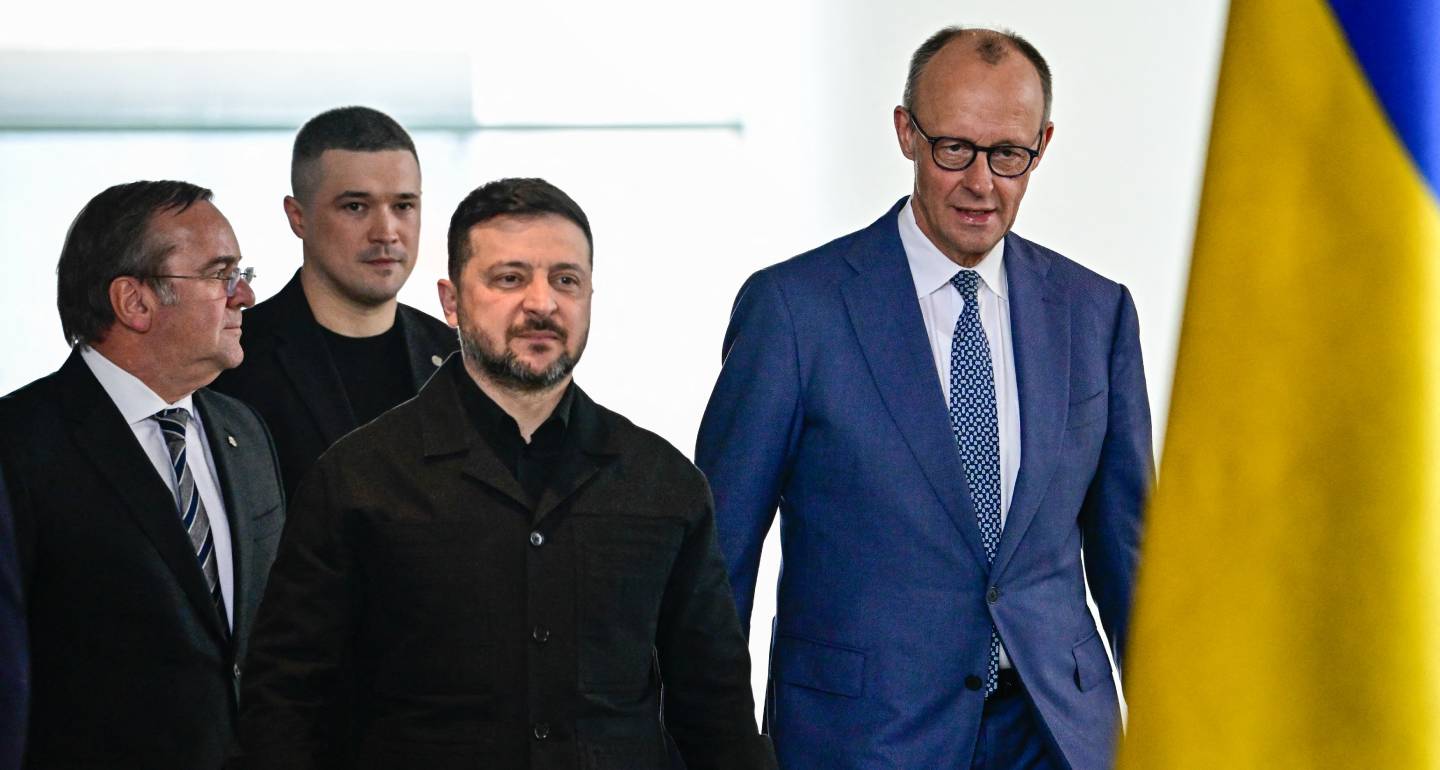
The greater threat to Zelensky comes not from Fedorov alone, but from the convergence between the former defense minister’s political campaign and the anti-corruption investigations moving ever closer to the presidential administration.

Balázs Jarábik