

Commentary
If it proves impossible for the Russian authorities to avoid a gasoline deficit, the question then becomes how they will organize the distribution of a scarce resource.
Sergey Vakulenko

How Korea can leverage its proven crisis-to-opportunity playbook to secure semiconductor leadership in an era of clean energy transition.

Fellow, Asia Program
Darcie Draudt-Véjares is a fellow in the Carnegie Asia Program.
Hannah Jeong

Tim Sahay
Co-Director, Net Zero Industrial Policy Lab, Johns Hopkins
Tim Sahay is the co-editor of The Polycrisis at Phenomenal World and the co-director of the Net Zero Industrial Policy Lab at Johns Hopkins University.
Carnegie does not take institutional positions on public policy issues; the views represented herein are those of the author(s) and do not necessarily reflect the views of Carnegie, its staff, or its trustees.
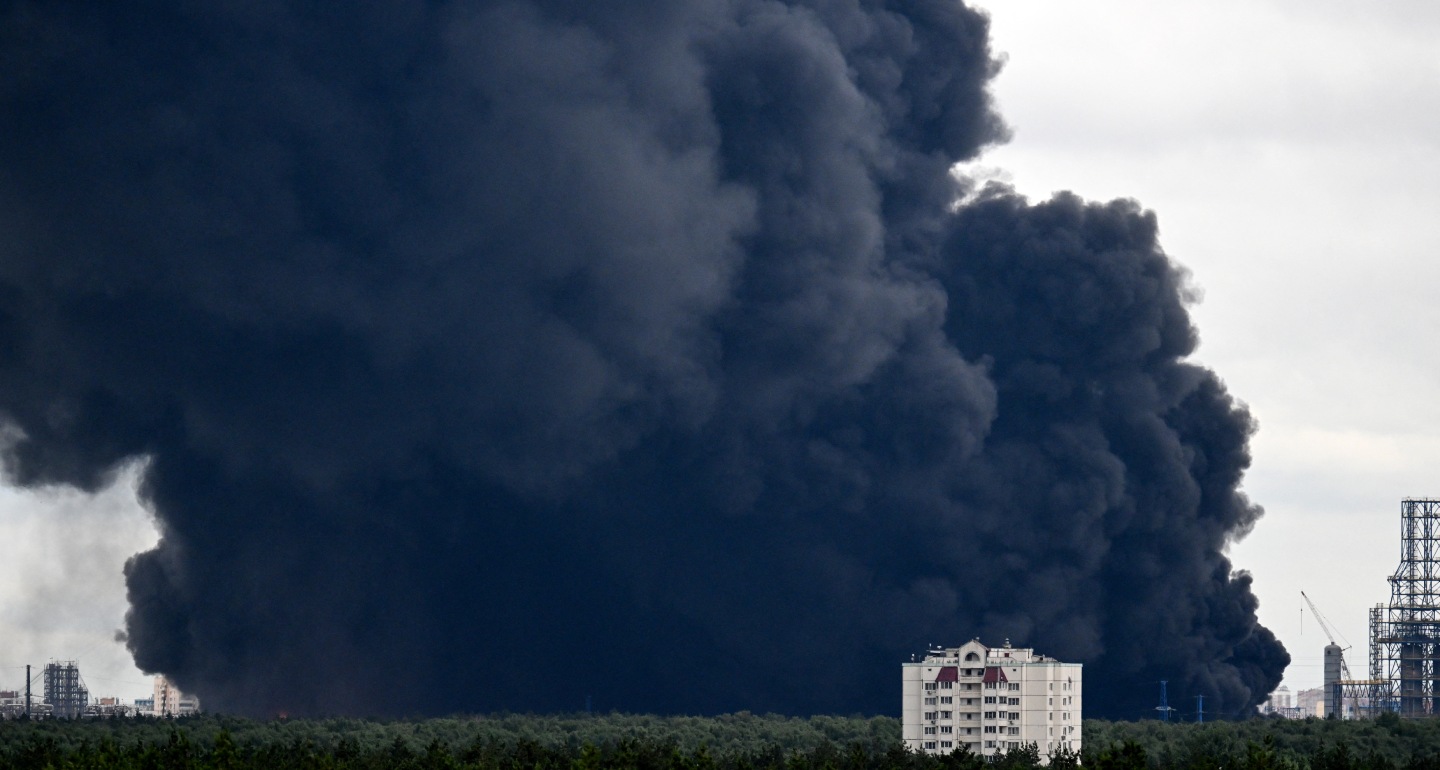
If it proves impossible for the Russian authorities to avoid a gasoline deficit, the question then becomes how they will organize the distribution of a scarce resource.

Sergey Vakulenko

A much-discussed disagreement over internet restrictions in Russia was never an existential threat for Putin: It was about elite groups protecting their interests.

Alexandra Prokopenko

The demands of the Kremlin’s war in Ukraine, demographic problems, and public hostility toward Central Asians mean Russia does not have enough workers.
Salavat Abylkalikov

Minsk’s faith in the future of its larger neighbor’s economy is fading as Belarusian firms in Russia see record losses.

Olga Loiko
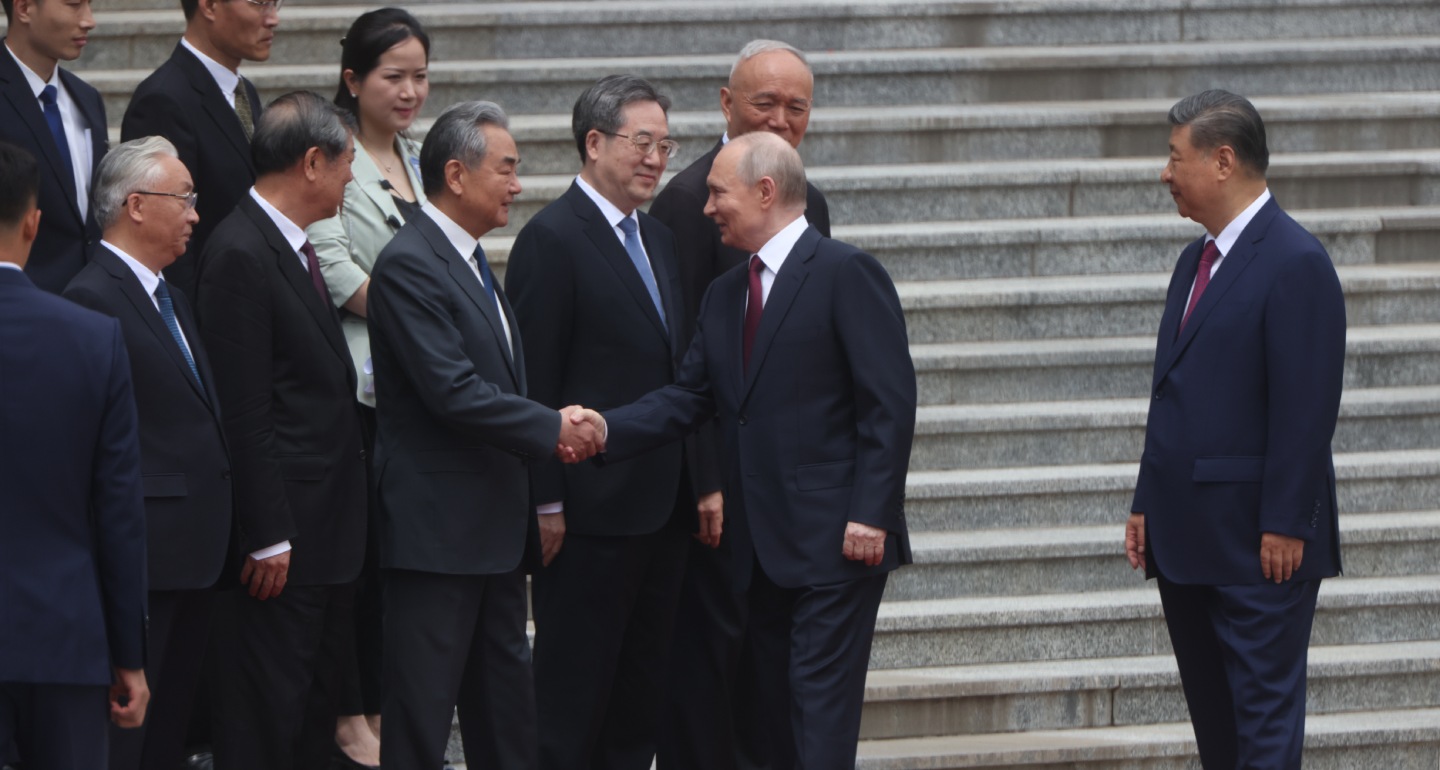
With no key agreement signed on the Power of Siberia 2 gas pipeline, there is a risk that the window of opportunity for Russia will close if Chinese power generation becomes so green that new gas sources are no longer of any interest to Beijing.

Alexander Gabuev