Report
- +4
Ms. Sandra Polaski, Joaquim Bento de Souza Ferreir, Janine Berg, …
{
  "authors": [
    "Sandra Polaski"
  ],
  "type": "other",
  "centerAffiliationAll": "",
  "centers": [
    "Carnegie Endowment for International Peace"
  ],
  "collections": [],
  "englishNewsletterAll": "",
  "nonEnglishNewsletterAll": "",
  "primaryCenter": "Carnegie Endowment for International Peace",
  "programAffiliation": "",
  "programs": [],
  "projects": [],
  "regions": [],
  "topics": [
    "Economy",
    "Trade"
  ]
}
REQUIRED IMAGE
Agricultural trade liberalization can increase poverty in low-income countries if not handled carefully, because of the pervasiveness of small-scale farming as a source of livelihoods in low-income countries.
Source: Carnegie Endowment
Trade negotiators at the World Trade Organization (WTO) are struggling to meet a self-imposed deadline of December 2005 to agree on the broad outlines of a new trade deal that would cover global commerce in agricultural products, manufactured goods, and a wide array of services. The key bottleneck is agriculture: unless the shape of a deal on agricultural trade can be agreed upon, developing countries will block progress on trade liberalization for manufactured goods and services, the issues of paramount importance to developed countries. Multilateral trade liberalization will stall. However, negotiations have not yet focused on a pivotal issue in developing countries' agricultural sectors, namely the fact that subsistence farming is the main source of income for most of the poor. This issue deserves immediate attention as negotiators return to Geneva for a last effort to forge an agreement by December.
Click here for the full text of this Policy Outlook.
About the Author
Sandra Polaski is a senior associate and Director of the Trade, Equity and Development Project at the Carnegie Endowment for International Peace. She is a co-author of the Carnegie report NAFTA's Promise and Reality: Lessons from Mexico for the Hemisphere and author of Cambodia Blazes A New Path To Economic Growth and Job Creation (Carnegie Paper No. 51).
Former Senior Associate, Director, Trade, Equity and Development Program
Until April 2002, Polaski served as the U.S. Secretary of State’s Special Representative for International Labor Affairs, the senior State Department official dealing with such matters.
Recent Work
Ms. Sandra Polaski, Joaquim Bento de Souza Ferreir, Janine Berg, …
Ms. Sandra Polaski
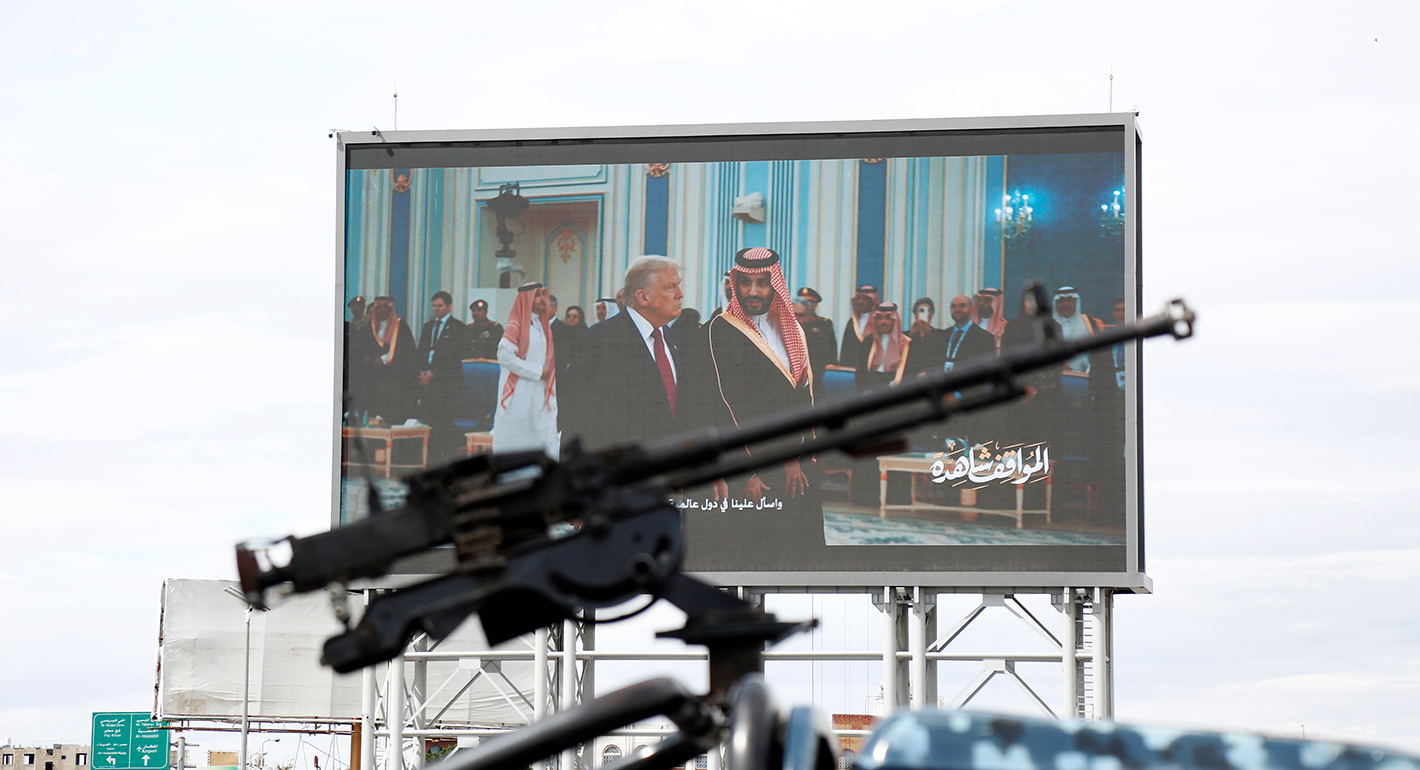
As the war between the United States, Israel, and Iran continues, Carnegie scholars contribute cutting-edge analysis on the events of the war and their wide-reaching implications. From the impact on Iran and its immediate neighbors to the responses from Gulf states to fuel and fertilizer shortages caused by the effective shutdown of the Strait of Hormuz, the war is reshaping Middle East alliances and creating shockwaves around the world. Carnegie experts analyze it all.
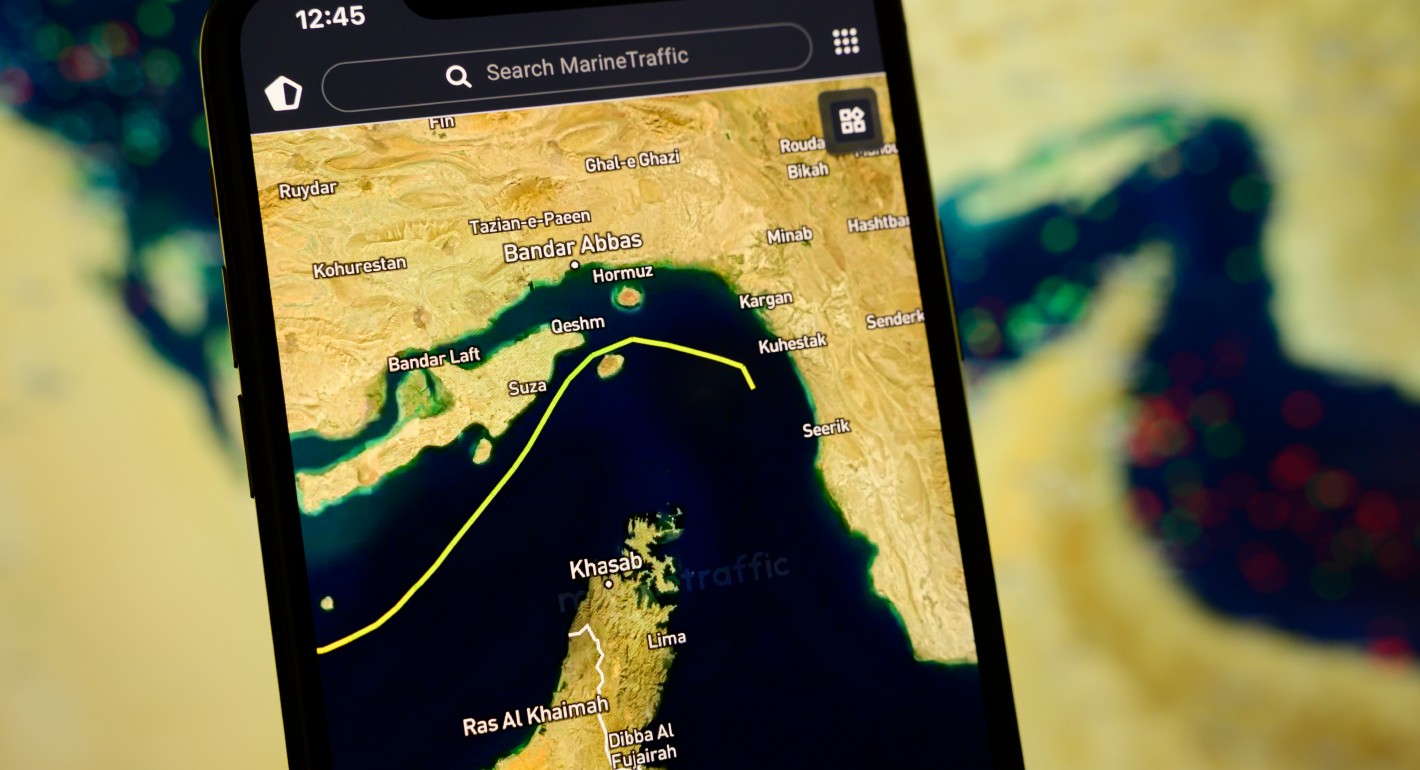
Why the Iran ceasefire isn’t a quick fix to the Strait of Hormuz energy crisis.

Helima Croft, Aaron David Miller
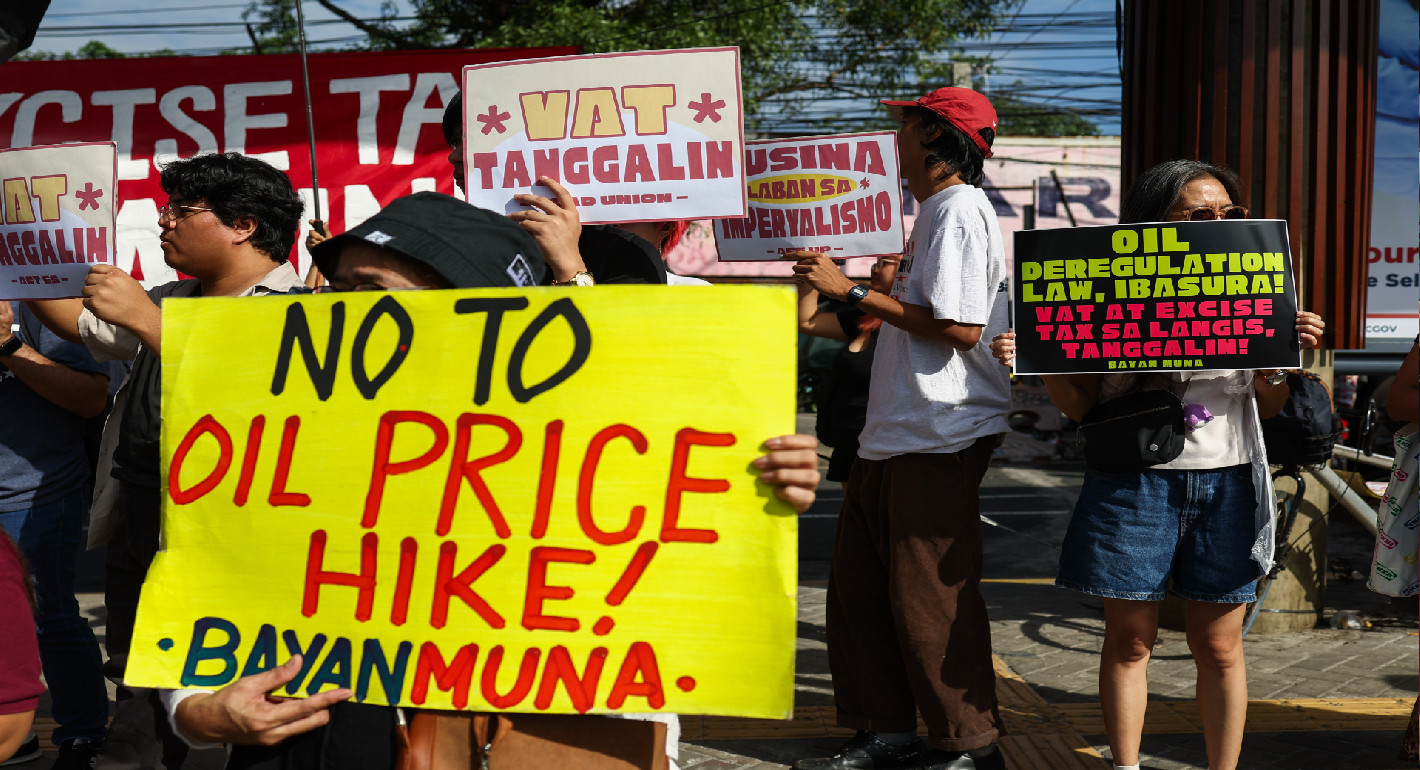
There is no better time for the countries of Southeast Asia to reconsider their energy security than during this latest crisis.
Gita Wirjawan
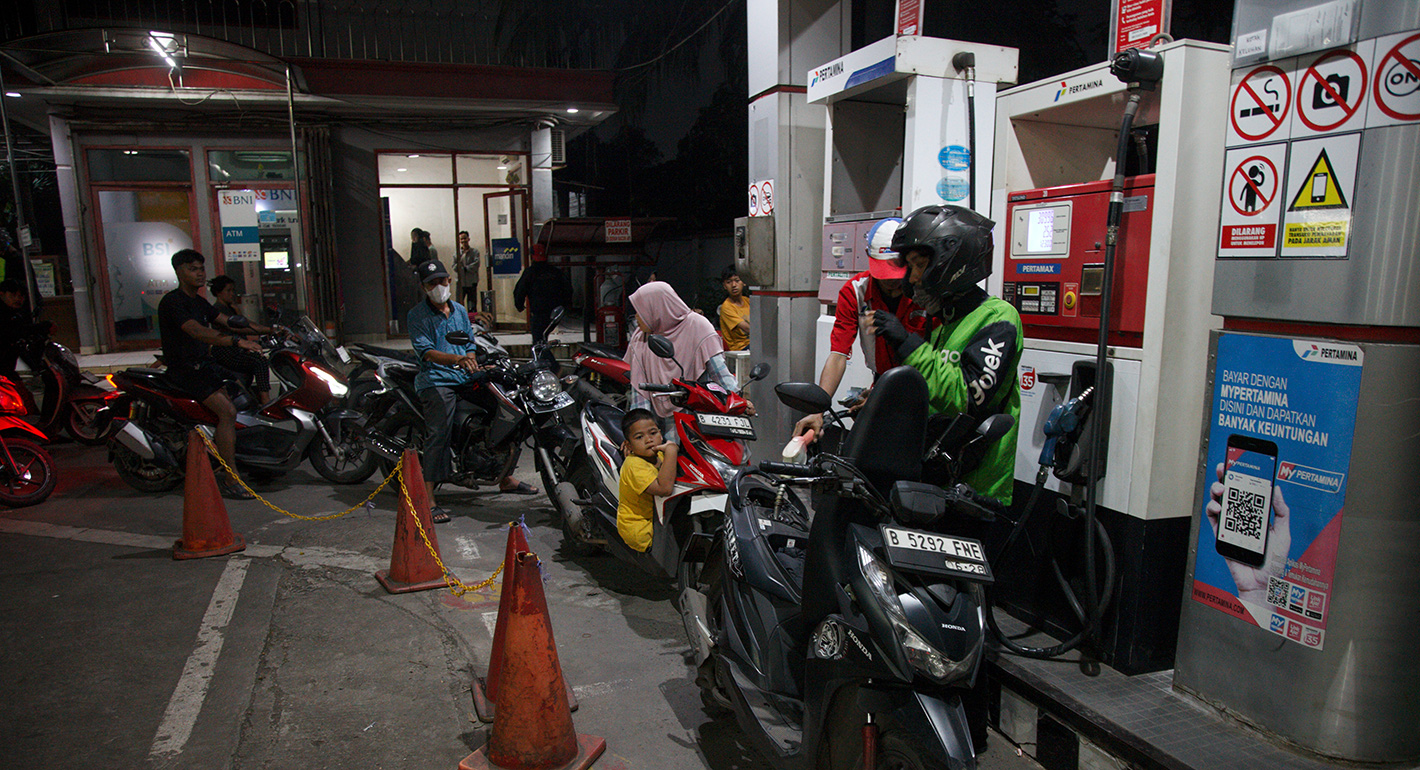
As conflict in the Middle East drives up fuel costs across Asia, Indonesia faces difficult policy trade-offs over subsidies, inflation, and fiscal credibility. President Prabowo’s personalized governance style may make these hard choices even harder to navigate.
Sana Jaffrey
The United States ignores the region’s lived experience—and the tough political and social trade-offs the war has produced—at its peril.

Evan A. Feigenbaum