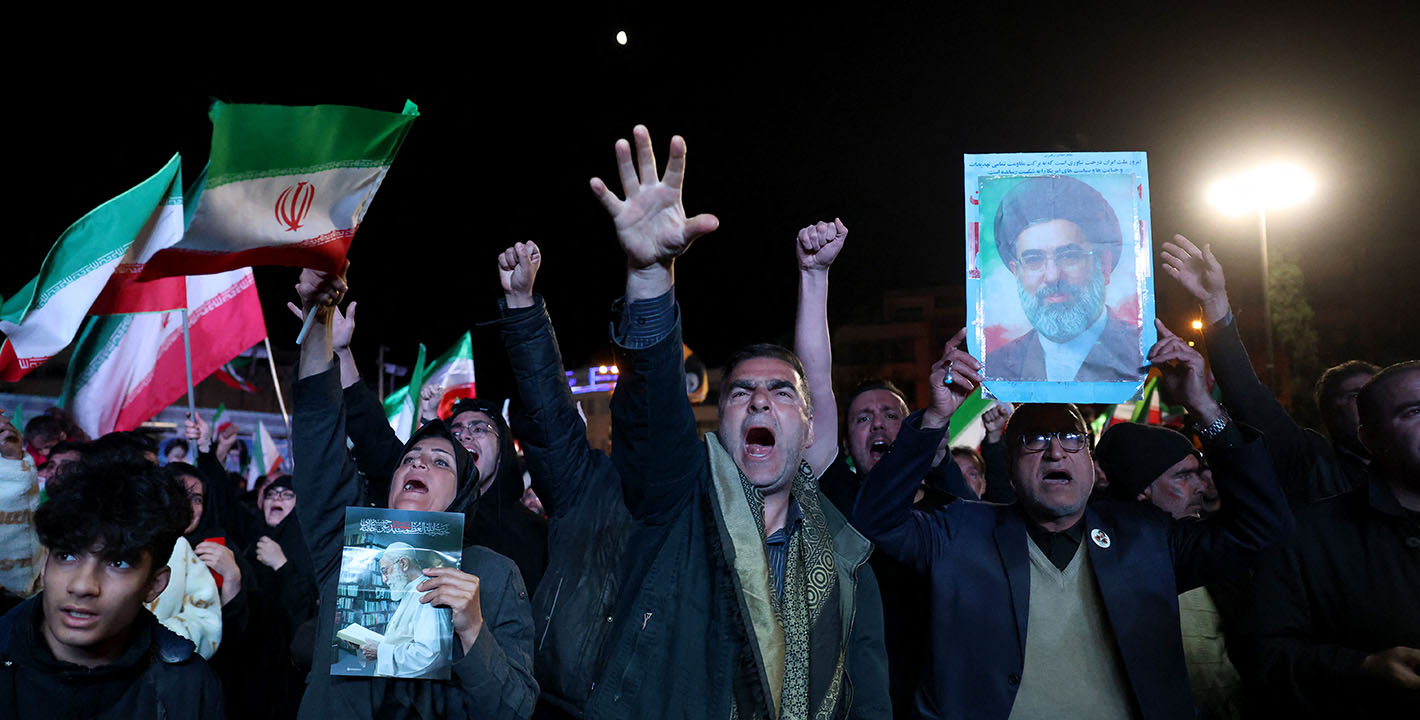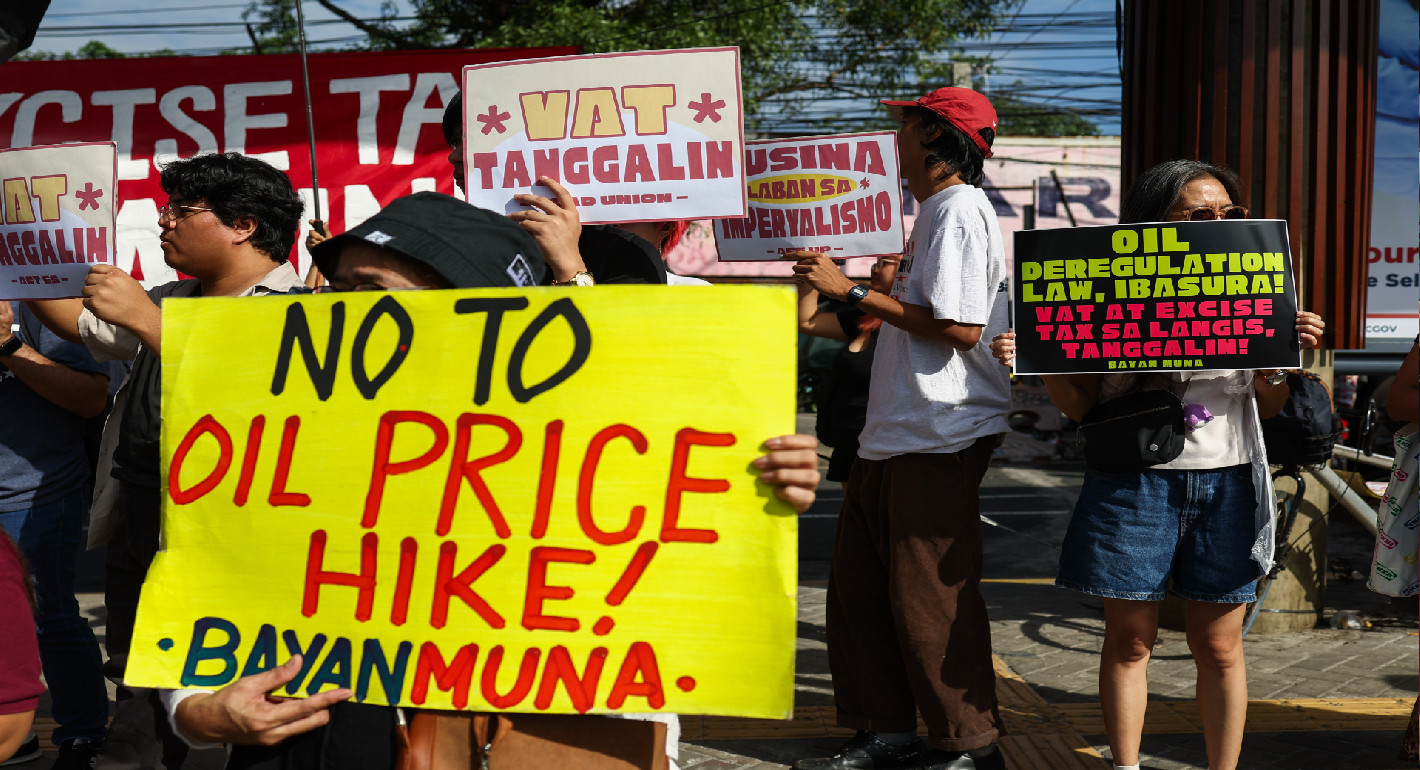
As the war between the United States, Israel, and Iran continues, Carnegie scholars contribute cutting-edge analysis on the events of the war and their wide-reaching implications. From the impact on Iran and its immediate neighbors to the responses from Gulf states to fuel and fertilizer shortages caused by the effective shutdown of the Strait of Hormuz, the war is reshaping Middle East alliances and creating shockwaves around the world. Carnegie experts analyze it all.

REQUIRED IMAGE
When Money Talks: Arab Sovereign Wealth Funds in the Global Public Policy Discourse
The financial interdependence that sovereign wealth funds (SWFs) created between the West and the Arab world could help stabilize multilateral relations and promote economic development and political stability in the Middle East.
The financial interdependence that sovereign wealth funds (SWFs) created between the West and the Arab world could help stabilize multilateral relations and promote economic development and political stability in the Middle East, concludes a new paper from the Carnegie Middle East Center.
Sven Behrendt studies the rise of Arab SWFs, assesses their investment strategy, and evaluates the policies of Arab investors and Western nations.
- An international framework between investing and recipients nations is needed and should reflect the changing nature of the global market. A fragmented system of national policies is inefficient and in no one’s interest.
- Arab investment managers need to adjust their strategies and take broader responsibility for the stability of the global financial markets. They can no longer play the role of quiet investors.
- Arab public opinion, media, and civil society should take an interest in their countries’ SWFs and demand a more transparent accounting of how the funds are being invested.
- Western governments should acknowledge the increased bargaining power of the Gulf countries and reach out in a constructive manner. They must also avoid policy decisions based on misplaced fear of foreign domination and populist sentiments.
About the Author
Sven Behrendt
Carnegie does not take institutional positions on public policy issues; the views represented herein are those of the author(s) and do not necessarily reflect the views of Carnegie, its staff, or its trustees.
More Work from Carnegie Endowment for International Peace
- The Iran War’s Global ReachCollection
- Amid Iran War, Gulf Countries Slow the Pace of ReformsArticle
The return of war as the organizing factor in Middle Eastern politics has predictable consequences: governments are prioritizing regime stability and becoming averse to political and social reform.
Sarah Yerkes, Amr Hamzawy
- The United States and Iran Have Agreed to a Two-Week CeasefireCommentary
Spot analysis from Carnegie scholars on events relating to the Middle East and North Africa.
Michael Young
- Southeast Asia’s Agency Amid the New Oil CrisisCommentary
There is no better time for the countries of Southeast Asia to reconsider their energy security than during this latest crisis.
Gita Wirjawan
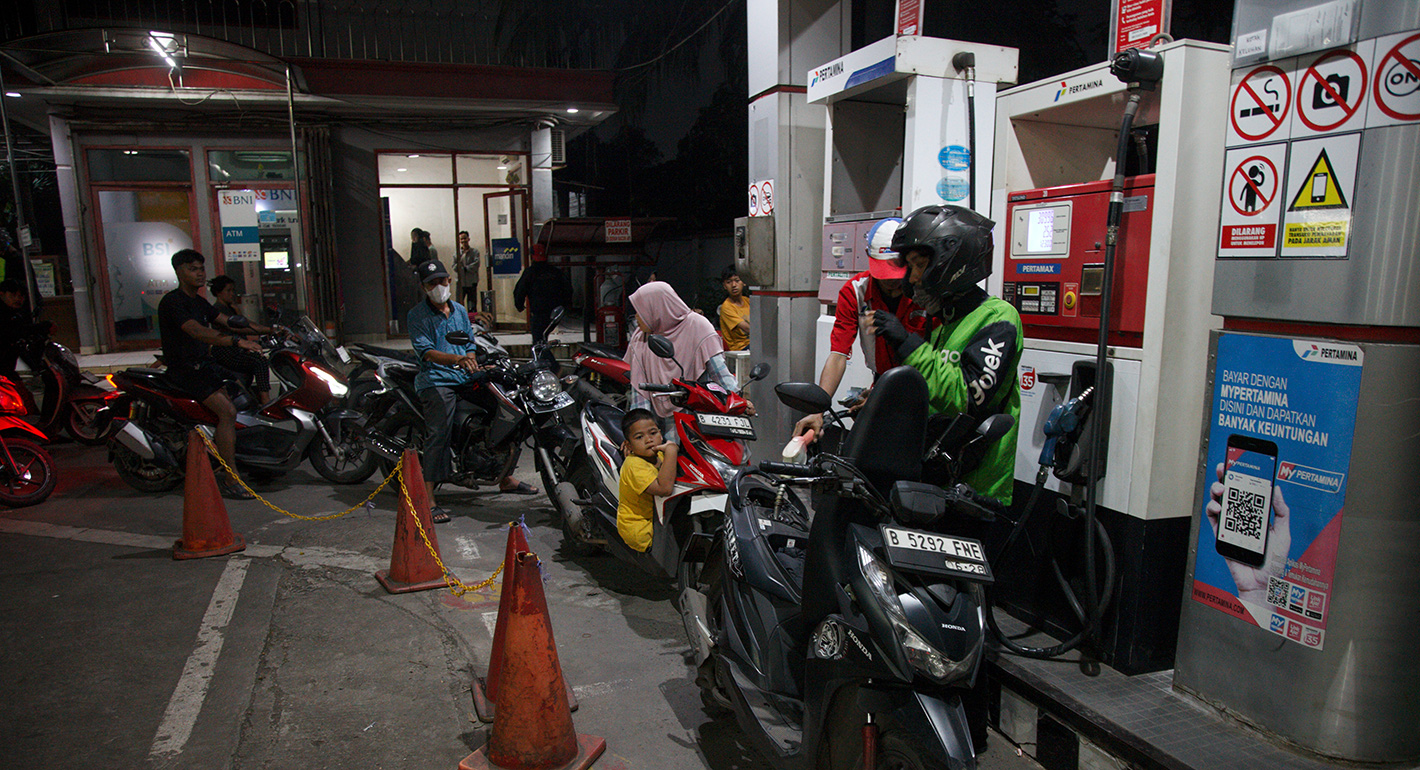
- Fuel Crisis Forces Politically Perilous Trade-Offs in IndonesiaCommentary
As conflict in the Middle East drives up fuel costs across Asia, Indonesia faces difficult policy trade-offs over subsidies, inflation, and fiscal credibility. President Prabowo’s personalized governance style may make these hard choices even harder to navigate.
Sana Jaffrey