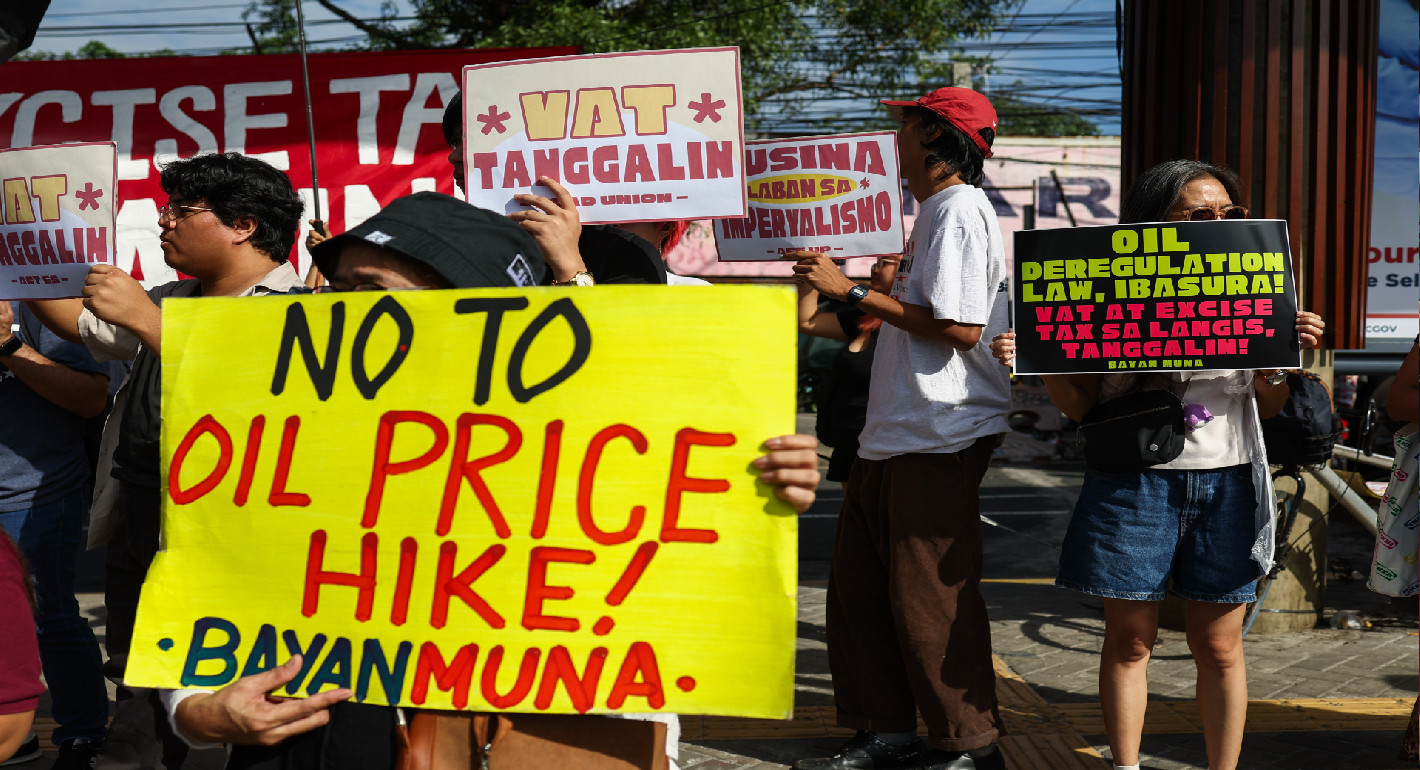

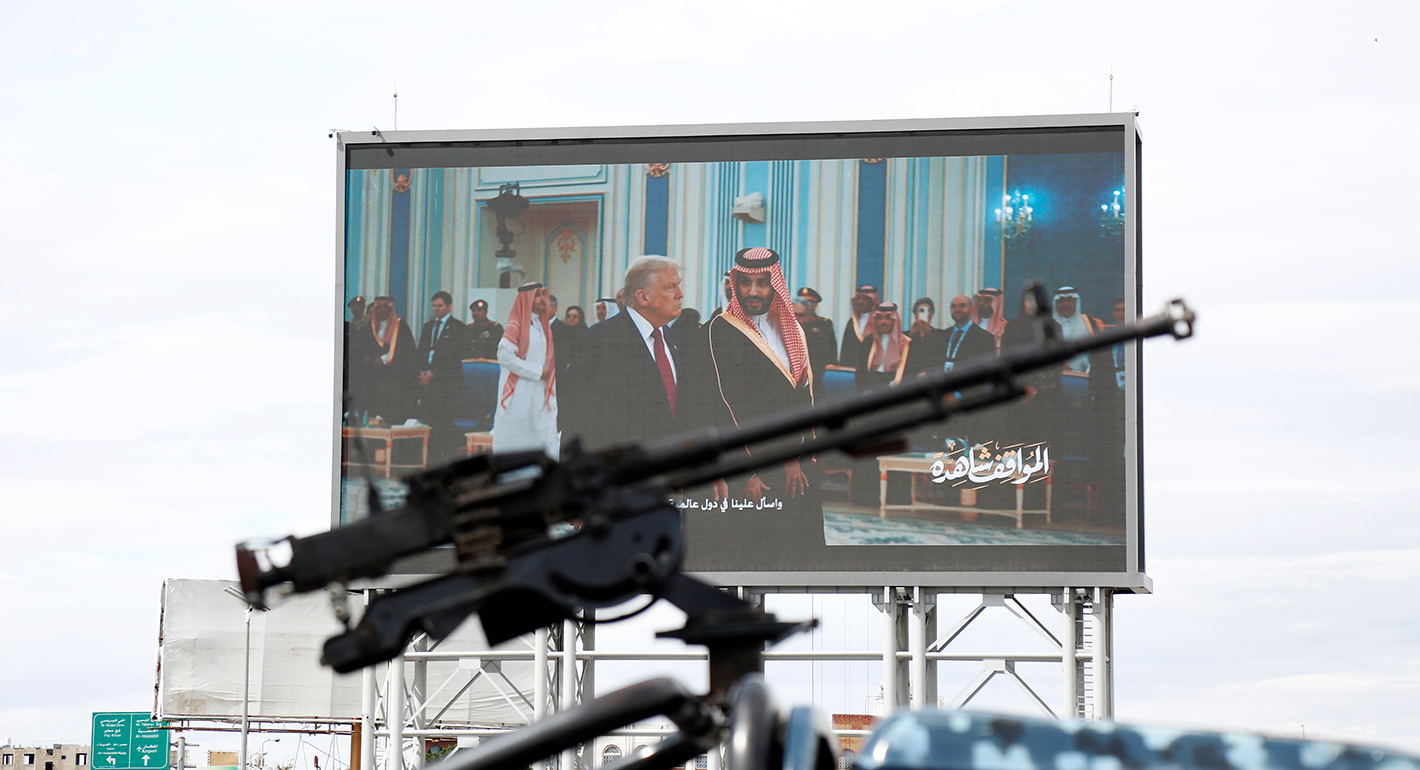

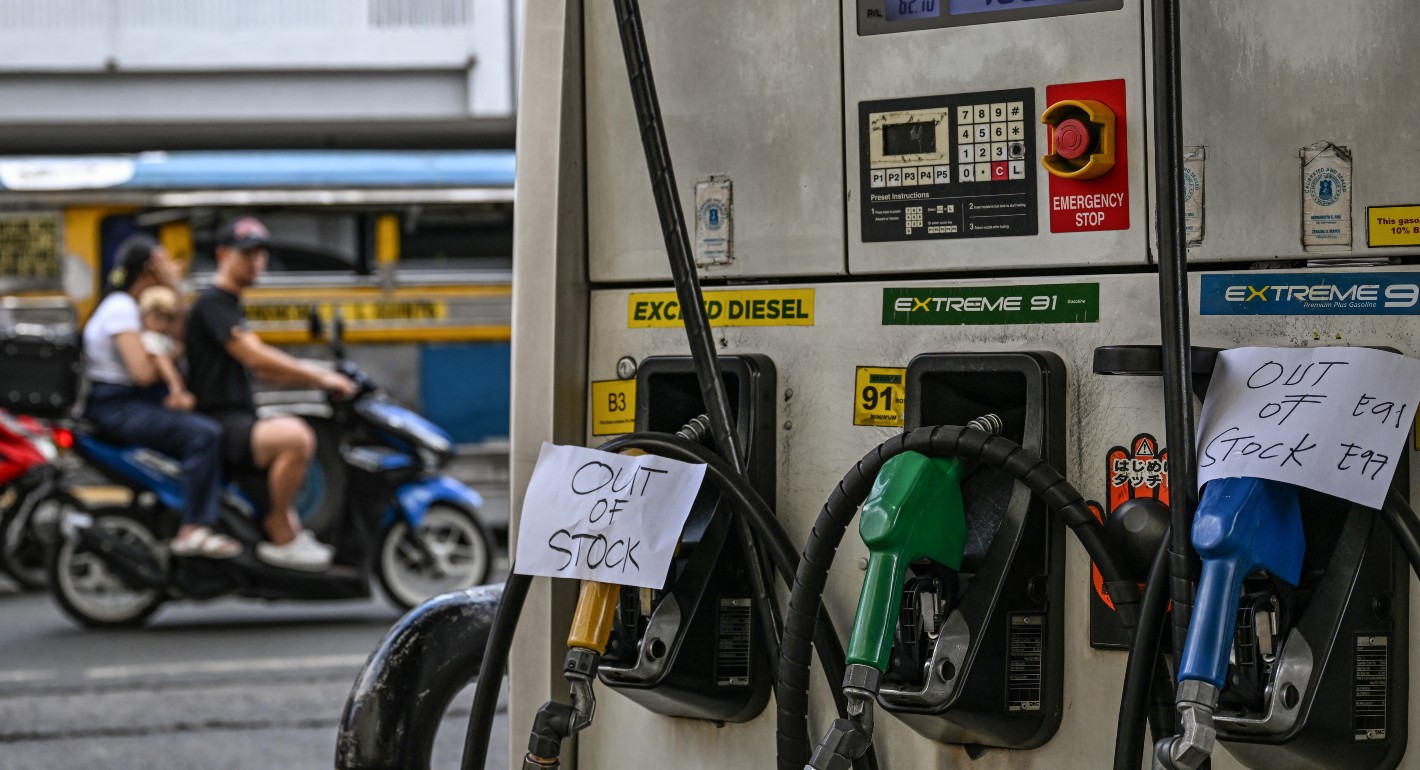
As the war between the United States, Israel, and Iran continues, Carnegie scholars contribute cutting-edge analysis on the events of the war and their wide-reaching implications. From the impact on Iran and its immediate neighbors to the responses from Gulf states to fuel and fertilizer shortages caused by the effective shutdown of the Strait of Hormuz, the war is reshaping Middle East alliances and creating shockwaves around the world. Carnegie experts analyze it all.
{
"authors": [
"Uri Dadush",
"Shimelse Ali"
],
"type": "other",
"centerAffiliationAll": "",
"centers": [
"Carnegie Endowment for International Peace"
],
"collections": [],
"englishNewsletterAll": "",
"nonEnglishNewsletterAll": "",
"primaryCenter": "Carnegie Endowment for International Peace",
"programAffiliation": "",
"programs": [],
"projects": [],
"regions": [
"North America"
],
"topics": [
"Economy",
"Trade"
]
}Source: Getty
The Transformation of World Trade
Developing countries already play a substantial role in world trade, and their significance is only expected to rise. As they diversify and grow as export markets, emerging economies will come to dominate international trade.
Developing countries are growing rapidly, and long term projections suggest that their rising economic weight will transform world trade. As these emerging economies diversify and become increasingly important export markets, they will come to dominate international trade.
Key Conclusions
- This phenomenon is characterized by three trends in developing countries: the diversification of exports into a wide range of manufactures, the emergence of a large Global Middle and Rich (GMR) class, and increased financial integration.
- As wages, education levels, and ratios of capital to labor in the most successful developing countries rise closer to those of advanced economies and faster than those in the less successful ones, existing patterns of comparative advantage will be redrawn.
- The transformation of world trade will present new challenges and opportunities. In order to reap the new opportunities, the poorest and most commodity-dependent countries will need to make sustained efforts to improve their business climates. Advanced countries will also have to retain their edge in innovation and product differentiation.
- While domestic reforms are key, international rules will have to be strengthened to make trade more open and predictable.
About the Authors
Former Senior Associate, International Economics Program
Dadush was a senior associate at the Carnegie Endowment for International Peace. He focuses on trends in the global economy and is currently tracking developments in the eurozone crisis.
Shimelse Ali
Carnegie does not take institutional positions on public policy issues; the views represented herein are those of the author(s) and do not necessarily reflect the views of Carnegie, its staff, or its trustees.
More Work from Carnegie Endowment for International Peace
- The Iran War’s Global ReachCollection
- “It’s Not Like Turning a Switch On and Off”Commentary
Why the Iran ceasefire isn’t a quick fix to the Strait of Hormuz energy crisis.
Helima Croft, Aaron David Miller
- Southeast Asia’s Agency Amid the New Oil CrisisCommentary
There is no better time for the countries of Southeast Asia to reconsider their energy security than during this latest crisis.
Gita Wirjawan
- Fuel Crisis Forces Politically Perilous Trade-Offs in IndonesiaCommentary
As conflict in the Middle East drives up fuel costs across Asia, Indonesia faces difficult policy trade-offs over subsidies, inflation, and fiscal credibility. President Prabowo’s personalized governance style may make these hard choices even harder to navigate.
Sana Jaffrey
- In Its Iran War Debate, Washington Has Lost the Plot in AsiaCommentary
The United States ignores the region’s lived experience—and the tough political and social trade-offs the war has produced—at its peril.
Evan A. Feigenbaum