

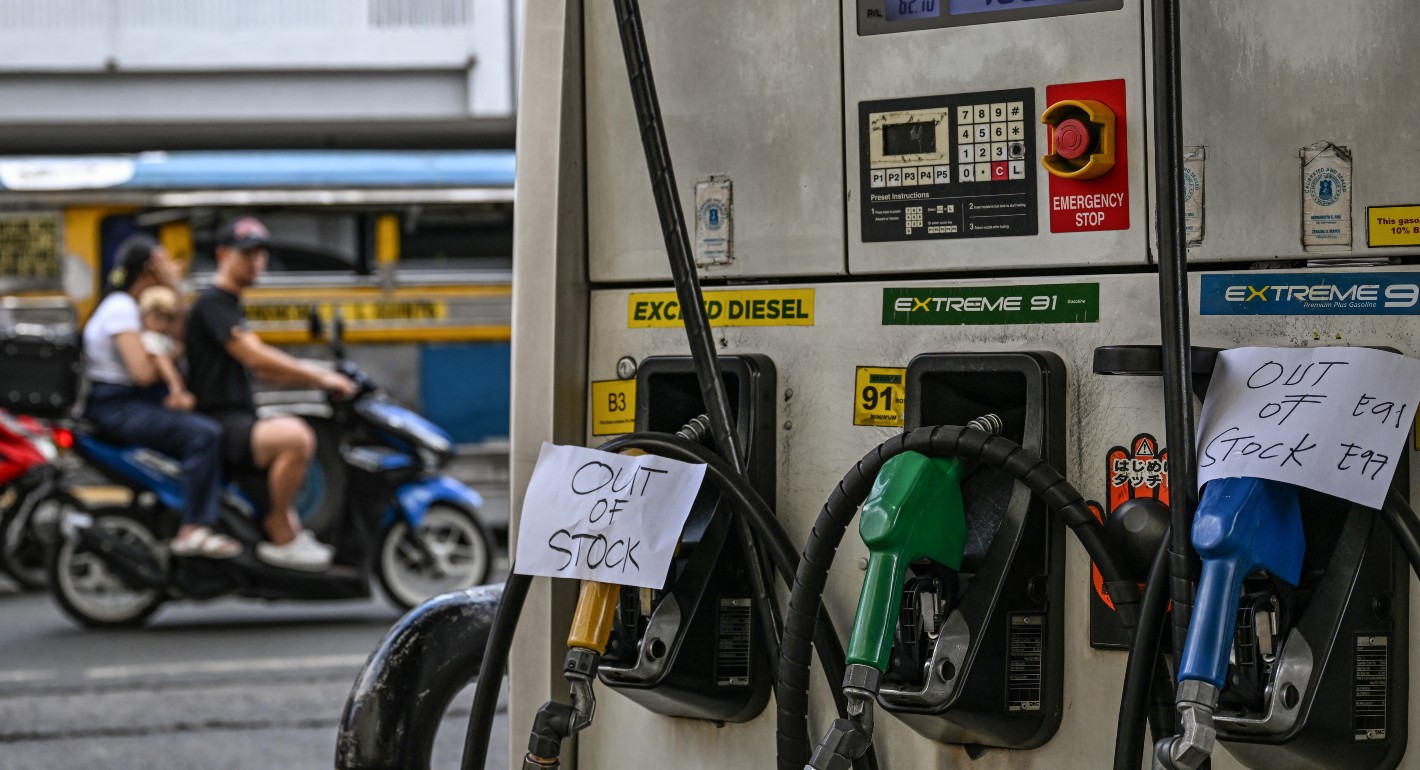
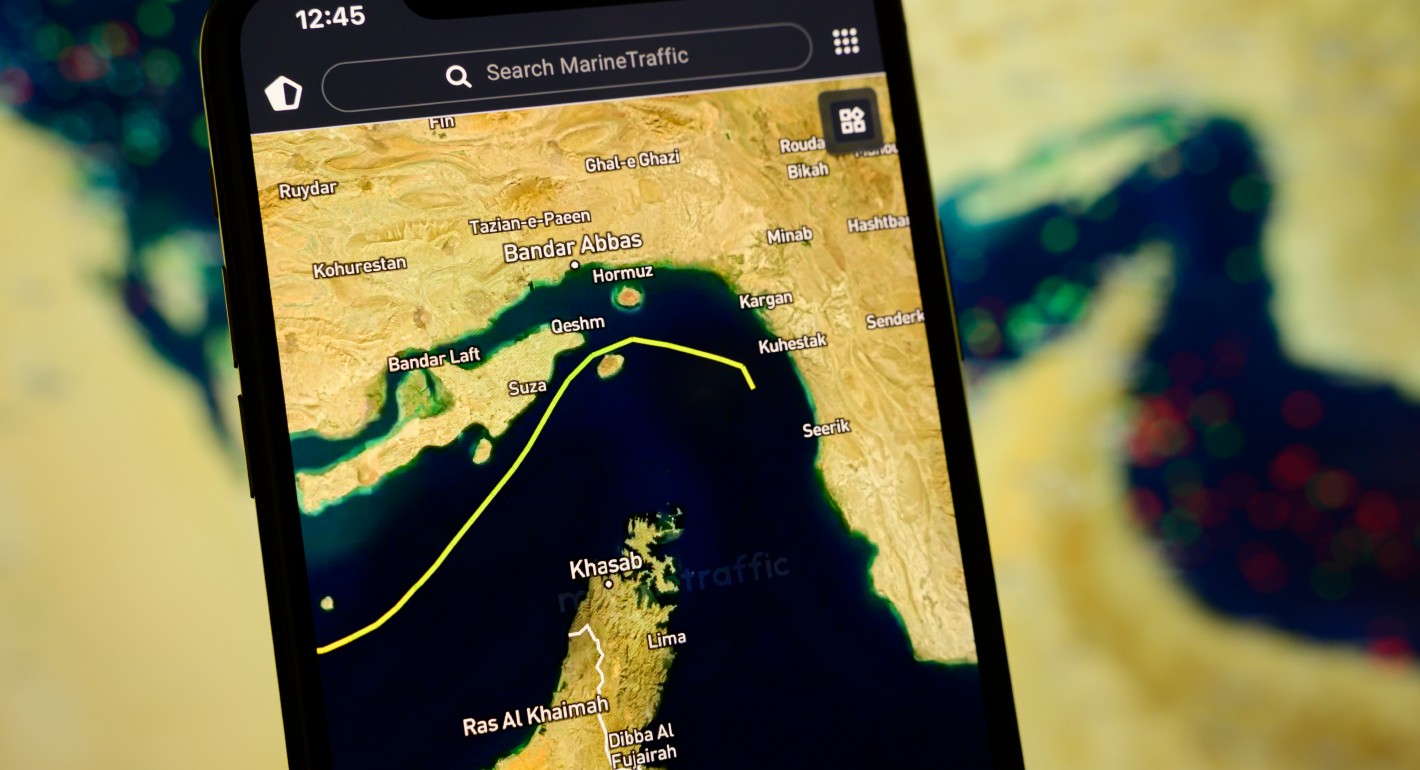
As the war between the United States, Israel, and Iran continues, Carnegie scholars contribute cutting-edge analysis on the events of the war and their wide-reaching implications. From the impact on Iran and its immediate neighbors to the responses from Gulf states to fuel and fertilizer shortages caused by the effective shutdown of the Strait of Hormuz, the war is reshaping Middle East alliances and creating shockwaves around the world. Carnegie experts analyze it all.
Source: Getty
Is Protectionism Dying?
Although World Trade Organization policies helped limit the increase in protectionist measures during the recent financial crisis, a mutually reinforcing set of legal and structural changes in the world economy played a larger role in keeping global markets open.
Despite a limited increase in the incidence of protectionist measures during the recent financial and economic crisis, the effects on global trade appear small—the world, remarkably, did not resort to protectionism. In addition to the concerted stimulus measures, financial rescues, and the strengthening of lender-of-last-resort facilities that restricted the duration and depth of the economic downturn, the World Trade Organization’s disciplines, enforceable through its dispute settlement mechanism, no doubt played an important role in staving off trade protection.
But this is only one part of the story. The increased resistance to protectionism is the result of a complex, mutually reinforcing set of legal and structural changes in the world economy that have made a return to protection more costly and disruptive and have established new vested interests in open markets.
These changes include:
- National disciplines: Along with autonomous liberalization and a generally robust rule of law in the largest trading countries—which improve the confidence of importers and exporters—national trade tribunals help prevent protectionism by providing a mechanism whereby individual firms can contest protectionist measures that impact their company. Many national governments have also developed explicit or implicit mechanisms for countering protectionism and ensuring that trade policy reflects the general interest.
- Regional and bilateral agreements: In addition to codifying further tariff reductions, regional trade agreements—now covering over half of world trade—contain provisions establishing dispute settlement mechanisms that parties can use to contest violations of the agreement and thereby defend against protectionism. Furthermore, such agreements have often established regular high-level dialogues on trade disputes, treaty implementation, and further liberalization, providing a mechanism for resolving serious violations of the agreement even if its formal juridical mechanisms are not utilized.
- “Facts on the ground”: The political resistance to backsliding on liberalization is stronger because trade has become more prevalent and inextricably woven into production and consumption patterns. The change in the political economy of protectionism is manifested in the increased interest of retailers and consumers in imports, the internationalization of production, and the rise of intrafirm trade. Limiting trade in any one sector not only hurts those consumers, retailers, and firms that depend on imports for inputs, but also has repercussions for firms that operate both vertically (within a sector) and horizontally (across sectors) that depend on complex global production chains.
In addition to good macroeconomic and social policies that limit the impact of economic downturns, ensuring an open and predictable trade policy requires a more realistic approach to trade negotiation that embraces plurilateral, bilateral, and regional processes. This, in turn, will maintain the momentum of change, creating more “facts on the ground.” For the World Trade Organization to remain relevant, it must view itself as the facilitator of all these processes and not exclusively as a forum for the exchange of multilateral concessions. Domestic mechanisms that require trade protection proposals to be examined transparently by broad constituencies will further guarantee a predictable trading regime. In an interconnected world, increased attention to trade facilitation is also needed to lower trade costs and consolidate the vested interest in and support for trade. These steps together will help to foster a liberal trading environment and prevent a future recourse to protectionism.
About the Authors
Former Senior Associate, International Economics Program
Dadush was a senior associate at the Carnegie Endowment for International Peace. He focuses on trends in the global economy and is currently tracking developments in the eurozone crisis.
Shimelse Ali
Rachel Esplin Odell
Former Nonresident Research Analyst, Asia Program
Odell is a nonresident research analyst in Carnegie’s Asia Program, where her research focuses on Chinese security studies, East Asian international relations, and U.S. strategy in the Asia-Pacific region.
Carnegie does not take institutional positions on public policy issues; the views represented herein are those of the author(s) and do not necessarily reflect the views of Carnegie, its staff, or its trustees.
More Work from Carnegie Endowment for International Peace
- The Iran War’s Global ReachCollection
- “It’s Not Like Turning a Switch On and Off”Commentary
Why the Iran ceasefire isn’t a quick fix to the Strait of Hormuz energy crisis.
Helima Croft, Aaron David Miller
- Southeast Asia’s Agency Amid the New Oil CrisisCommentary
There is no better time for the countries of Southeast Asia to reconsider their energy security than during this latest crisis.
Gita Wirjawan
- Fuel Crisis Forces Politically Perilous Trade-Offs in IndonesiaCommentary
As conflict in the Middle East drives up fuel costs across Asia, Indonesia faces difficult policy trade-offs over subsidies, inflation, and fiscal credibility. President Prabowo’s personalized governance style may make these hard choices even harder to navigate.
Sana Jaffrey
- In Its Iran War Debate, Washington Has Lost the Plot in AsiaCommentary
The United States ignores the region’s lived experience—and the tough political and social trade-offs the war has produced—at its peril.
Evan A. Feigenbaum