
• Research
  • Emissary
  • About
  • Experts
Carnegie Global logoCarnegie lettermark logo
DemocracyIran
  • Donate
{
  "authors": [
    "Milan Vaishnav",
    "Rachel Osnos"
  ],
  "type": "legacyinthemedia",
  "centerAffiliationAll": "dc",
  "centers": [
    "Carnegie Endowment for International Peace"
  ],
  "collections": [],
  "englishNewsletterAll": "ctw",
  "nonEnglishNewsletterAll": "",
  "primaryCenter": "Carnegie Endowment for International Peace",
  "programAffiliation": "SAP",
  "programs": [
    "South Asia"
  ],
  "projects": [],
  "regions": [
    "South Asia",
    "India"
  ],
  "topics": [
    "Technology"
  ]
}

Source: Getty

In The Media

Digital India? An Email Experiment with Indian Legislators

Burgeoning literature uses digital tools such as email to experimentally evaluate the responsiveness of political elites to requests for constituency service.

Link Copied
By Milan Vaishnav and Rachel Osnos
Published on Jul 8, 2019
Program mobile hero image

Program

South Asia

The South Asia Program informs policy debates relating to the region’s security, economy, and political development. From strategic competition in the Indo-Pacific to India’s internal dynamics and U.S. engagement with the region, the program offers in-depth, rigorous research and analysis on South Asia’s most critical challenges.

Learn More

Source: India Review

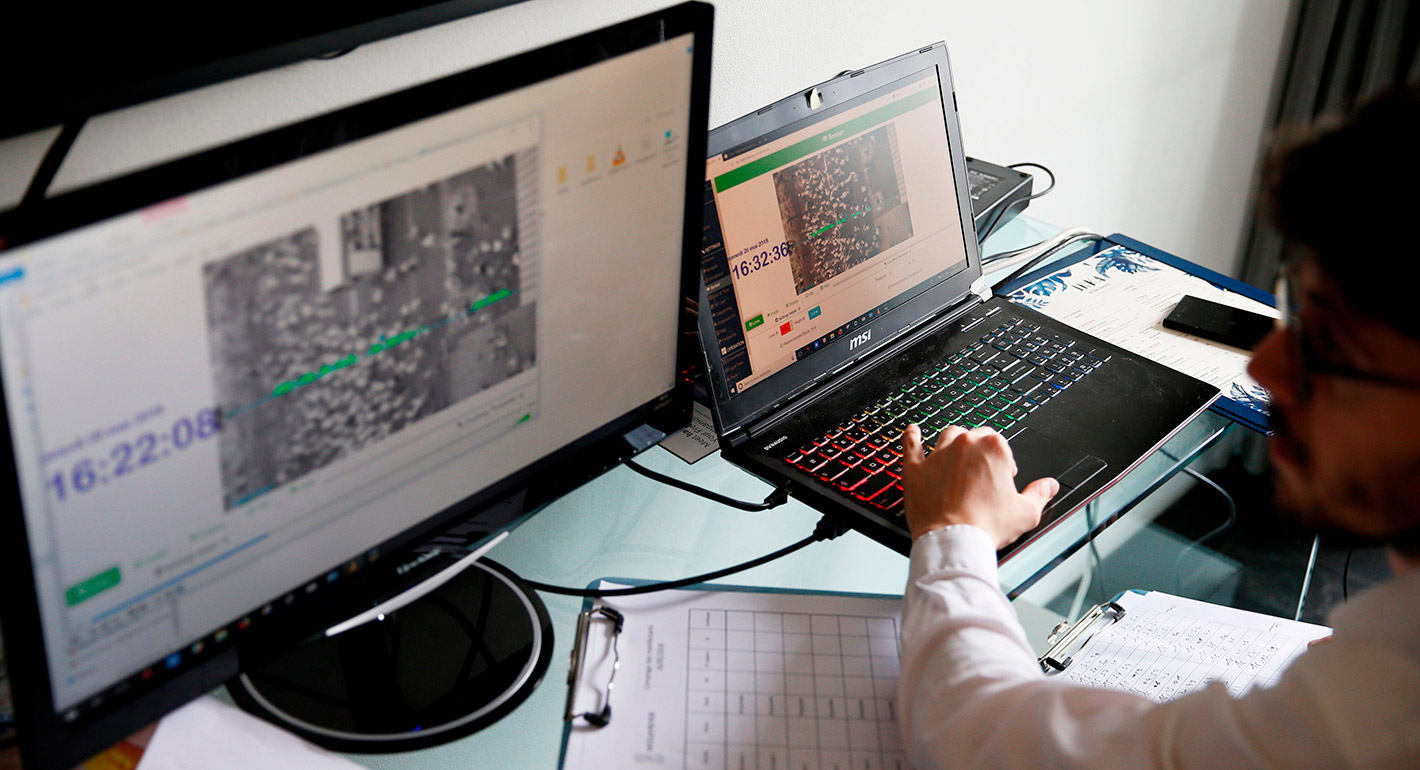
Of the many tasks elected representatives perform, constituency service is among the most difficult to observe and, therefore, to measure. However, a burgeoning literature uses digital tools such as email to experimentally evaluate the responsiveness of political elites to requests for constituency service. To date, this literature has overwhelmingly focused on the developed world. In this article, we describe the results of an email experiment in which we sent plausible, but fictitious constituency service requests to national legislators in India to evaluate their responsiveness, helpfulness, and possibly discriminatory behavior. While the overall response rate to our request is quite poor, those that do respond tend to offer “meaningful” responses. We find scant evidence of legislators discriminating on religious lines.

Read the Full Article

This article was originally published by the India Review.

About the Authors

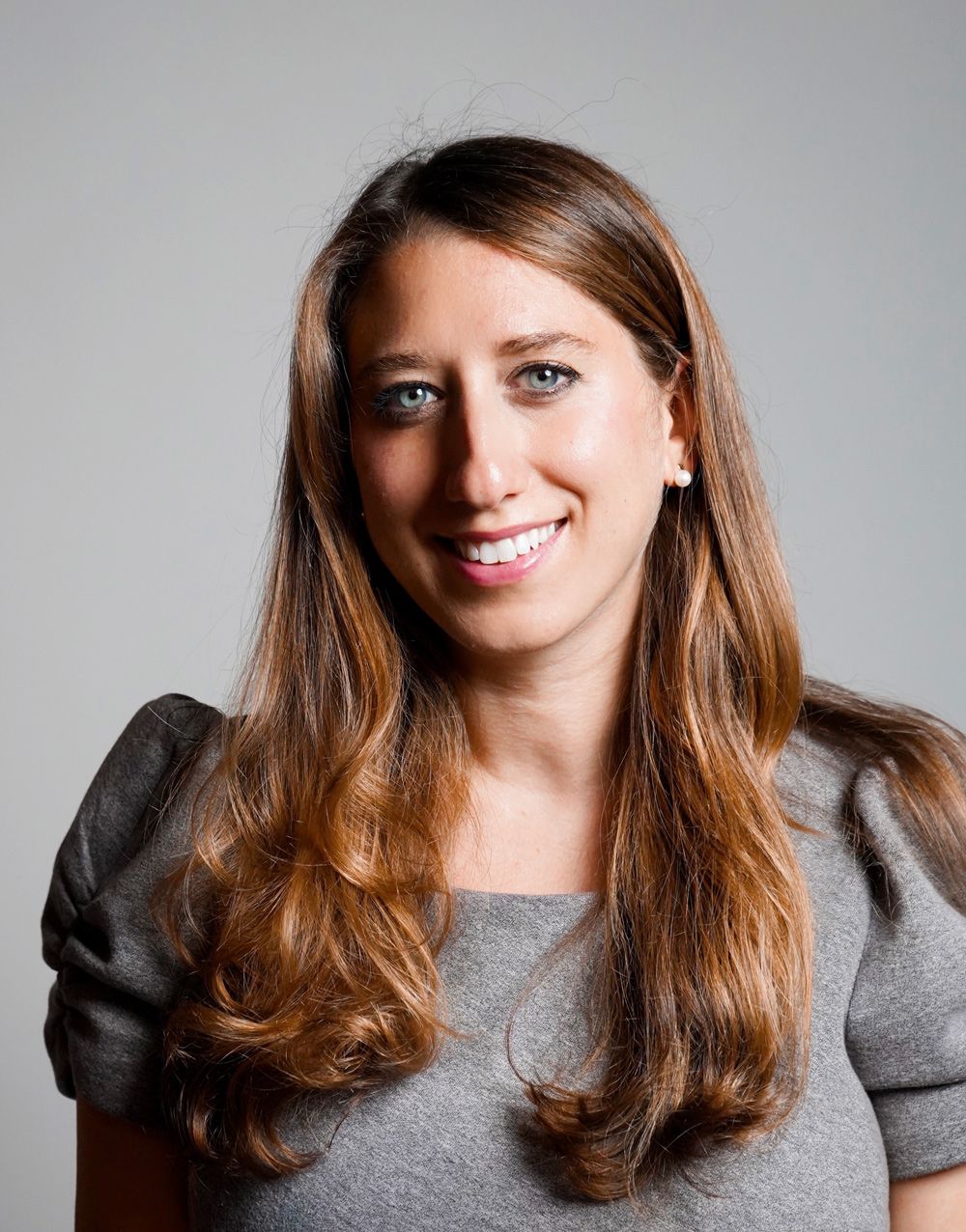
Milan Vaishnav

Director and Senior Fellow, South Asia Program

Milan Vaishnav is a senior fellow and director of the South Asia Program and the host of the Grand Tamasha podcast at the Carnegie Endowment for International Peace. His primary research focus is the political economy of India, and he examines issues such as corruption and governance, state capacity, federalism, and electoral behavior. He also conducts research on the Indian diaspora.

Rachel Osnos

Former Program Coordinator, South Asia Program

Authors

Milan Vaishnav
Director and Senior Fellow, South Asia Program
Milan Vaishnav
Rachel Osnos
Former Program Coordinator, South Asia Program
TechnologySouth AsiaIndia

Carnegie does not take institutional positions on public policy issues; the views represented herein are those of the author(s) and do not necessarily reflect the views of Carnegie, its staff, or its trustees.

More Work from Carnegie Endowment for International Peace

  • The Disruptive Politics of AI
    Research
    The Disruptive Politics of AI

    AI technology has proliferated extensively and offers authoritarian leaders three crucial advantages: scale, speed, and efficiency. As a result, it has undoubtedly become a crucial tool of repression. But AI tools also give individuals and activists the means to organize, resist, and hold their governments accountable. Today, it is far more difficult for autocratic leaders to hide their corrupt practices and govern in darkness.

      • Steve Feldstein

      Steve Feldstein, Shreya Joshi

  • Two men speaking
    Commentary
    Emissary
    Who Puts Guardrails on AI?

    Why governance of rapidly evolving technology will be distributed and complex.

      Stewart Patrick, Scott Singer

  • 2026 Carnegie California AI Survey
    Paper
    2026 Carnegie California AI Survey

    While there are notable demographic, economic, and geographic divides over AI, there is also substantial alignment between Republicans and Democrats.

      • Rachel George
      • +2

      Ian Klaus, Mark Baldassare, Rachel George, …

  • Army professional employing AI tech to improve military combat systems
    Commentary
    On Artificial Intelligence in the Military Domain and the Implications for Human Rights

    The world is at a critical inflection point, where a combination of ever more powerful AI systems, accelerating proliferation, and a corresponding norms vacuum is setting up a dangerous set of conditions.

      • Steve Feldstein

      Steve Feldstein

  • Two men sitting on a stage and speaking
    Commentary
    Emissary
    What Would Need to Happen to Slow AI Development?

    AI capabilities are moving fast. Most institutions—including governments—can’t keep up.

      • Anton Leicht

      Anton Leicht, Scott Singer

Get more news and analysis from
Carnegie Endowment for International Peace
Carnegie global logo, stacked
1779 Massachusetts Avenue NWWashington, DC, 20036-2103Phone: 202 483 7600
  • Research
  • Emissary
  • About
  • Experts
  • Donate
  • Programs
  • Events
  • Blogs
  • Podcasts
  • Contact
  • Annual Reports
  • Careers
  • Privacy
  • For Media
  • Government Resources
Get more news and analysis from
Carnegie Endowment for International Peace
© 2026 Carnegie Endowment for International Peace. All rights reserved.