

Commentary
As European leadership prepares for the sixteenth EU-India Summit, both sides must reckon with trade-offs in order to secure a mutually beneficial Free Trade Agreement.
Dinakar Peri
{
  "authors": [
    "Minxin Pei"
  ],
  "type": "legacyinthemedia",
  "centerAffiliationAll": "",
  "centers": [
    "Carnegie Endowment for International Peace"
  ],
  "collections": [],
  "englishNewsletterAll": "",
  "nonEnglishNewsletterAll": "",
  "primaryCenter": "Carnegie Endowment for International Peace",
  "programAffiliation": "",
  "programs": [
    "Asia"
  ],
  "projects": [],
  "regions": [
    "North America",
    "United States",
    "China"
  ],
  "topics": [
    "Political Reform",
    "Democracy",
    "Economy"
  ]
}
If foreign consumers — and their governments — believe that Chinese products are unfit for consumption and the Chinese government is not taking effective measures, they will curtail Chinese imports significantly. The “Made in China” label, now synonymous with low prices, could quickly lose its consumer appeal.
Source: Global Viewpoint

This proverbial act of “slaughtering a chicken to warn the monkeys” undoubtedly will have a short-term effect of restraining venal officials who populate the country’s creaky regulatory bureaucracies. Only the irredeemably greedy would tempt fate when the central government in Beijing, embarrassed by the intense international scrutiny of unsafe Chinese products, is waging a campaign against corrupt regulators in the food and drug industries.
But it is questionable whether a short-term campaign, China’s favored mode of policy implementation, can ensure the safety of Chinese products and restore public confidence. The challenges facing China are more than a few bad apples in its bureaucracy.
In terms of capacity, the country’s regulatory and inspection agencies are understaffed and ill-equipped to police a vast territory dotted by countless shady operations that thrive on producing fake or even dangerous goods for a quick yuan. Socially, the collapse of public morality and a get-rich-quick mindset pervasive among entrepreneurs have created a permissive milieu for anti-social behavior. Politically, the country’s half-finished reforms have resulted in many anomalies that further impede the enforcement of regulations.
Indeed, the scandals of tainted food and fake drugs vividly illustrate the limits of China’s current growth strategy and the perils of authoritarian crony capitalism. Since the early 1990s, the ruling Chinese Communist Party (CCP) has pursued a single-minded strategy that relies on rapid economic growth to maintain its legitimacy and power.
Based on its reading of the fall of the Soviet Union, the party has vowed not to repeat the two fatal mistakes responsible for the Soviet collapse: economic failure and democratic reforms. Consequently, the CCP greatly relaxed its control over economic activities but kept a tight grip on politics. True, this strategy has worked wonders for the CCP for more than a decade. With the quadrupling of its economy, the country has become the world’s fourth-largest economy and the third-largest exporter. The CCP has also remained securely in power.
However, this strategy has huge delayed costs. While it has boosted economic growth, it also has stunted the growth of the rule of law, press freedom and civil society (all of which are viewed by the ruling party as threats to its political supremacy). The obsession with social stability, a code word for political survival, has significantly weakened the government’s capacity to regulate a far more dynamic, diverse and complex economy, and to police its own agents, who have enormous power but are not accountable to the public.
To make matters worse, the Leninist party-state governance model, in which the ruling party maintains a parallel organization within all state bureaucracies, gives too much power to local party bosses and deprives key regulatory institutions their autonomy. Thus, on paper, China boasts numerous laws and regulations designed to make its food, drugs and consumer products safer. The country’s regulatory agencies may also have impressive nominal power and mandate. But in reality, such regulatory agencies are ineffective since their key personnel are all appointed by the local CCP organizations and are, naturally, beholden to the interests of local party chiefs.
This situation creates two conflicts. Institutionally, a regulatory agency is tasked to ensure product safety, but a local party chief cares more about local economic growth, on which he depends for his promotion (just as the CCP relies on economic performance for its legitimacy).
So the local party boss would understandably be more permissive in allowing firms — taxpayers and job creators — in his jurisdiction to engage in activities that regulators regard as harmful, such as environmental pollution and production of unsafe or fake products. Given the unequal political power between the local party boss and the regulators, the party boss usually gets his way.
The second conflict arises when the local party boss personally benefits from such shady economic activities. To seek protection, Chinese entrepreneurs bribe their local officials with money and equity stakes in their companies. As a result, firms producing harmful products become untouchable for local regulators.
With an independent judiciary, a vibrant civil society and a free media, China could have contained such ills of crony capitalism. Nothing is more effective in fighting systemic corruption than transparency, public opinion and an impartial third-party enforcer. Unfortunately, China does not have these institutional and social assets because the CCP views them as threats to its survival.
It is time for Chinese leaders to jettison such old thinking. Without reforming the Leninist party-state governance model, China will unlikely develop effective regulatory regimes compatible with its new economic and social conditions. As China’s presence pervades the global economy and Chinese exports account for a large share of the world’s consumer-products market, failure to clean house at home will have serious consequences that could ultimately imperil the CCP’s survival strategy.
If foreign consumers — and their governments — believe that Chinese products are unfit for consumption and the Chinese government is not taking effective measures, they will curtail Chinese imports significantly. The “Made in China” label, now synonymous with low prices, could quickly lose its consumer appeal.
Responding to market pressure and reducing reputational risks, Western firms with manufacturing operations will likely shift their investments to countries with better safety and quality controls. Since foreign trade now accounts for more than two-thirds of China’s economy, such developments could have a devastating impact on the country’s export sectors and hurt economic growth.
The choice for Beijing is clear: Short-term fixes, such as making examples of a few corrupt officials, cannot solve China’s food safety problem. To regain the confidence of the consumers of Chinese products, it must demonstrate sustained political commitment and undertake many of the institutional reforms it has resisted for years.
This article was originally published in Global Viewpoint, distributed by Tribune Media Services
Carnegie does not take institutional positions on public policy issues; the views represented herein are those of the author(s) and do not necessarily reflect the views of Carnegie, its staff, or its trustees.
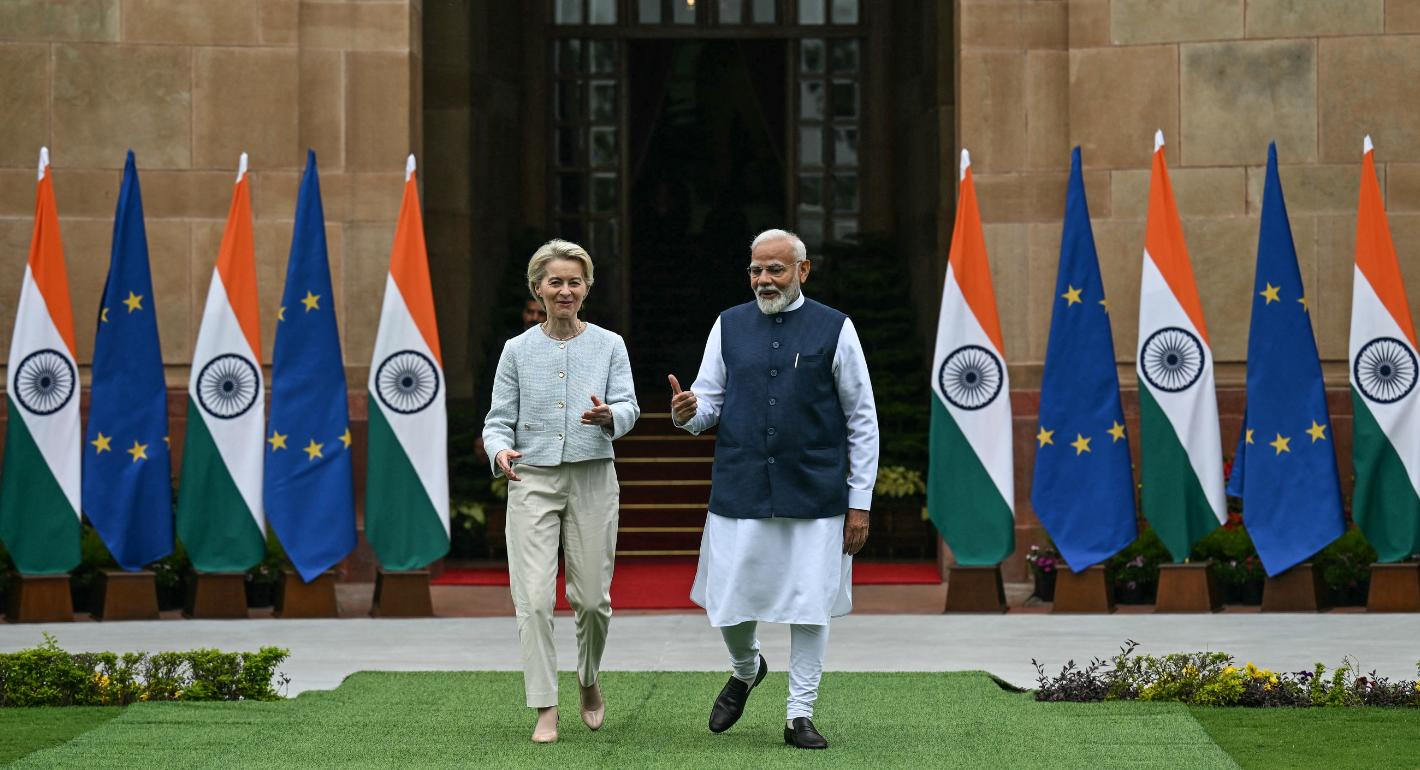
As European leadership prepares for the sixteenth EU-India Summit, both sides must reckon with trade-offs in order to secure a mutually beneficial Free Trade Agreement.

Dinakar Peri
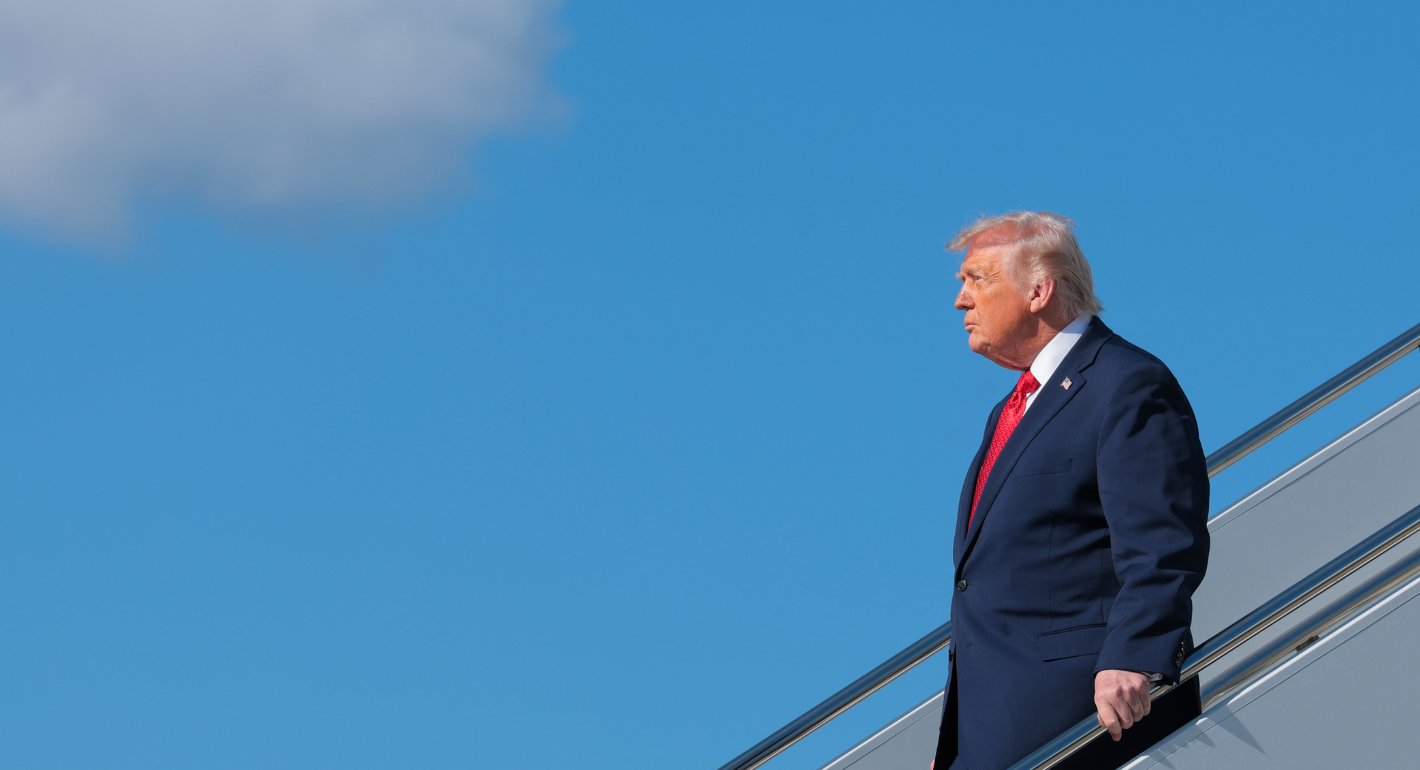
The hyper-personalized new version of global sphere-of-influence politics that Donald Trump wants will fail, as it did for Russia. In the meantime, Europe must still deal with a disruptive former ally determined to break the rules.

Thomas de Waal
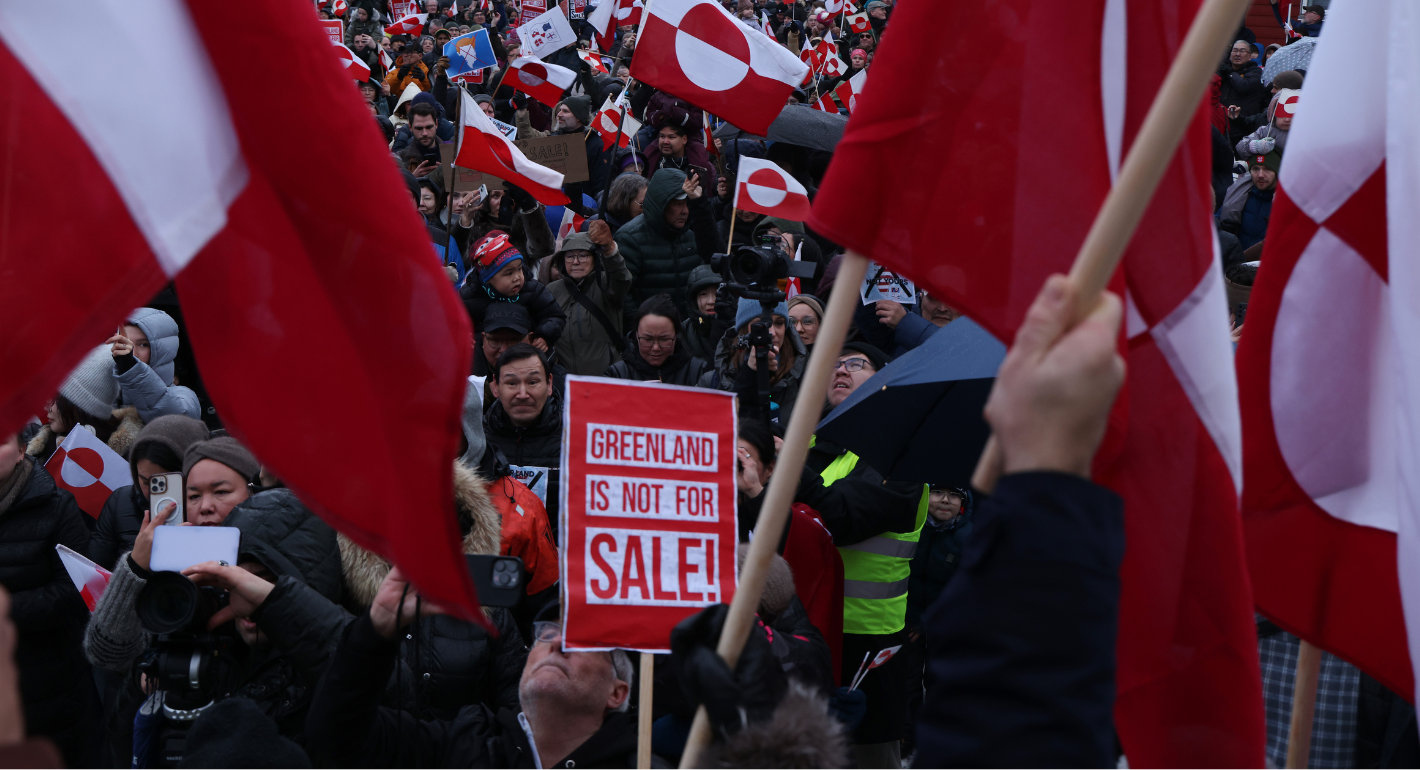
Between Greenland and U.S. interference in Europe’s democracies, transatlantic relations risk rising to an unprecedented level of crisis. Amid continued arguments on how Brussels should react, tough times lie ahead for European leaders.

Marc Pierini
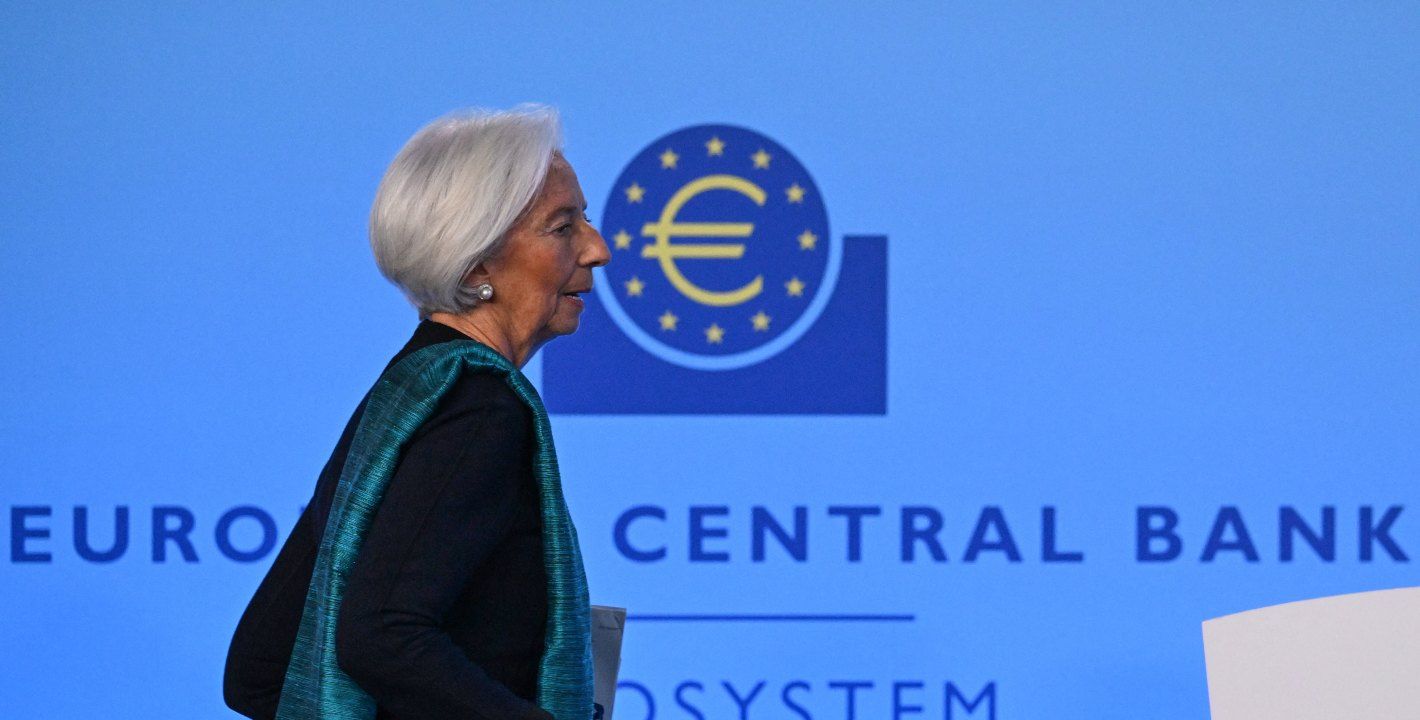
2026 has started in crisis, as the actions of unpredictable leaders shape an increasingly volatile global environment. To shift from crisis response to strategic foresight, what under-the-radar issues should the EU prepare for in the coming year?
Thomas de Waal
Europe is designing a new model of collective security that no longer relies on the United States. For this effort to succeed, solidarity between member states that have different threat perceptions is vital.

Erik Jones