

Commentary
The EU lacks leadership and strategic planning in the South Caucasus, while the United States is leading the charge. To secure its geopolitical interests, Brussels must invest in new connectivity for the region.
Zaur Shiriyev
{
  "authors": [
    "Igor Ivanov",
    "Wolfgang Ischinger",
    "Sam Nunn"
  ],
  "type": "legacyinthemedia",
  "centerAffiliationAll": "",
  "centers": [
    "Carnegie Endowment for International Peace",
    "Carnegie Europe"
  ],
  "collections": [],
  "englishNewsletterAll": "",
  "nonEnglishNewsletterAll": "",
  "primaryCenter": "Carnegie Endowment for International Peace",
  "programAffiliation": "",
  "programs": [],
  "projects": [],
  "regions": [],
  "topics": [
    "Foreign Policy",
    "Nuclear Policy"
  ]
}
Source: Getty
In response to the challenges facing the region, the Euro-Atlantic Security Initiative—an international commission to build the intellectual framework for an inclusive transatlantic security system for the 21st century—has been launched.
Source: EuropeanVoice.com

Over the intervening years this moment never arrived, but neither has the hope died. This month, the three of us will launch an international commission to build the intellectual framework for an inclusive transatlantic security system for the 21st century – the Euro-Atlantic Security Initiative (EASI) – devised and formed by the Carnegie Endowment for International Peace.
The events of 1989, stunning and wondrous as they still seem, remind us of how much remains undone, and how important it is to bring fresh thinking to the core questions: What does European security mean in our day? What are the key challenges to it? How can existing structures, principles, and institutions be reconciled and strengthened to meet these challenges? What must be added or changed? Nested within these fundamental questions are the many common perils facing all of our countries – from the spread of weapons of mass destruction to the instability created by the unresolved conflicts that dot the continent; from the threat of terrorism to the uncertainties of climate change and the frictions surrounding the stable supply of energy.
These are not questions for tomorrow. Unaddressed they virtually guarantee that the core tension between Russia and the West will remain – and constantly at risk of worsening. The uncertainties surrounding Europe's unfinished security agenda – uncertainties sharply focused by the events of the last two years – not only leave important parts of Europe insecure and capable of generating trouble for all, but they seriously impede progress on the day's most urgent problems.
There will be less success in controlling, let alone eliminating nuclear weapons, if either Russia or key NATO states are on edge over security arrangements in this crucial region. Progress on climate change will be slow unless those countries most important to a solution have a broad stake in cooperation. Co-operation in dealing with the turbulent areas of the world has slim prospects, if co-operation does not prevail in the case of Europe's own trouble spots. And the list goes on.
To address these questions afresh, in the hope of finding substantial common ground, the commission will look comprehensively at the full range of security challenges facing our countries, assess the capacity of existing institutions to cope with them, and recommend steps by which the great swathe of nations from the Atlantic to the Urals could be transformed into a genuinely common security space. The aim must be a community of nations where all generally agree on the security threats they confront, believe co-operation is crucial in coping with them, and work seriously to overcome the obstacles to it.
We know this will not be easy. The security challenges facing our countries are many, diverse, and difficult, and our differences in defining and addressing them are considerable. The accumulation of past disappointments, enduring suspicions, and damaging misperceptions weighs heavily. Thinking small, however, will get us nowhere. Hence, without losing sight of Europe's realities, we intend to approach the task by conceiving of security broadly: a domain encompassing not only the traditional threats to national peace of mind, but new sources of unease, including energy and environmental insecurity. Determining how these new and old threats relate to one another, and then how best to integrate the response to them stands as a key challenge for the Commission.
The starting points
Our starting points, we well understand, are the hard, unanswered questions of the moment: What is the path to greater security for those countries standing outside the continent's existing security institutions? How can tension-filled relationships, such as that between Russia and Georgia be eased and set on a more constructive course? What could be the elements of a more comprehensive European security architecture? And how can Europe's existing institutional framework including NATO and the OSCE as well as more recently created organizations, such as the Collective Security Treaty Organisation, be enhanced to deal more effectively with the immediate threats of nuclear proliferation, terrorism, the conflict over resources, the flow of narcotics, duelling pipeline projects, and the tattered state of conventional arms control?
We do not pretend to be able to answer all of these questions, so we are all the more eager to co-operate with others who intend to address various elements of this formidable agenda. Nor do we start from the assumption that an improved security environment in Europe can or should be predicated on a major recasting of institutions, including the European Union and NATO. But we are convinced that we will all benefit if our nations can find ways to give traditional forms of security cooperation the added underpinning of a vibrant common economic space, across which goods and services, including oil and gas, capital, people, and ideas, can freely flow.
Carnegie does not take institutional positions on public policy issues; the views represented herein are those of the author(s) and do not necessarily reflect the views of Carnegie, its staff, or its trustees.
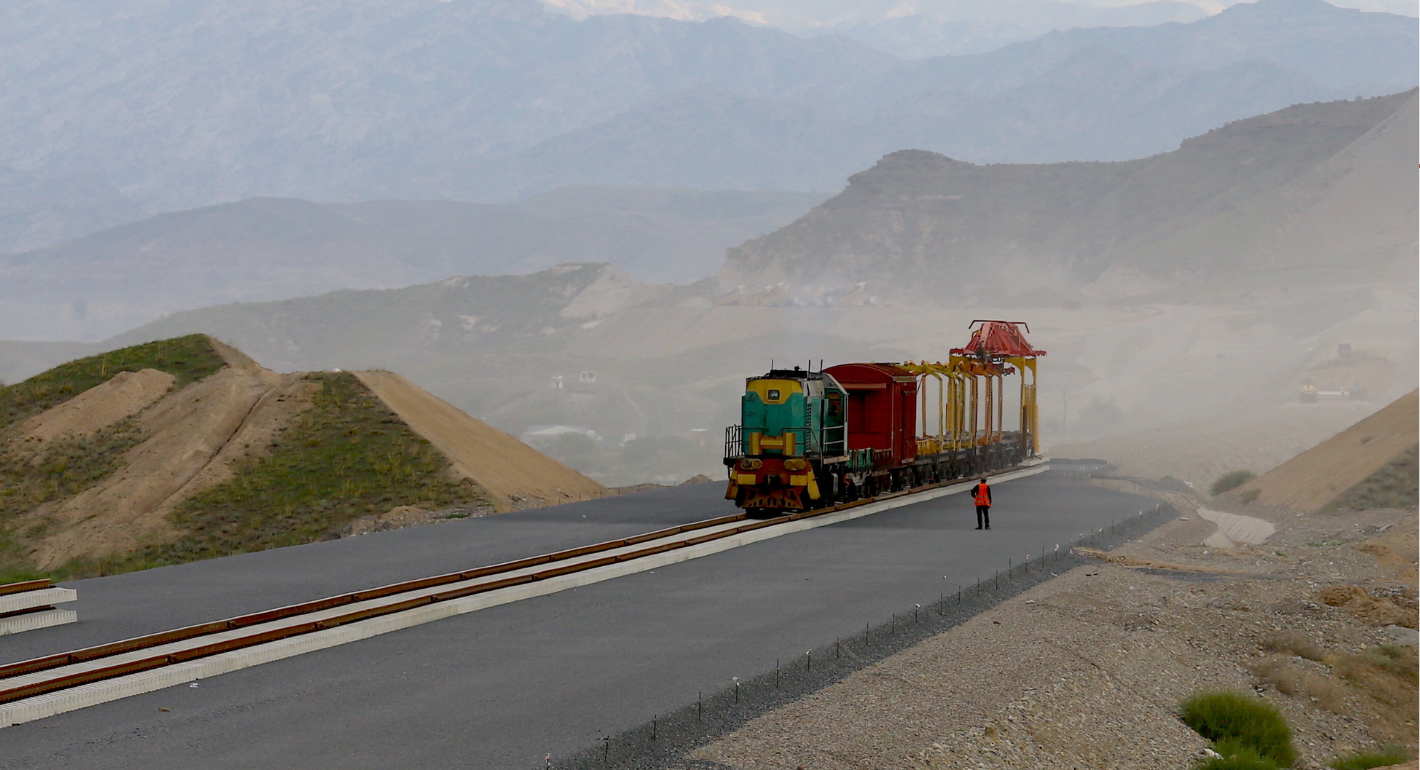
The EU lacks leadership and strategic planning in the South Caucasus, while the United States is leading the charge. To secure its geopolitical interests, Brussels must invest in new connectivity for the region.
Zaur Shiriyev
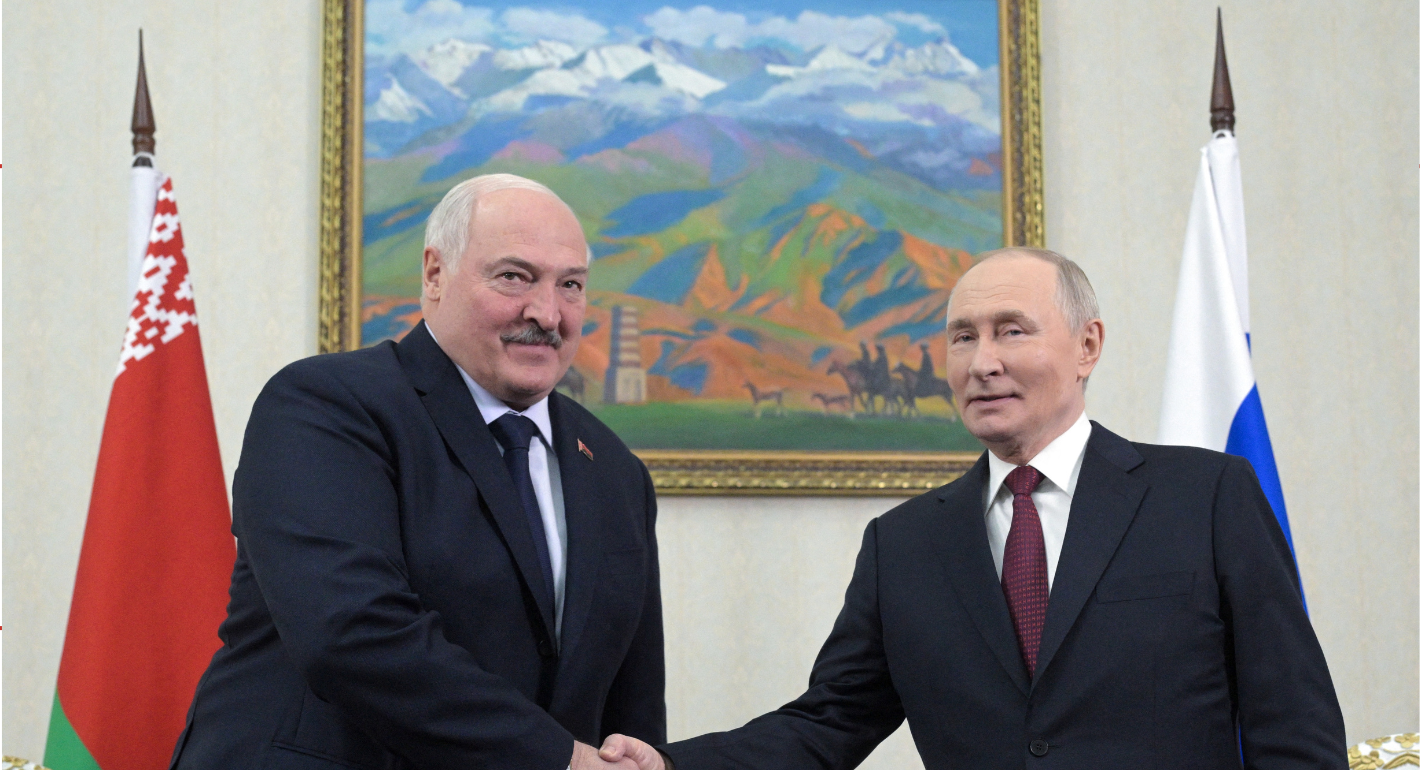
In return for a trade deal and the release of political prisoners, the United States has lifted sanctions on Belarus, breaking the previous Western policy consensus. Should Europeans follow suit, using their leverage to extract concessions from Lukashenko, or continue to isolate a key Kremlin ally?

Thomas de Waal, ed.
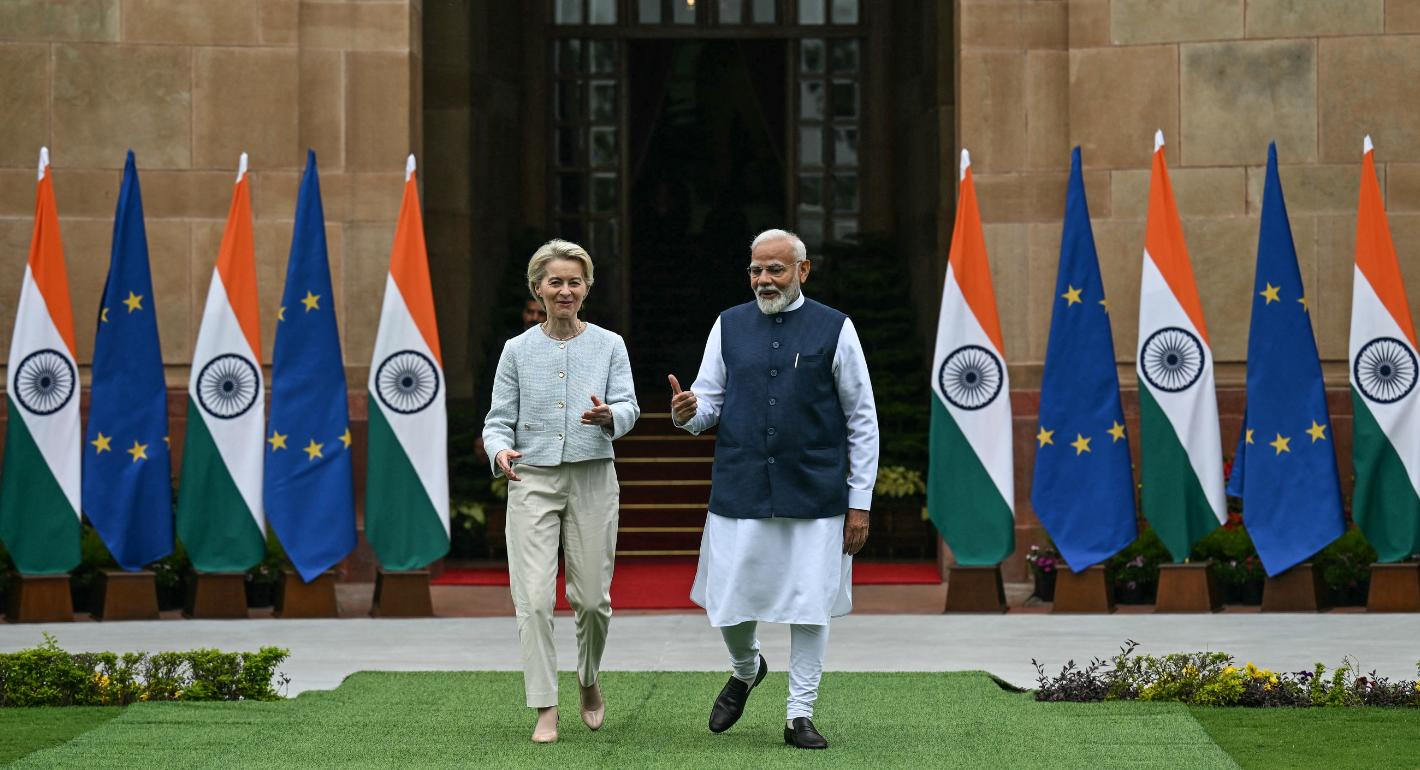
As European leadership prepares for the sixteenth EU-India Summit, both sides must reckon with trade-offs in order to secure a mutually beneficial Free Trade Agreement.

Dinakar Peri
Carnegie scholars examine the crucial elements of a document that’s radically different than its predecessors.



James M. Acton, Saskia Brechenmacher, Cecily Brewer, …

The hyper-personalized new version of global sphere-of-influence politics that Donald Trump wants will fail, as it did for Russia. In the meantime, Europe must still deal with a disruptive former ally determined to break the rules.
Thomas de Waal