

Commentary
As European leadership prepares for the sixteenth EU-India Summit, both sides must reckon with trade-offs in order to secure a mutually beneficial Free Trade Agreement.
Dinakar Peri
{
  "authors": [
    "Michael Pettis"
  ],
  "type": "legacyinthemedia",
  "centerAffiliationAll": "",
  "centers": [
    "Carnegie Endowment for International Peace",
    "Carnegie China"
  ],
  "collections": [
    "China’s Foreign Relations"
  ],
  "englishNewsletterAll": "",
  "nonEnglishNewsletterAll": "",
  "primaryCenter": "Carnegie China",
  "programAffiliation": "",
  "programs": [
    "Asia"
  ],
  "projects": [],
  "regions": [
    "East Asia",
    "China"
  ],
  "topics": [
    "Economy"
  ]
}
In China, growth, especially in the past decade, was heavily subsidized by hidden transfers from the household sector in the form of an undervalued currency, low wage growth, and most importantly, low interest rates.
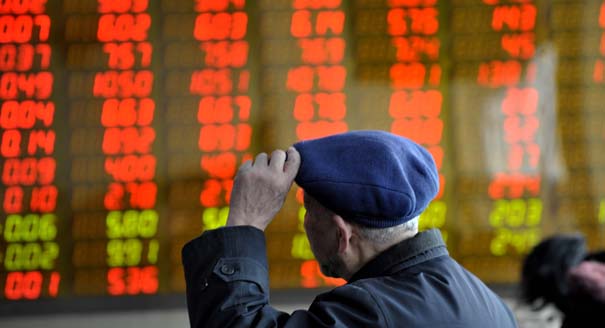
Source: Wall Street Journal
Opinion on the outlook for China’s economy is sharply divided. China bulls believe that, with reform, China has another decade or more of rapid growth ahead of it. The bears maintain that imbalances are so great that a sharp slowdown in the next few years is inevitable.
Few have done more to shape the bear case than Michael Pettis, a professor of finance at Peking University. In his new book, “The Great Rebalancing: Trade, Conflict, and the Perilous Road Ahead for the World Economy,” Mr. Pettis makes the case for why China is about to run out of steam.
China Real Time caught up with Mr. Pettis and threatened to pay him a below-inflation return on his savings unless he answered our eight questions.
We tend mistakenly to think of national savings rates in terms of cultural stereotypes. Aside from demographics, which change slowly, however, there are three things that mainly determine a country’s savings rates:
Most important is the GDP share of household income – the higher it is, the lower the national savings rate tends to be. Second is the amount of income inequality, with more unequal societies generally saving more. Third is the willingness to finance consumption with credit, which is itself determined largely by perceived changes in household wealth.
Any policy or condition that affects one or more of these factors will have an automatic impact on the national savings rate, and through that, on its current account and the current account of the rest of the world.
In China, growth, especially in the past decade, was heavily subsidized by hidden transfers from the household sector in the form of an undervalued currency, low wage growth, and most importantly, low interest rates. While this spurred rapid GDP growth, it caused the household share of that growth to collapse. It is no coincidence that the national savings rate surged at the same time.
Germany did something broadly similar at the beginning of the century, when an agreement between labor, business and the government restrained wage growth in order to boost employment. Right after that, the German savings rate soared while the savings rates of peripheral Europe collapsed. Again, this wasn’t merely coincidence.
In China, household income is an extraordinarily low share of GDP, so naturally its savings rate is extraordinarily high, higher even than its extremely high investment rate. Since savings and investment must balance globally, this has automatic implications for the relationship in the U.S. between savings and investment. The balance of payments, after all, must balance.
Yes. In fact, throughout modern history savings and trade imbalances have been at the heart of most global financial crises. When domestic distortions force up or down a country’s savings rate, the impact on the trade account is of course matched by an opposite impact on the capital account and the result is a distortion in national balance sheets. A financial crisis is always a balance sheet crisis.
No, because the current account surplus did not shrink as a consequence of reduced savings, which is what is urgently needed in China. It shrank as a consequence of a surge in investment. The Chinese savings rate actually increased during this time. China’s trade surplus, in other words, did not decline because the country suddenly rebalanced. It declined because the rest of the world went into crisis and external demand collapsed. China was forced to choose between a surge in unemployment and a surge in investment, and for better or worse it chose the latter. This is why the current account contracted.
China now has rising wages, rising real interest rates and a stronger yuan – do these address the underlying problem of China’s high savings rate?
Yes they do, although this combination was only effective in the first half of 2012. Since then it has been partially reversed. This is why growth slowed sharply in the first half of 2012, only to surge again after the formal and informal banking systems were allowed to expand so dramatically in response to the slower growth.
It is not so much a lesson as a warning. Brazil’s miracle growth of the 1960s and 1970s was sustainable at first, but over the years, as always happens in similar cases, it became increasingly depended on debt-financed mal-investment. The result of many years of debt growing faster than Brazil’s debt-servicing capacity was an unsustainable debt burden, which ultimately left the country with the “lost decade” of the 1980s.
This is a common story, by the way. It seems to have happened many times during the last 100 years. Every example that I can find of a country that sustained an investment-led growth miracle ended with a debt crisis, a lost decade of slow growth, or both.
Yes, I expect average growth rates over the next decade to drop sharply as China either chooses, or is forced by debt, to rebalance, but the pace depends on how quickly Beijing is able to consolidate power and impose the reforms it knows it must. If the leadership is successful in doing so quickly, I expect growth to drop to around 7% in 2013 and 5-6% in 2014. If not, I expect growth of around 8% in 2013. Growth in 2014 will then depend on how shaky the banking system will have become.
This article was originally published by the Wall Street Journal.
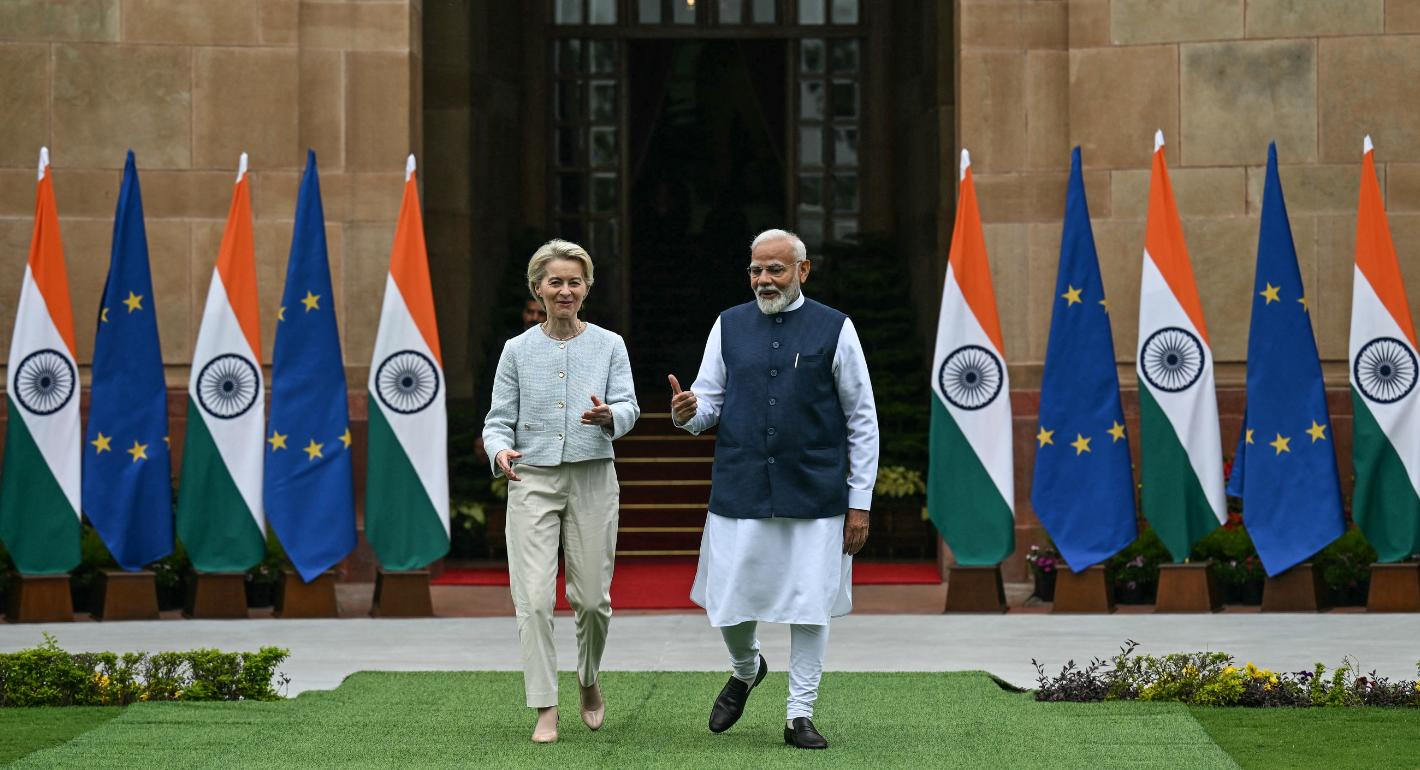
As European leadership prepares for the sixteenth EU-India Summit, both sides must reckon with trade-offs in order to secure a mutually beneficial Free Trade Agreement.

Dinakar Peri
2026 has started in crisis, as the actions of unpredictable leaders shape an increasingly volatile global environment. To shift from crisis response to strategic foresight, what under-the-radar issues should the EU prepare for in the coming year?

Thomas de Waal

Beset by an increasingly hostile United States, internal divisions, and the threat of Russian aggression, the EU finds itself in a make-or-break moment. U.S. President Donald Trump calls it a decaying group of nations headed by weak leaders. Is Europe able to prove him wrong?
Thomas de Waal

Hard-line approaches to asylum policy are increasingly common, with crackdowns proposed even by parties that traditionally hold liberal views on migration. Does this shift represent a break with Europe’s fundamental values?
Thomas de Waal
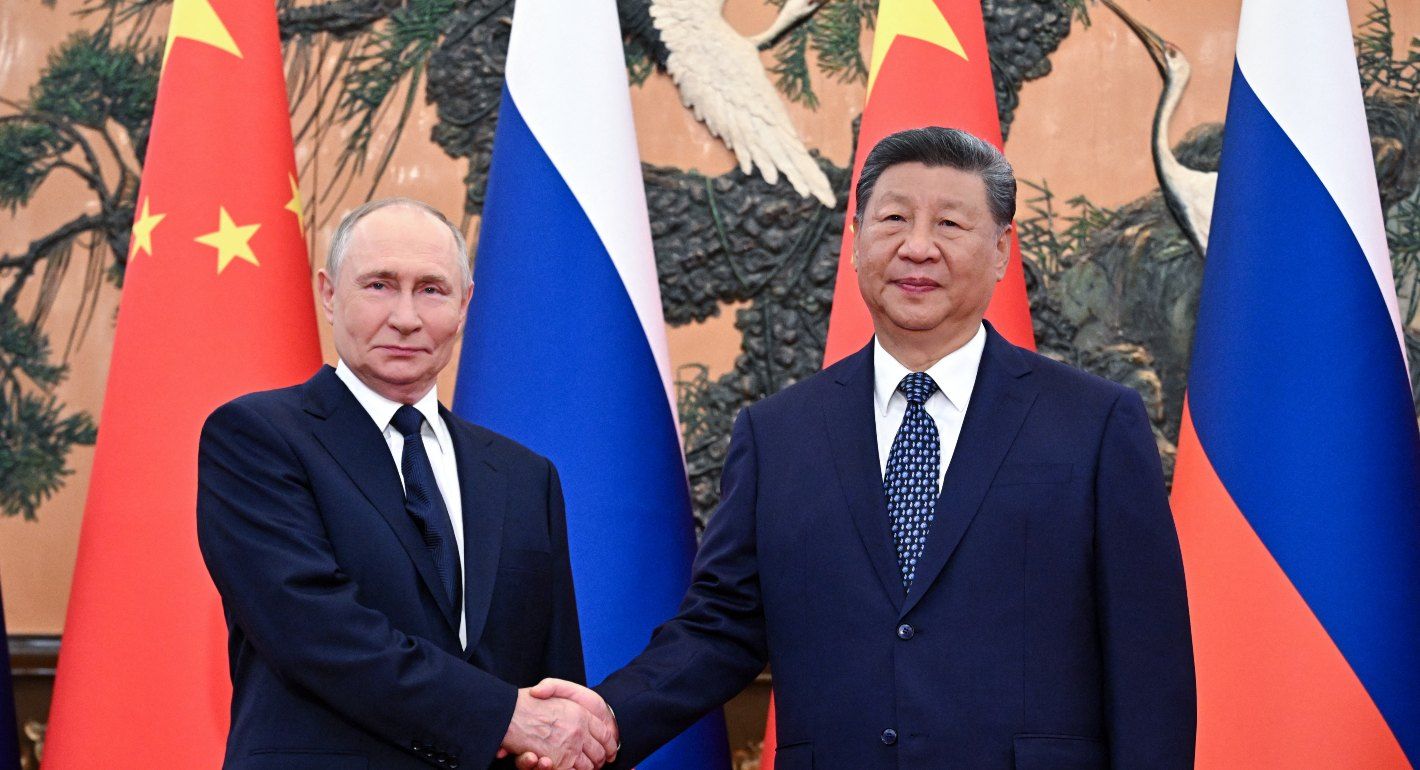
China plays an increasingly active role in the Kremlin’s hybrid war against Europe. The EU must confront this growing China-Russia cooperation, as it poses grave threats to both European security and economic resilience.

Maksym Beznosiuk