• Research
  • Strategic Europe
  • About
  • Experts
Carnegie Europe logoCarnegie lettermark logo
EUUkraine
  • Donate
{
  "authors": [
    "Tedo Japaridze"
  ],
  "type": "commentary",
  "centerAffiliationAll": "",
  "centers": [
    "Carnegie Endowment for International Peace",
    "Carnegie Russia Eurasia Center"
  ],
  "collections": [],
  "englishNewsletterAll": "",
  "nonEnglishNewsletterAll": "",
  "primaryCenter": "Carnegie Russia Eurasia Center",
  "programAffiliation": "",
  "programs": [],
  "projects": [],
  "regions": [],
  "topics": []
}
Commentary
Carnegie Russia Eurasia Center

Evaluating the G8

There is a wide scope for policy coordination amongst the leading economic and military powers on a global level. In this sense, the “G8 plus Five” format maybe more relevant at this point in time, given a “transition” in global governance.

Link Copied
By Tedo Japaridze
Published on Jun 20, 2013

Evaluating the relevance of a forum that has been running in various formats since 1975 is no easy task. The G8 is a flexible and contextually sensitive forum for policy coordination that is simply unmatched. The cataclysmic effects following September 2008, or indeed September 2001, indicate that there is an ever wider scope for policy coordination amongst the leading economic and military powers on a global level. In this sense, the “G8 plus Five” format maybe more relevant at this point in time, given a “transition” in global governance. In sum, there is scope for a review.

In terms of process, as in every institution, traditions are binding. The prolonged participation of several EU nations within this planetary Board of Directors is in-itself an expression of the deepest causes of the European crisis. Moreover, G8 Summits reflect a post-Cold War reality, which is clearly not adequate when discussing global monetary affairs or indeed trade in the 21st century. However, the group’s outreach practices mitigate this phenomenon, although it is clear that the agenda setting role is something that emerging global actors will be seeking to renegotiate in the years to come. Indeed, the G8 Plus format probably engulfs the key stakeholders in global governance, in a forum that is of course no substitute for institutionalized and protocol rigid international organizations, such as the World Bank, the International Monetary Fund and the United Nations.

In terms of actual deliberation, it is clear that the G8 format brings together states that have a long history of interaction and “a feel” for each other’s diplomatic culture. Conversely, the G8 Plus format brings together states that do not necessarily share a common worldview. Nonetheless, states currently pursuing an “open vector” diplomacy and claim for themselves an augmented role given the cataclysmic redistribution of wealth and military capabilities over the last two decades, feel at home in a multilateral environment with the flexibility of bilateral diplomacy. Russia is amongst these states, with a clear drive to restore its former global clout but without a clear vision of how global policy coordination fits into this objective. For specific visions, or projects, such as the revitalization of the ancient Silk Road, what is required is specific commitment and constructive coordination with a regional agenda and of course foresight.

It is clear that the G8 seems to have a reactive agenda orientation, geared towards crisis management. However, as global governance is becoming more complex, developing a long term agenda might be constructive in restoring what is actually missed from the days of the Cold War, that is, a sense of effective predictability even if in former times this was based on a balance of terror.  For a country caught in-between the “Greater Middle East” and the “Greater Caucasus” this is an obvious national concern, but arguably, of global relevance. If there is a transition in global governance, it is best if it were managed rather than renegotiated through “blood and iron.”

Tedo Japaridze is chairman of the Committee on Foreign Relations in the Parliament of Georgia.

Tedo Japaridze
Member, Georgian parliament

Carnegie does not take institutional positions on public policy issues; the views represented herein are those of the author(s) and do not necessarily reflect the views of Carnegie, its staff, or its trustees.

More Work from Carnegie Europe

  • Commentary
    Strategic Europe
    New Tricks and AI Tools in Hungary’s High-Stakes Election

    Hungarian Prime Minister Viktor Orbán faces his most serious challenge yet in the April 2026 parliamentary elections. All of Europe should monitor the Fidesz campaign: It will use unprecedented methods of electoral manipulation to secure victory and maintain power.

      Zsuzsanna Szelényi
  • Commentary
    Strategic Europe
    The EU and India in Tandem

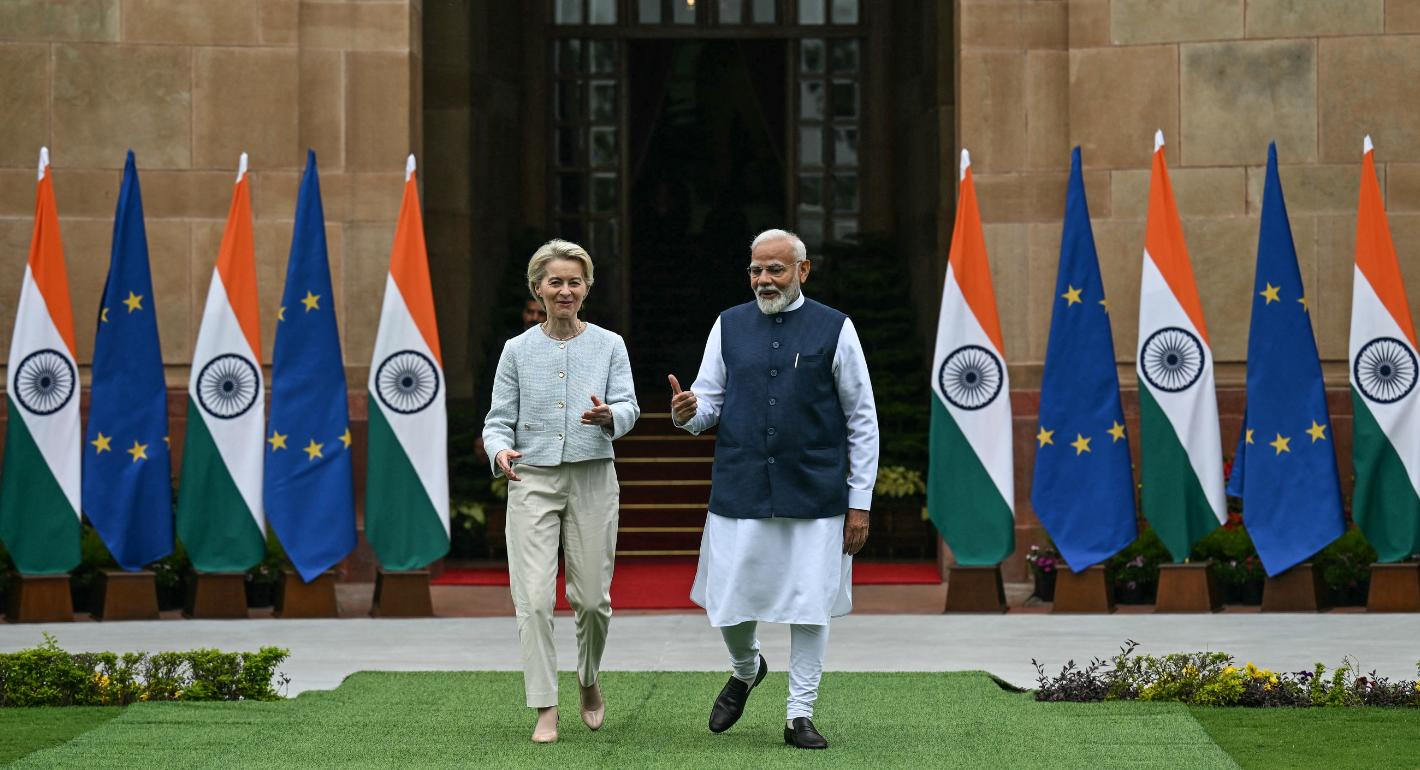
    As European leadership prepares for the sixteenth EU-India Summit, both sides must reckon with trade-offs in order to secure a mutually beneficial Free Trade Agreement.

      Dinakar Peri

  • Trump speaking to a room of reporters
    Commentary
    Emissary
    Unpacking Trump’s National Security Strategy

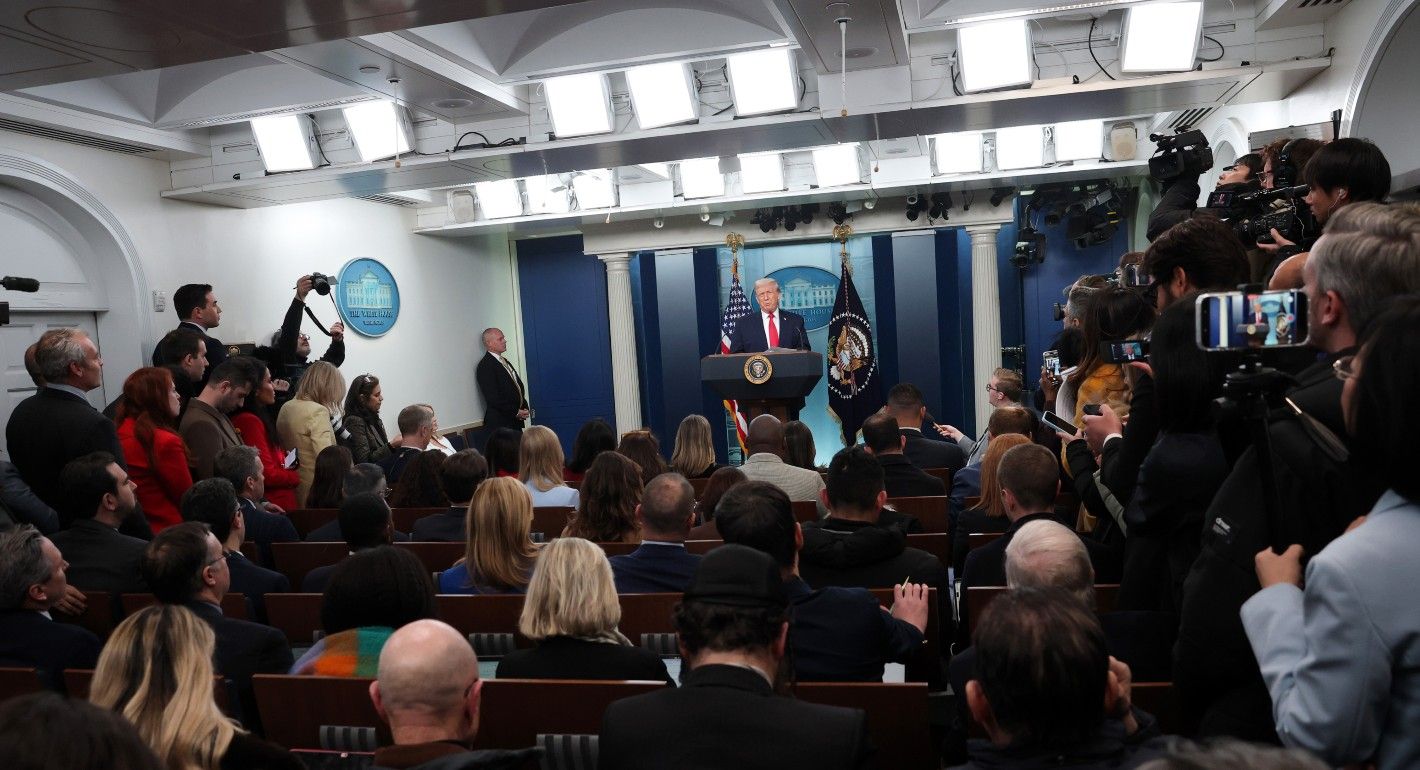
    Carnegie scholars examine the crucial elements of a document that’s radically different than its predecessors.

      • Cecily Brewer
      • +18

      James M. Acton, Saskia Brechenmacher, Cecily Brewer, …

  • Commentary
    Strategic Europe
    Europe Faces the Gone-Rogue Doctrine

    The hyper-personalized new version of global sphere-of-influence politics that Donald Trump wants will fail, as it did for Russia. In the meantime, Europe must still deal with a disruptive former ally determined to break the rules.

      Thomas de Waal

  • Commentary
    Europe’s American Predicament

    Between Greenland and U.S. interference in Europe’s democracies, transatlantic relations risk rising to an unprecedented level of crisis. Amid continued arguments on how Brussels should react, tough times lie ahead for European leaders.

      Marc Pierini

Get more news and analysis from
Carnegie Europe
Carnegie Europe logo, white
Rue du Congrès, 151000 Brussels, Belgium
  • Research
  • Strategic Europe
  • About
  • Experts
  • Projects
  • Events
  • Contact
  • Careers
  • Privacy
  • For Media
  • Gender Equality Plan
Get more news and analysis from
Carnegie Europe
© 2026 Carnegie Endowment for International Peace. All rights reserved.