

Commentary
As European leadership prepares for the sixteenth EU-India Summit, both sides must reckon with trade-offs in order to secure a mutually beneficial Free Trade Agreement.
Dinakar Peri
{
  "authors": [
    "Giorgi Lomsadze"
  ],
  "type": "legacyinthemedia",
  "centerAffiliationAll": "",
  "centers": [
    "Carnegie Endowment for International Peace",
    "Carnegie Russia Eurasia Center"
  ],
  "collections": [],
  "englishNewsletterAll": "",
  "nonEnglishNewsletterAll": "",
  "primaryCenter": "Carnegie Endowment for International Peace",
  "programAffiliation": "",
  "programs": [],
  "projects": [],
  "regions": [
    "Caucasus",
    "Russia",
    "Georgia"
  ],
  "topics": [
    "Security",
    "Foreign Policy"
  ]
}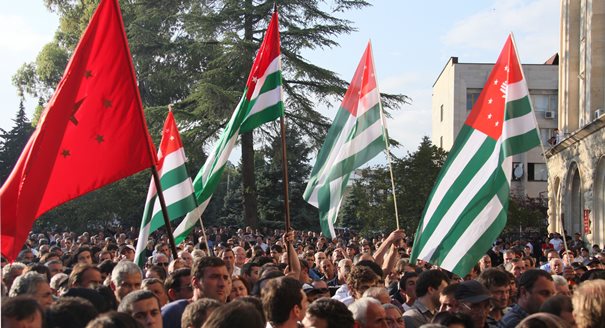
Mass protests forced the president of the Georgian breakaway republic from power last week. Will Moscow use this chance to annex another pro-Russian area?
Source: Guardian
Last week's hair-trigger uprising in Abkhazia, the Georgian breakaway region supported by Russia, ended in a matter of days. It was over before it could be properly understood or even noticed by the outside world.
The proximity to events in Ukraine, both geographical and political, grabbed attention. But in Abkhazia, no lasting geopolitical shifts are expected. This was a change from within.
De-facto President Aleksander Ankvab resigned on June 1 after putting up only token resistance to a diverse band of opposition groups who stormed the building from which he governed. A new presidential vote has been called for 24 August. In the meantime, de-facto Parliamentary Speaker Valery Bganba is serving as the region's leader.
Local observers see this outcome as both the result of Ankvab's own shortcomings and as a failure of the breakaway region's system of governance.
Inal Khashig, editor-in-chief of the Sokhumi-based Chegemskaya Pravda newspaper, argued that 61-year-old Ankvab had failed to serve as Abkhazia's "chief foreman" and fix all of the territory's many problems, ranging from limited jobs to a crumbling public order, as had been expected of him. “What was expected of him was to set things in order in various fields,” Khashig said in commentary broadcast by the online Asarkia TV.
When anti-government sentiment erupted in late May, Ankvab made tactical mistakes, argued RFE/RL reporter Demis Palandov. “He failed to go out to meet the people… which created an image of a president, who is afraid to face his own people and does not respect the authority of the elders, who demanded him to come out to meet with the people gathered outside [the presidential office],” Palandov said in comments to the Tbilisi-based Netgazeti.ge.
He failed to go out to meet the people… which created an image of a president, who is afraid to face his own people
In his departure speech, Ankvab blamed his opponents for leading an uprising against him. He accused them of making past attempts on his life and claimed that his resignation was the only way to bring the temperature down, and preserve Abkhazia's statehood (which is only recognised by Russia and some of its allies). His current whereabouts are not clear.
Looking beyond Ankvab’s personality, some blamed Abkhazia's de-facto constitution and the powers it vested in the president. Hastily drafted and largely unmodified since Abkhazia cast off Georgian rule in the early 1990s, the document provides for a president, who is a “czar” and “king of the heap,” said analyst Alkhas Tkhagushev. The founding law was a post-war, transitional document, which now does not reflect the current thirst for more democracy and communal decision-making, Tkhagushev told Asarkia.
Moscow, the regional power with the most direct influence on Abkhazia, which houses hundreds of Russian troops, played the role of arbiter between Ankvab and the opposition.
For Tbilisi, developments in Abkhazia remain out of reach, behind a heavy cordon of Russian troops. The most immediate concern for Tbilisi is the fate of those ethnic Georgians who remain in Abkhazia and whose status is debated by separatist politicians.
Carnegie does not take institutional positions on public policy issues; the views represented herein are those of the author(s) and do not necessarily reflect the views of Carnegie, its staff, or its trustees.
As European leadership prepares for the sixteenth EU-India Summit, both sides must reckon with trade-offs in order to secure a mutually beneficial Free Trade Agreement.
Dinakar Peri
The hyper-personalized new version of global sphere-of-influence politics that Donald Trump wants will fail, as it did for Russia. In the meantime, Europe must still deal with a disruptive former ally determined to break the rules.
Thomas de Waal
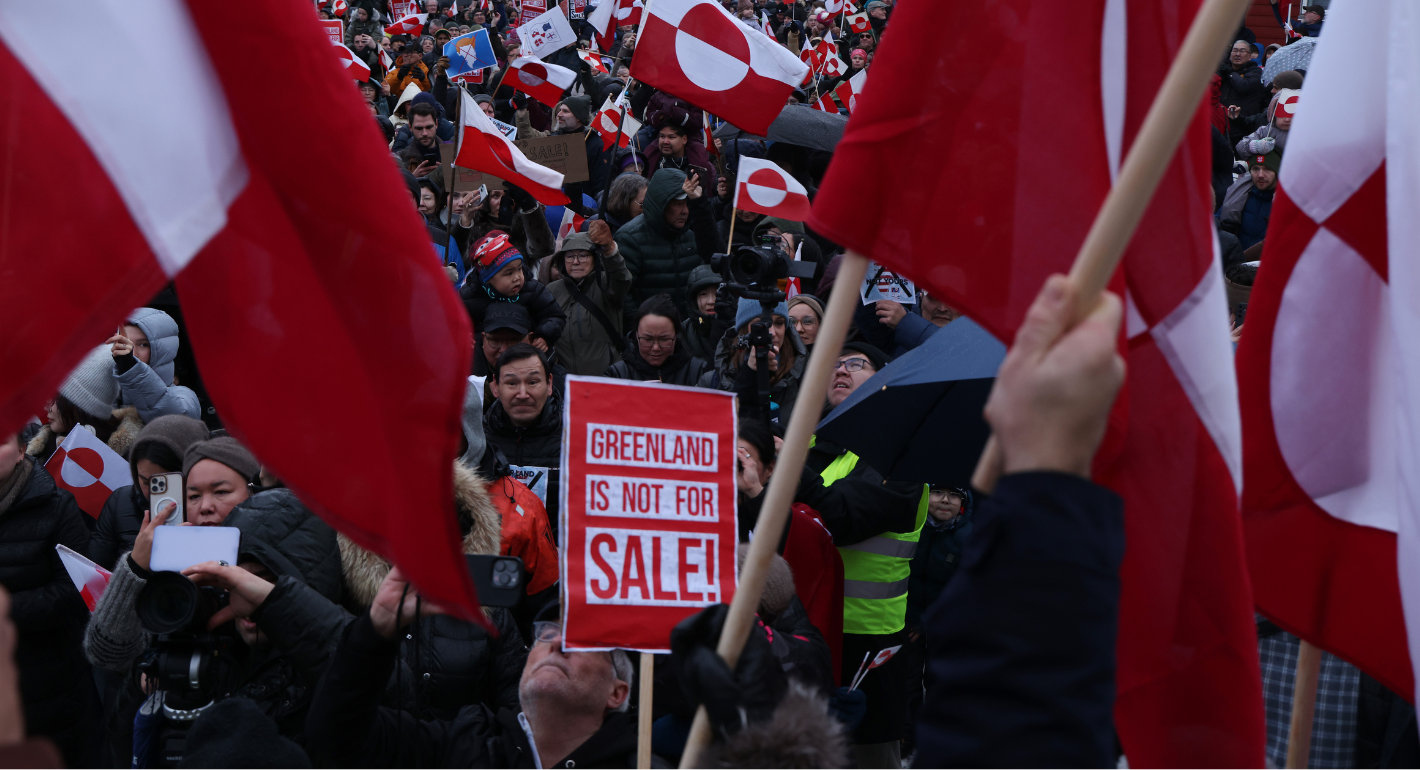
Between Greenland and U.S. interference in Europe’s democracies, transatlantic relations risk rising to an unprecedented level of crisis. Amid continued arguments on how Brussels should react, tough times lie ahead for European leaders.
Marc Pierini
2026 has started in crisis, as the actions of unpredictable leaders shape an increasingly volatile global environment. To shift from crisis response to strategic foresight, what under-the-radar issues should the EU prepare for in the coming year?
Thomas de Waal
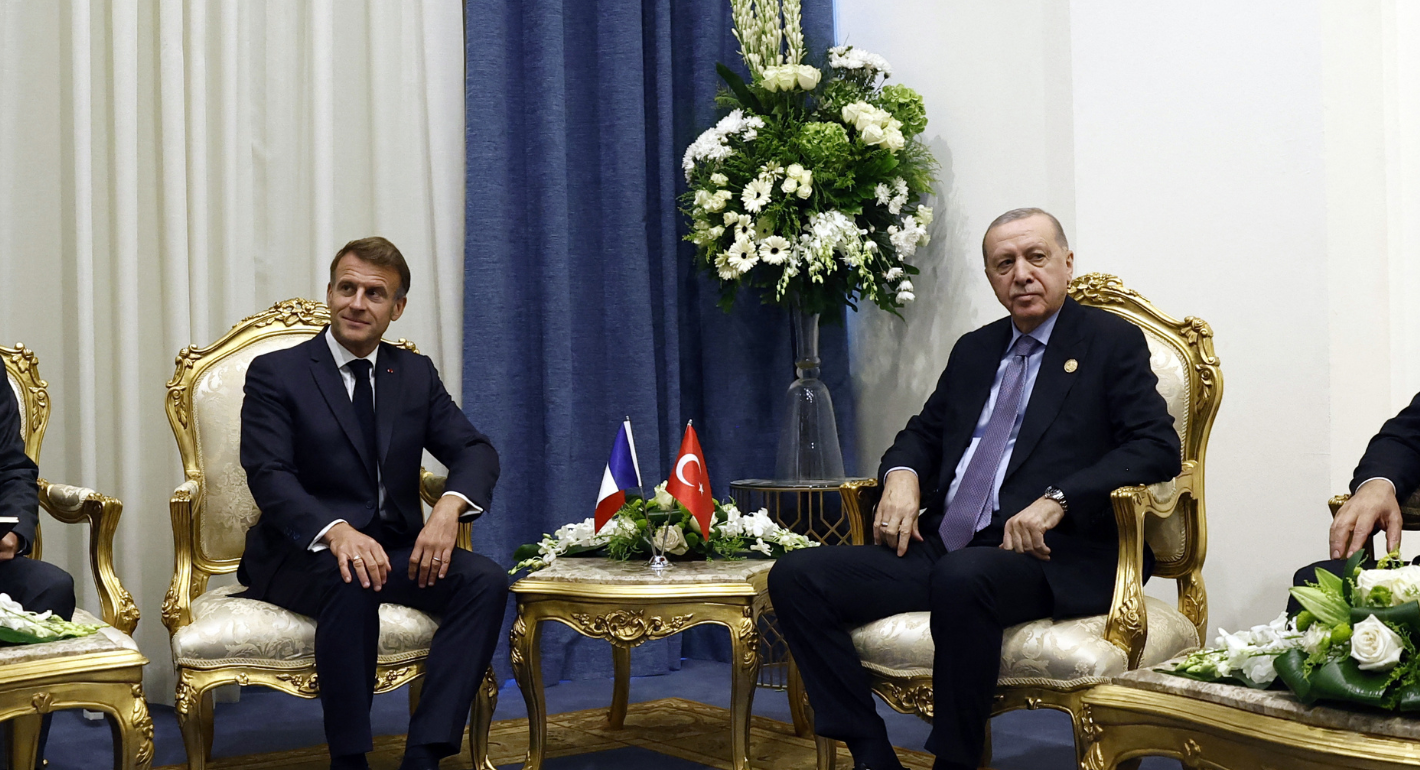
A renewal of relations between France and Turkey is vital to strengthen European strategic autonomy. To make this détente a reality, Paris and Ankara should move beyond personal friction and jointly engage with questions of Black Sea security.
Romain Le Quiniou