

Commentary
As European leadership prepares for the sixteenth EU-India Summit, both sides must reckon with trade-offs in order to secure a mutually beneficial Free Trade Agreement.
Dinakar Peri
{
  "authors": [
    "Andrei Kolesnikov"
  ],
  "type": "commentary",
  "centerAffiliationAll": "",
  "centers": [
    "Carnegie Endowment for International Peace",
    "Carnegie Russia Eurasia Center"
  ],
  "collections": [
    "Inside Russia"
  ],
  "englishNewsletterAll": "",
  "nonEnglishNewsletterAll": "",
  "primaryCenter": "Carnegie Endowment for International Peace",
  "programAffiliation": "",
  "programs": [],
  "projects": [
    "Eurasia in Transition"
  ],
  "regions": [
    "Russia",
    "Eastern Europe",
    "Ukraine"
  ],
  "topics": [
    "Political Reform",
    "Security",
    "Foreign Policy"
  ]
}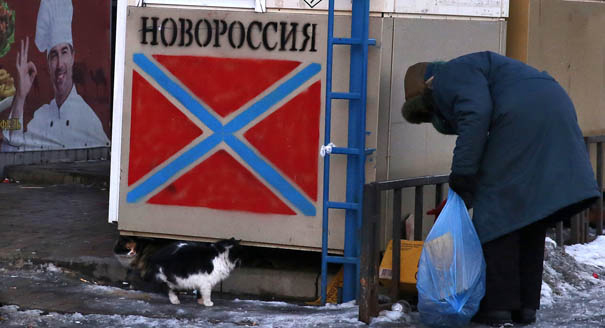
Putin has realized that the expansionist project overextended itself; it is now too dangerous to continue beating the war drum. Or perhaps the Russian president simply lost interest in Novorossiya. He has a different game to play now—that of Russia’s “pivot to the East.”
On May 20, the leaders of the Lugansk and Donetsk People’s Republics (LNR and DNR) announced the abandonment of the Novorossiya project, a hypothetical confederation of states in southeastern Ukraine stretching from Kharkiv to Odessa. DNR Foreign Minister Alexander Kofman said that the idea hadn’t attracted enough support outside the separatist territories. Oleg Tsaryov, the speaker of Novorossiya’s “Unitary Parliament” and a frequent guest on Russian television, offered a different explanation: “The work of Novorossiya [official] structures has been frozen because it does not conform to the [Minsk II] peace agreement signed in the presence of the Normandy Four countries [Ukraine, Russia, Germany, and France, on February 12].”
The Novorossiya project would not have been shuttered had Moscow not overtly pressured separatist leaders. A week before the closure, the ultra-right Russian ideologue Alexander Dugin suggested in his weekly column for the “Novorossiya Information Agency” that a “Crimea for Novorossiya” deal was about to be negotiated. According to this agreement, he suggested, the separatists would comply with the Minsk II agreements and attempt to strengthen the DNR’s and LNR’s autonomy within the borders of Ukraine. Dugin was not alone in his prediction: others have long suggested that such an exchange was possible.
The abrupt abandonment of the Novorossiya project was accompanied by more surprises from the Russian authorities. First, RBC.ru, a Russian newspaper, reported that the date of next year’s parliamentary elections might be brought forward, perhaps to September 2016 instead of December 2016. The presumed goal of moving the election would be to lower voter turnout and attention by holding the vote right after the busy summer holidays, thereby creating a parliament that is more favorable to the Kremlin.
Second, the State Duma expeditiously passed and Putin signed a law banning “undesirable” foreign non-government organizations. The new law, which evidently covers commercial entities, creates the legal basis to close any foreign entity, including businesses. This move displays a willingness to curtail economic ties with the West, scare away Western investment, and continue the authorities’ self-destructive counter-sanctions regime against Western businesses.
These draconian measures seem to be the Kremlin’s way of compensating some bellicose members of the Russian elite for agreeing to shut down the Novorossiya project, a move that effectively closes the door on their dreams of restoring the Russian empire.
Thus, Moscow seems to have come to the realization that Ukraine has been lost. The West will not let Russia seize the Donbas; thousands of people have died in vain.
If the project is indeed shut down, the Kremlin effectively has admitted defeat, no matter how it tries to spin it. Russian radicals and the ultra-right will see the abandonment of Novorossiya as a victory for the “Atlantic forces” within the country’s elite, which they have dubbed the “sixth column.” These radicals will have only the Commander-in-Chief to blame.
Perhaps Putin has realized that the expansionist project overextended itself; it is now too dangerous to continue beating the war drum. Or perhaps the Russian president simply lost interest in Novorossiya. He has a different game to play now—that of Russia’s “pivot to the East.” He has already made this a priority, as evidenced by his lively discussion with Chinese President Xi Jinping during the May 9 Victory Day parade. This game is, like the Novorossiya one, rife with imitations and illusions, and its stakes—strategic and otherwise—are extremely high. Still, the “empire” seems poised to expand eastward or, at the very least, turn its attention to the East and away from eastern Ukraine.
Carnegie does not take institutional positions on public policy issues; the views represented herein are those of the author(s) and do not necessarily reflect the views of Carnegie, its staff, or its trustees.
As European leadership prepares for the sixteenth EU-India Summit, both sides must reckon with trade-offs in order to secure a mutually beneficial Free Trade Agreement.

Dinakar Peri
The hyper-personalized new version of global sphere-of-influence politics that Donald Trump wants will fail, as it did for Russia. In the meantime, Europe must still deal with a disruptive former ally determined to break the rules.
Thomas de Waal
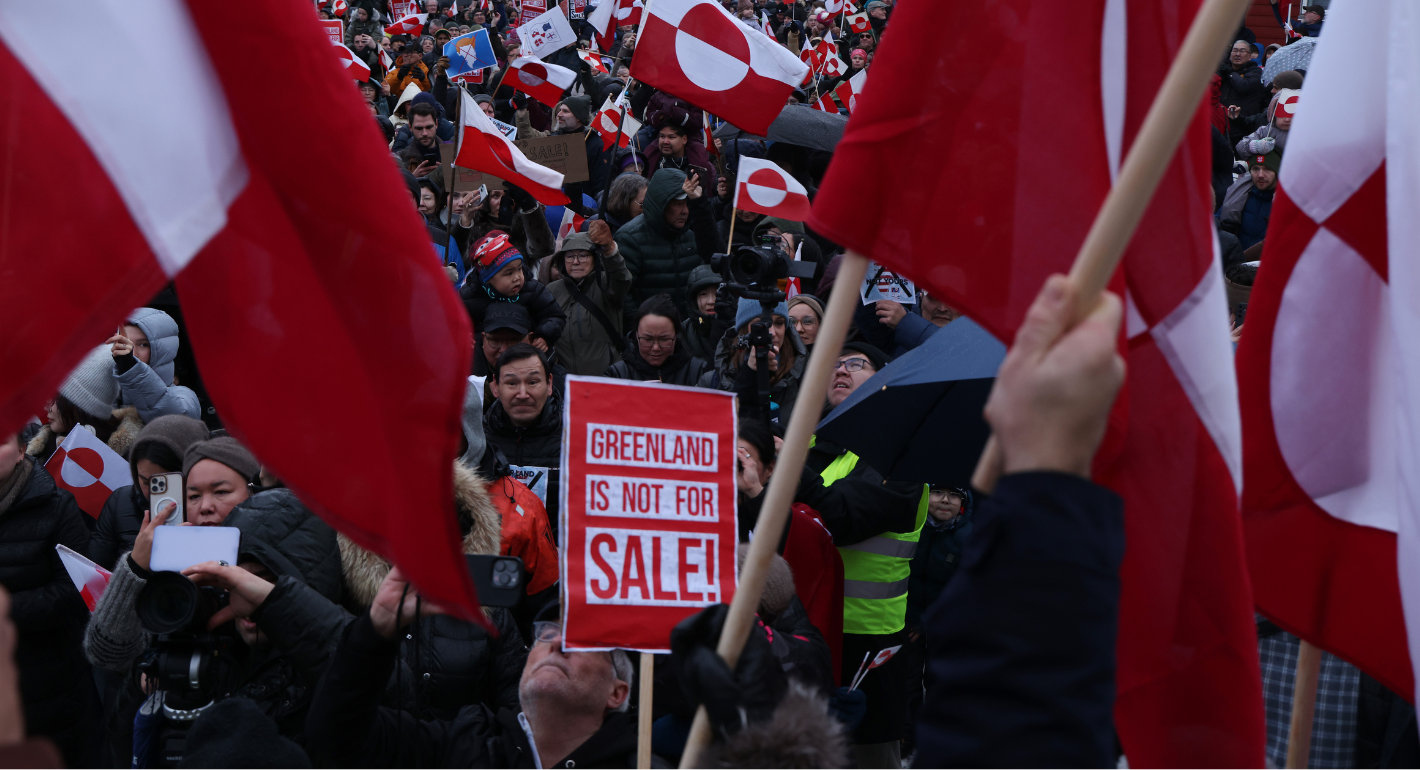
Between Greenland and U.S. interference in Europe’s democracies, transatlantic relations risk rising to an unprecedented level of crisis. Amid continued arguments on how Brussels should react, tough times lie ahead for European leaders.
Marc Pierini
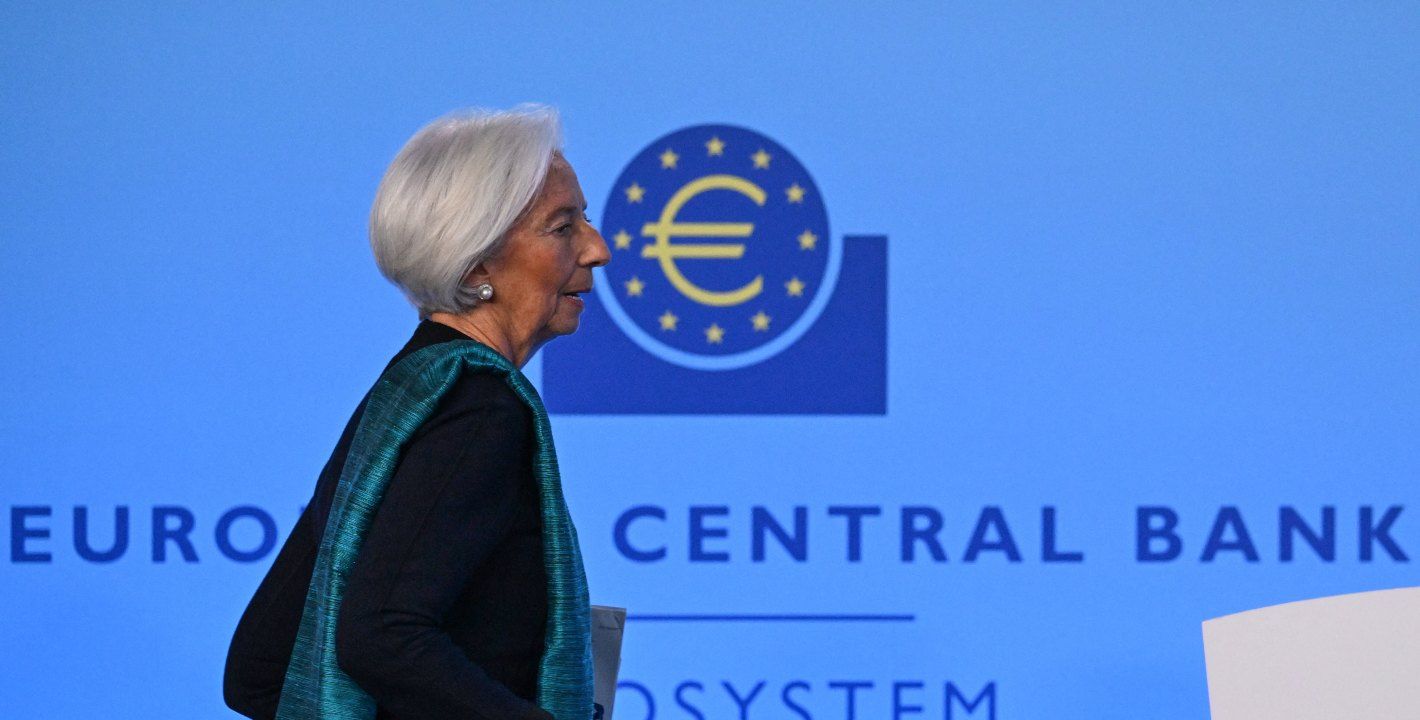
2026 has started in crisis, as the actions of unpredictable leaders shape an increasingly volatile global environment. To shift from crisis response to strategic foresight, what under-the-radar issues should the EU prepare for in the coming year?
Thomas de Waal
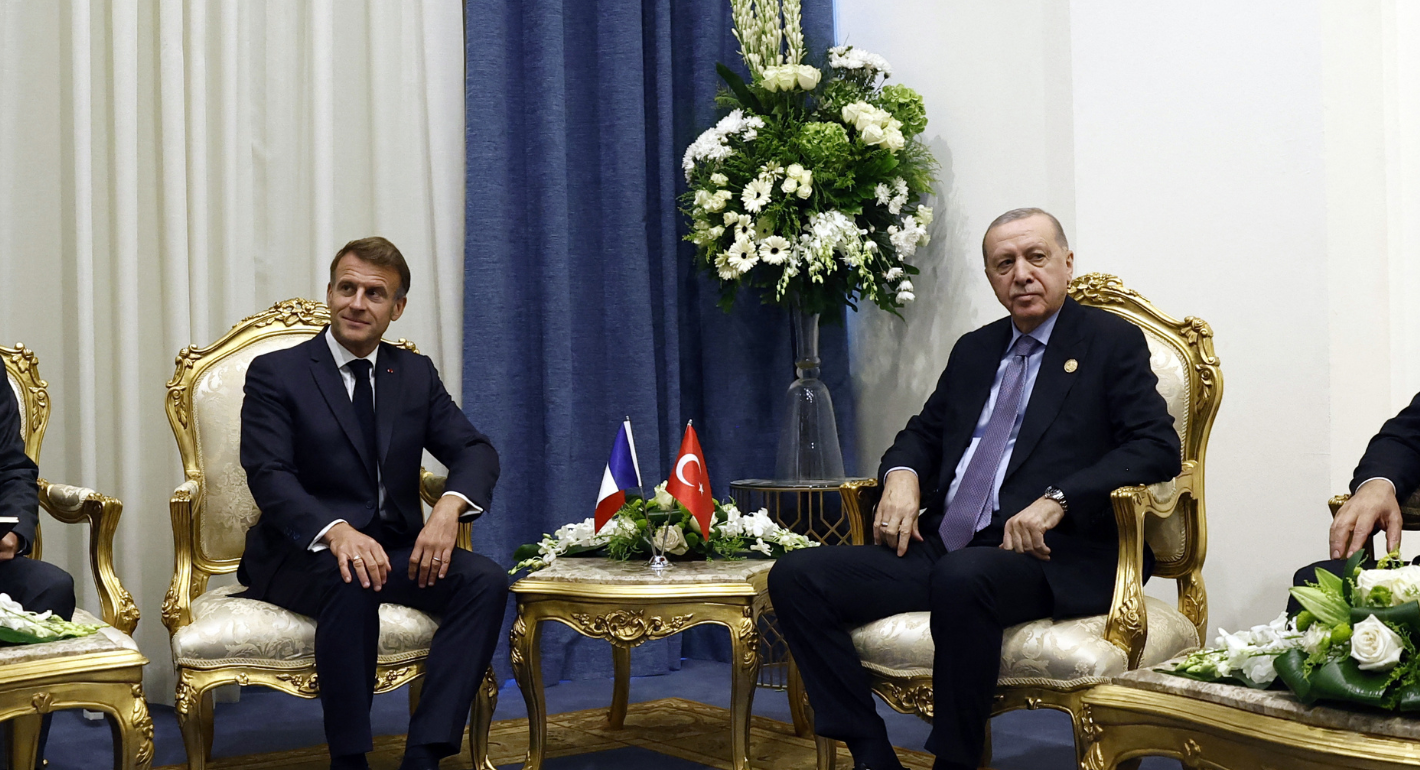
A renewal of relations between France and Turkey is vital to strengthen European strategic autonomy. To make this détente a reality, Paris and Ankara should move beyond personal friction and jointly engage with questions of Black Sea security.
Romain Le Quiniou