• Research
  • Strategic Europe
  • About
  • Experts
Carnegie Europe logoCarnegie lettermark logo
EUUkraine
  • Donate
{
  "authors": [
    "Andrew S. Weiss"
  ],
  "type": "legacyinthemedia",
  "centerAffiliationAll": "",
  "centers": [
    "Carnegie Endowment for International Peace",
    "Malcolm H. Kerr Carnegie Middle East Center"
  ],
  "collections": [],
  "englishNewsletterAll": "",
  "nonEnglishNewsletterAll": "",
  "primaryCenter": "Carnegie Endowment for International Peace",
  "programAffiliation": "",
  "programs": [
    "Russia and Eurasia"
  ],
  "projects": [],
  "regions": [
    "North America",
    "Middle East",
    "Syria",
    "Russia",
    "Levant"
  ],
  "topics": [
    "Political Reform",
    "Foreign Policy"
  ]
}
In The Media

U.S. and Russia Hold Military Talks on Syria

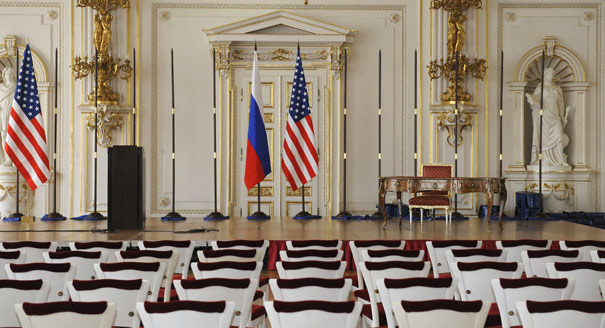
Last week’s conversation between the defense chiefs of the United States and Russia demonstrates the important role that Syria has come to play in U.S.-Russia relations.

Link Copied
By Andrew S. Weiss
Published on Sep 18, 2015

Source: KCRW’s To the Point

On Friday, the defense chiefs of the United States and Russia held their first talks in over a year. The topic? Syria. Andrew Weiss spoke with Warren Olney on To The Point about what this means for the future of the U.S.-Russia relationship, and for the situation in Syria.

Regarding the new Russian air base in Syria, Weiss said that one motivation for this conversation between the defense chiefs was a desire to clarify Russia's intentions in Syria. Weiss saw this recent activity in some ways as a public relations gesture that allows Putin to come to the UN General Assembly and direct the conversation towards Syria and away from Ukraine. 

In response to the claim that by stepping up its activity in Syria, Russia is trying to replace the United States as a factor in the Middle East, Weiss argued that while the Russians are definitely more active in the region than they have been in decades, and that Iraq, Egypt, and Saudi Arabia see Russia as a useful friend, the center of gravity for the international system is still the United States, and Russia is not in a position to replace Washington in the Middle East and North Africa. 

Listen to the full interview on KCRW’s To the Point.

Andrew S. Weiss
James Family Chair, Vice President for Studies
Andrew S. Weiss
Political ReformForeign PolicyNorth AmericaMiddle EastSyriaRussiaLevant

Carnegie does not take institutional positions on public policy issues; the views represented herein are those of the author(s) and do not necessarily reflect the views of Carnegie, its staff, or its trustees.

More Work from Carnegie Europe

  • Commentary
    Strategic Europe
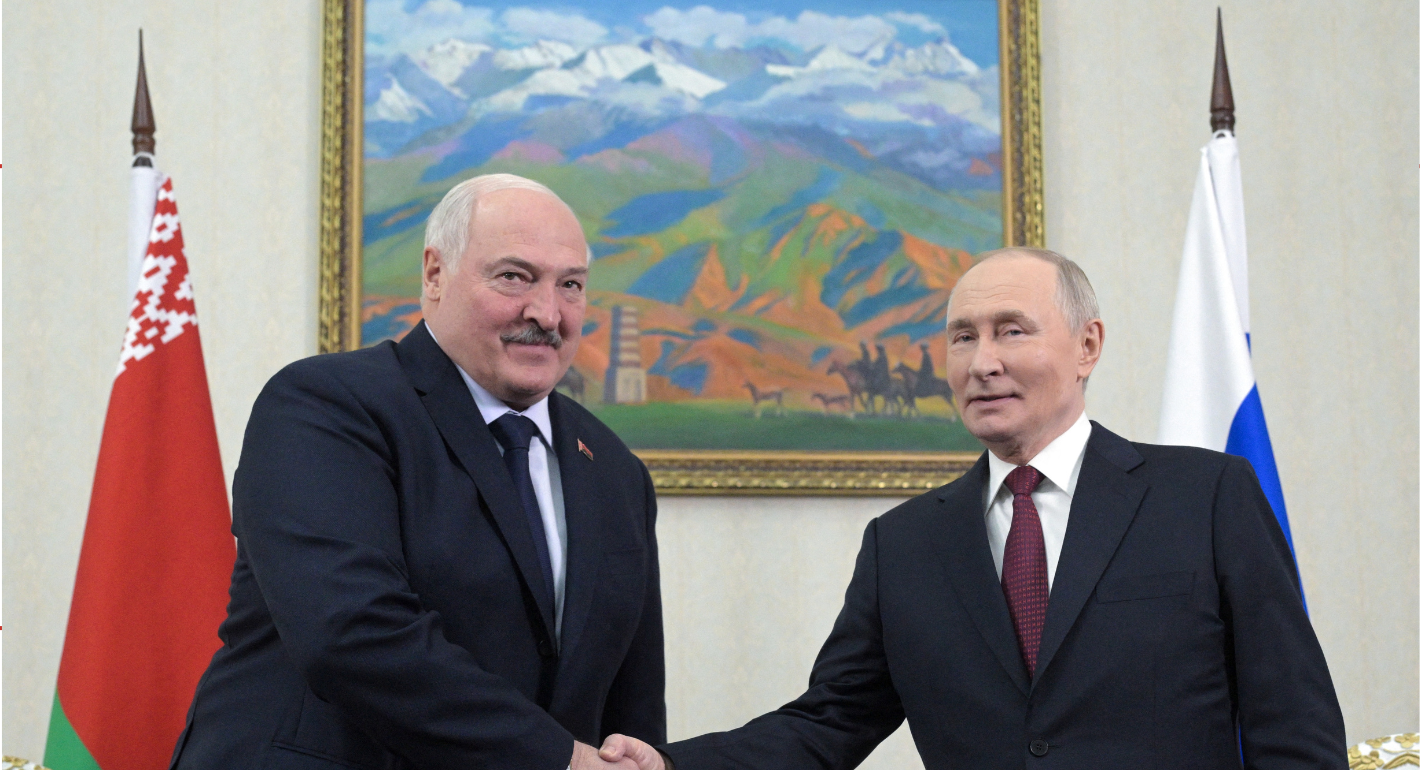
    Taking the Pulse: Is It Time for Europe to Reengage With Belarus?

    In return for a trade deal and the release of political prisoners, the United States has lifted sanctions on Belarus, breaking the previous Western policy consensus. Should Europeans follow suit, using their leverage to extract concessions from Lukashenko, or continue to isolate a key Kremlin ally?

      Thomas de Waal, ed.
  • Commentary
    Strategic Europe
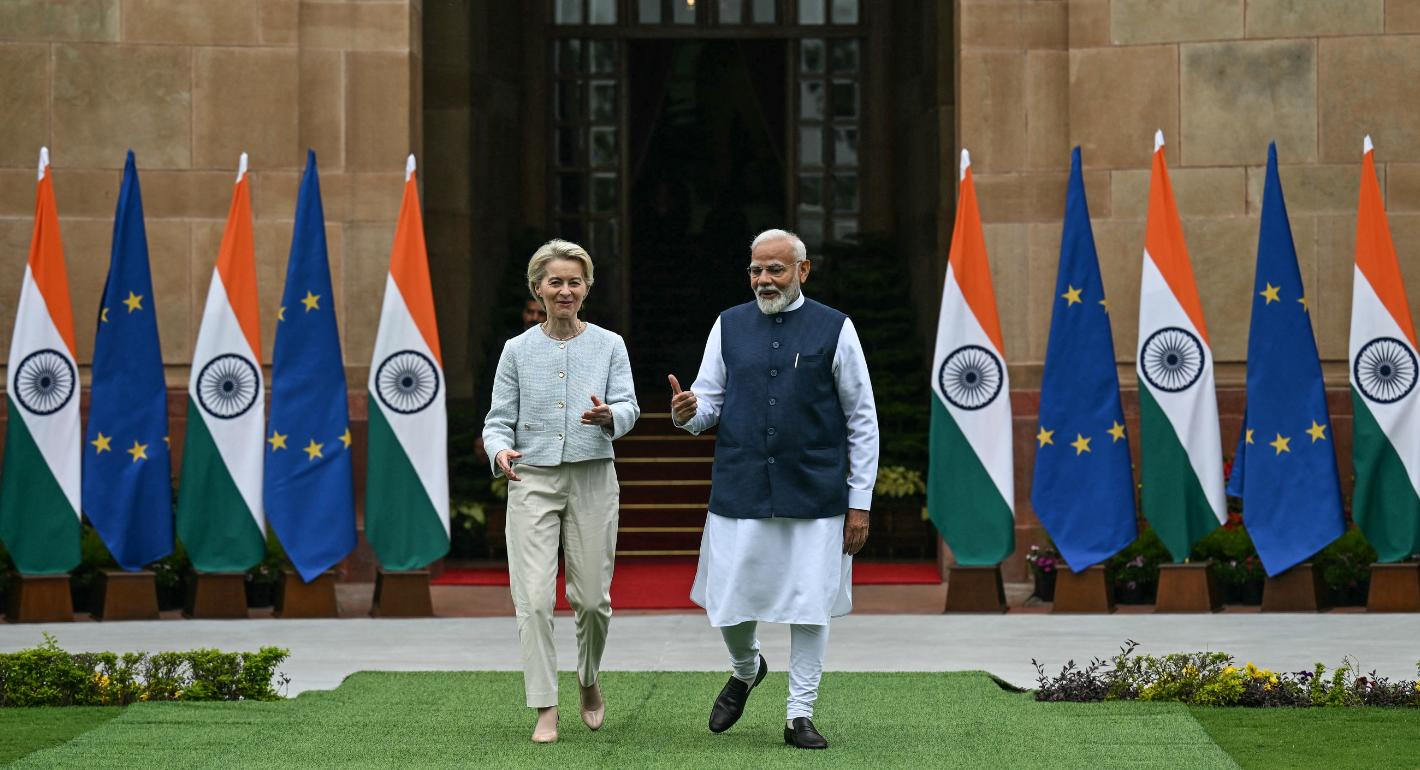
    The EU and India in Tandem

    As European leadership prepares for the sixteenth EU-India Summit, both sides must reckon with trade-offs in order to secure a mutually beneficial Free Trade Agreement.

      Dinakar Peri

  • Trump speaking to a room of reporters
    Commentary
    Emissary
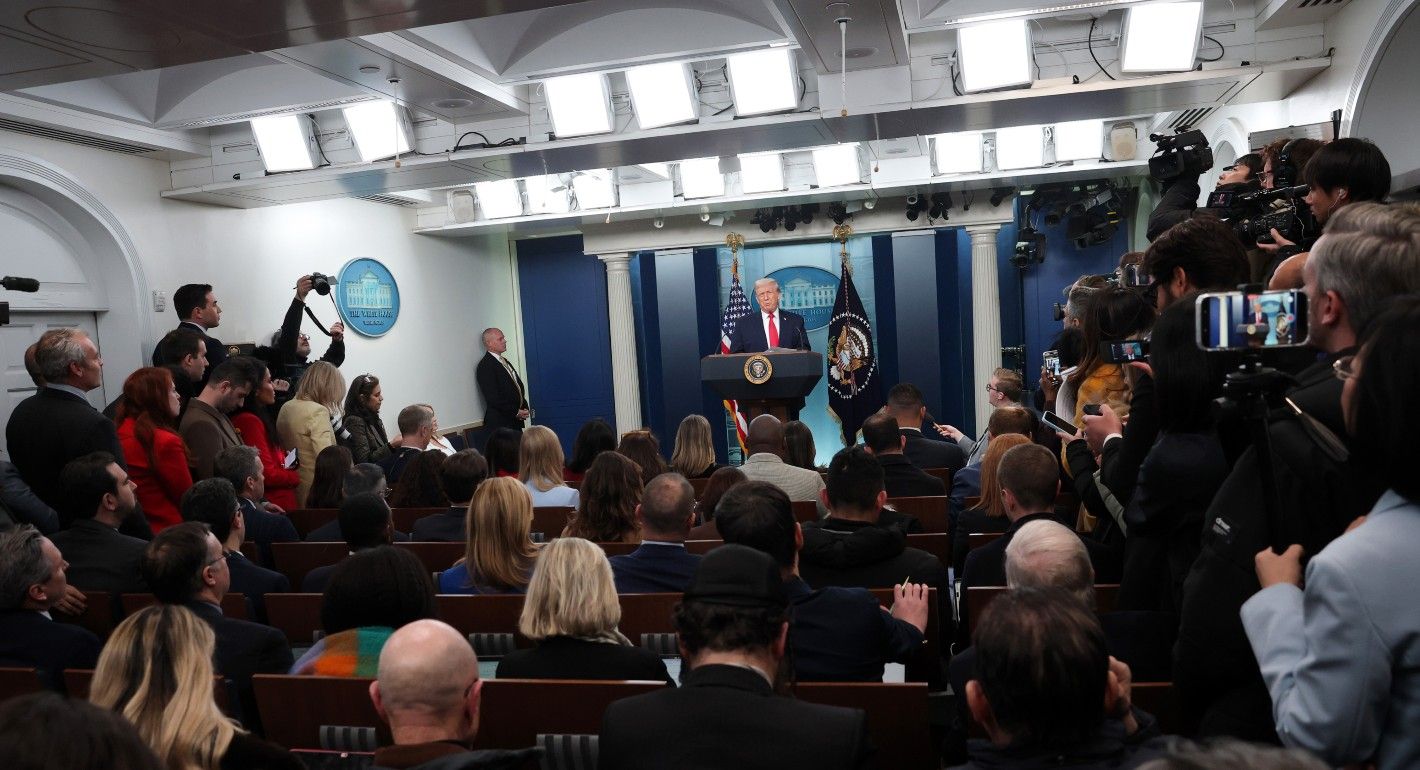
    Unpacking Trump’s National Security Strategy

    Carnegie scholars examine the crucial elements of a document that’s radically different than its predecessors.

      • Cecily Brewer
      • +18

      James M. Acton, Saskia Brechenmacher, Cecily Brewer, …

  • Commentary
    Strategic Europe
    Europe Faces the Gone-Rogue Doctrine

    The hyper-personalized new version of global sphere-of-influence politics that Donald Trump wants will fail, as it did for Russia. In the meantime, Europe must still deal with a disruptive former ally determined to break the rules.

      Thomas de Waal

  • Commentary
    Strategic Europe
    Taking the Pulse: What Issue Is Europe Ignoring at Its Peril in 2026?

    2026 has started in crisis, as the actions of unpredictable leaders shape an increasingly volatile global environment. To shift from crisis response to strategic foresight, what under-the-radar issues should the EU prepare for in the coming year?

      Thomas de Waal

Get more news and analysis from
Carnegie Europe
Carnegie Europe logo, white
Rue du Congrès, 151000 Brussels, Belgium
  • Research
  • Strategic Europe
  • About
  • Experts
  • Projects
  • Events
  • Contact
  • Careers
  • Privacy
  • For Media
  • Gender Equality Plan
Get more news and analysis from
Carnegie Europe
© 2026 Carnegie Endowment for International Peace. All rights reserved.