

Commentary
As European leadership prepares for the sixteenth EU-India Summit, both sides must reckon with trade-offs in order to secure a mutually beneficial Free Trade Agreement.
Dinakar Peri
{
  "authors": [
    "Bilal Baloch"
  ],
  "type": "legacyinthemedia",
  "centerAffiliationAll": "",
  "centers": [
    "Carnegie Endowment for International Peace",
    "Carnegie India",
    "Malcolm H. Kerr Carnegie Middle East Center"
  ],
  "collections": [],
  "englishNewsletterAll": "",
  "nonEnglishNewsletterAll": "",
  "primaryCenter": "Carnegie India",
  "programAffiliation": "",
  "programs": [
    "South Asia"
  ],
  "projects": [],
  "regions": [
    "South Asia",
    "India",
    "Gulf",
    "Middle East",
    "Iran",
    "Israel",
    "Saudi Arabia"
  ],
  "topics": [
    "Foreign Policy",
    "Political Reform"
  ]
}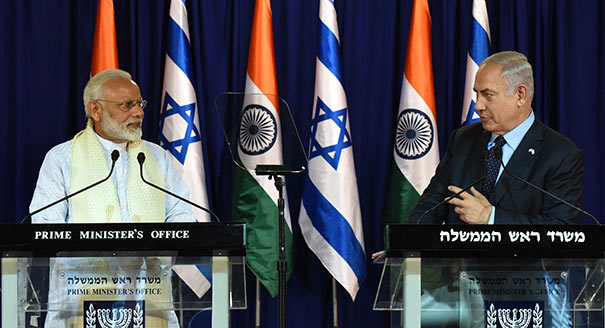
India’s traditionally neutral position in the Middle East has ended with the landmark Israel visit. The future balancing of India’s westward pivot will be determined by a new regional order led assertively be Saudi Arabia, and one which sees Iran as enemy number one.
Source: Hindu
Prime Minister Narendra Modi’s widely publicised trip to Israel last month was labelled as de-hyphenating the traditional vector of Israel-Palestine in Indian strategic thinking in West Asia, without damaging relations with Arab states. The final say on this balancing, however, will be determined by Iran.
Historically, India has projected Israel as an apartheid regime. Despite the latter’s drawn-out courtship, it was a weakening of old structures that ushered new ideas into Delhi’s decision-making and, in 1992, mutual securities became salient. Since then, cooperation and trade have improved steeply. Not unusually, and simultaneously, India has maintained support for the Palestinian cause. Despite not making the customary stopover in Ramallah during his trip, the ground was privately prepared when Mr. Modi welcomed Palestinian President Mahmoud Abbas to Delhi in May. The relative quiet across Arab states during Mr. Modi’s visit and conversations with diplomats in the region reveal that India’s West Asia relations are no longer viewed through the prism of Israel-Palestine, but the changing security landscape in the region pertaining to Iran.
A new political order in West Asia is in full force, led assertively by Saudi Arabia, and one that regards Iran as the existential threat. The assumption in some sections of the international community, that India’s ties with Israel naturally negate the South Asian power’s relationship with the Arab nations, specifically of the Gulf Cooperation Council (GCC), is misguided. Indeed, Mr. Modi would not have made the visit to Israel had he calculated that such a trip would antagonise the Sunni Arab leaders who have shown concrete interest in India’s growing market and improving regulatory environment. India, in turn, looks to the region for its constantly expanding natural gas and crude oil thirst. Essentially, Arab leaders can today live with their allies operating with the Israelis, but not with the Iranians. Since the Iran nuclear deal, insecurities among Tehran’s rivals, supported increasingly by the Trump White House, have gone into overdrive. That the Iranian leadership is fully aware of these shifting dynamics was on show in the days leading up to Mr. Modi’s Israel visit.
Twice in the space of 10 days, Iran’s Supreme Leader Ayatollah Ali Khamenei linked the plight of Muslims in Gaza, Yemen, and Bahrain, with, unexpectedly, those in Kashmir. The timing and frequency of his comments, which were so close to the Israel visit, cannot be underplayed. The Iranians will have been aggrieved by the visit coupled with India’s unambiguous pro-Riyadh tilt. Despite this, ties between India and Iran will not cease any time soon, but run on an independent track. Indeed, they are currently developing the geopolitically valuable Chabahar port on the Gulf of Oman. But rising economic stakes in Delhi and a new regional order will mean that India cannot maintain its traditionally equidistant, neutral position in West Asia for long. These pathways will be stress-tested soon if India desires a concrete regional strategy beyond tactical visits.
Carnegie does not take institutional positions on public policy issues; the views represented herein are those of the author(s) and do not necessarily reflect the views of Carnegie, its staff, or its trustees.
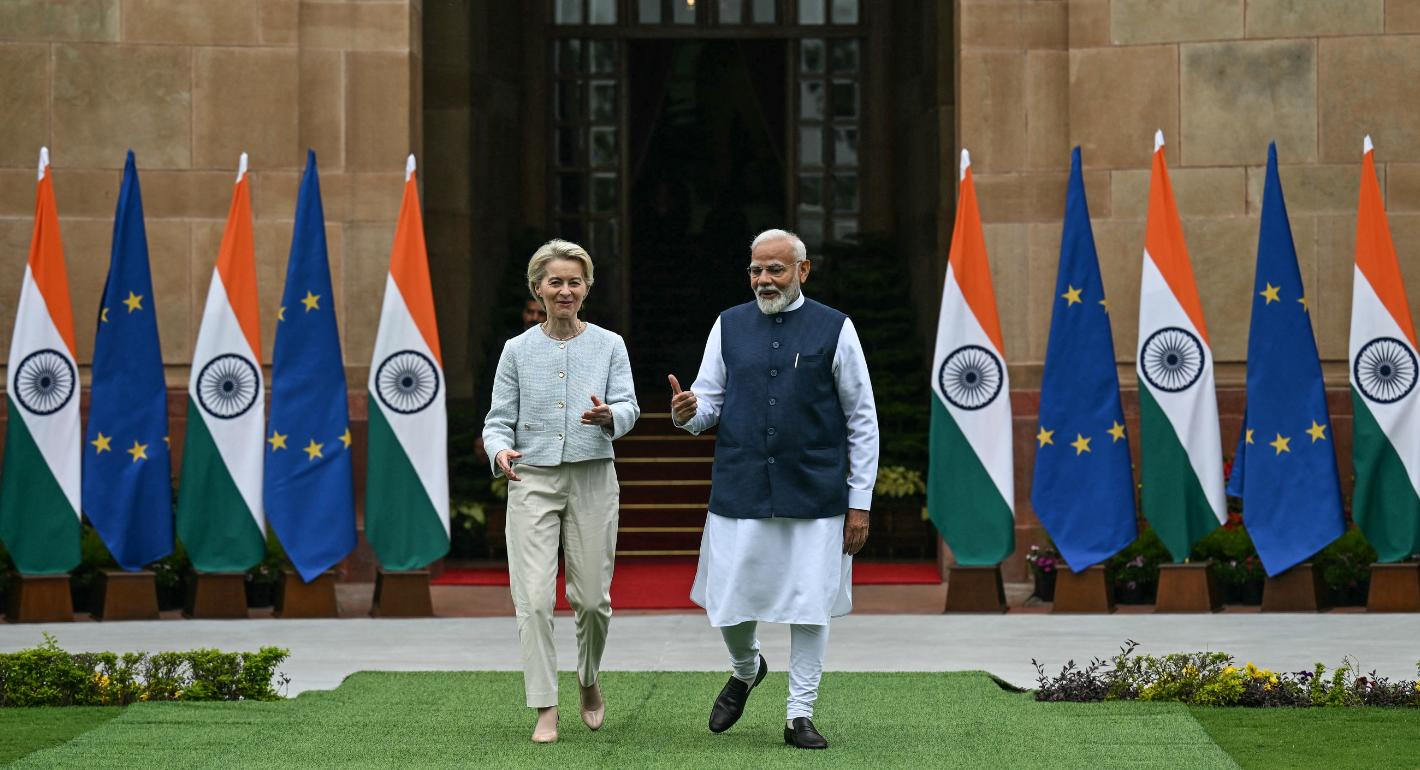
As European leadership prepares for the sixteenth EU-India Summit, both sides must reckon with trade-offs in order to secure a mutually beneficial Free Trade Agreement.

Dinakar Peri
The hyper-personalized new version of global sphere-of-influence politics that Donald Trump wants will fail, as it did for Russia. In the meantime, Europe must still deal with a disruptive former ally determined to break the rules.

Thomas de Waal
2026 has started in crisis, as the actions of unpredictable leaders shape an increasingly volatile global environment. To shift from crisis response to strategic foresight, what under-the-radar issues should the EU prepare for in the coming year?
Thomas de Waal
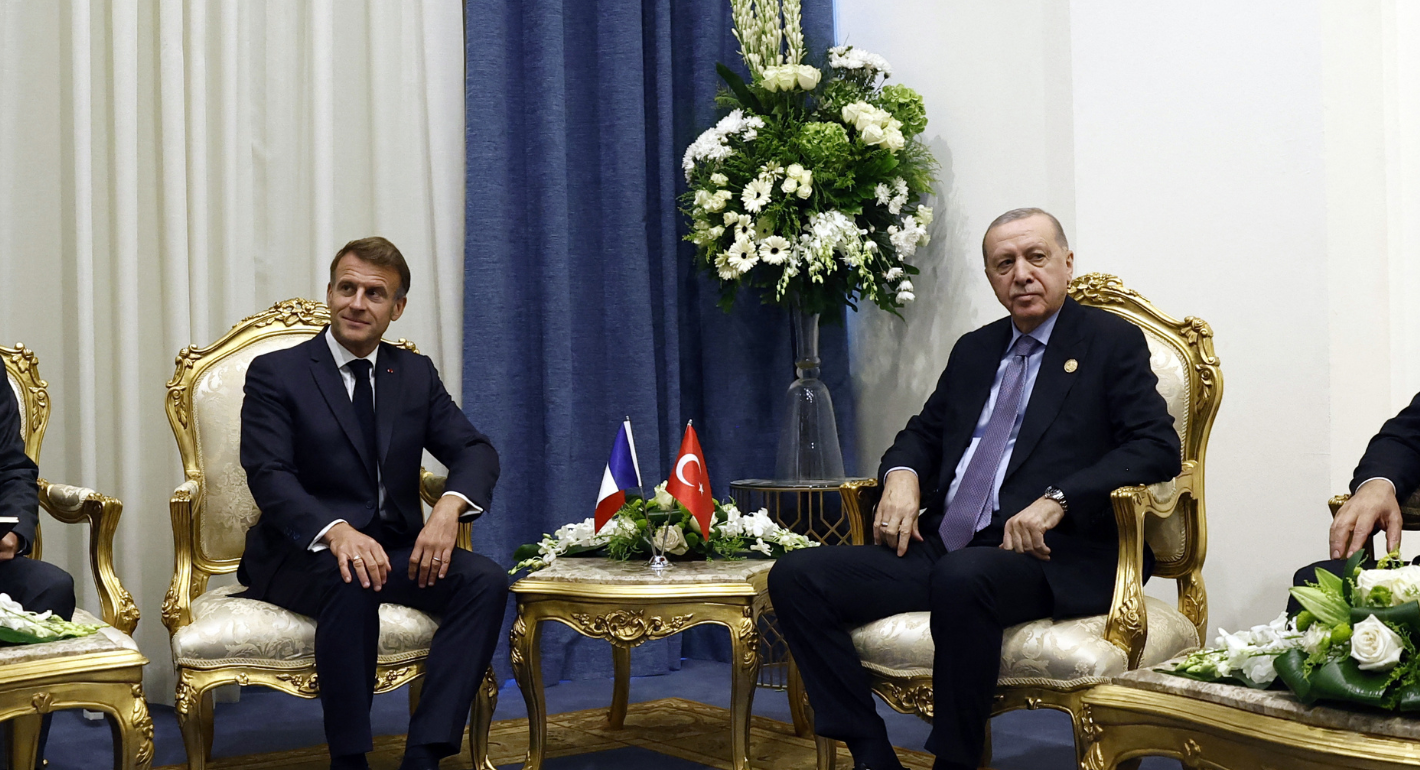
A renewal of relations between France and Turkey is vital to strengthen European strategic autonomy. To make this détente a reality, Paris and Ankara should move beyond personal friction and jointly engage with questions of Black Sea security.

Romain Le Quiniou
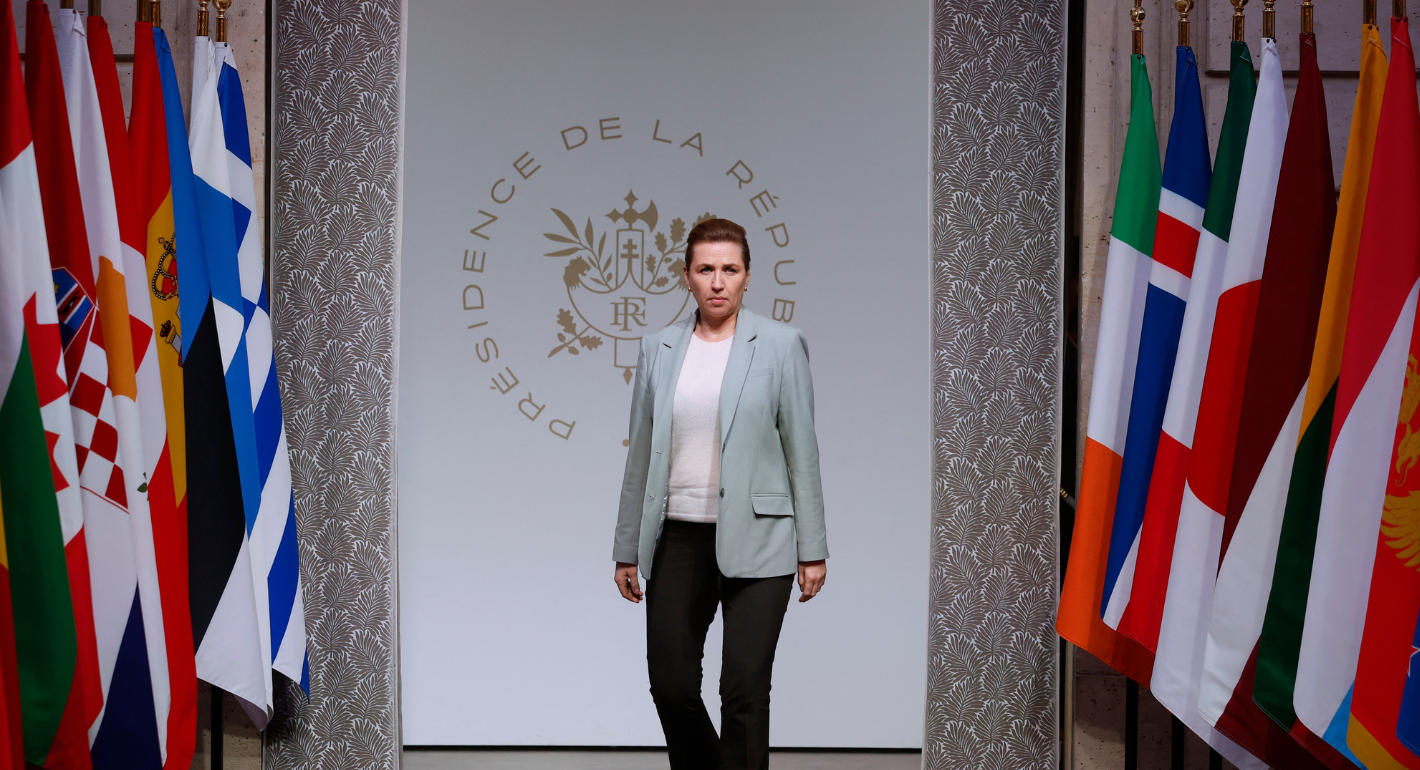
Europe is designing a new model of collective security that no longer relies on the United States. For this effort to succeed, solidarity between member states that have different threat perceptions is vital.

Erik Jones