

Commentary
As European leadership prepares for the sixteenth EU-India Summit, both sides must reckon with trade-offs in order to secure a mutually beneficial Free Trade Agreement.
Dinakar Peri
{
  "authors": [
    "Sinan Ülgen"
  ],
  "type": "other",
  "centerAffiliationAll": "",
  "centers": [
    "Carnegie Endowment for International Peace",
    "Carnegie Europe"
  ],
  "collections": [
    "Turkey’s Transformation",
    "EU Integration and Enlargement"
  ],
  "englishNewsletterAll": "",
  "nonEnglishNewsletterAll": "",
  "primaryCenter": "Carnegie Europe",
  "programAffiliation": "",
  "programs": [
    "Europe"
  ],
  "projects": [],
  "regions": [
    "Europe",
    "Türkiye",
    "Middle East",
    "Iran"
  ],
  "topics": [
    "EU",
    "Political Reform"
  ]
}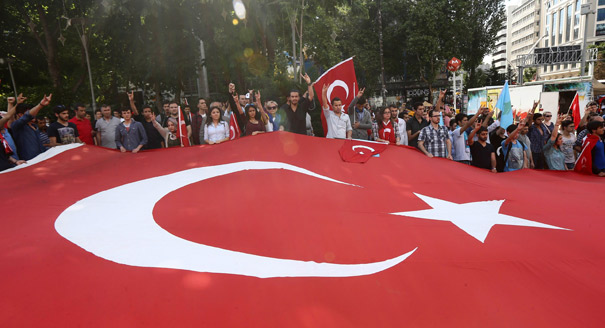
The Turkey-EU agenda should include a resilience action plan to improve the capacity of Turkish institutions and society to withstand—and eventually seek to roll back—challenges to democracy.
Source: International Affairs Institute
The concept of “building resilience” in Turkey can be defined as improving the capacity of institutions and society to withstand and eventually seek to roll back a sustained challenge to democratic norms. From the perspective of Turkish society, the threat originates from the wide disparities in regional incomes that are themselves a by-product in the equally wide disparities in educational achievements and employable skills. Nevertheless, Turkish society retains important elements of resilience. This is the end result of a flawed and yet very real experience with multi-party democracy for over seven decades. At the same time Turkey is a failed accession state and the frustrations as well as the acrimony generated by this hapless state of affairs will have implications for any other EU engagement strategy with Ankara. It is therefore necessary to build the resilience action plan as a component of the formal Turkey–EU agenda, which is broader than the accession track. The soon-to-be-launched negotiations for the modernization of the EU–Turkey Customs Union provide a timely and useful option.
This report was originally published by the International Affairs Institute.
Carnegie does not take institutional positions on public policy issues; the views represented herein are those of the author(s) and do not necessarily reflect the views of Carnegie, its staff, or its trustees.
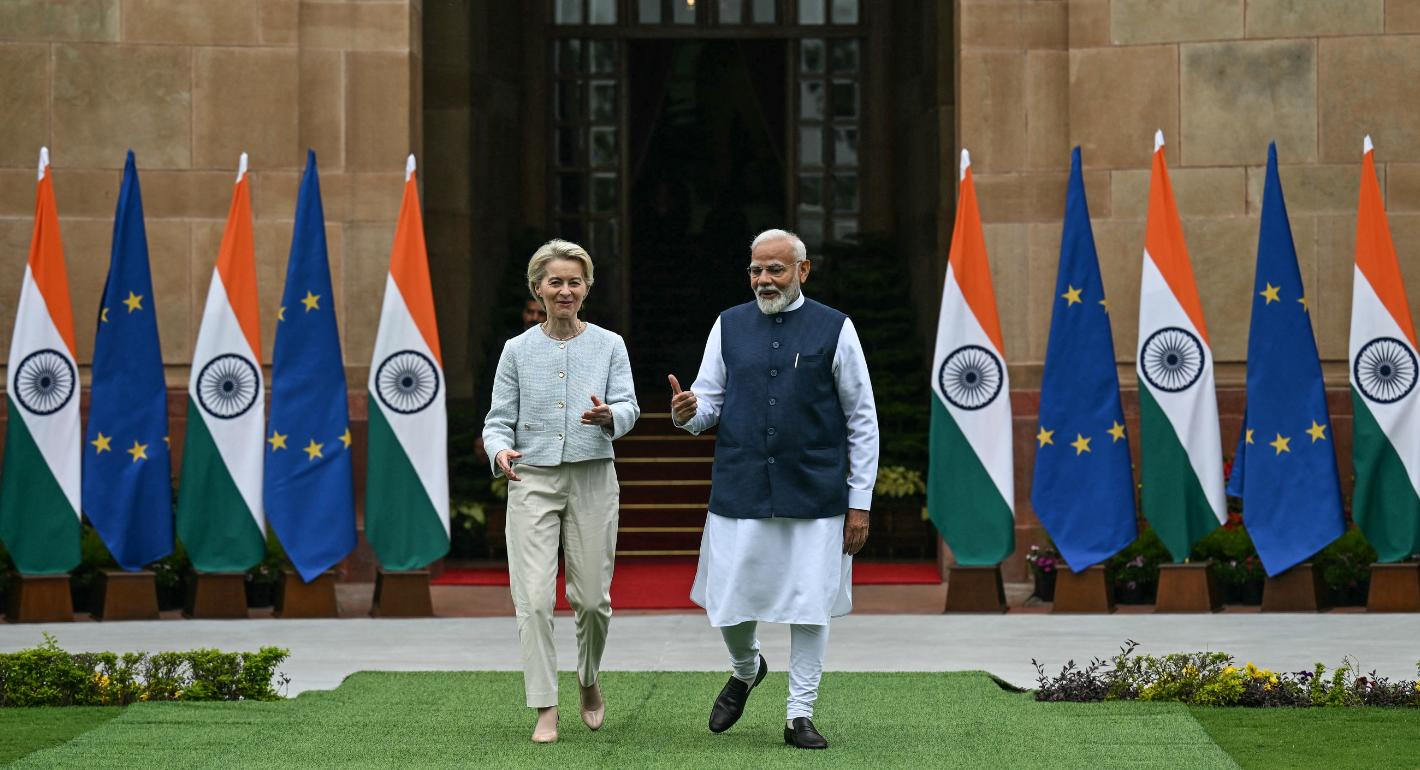
As European leadership prepares for the sixteenth EU-India Summit, both sides must reckon with trade-offs in order to secure a mutually beneficial Free Trade Agreement.

Dinakar Peri
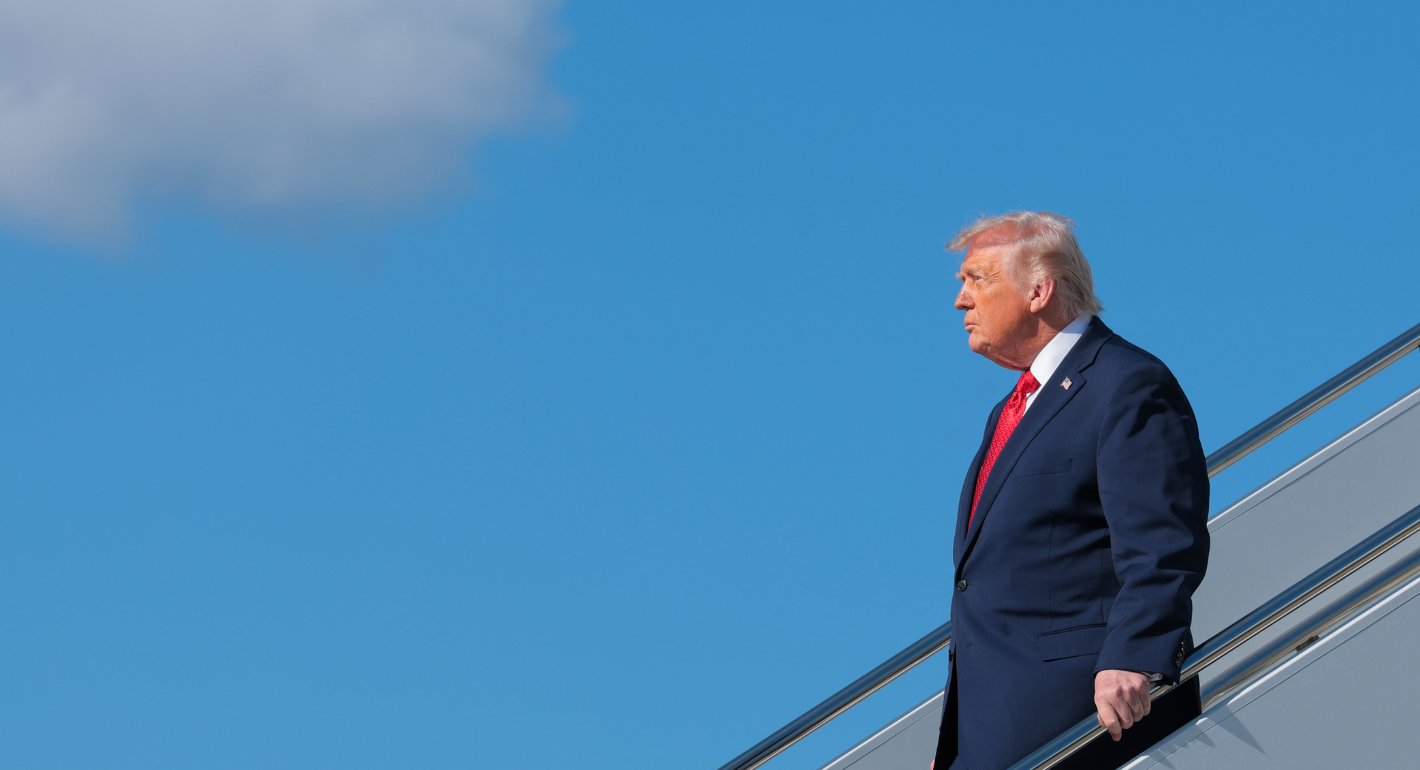
The hyper-personalized new version of global sphere-of-influence politics that Donald Trump wants will fail, as it did for Russia. In the meantime, Europe must still deal with a disruptive former ally determined to break the rules.

Thomas de Waal
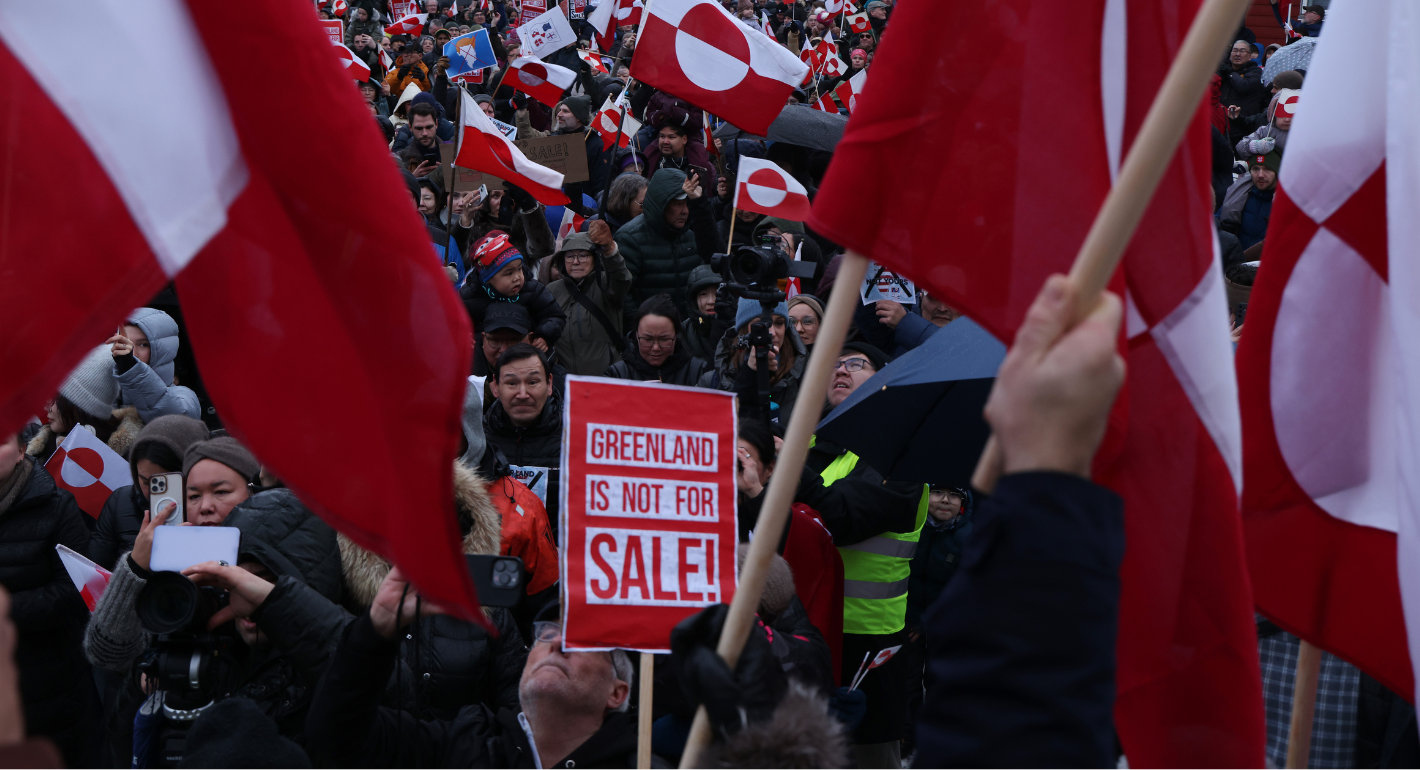
Between Greenland and U.S. interference in Europe’s democracies, transatlantic relations risk rising to an unprecedented level of crisis. Amid continued arguments on how Brussels should react, tough times lie ahead for European leaders.

Marc Pierini
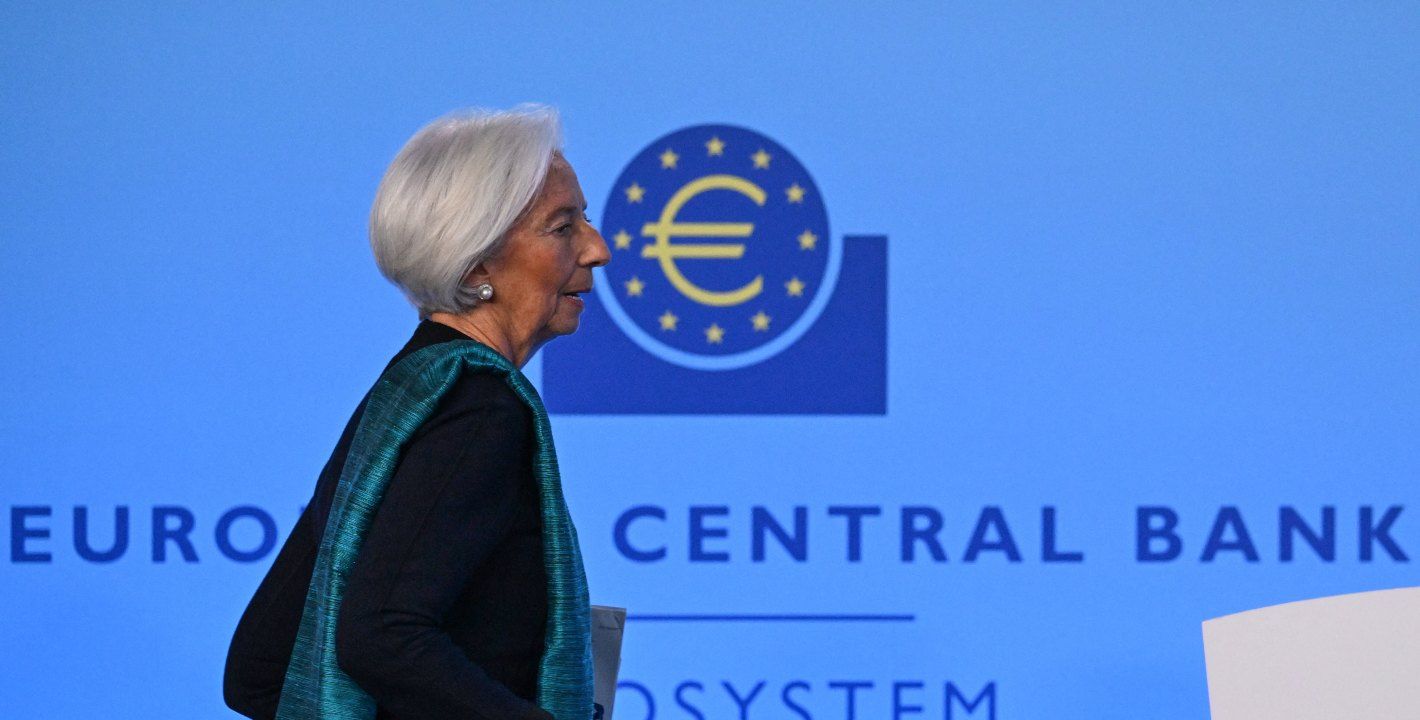
2026 has started in crisis, as the actions of unpredictable leaders shape an increasingly volatile global environment. To shift from crisis response to strategic foresight, what under-the-radar issues should the EU prepare for in the coming year?
Thomas de Waal
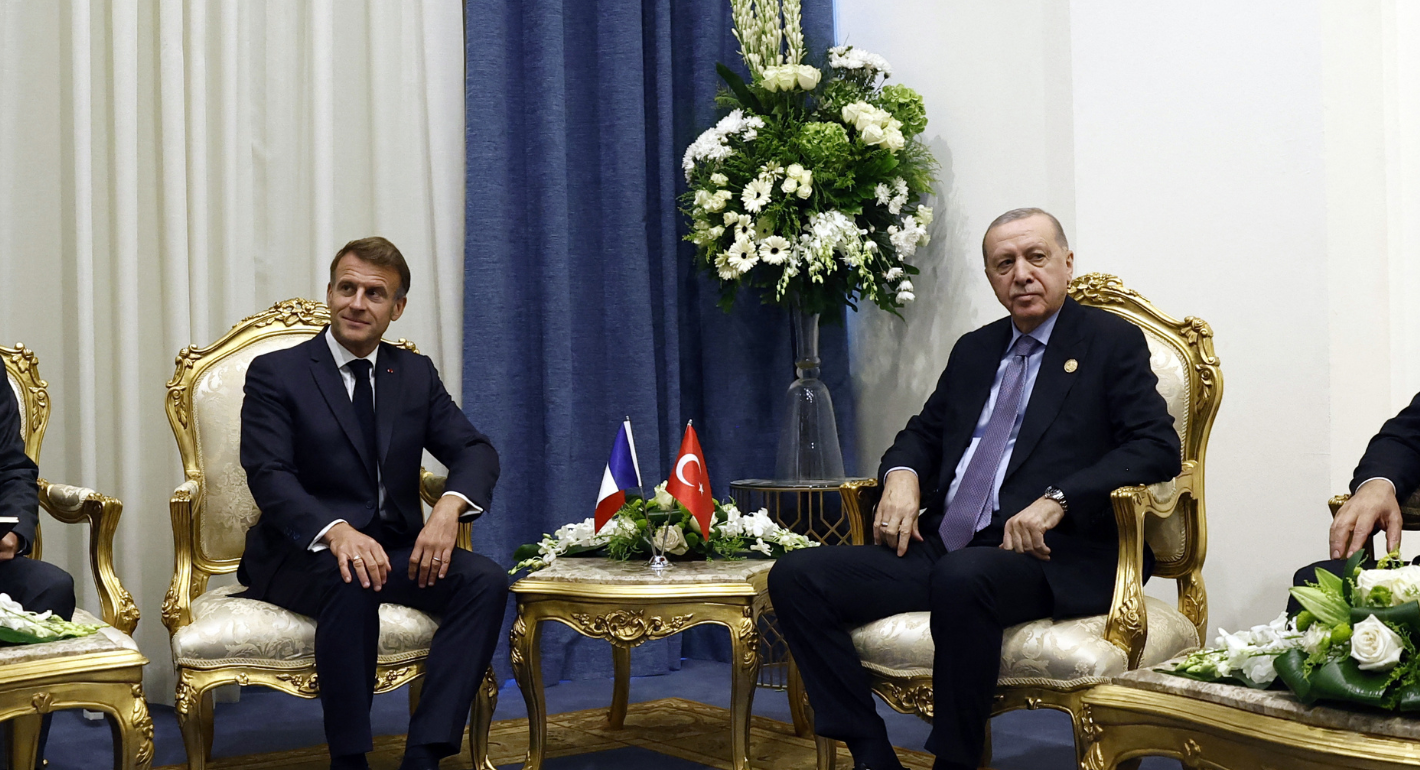
A renewal of relations between France and Turkey is vital to strengthen European strategic autonomy. To make this détente a reality, Paris and Ankara should move beyond personal friction and jointly engage with questions of Black Sea security.

Romain Le Quiniou