

Commentary
As European leadership prepares for the sixteenth EU-India Summit, both sides must reckon with trade-offs in order to secure a mutually beneficial Free Trade Agreement.
Dinakar Peri
{
  "authors": [
    "James M. Acton"
  ],
  "type": "legacyinthemedia",
  "centerAffiliationAll": "",
  "centers": [
    "Carnegie Endowment for International Peace",
    "Carnegie Russia Eurasia Center"
  ],
  "collections": [
    "U.S. Nuclear Policy",
    "Entanglement"
  ],
  "englishNewsletterAll": "",
  "nonEnglishNewsletterAll": "",
  "primaryCenter": "Carnegie Endowment for International Peace",
  "programAffiliation": "",
  "programs": [
    "Nuclear Policy"
  ],
  "projects": [],
  "regions": [
    "North America",
    "United States",
    "East Asia",
    "China",
    "Russia"
  ],
  "topics": [
    "Security",
    "Nuclear Policy",
    "Global Governance",
    "Foreign Policy",
    "Technology"
  ]
}
Nonnuclear weapons are increasingly able to threaten dual-use command, control, communication, and intelligence assets that are spaced based or distant from probable theaters of conflict.
Source: International Security
Nonnuclear weapons are increasingly able to threaten dual-use command, control, communication, and intelligence assets that are spaced based or distant from probable theaters of conflict. This form of “entanglement” between nuclear and nonnuclear capabilities creates the potential for Chinese or Russian nonnuclear strikes against the United States or U.S. strikes against either China or Russia to spark inadvertent nuclear escalation. Escalation pressures could be generated through crisis instability or through one of two newly identified mechanisms: “misinterpreted warning” or the “damage-limitation window.” The vulnerability of dual-use U.S. early-warning assets provides a concrete demonstration of the risks. These risks would be serious for two reasons. First, in a conventional conflict against the United States, China or Russia would have strong incentives to launch kinetic strikes on U.S. early-warning assets. Second, even limited strikes could undermine the United States' ability to monitor nuclear attacks by the adversary. Moreover, cyber interference with dual-use early-warning assets would create the additional danger of the target's misinterpreting cyber espionage as a destructive attack. Today, the only feasible starting point for efforts to reduce the escalation risks created by entanglement would be unilateral measures—in particular, organizational reform to ensure that those risks received adequate consideration in war planning, acquisition decisions, and crisis decisionmaking. Over the longer term, unilateral measures might pave the way for more challenging cooperative measures, such as agreed restrictions on threatening behavior.
Since first publishing this article, it has become clear to me that one of my arguments risks being misunderstood as implying that the United States has the capability to successfully undermine China’s or Russia’s nuclear deterrents. I argue that if the United States became concerned that its nuclear command, control, communication, and intelligence system was about to be attacked, it “could worry that its window of opportunity for conducting effective damage-limitation operations might have closed by the time the war turned nuclear.” I further argue that this concern—which I term the “damage-limitation window”—could spark escalation.
My point here is not that the United States has the capability to conduct effective damage-limitation operations. In fact, I have long argued that, today and for the foreseeable future, the United States could not deprive either China or Russia of its second-strike capability. Nonetheless, the United States openly acknowledges that it plans for damage-limitation operations. Even though these operations would almost certainly prove ineffective, in a large-scale conflict, decisionmakers might be reluctant to abandon the option of conducting them (not least because political leaders might not fully understand the full extent of their probable ineffectiveness). For this reason, the damage-limitation window could prove escalatory even as China and Russia retain survivable second-strike capabilities.
This preface was added based on feedback received after publication.
This article was originally published in International Security.
Carnegie does not take institutional positions on public policy issues; the views represented herein are those of the author(s) and do not necessarily reflect the views of Carnegie, its staff, or its trustees.
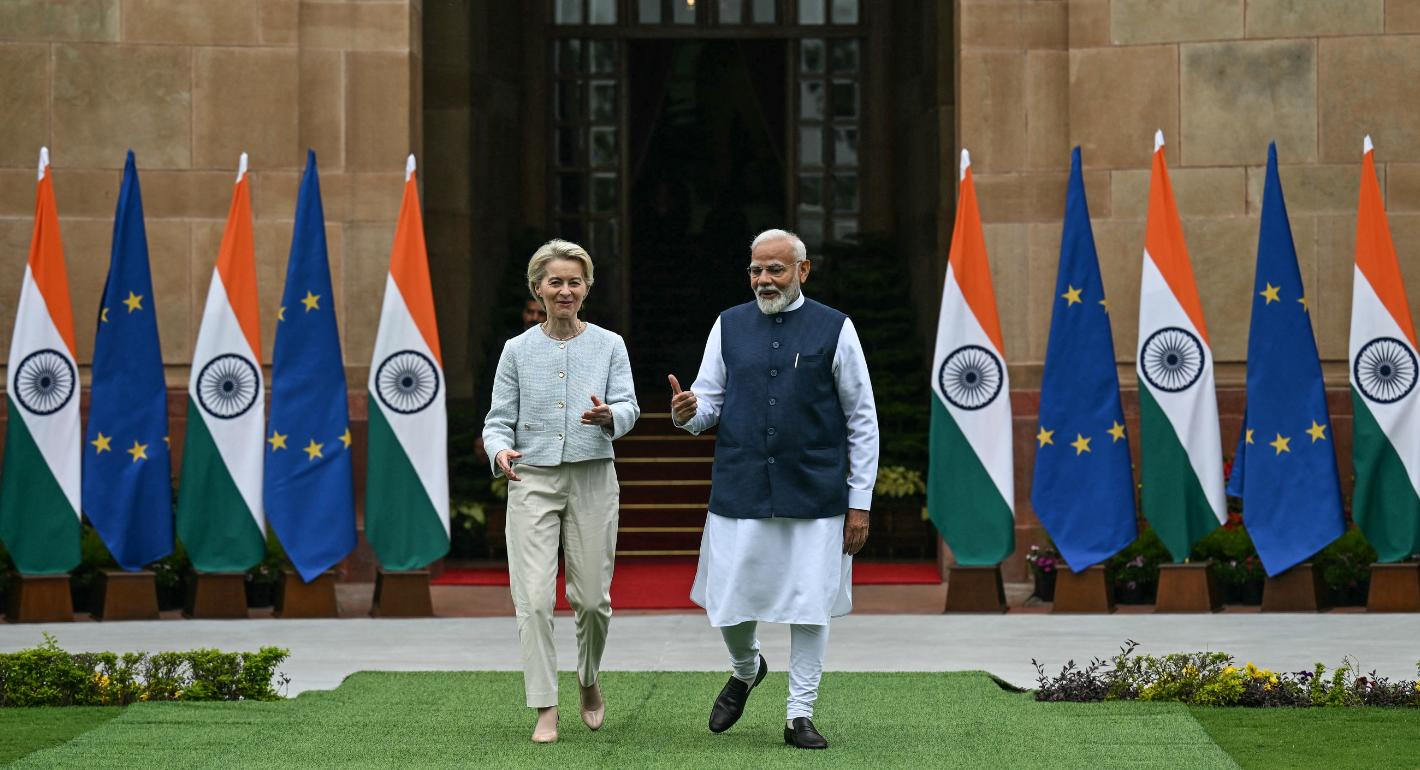
As European leadership prepares for the sixteenth EU-India Summit, both sides must reckon with trade-offs in order to secure a mutually beneficial Free Trade Agreement.

Dinakar Peri

The hyper-personalized new version of global sphere-of-influence politics that Donald Trump wants will fail, as it did for Russia. In the meantime, Europe must still deal with a disruptive former ally determined to break the rules.

Thomas de Waal

Between Greenland and U.S. interference in Europe’s democracies, transatlantic relations risk rising to an unprecedented level of crisis. Amid continued arguments on how Brussels should react, tough times lie ahead for European leaders.

Marc Pierini
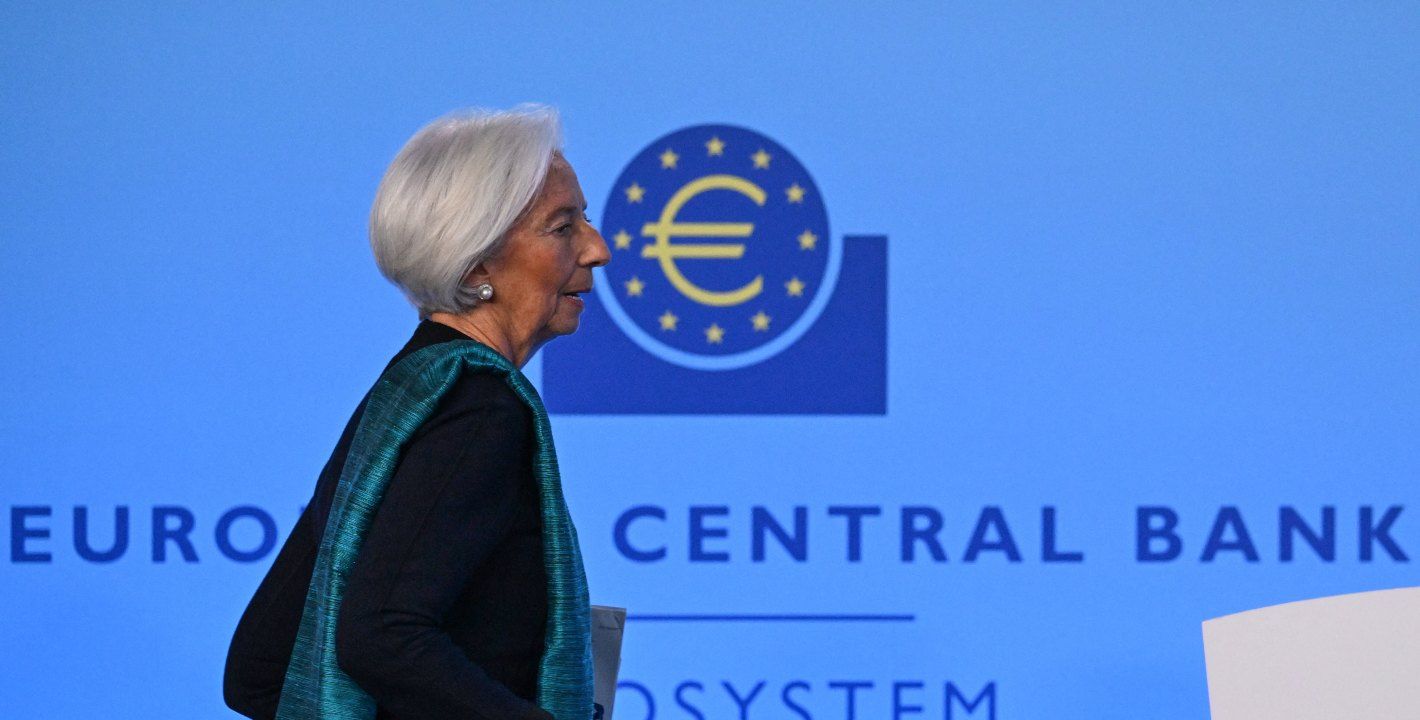
2026 has started in crisis, as the actions of unpredictable leaders shape an increasingly volatile global environment. To shift from crisis response to strategic foresight, what under-the-radar issues should the EU prepare for in the coming year?
Thomas de Waal
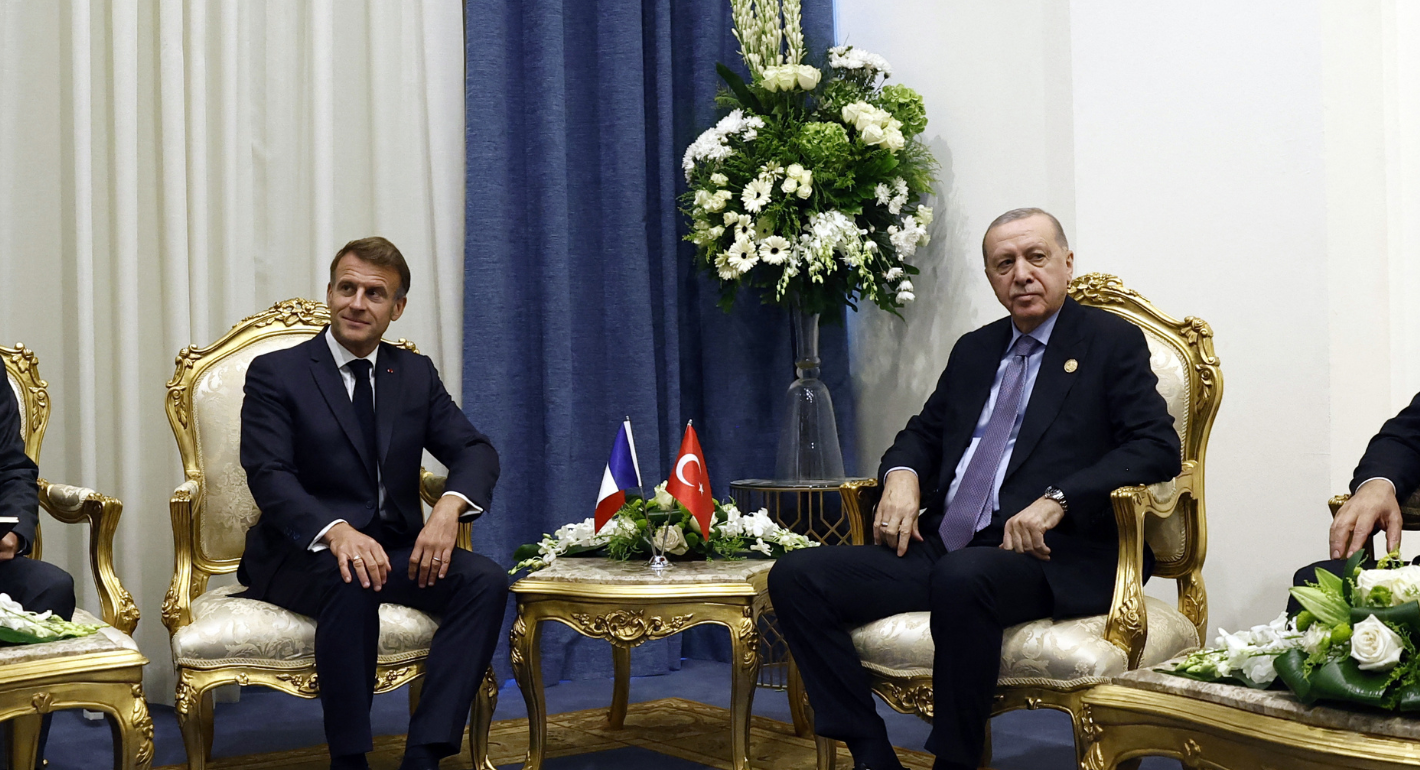
A renewal of relations between France and Turkey is vital to strengthen European strategic autonomy. To make this détente a reality, Paris and Ankara should move beyond personal friction and jointly engage with questions of Black Sea security.

Romain Le Quiniou