

Commentary
As European leadership prepares for the sixteenth EU-India Summit, both sides must reckon with trade-offs in order to secure a mutually beneficial Free Trade Agreement.
Dinakar Peri
{
  "authors": [
    "Darshana M. Baruah"
  ],
  "type": "legacyinthemedia",
  "centerAffiliationAll": "",
  "centers": [
    "Carnegie Endowment for International Peace",
    "Carnegie India"
  ],
  "collections": [],
  "englishNewsletterAll": "",
  "nonEnglishNewsletterAll": "",
  "primaryCenter": "Carnegie India",
  "programAffiliation": "",
  "programs": [
    "South Asia"
  ],
  "projects": [
    "Security Studies",
    "Indian Ocean Initiative"
  ],
  "regions": [
    "India",
    "Indo-Pacific",
    "France"
  ],
  "topics": [
    "Foreign Policy"
  ]
}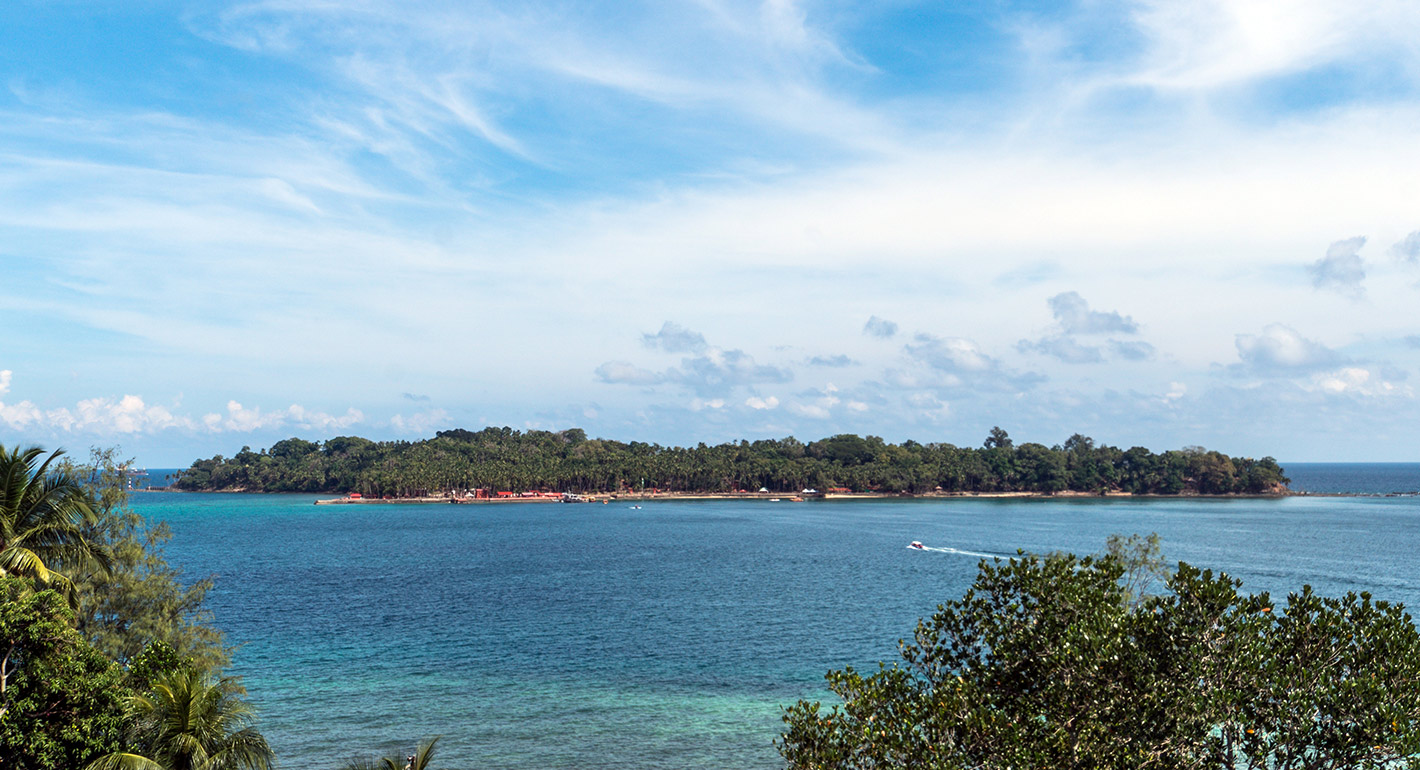
As countries debate an emerging security architecture in the Indo-Pacific, a key area is missing from the discussion: the role of islands. Much as they did in the past, islands will come to play a critical role in shaping the new order in the Indian Ocean region.
Source: War on the Rocks
Strategic islands played a key role in establishing the British empire’s dominance over the Indian Ocean region. Through a ring of bases and naval presence on islands, the British essentially controlled the entry points into this crucial area. In the east it had Singapore and the Andaman and Nicobar Islands, while Socotra and the port city of Aden provided access to the Red Sea and Bab-el Mandeb. With control of Sri Lanka, Maldives, Mauritius, the Seychelles and, briefly, Madagascar, the empire turned the Indian Ocean into a “British Lake.” To consolidate its presence along the coast of Africa, the British Empire fought bloody wars to take control of Kenya, Uganda, and the island of Zanzibar. With these islands and coastal territories, the empire projected its power across the region and dominated the key chokepoints and shipping lines between Asia, Africa, and Europe.
History has time and again highlighted the importance of islands in establishing naval dominance. In the 21st century, maritime affairs have returned to prominence on the geopolitical stage. As countries debate an emerging security architecture in the Indo-Pacific, a key area is missing from the discussion: the role of islands. Much as they did in the past, islands will come to play a critical role in shaping the new order in the Indian Ocean region.
Carnegie does not take institutional positions on public policy issues; the views represented herein are those of the author(s) and do not necessarily reflect the views of Carnegie, its staff, or its trustees.
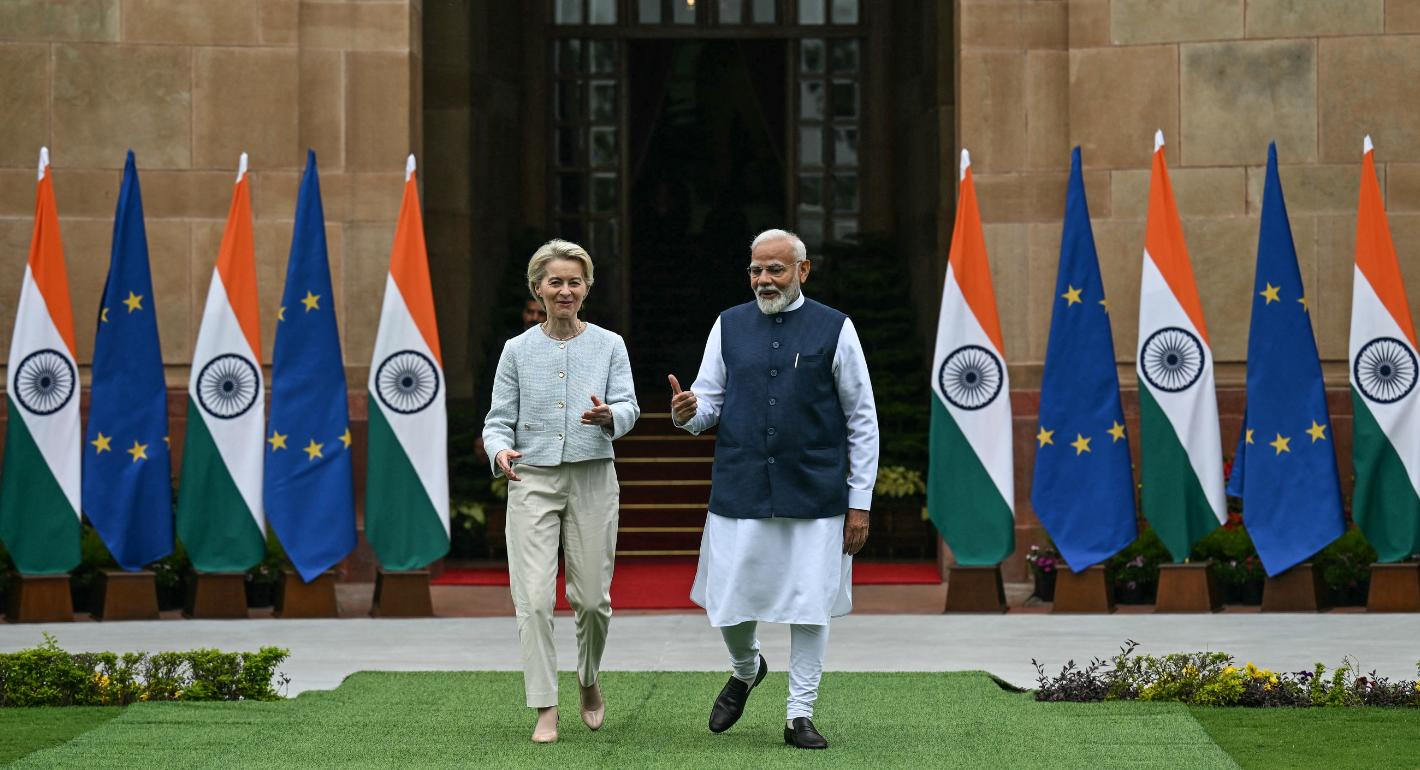
As European leadership prepares for the sixteenth EU-India Summit, both sides must reckon with trade-offs in order to secure a mutually beneficial Free Trade Agreement.

Dinakar Peri
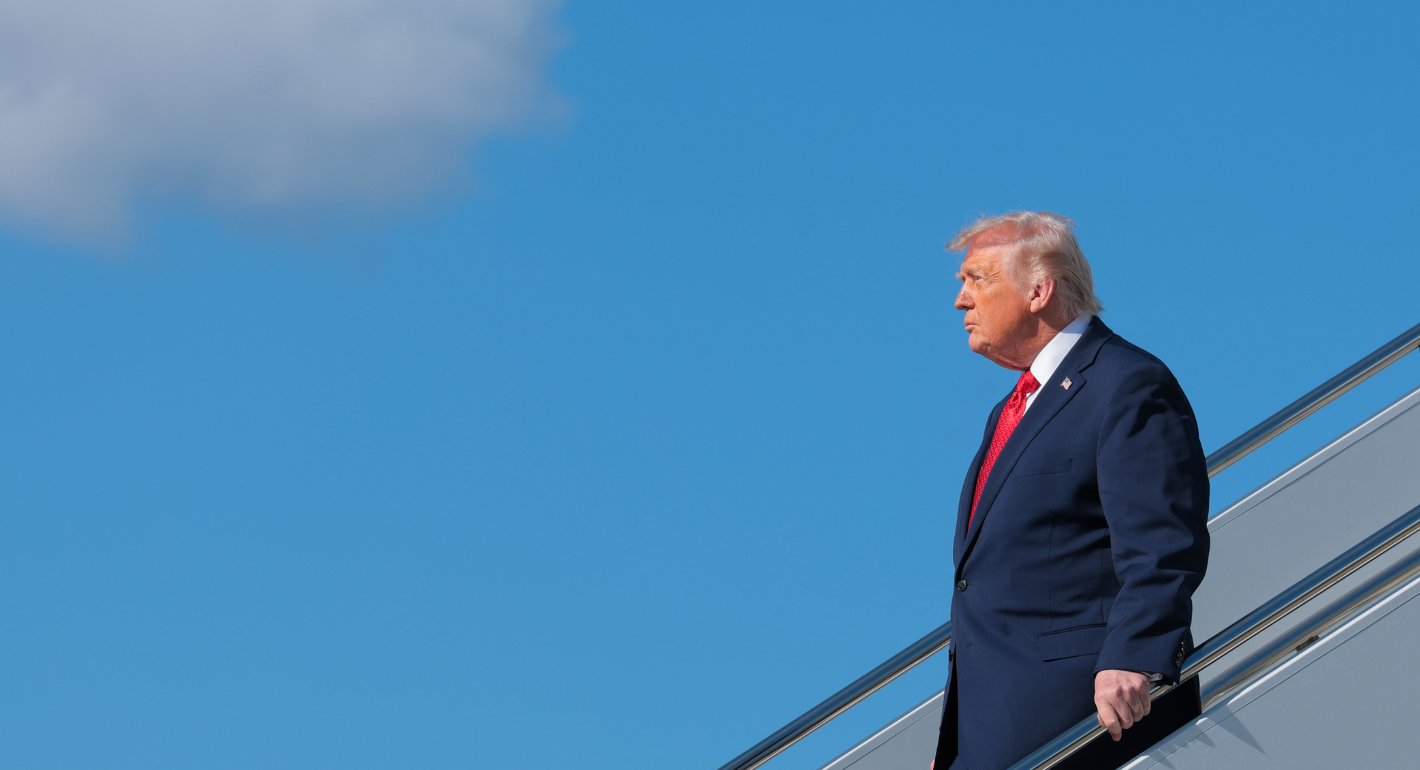
The hyper-personalized new version of global sphere-of-influence politics that Donald Trump wants will fail, as it did for Russia. In the meantime, Europe must still deal with a disruptive former ally determined to break the rules.

Thomas de Waal
2026 has started in crisis, as the actions of unpredictable leaders shape an increasingly volatile global environment. To shift from crisis response to strategic foresight, what under-the-radar issues should the EU prepare for in the coming year?
Thomas de Waal
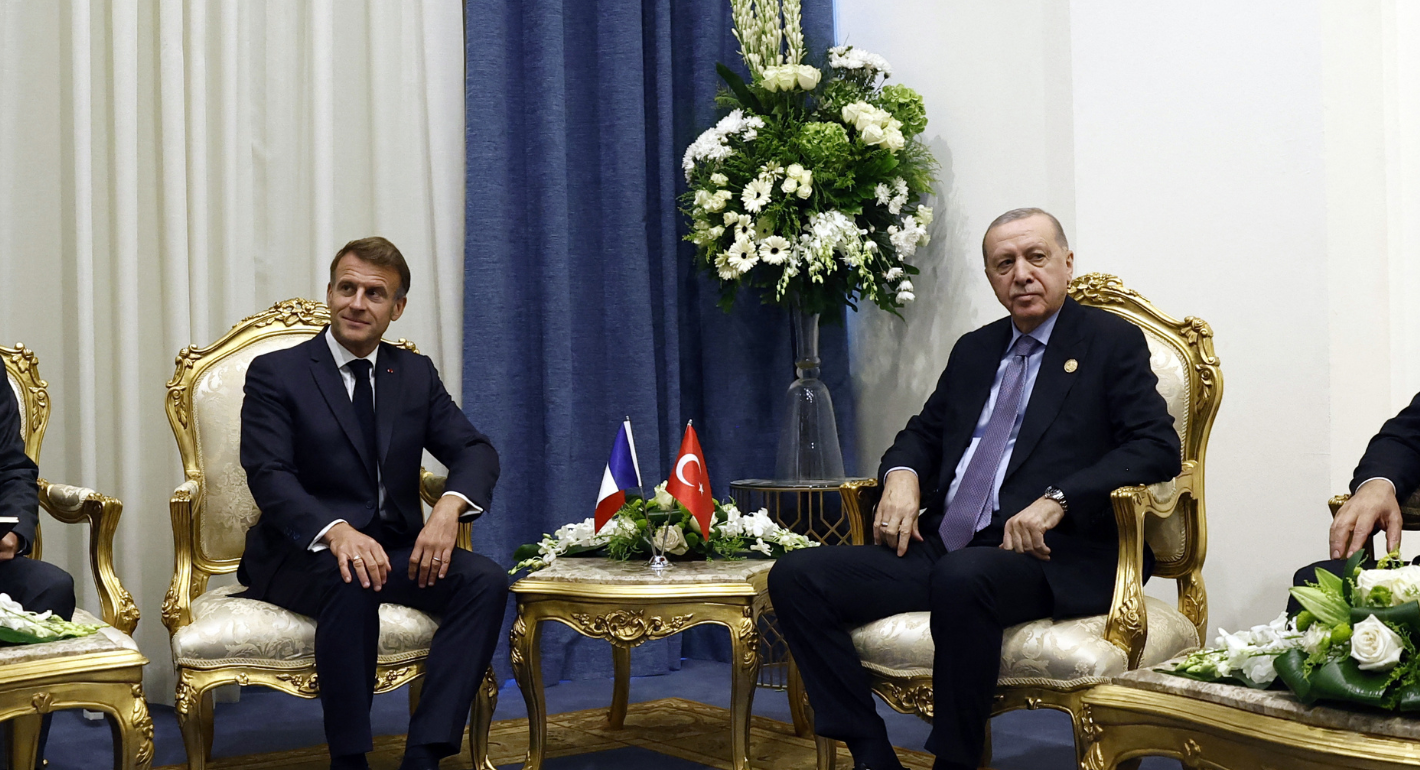
A renewal of relations between France and Turkey is vital to strengthen European strategic autonomy. To make this détente a reality, Paris and Ankara should move beyond personal friction and jointly engage with questions of Black Sea security.

Romain Le Quiniou
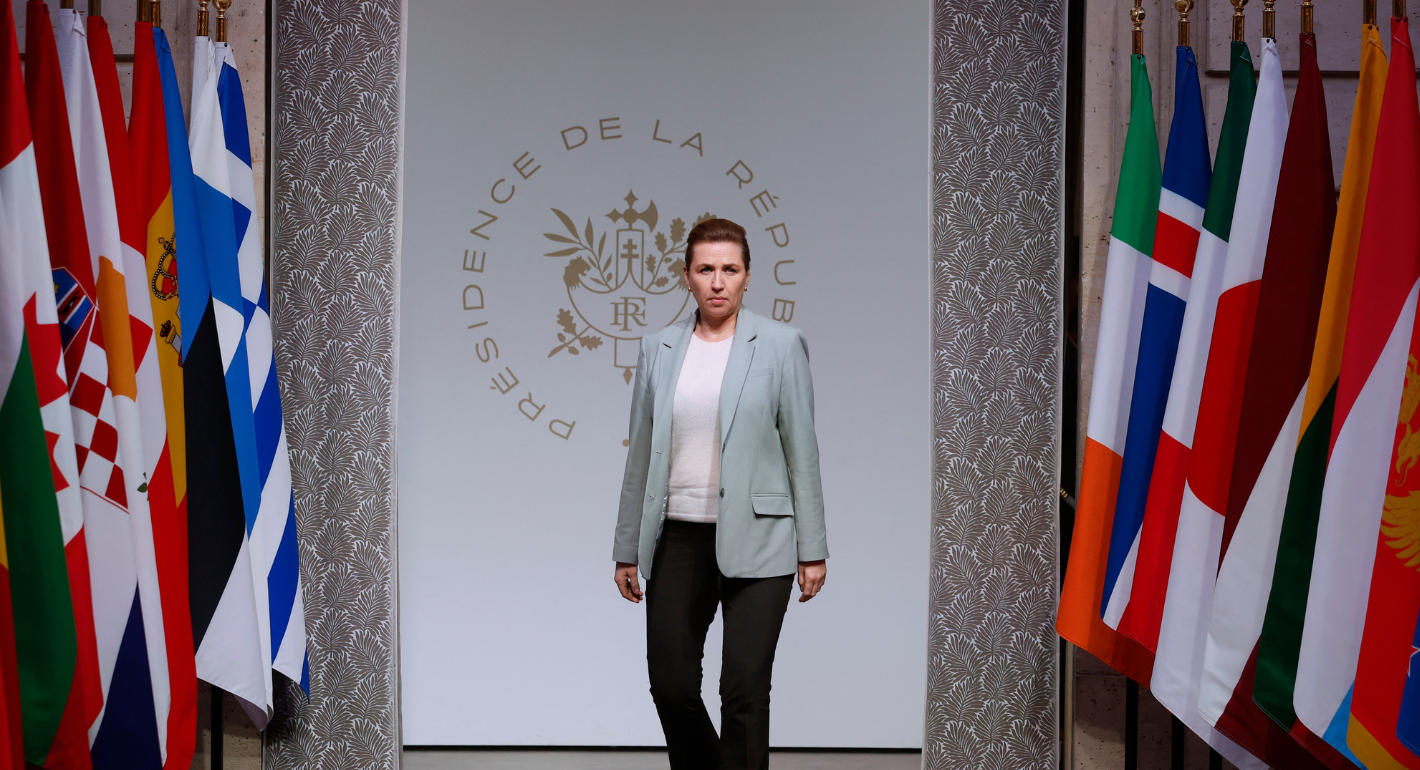
Europe is designing a new model of collective security that no longer relies on the United States. For this effort to succeed, solidarity between member states that have different threat perceptions is vital.

Erik Jones