

Commentary
As European leadership prepares for the sixteenth EU-India Summit, both sides must reckon with trade-offs in order to secure a mutually beneficial Free Trade Agreement.
Dinakar Peri
{
  "authors": [
    "Darshana M. Baruah"
  ],
  "type": "other",
  "centerAffiliationAll": "",
  "centers": [
    "Carnegie Endowment for International Peace",
    "Carnegie India"
  ],
  "collections": [],
  "englishNewsletterAll": "",
  "nonEnglishNewsletterAll": "",
  "primaryCenter": "Carnegie India",
  "programAffiliation": "",
  "programs": [
    "South Asia"
  ],
  "projects": [
    "Security Studies"
  ],
  "regions": [
    "Middle East",
    "Indo-Pacific",
    "China"
  ],
  "topics": [
    "Foreign Policy"
  ]
}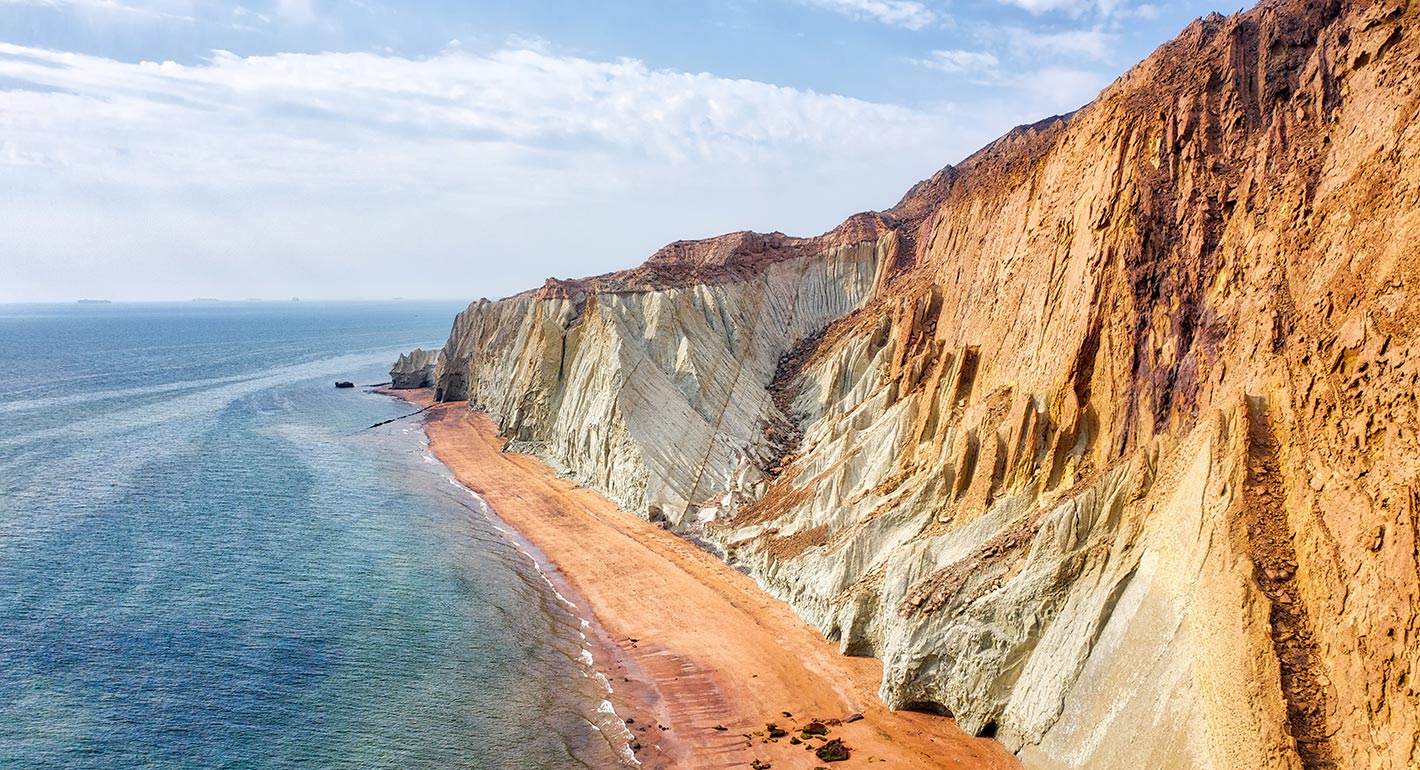
The recent developments around the Strait of Hormuz have once again highlighted the importance of maritime chokepoints and their connection to regional geopolitics.
Source: ChinaFile
The recent developments around the Strait of Hormuz have once again highlighted the importance of maritime chokepoints and their connection to regional geopolitics. While Iran’s ability to unilaterally block the strait of Hormuz might be questionable, the possibility of its disruption of the movement of vessels has elicited concern across the region. As the threat persists, Washington has called on its allies, partners, and other stakeholders to take responsibility for the safety of their own vessels transiting the Strait of Hormuz. However, while Washington expects its traditional allies to respond to its call for joint efforts to secure the region, it must also consider China’s interests and ability to do so. Encouraging Chinese presence at this key chokepoint would have three serious consequences.
One, it would engender further speculation on Washington’s uncertain commitment to the region, thereby creating a vacuum in which new actors could emerge, throwing into question the current security architecture of the Indian Ocean region. It would effectively undermine India’s potential role as a net security provider in the Indian Ocean, eroding its geographic advantage. Such a presence in the strategic waterway, along with its presence in Djibouti, will significantly increase China’s ability to play an increased and active role in the Indian Ocean. Should China manage to sustain a presence along these key straits, it would effectively have credible presence across two key chokepoints in the Indian Ocean, Bab-el-Mandeb (through Djibouti) and the Strait of Hormuz, thereby providing a vantage point for Africa and the Middle East.
Two, welcoming and encouraging Chinese presence along the Strait of Hormuz would legitimize Beijing’s overseas bases. China has indicated the need to maintain a sustainable presence (perhaps through military bases) to protect its maritime interests, and its case would be strengthened if it increased its presence in strategically important maritime chokepoints in the Middle East.
Three, inviting China to provide security in the Strait of Hormuz to maintain peace and stability would lend credence to Beijing’s claims of being a responsible global actor. This would signal the international community’s acceptance of Chinese disregard for international laws and norms, especially in the South China Sea and the East China Sea. Moreover, China’s presence in the region would directly affect countries with whom Beijing has border disputes, especially India and Japan. Both countries rely on the Middle East for its oil and natural gas.
One of China’s challenges in the Indian Ocean has been its geographical distance from the region, making Beijing rely on traditional actors that already have a presence in the region, such as the U.S. and India, for sea lines of communication (SLOC) protection of its energy routes. Chinese presence across these straits would not only allow China to secure and protect its own energy lines, but would also threaten to disrupt the energy routes of its adversaries.
While it is important for China to contribute toward regional security, that shouldn’t happen until China demonstrates its commitment to conducting its activities under established international rules and norms.
Carnegie does not take institutional positions on public policy issues; the views represented herein are those of the author(s) and do not necessarily reflect the views of Carnegie, its staff, or its trustees.
As European leadership prepares for the sixteenth EU-India Summit, both sides must reckon with trade-offs in order to secure a mutually beneficial Free Trade Agreement.

Dinakar Peri
The hyper-personalized new version of global sphere-of-influence politics that Donald Trump wants will fail, as it did for Russia. In the meantime, Europe must still deal with a disruptive former ally determined to break the rules.

Thomas de Waal
2026 has started in crisis, as the actions of unpredictable leaders shape an increasingly volatile global environment. To shift from crisis response to strategic foresight, what under-the-radar issues should the EU prepare for in the coming year?
Thomas de Waal
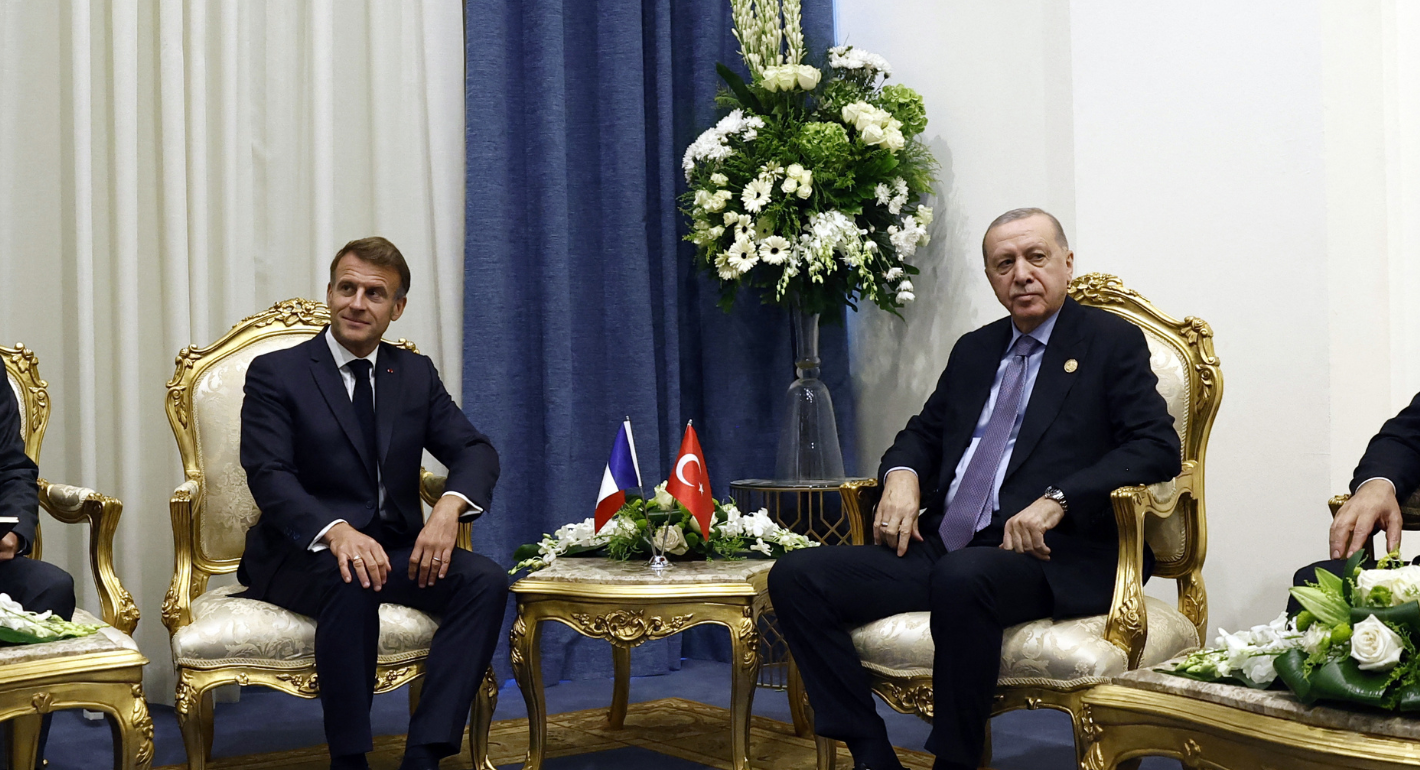
A renewal of relations between France and Turkey is vital to strengthen European strategic autonomy. To make this détente a reality, Paris and Ankara should move beyond personal friction and jointly engage with questions of Black Sea security.

Romain Le Quiniou
Europe is designing a new model of collective security that no longer relies on the United States. For this effort to succeed, solidarity between member states that have different threat perceptions is vital.

Erik Jones