

Commentary
As European leadership prepares for the sixteenth EU-India Summit, both sides must reckon with trade-offs in order to secure a mutually beneficial Free Trade Agreement.
Dinakar Peri
{
  "authors": [
    "H. A. Hellyer"
  ],
  "type": "legacyinthemedia",
  "centerAffiliationAll": "",
  "centers": [
    "Carnegie Endowment for International Peace",
    "Malcolm H. Kerr Carnegie Middle East Center"
  ],
  "collections": [],
  "englishNewsletterAll": "",
  "nonEnglishNewsletterAll": "",
  "primaryCenter": "Carnegie Endowment for International Peace",
  "programAffiliation": "",
  "programs": [
    "Middle East"
  ],
  "projects": [],
  "regions": [
    "North America",
    "United States",
    "Middle East",
    "North Africa"
  ],
  "topics": [
    "Political Reform",
    "Foreign Policy",
    "Global Governance",
    "Religion"
  ]
}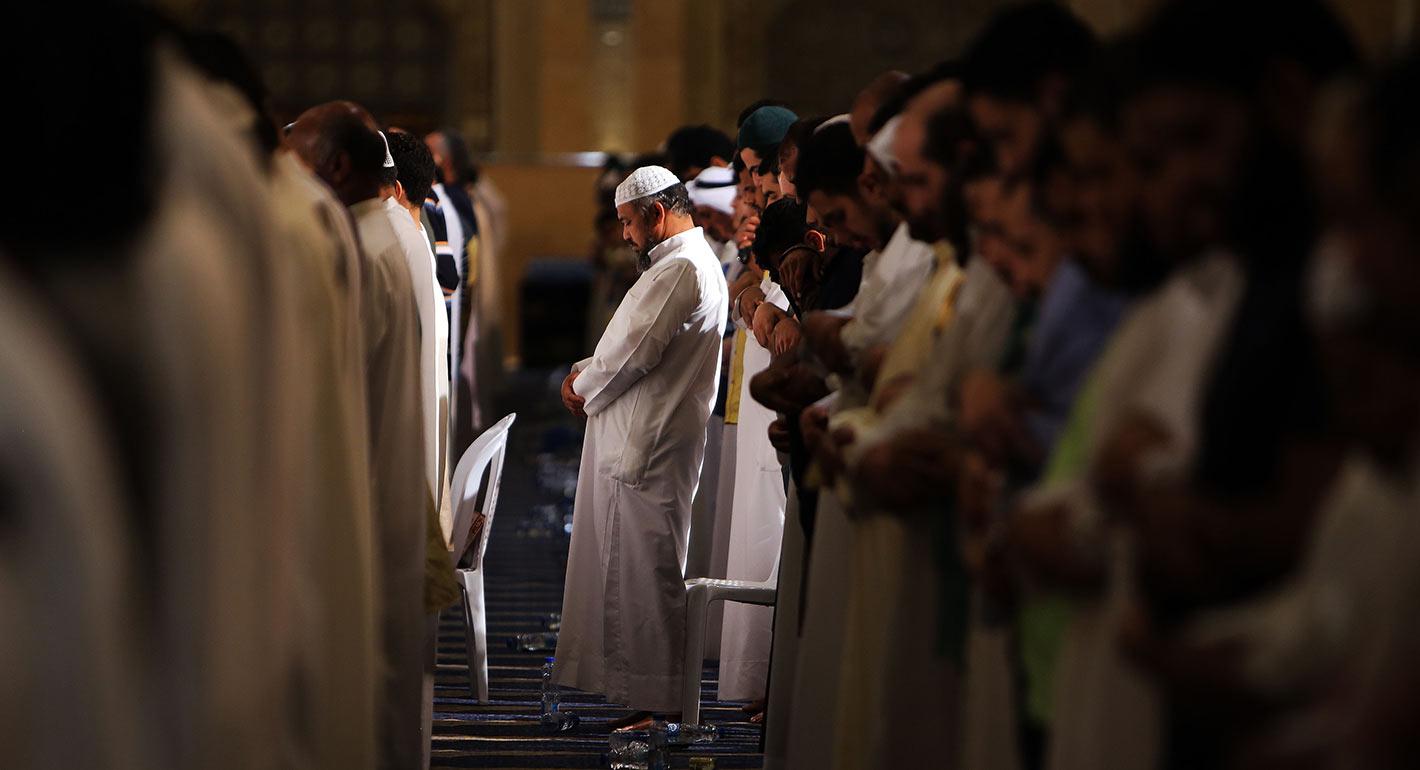
The representation of religion in mainstream media often leaves a great deal to be desired. When it comes to Islam, it is often abysmal.
Source: ABC AU
The representation of religion in mainstream media often leaves a great deal to be desired. The level of religious literacy, generally speaking, is rather poor; but when it comes to Islam, it is often abysmal. Of course, when the media outlet in question is a respectable one, it is reasonable to expect that some fact-checking or editorial scrutiny will weed out the more erroneous claims that might otherwise be presented as ‘facts’.
A recent column published by the Times of London demonstrates why such editorial diligence, especially when religious claims are concerned, is so vital.
Admittedly, the columnist, Melanie Phillips, has form when it comes to anti-Muslim bigotry. Nevertheless, the Times seemingly did nothing to prevent her from describing “the doctrine of taqiyya” as “the command to deceive for Islam.” She goes on to enlist the claim of a deceased professor (without citation) that such divinely authorised deceit is common practice among Muslims.
This is, of course, nonsense. And had Phillips or her editor done their due diligence, they would have discovered as much.
Taqiyya is, after all, a concept that is fairly easily fact-checked — but the consequences of not checking such sweeping claims are immense because they contribute further to the demonisation of Muslim communities, particularly in the West where they already face entrenched societal antipathy.
Taqiyya is a practice whereby an individual may be less than fully truthful, when such an individual is reasonably afraid that the consequences of being fully truthful may place him or her into serious jeopardy by an oppressor. In other words, if telling the truth is going to place your life or wellbeing at risk, you can say what you need to survive and stay safe.
Generally speaking, in Islamic law necessity makes the forbidden, permissible. So, for example, while alcohol is generally forbidden for believers, if they have no choice but to drink alcohol in order to avoid grievous harm, they are permitted to do so. The same is true when it comes to being completely truthful.
This is hardly a controversial principle. In English law, for example, the doctrine of necessity is a defence for any accused, if it can be shown that the criminal act that the accused engaged in was the only one they could do in order to protect their lives. In Judaic law, to refer to a another religious tradition, the principle of pikuach nefesh has it that the preservation of human life overrides virtually any other religious rule — including telling the whole truth.
Can the doctrine of necessity be abused? Can the principle of pikuach nefesh be misapplied? Can taqiyya be practiced in an incorrect fashion? Of course. Is the risk of the abuse of a moral or legal principle grounds to dismiss an entire religion, or a system of common law? Of course not.
It used to be that the very word taqiyya was scarcely known, even among Muslims. The word’s use was largely limited to Shi’i communities, who discussed it and its permissibility due to their minority status in majority Sunni communities, where they might have felt under duress. Today, however, the word has been popularised and weaponised by anti-Muslim discourse — as noted above, with grave consequences. For how better to ensure Muslims can never have a voice, or take part in public deliberation, or make certain grievances known, than by insinuating that they are, as a religion, deceitful?
Melanie Phillips’s column was written in response to the murders committed by British terrorist Usman Khan. Her claim was that, because of the practice of taqiyya, Muslims who underwent rehabilitation in prison, like Khan, could never be trusted to speak the truth about the effectiveness of their rehabilitation. Of course, none of this is peculiar to Muslims; as any specialist in rehabilitation will confirm, one should never rely solely on the words of the convicted to determine whether they have been rehabilitated. Because, unsurprisingly, criminals often lie.
But by turning this into a specifically Muslim problem, the upshot is to problematise Muslims tout court — or perhaps that’s the whole point. For a British newspaper to allow a piece that does this, at a time when Muslims already face significant anti-Muslim and Islamophobic sentiment, makes the decision all the more egregious.
Not that this is peculiar to Melanie Phillips, or the Times, or even to the British press. The mainstreaming of anti-Muslim sentiment across the West, whether through ignorance or deliberate disinformation, has been well-documented by the Center for American Progress. and Islamophobia is a feature, not a bug, in many of our democracies.
The irony here should not be lost on us. Isn’t it precisely the claim of anti-Muslim bigots that Muslims wantonly employ deceit, under the principle of taqiyya, in order to further their ideological ends? But if anyone is using taqiyya in such a grotesque fashion, here, it’s the promoters of anti-Muslim bigotry themselves.
Carnegie does not take institutional positions on public policy issues; the views represented herein are those of the author(s) and do not necessarily reflect the views of Carnegie, its staff, or its trustees.
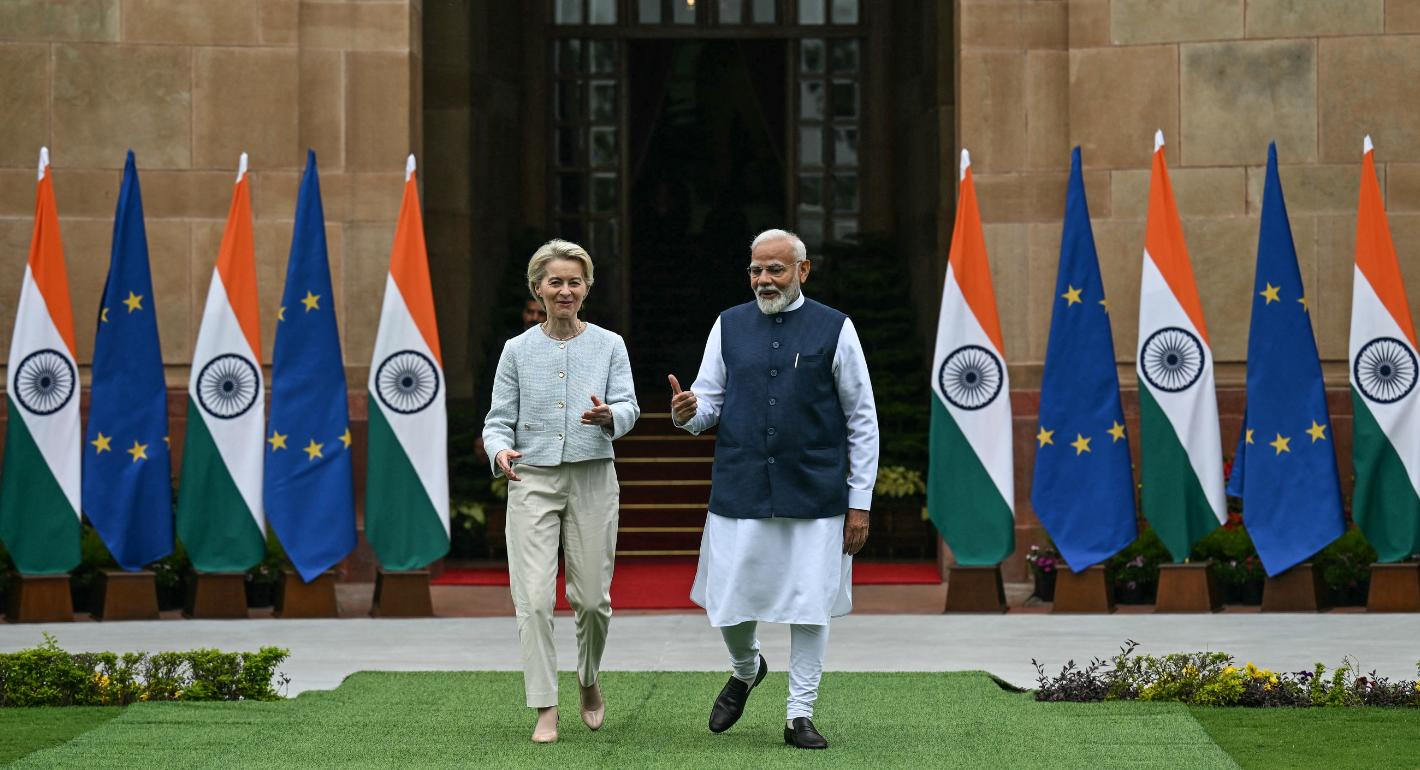
As European leadership prepares for the sixteenth EU-India Summit, both sides must reckon with trade-offs in order to secure a mutually beneficial Free Trade Agreement.

Dinakar Peri
Carnegie scholars examine the crucial elements of a document that’s radically different than its predecessors.

James M. Acton, Saskia Brechenmacher, Cecily Brewer, …
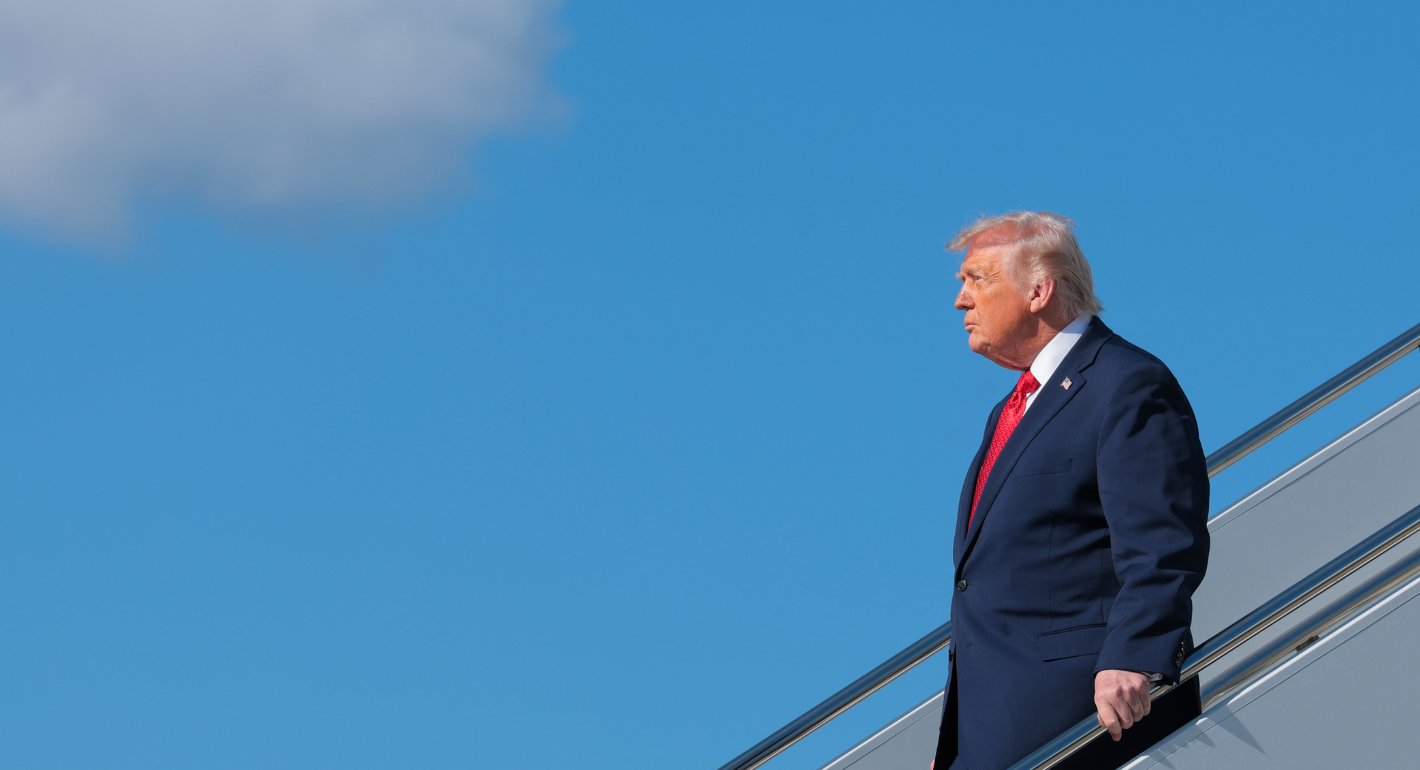
The hyper-personalized new version of global sphere-of-influence politics that Donald Trump wants will fail, as it did for Russia. In the meantime, Europe must still deal with a disruptive former ally determined to break the rules.
Thomas de Waal
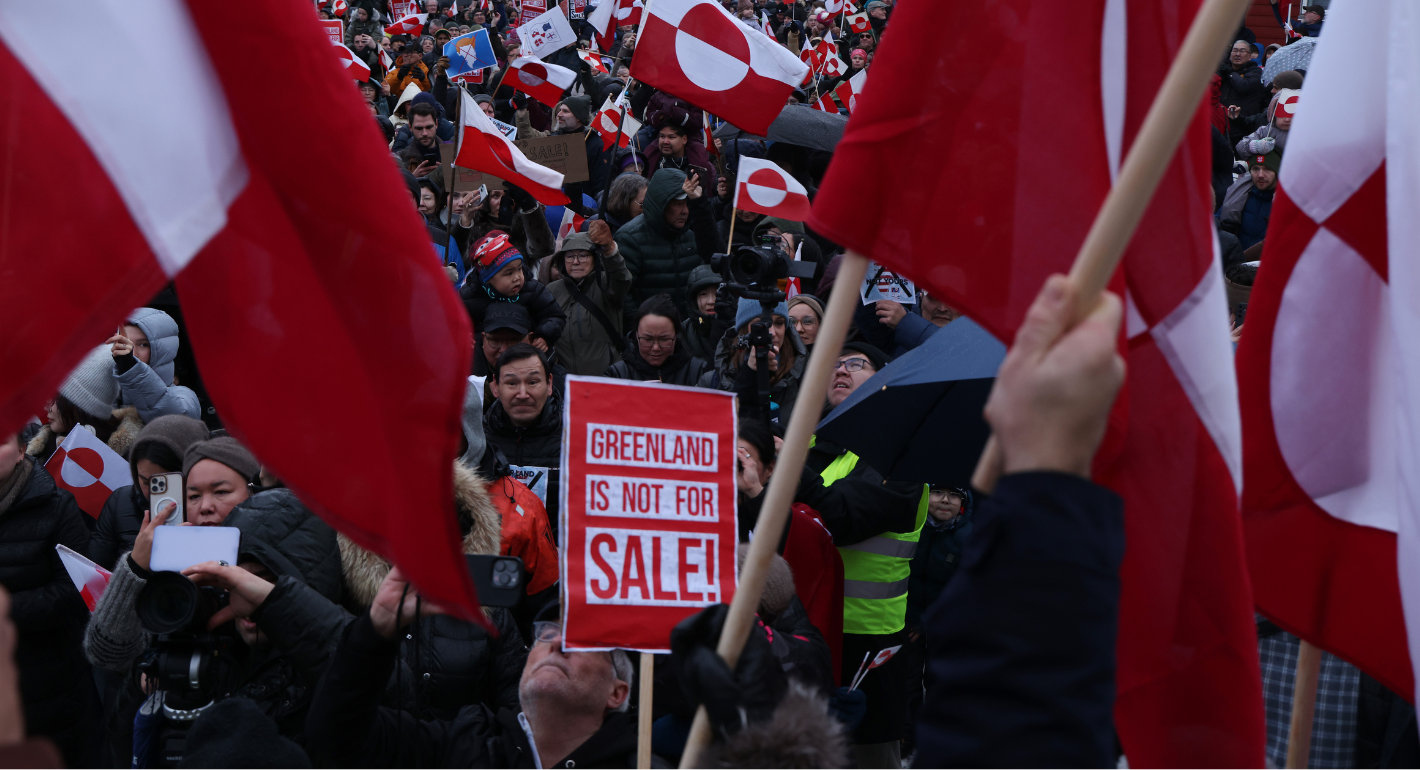
Between Greenland and U.S. interference in Europe’s democracies, transatlantic relations risk rising to an unprecedented level of crisis. Amid continued arguments on how Brussels should react, tough times lie ahead for European leaders.
Marc Pierini
2026 has started in crisis, as the actions of unpredictable leaders shape an increasingly volatile global environment. To shift from crisis response to strategic foresight, what under-the-radar issues should the EU prepare for in the coming year?
Thomas de Waal