

Commentary
As European leadership prepares for the sixteenth EU-India Summit, both sides must reckon with trade-offs in order to secure a mutually beneficial Free Trade Agreement.
Dinakar Peri
{
  "authors": [
    "Lyu Jinghua"
  ],
  "type": "legacyinthemedia",
  "centerAffiliationAll": "",
  "centers": [
    "Carnegie Endowment for International Peace",
    "Carnegie China"
  ],
  "collections": [
    "Major Power Tech Relations"
  ],
  "englishNewsletterAll": "",
  "nonEnglishNewsletterAll": "",
  "primaryCenter": "Carnegie Endowment for International Peace",
  "programAffiliation": "",
  "programs": [
    "Technology and International Affairs"
  ],
  "projects": [],
  "regions": [
    "Iran",
    "East Asia",
    "China"
  ],
  "topics": [
    "Technology",
    "Economy",
    "Security"
  ]
}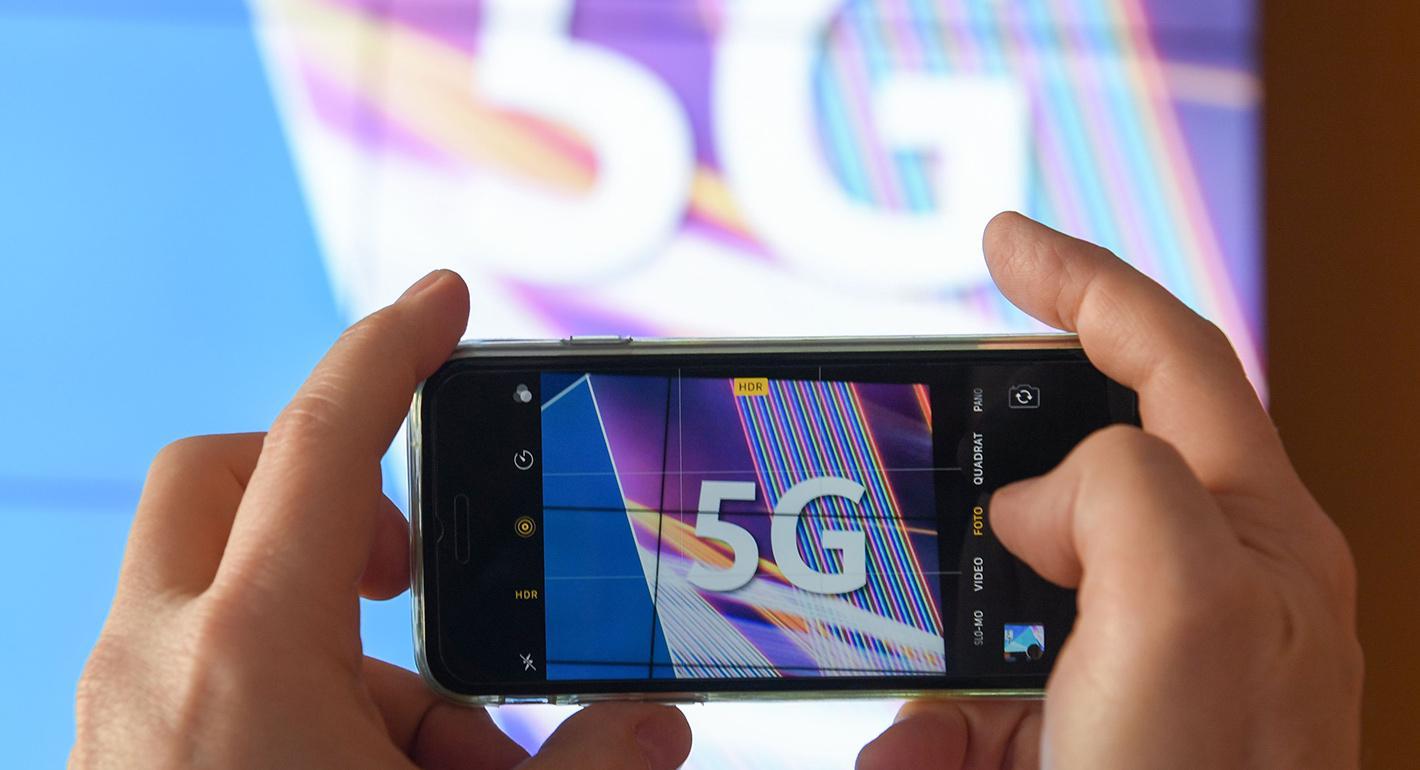
With the potential of enabling not only significant economic growth but also the innovation of critical technologies in various fields, both the United States and China view 5G as one of the key influencing factors in the “great power competition.”
Source: Italian Institute for International Political Studies
With the potential of enabling not only significant economic growth but also the innovation of critical technologies in various fields, both the US and China view 5G as one of the key influencing factors in the “great power competition”. While the US believes that “the race to 5G is a race America must win”, China views it as representing the major leapfrog of its position in ICTs by describing the progress as “1G behind, 2G follow, 3G breakthrough, 4G synchronization, 5G leading”. Differently from competition in other traditional areas, companies rather than governments – the Chinese company Huawei as the most noticeable one – have played a significant role and become the pawns of the geopolitical game. Despite the obvious benefits such as lower costs and higher efficiency in using Huawei’s products, the company is now under huge pressure of being excluded from 5G networks by more and more Western economies – especially following Britain’s reversal of its decision.
All the declared concerns supporting the ban of Huawei, including the risks of surveillance and data collection and the potential vulnerabilities to cyberattacks or installed kill switches, sound reasonable at first. However, it is fair to say that these are inherent risks embedded in all ICT products. Why is Huawei so alarming, then? The frequently heard answer is that Huawei has much closer relations with the Chinse government than the usual ones, with three main accusations. Are they convincing enough?
This article was originally published in the Italian Institute for International Political Studies.
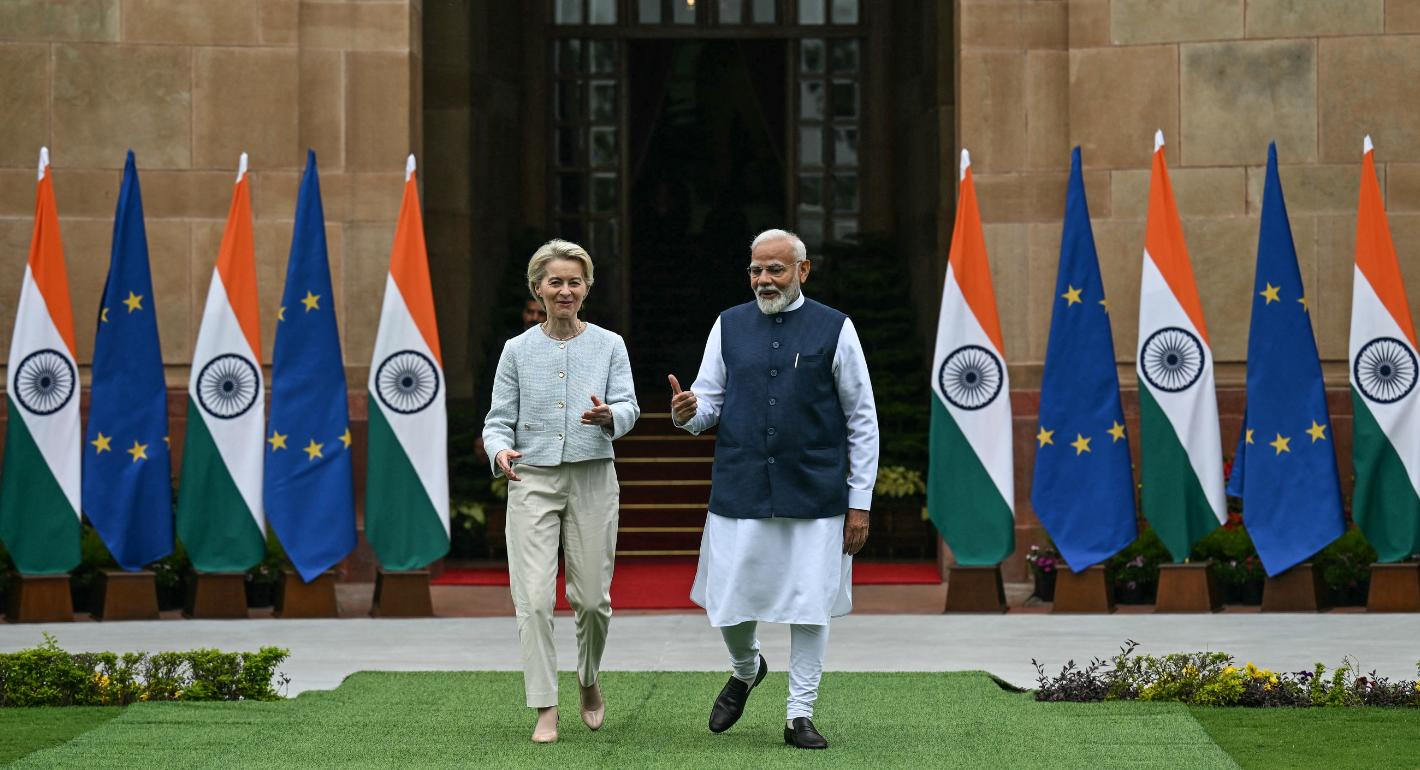
As European leadership prepares for the sixteenth EU-India Summit, both sides must reckon with trade-offs in order to secure a mutually beneficial Free Trade Agreement.

Dinakar Peri
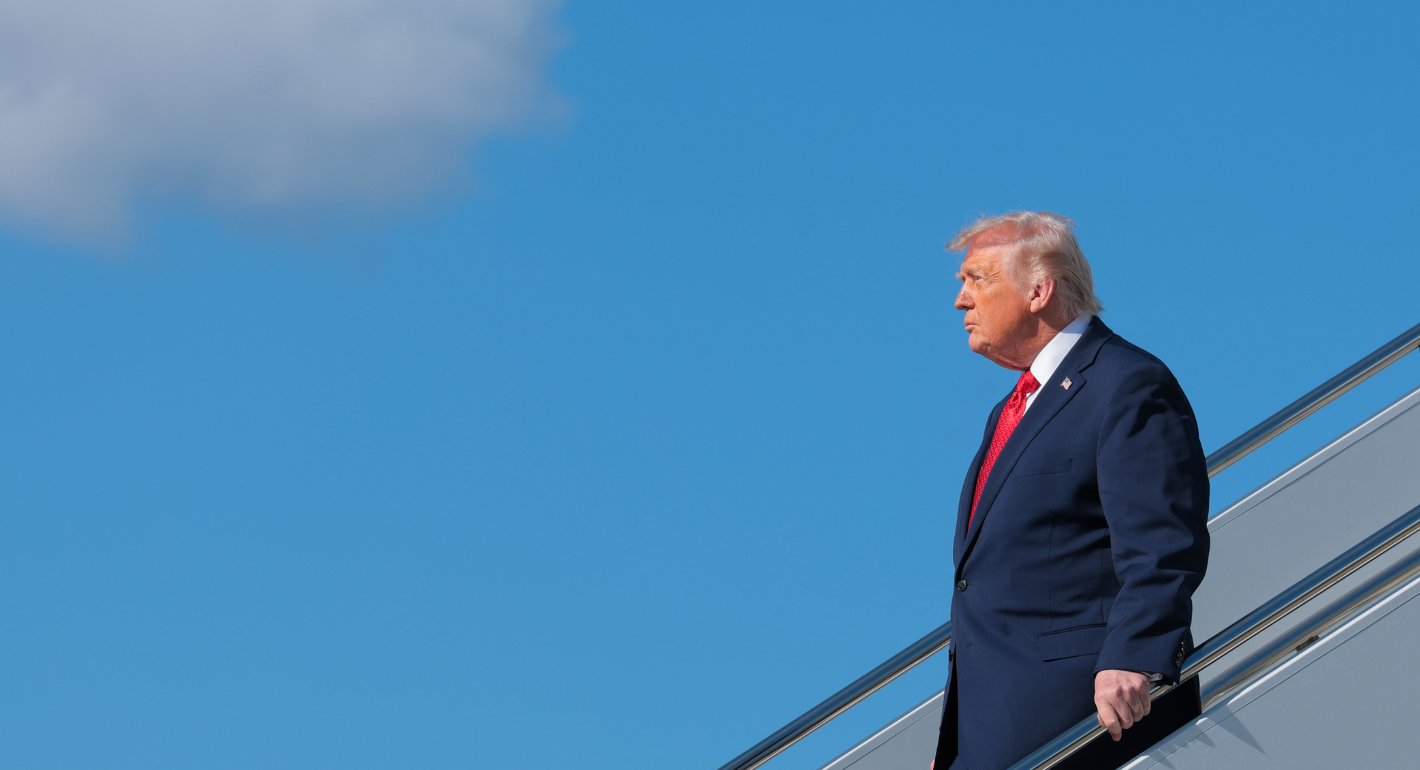
The hyper-personalized new version of global sphere-of-influence politics that Donald Trump wants will fail, as it did for Russia. In the meantime, Europe must still deal with a disruptive former ally determined to break the rules.

Thomas de Waal
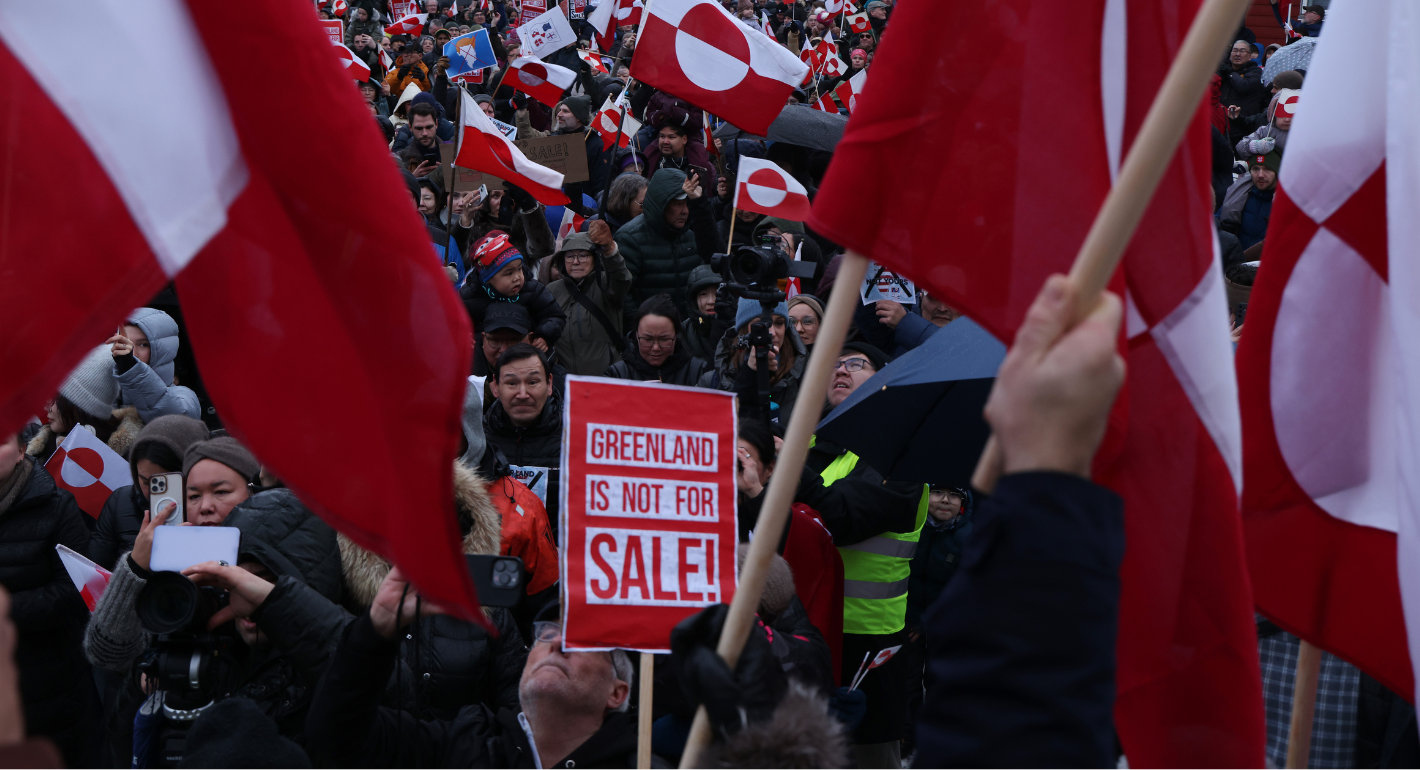
Between Greenland and U.S. interference in Europe’s democracies, transatlantic relations risk rising to an unprecedented level of crisis. Amid continued arguments on how Brussels should react, tough times lie ahead for European leaders.

Marc Pierini
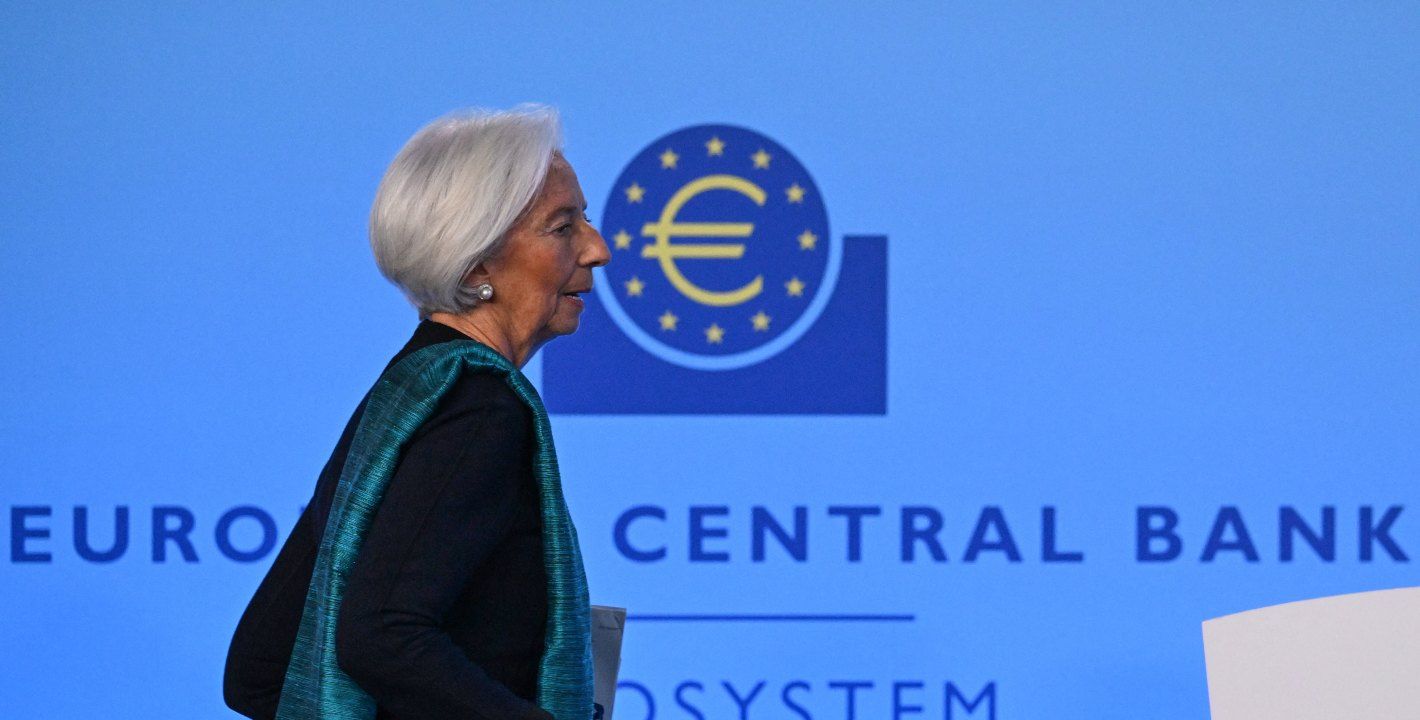
2026 has started in crisis, as the actions of unpredictable leaders shape an increasingly volatile global environment. To shift from crisis response to strategic foresight, what under-the-radar issues should the EU prepare for in the coming year?
Thomas de Waal
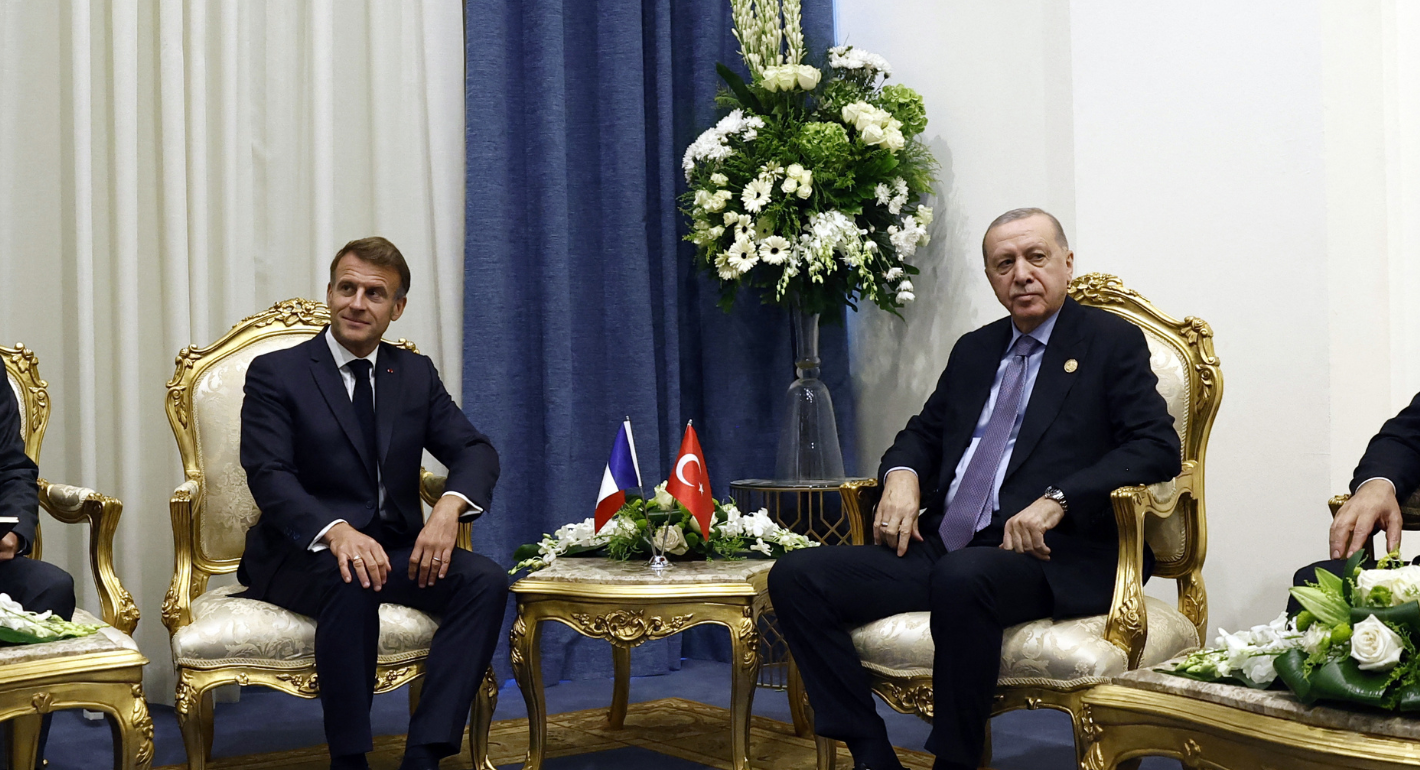
A renewal of relations between France and Turkey is vital to strengthen European strategic autonomy. To make this détente a reality, Paris and Ankara should move beyond personal friction and jointly engage with questions of Black Sea security.

Romain Le Quiniou