

Commentary
In Donald Trump’s second term in office, the transatlantic relationship that helped define the postwar European project and global order appears broken. Is it time for Brussels to chart its own path?
Nathalie Tocci, Jan Techau
{
  "authors": [
    "Andrey Baklitskiy",
    "Alexandra Bell",
    "Tong Zhao"
  ],
  "type": "legacyinthemedia",
  "centerAffiliationAll": "",
  "centers": [
    "Carnegie Endowment for International Peace",
    "Carnegie China"
  ],
  "collections": [
    "Future of Arms Control"
  ],
  "englishNewsletterAll": "",
  "nonEnglishNewsletterAll": "",
  "primaryCenter": "Carnegie China",
  "programAffiliation": "",
  "programs": [
    "Nuclear Policy"
  ],
  "projects": [],
  "regions": [],
  "topics": [
    "Nuclear Policy",
    "Arms Control"
  ]
}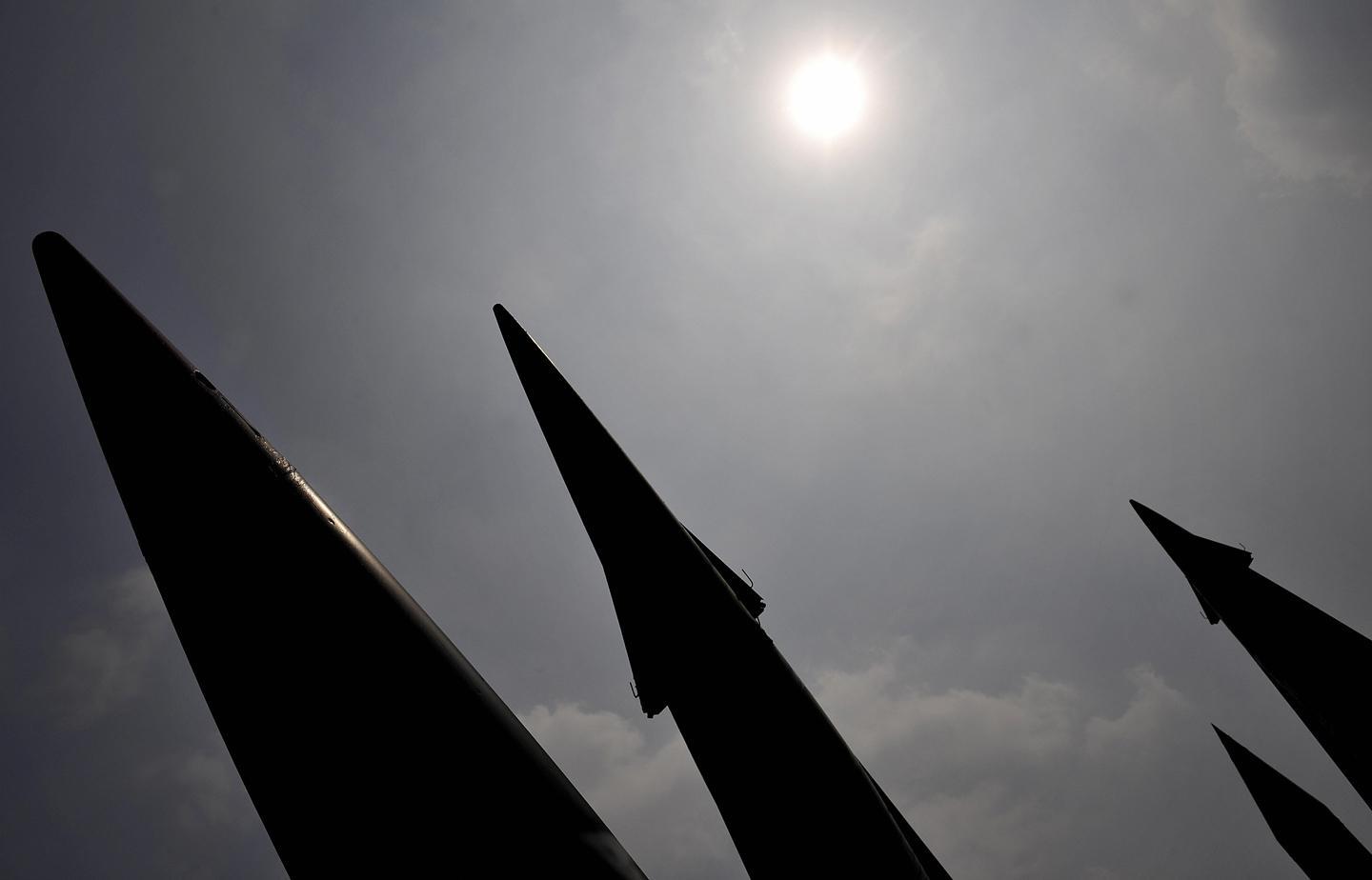
There are three guiding principles that can help make future arms control dialogues more successful.
Source: Defense One
After generations of careful and painstaking work to build a global arms control architecture, it is now collapsing. The New Strategic Arms Reduction Treaty, or New START, is the last legally binding treaty constraining the world’s two largest nuclear arsenals and unless extended, it will expire in less than six months. At the same time, nuclear stockpiles are on the rise, which can lead to a new nuclear arms race, putting every nation on this planet in danger. The situation is dire, but not inevitable or irreversible. Starting with an extension of New START and moving to constructive and fair dialogues on reducing nuclear risks, we can change our collective fate.
There are three guiding principles that can help make future arms control dialogues more successful. First, the focus should be on substance rather than format. Currently, the reverse is true. The United States is pushing for a trilateral framework with Russia and China; China would like to bring in the United Kingdom and France; and Russia is fine with both options, but believes that in the short term only a bilateral format is realistic. It is not necessary to agree on a single format for dialogue. Addressing concrete security concerns should be the priority and the format should be adapted to the substantive issues at hand. Negotiation over strategic offensive weapons could – for the time being – still be limited to the United States and Russia. Discussing issues of missile defense or space security may make sense for a trilateral discussion because Washington, Moscow, and Beijing are the most relevant players. And talks about security challenges from new technologies can be a broader discussion as there are more stakeholders.
Carnegie does not take institutional positions on public policy issues; the views represented herein are those of the author(s) and do not necessarily reflect the views of Carnegie, its staff, or its trustees.
In Donald Trump’s second term in office, the transatlantic relationship that helped define the postwar European project and global order appears broken. Is it time for Brussels to chart its own path?


Nathalie Tocci, Jan Techau
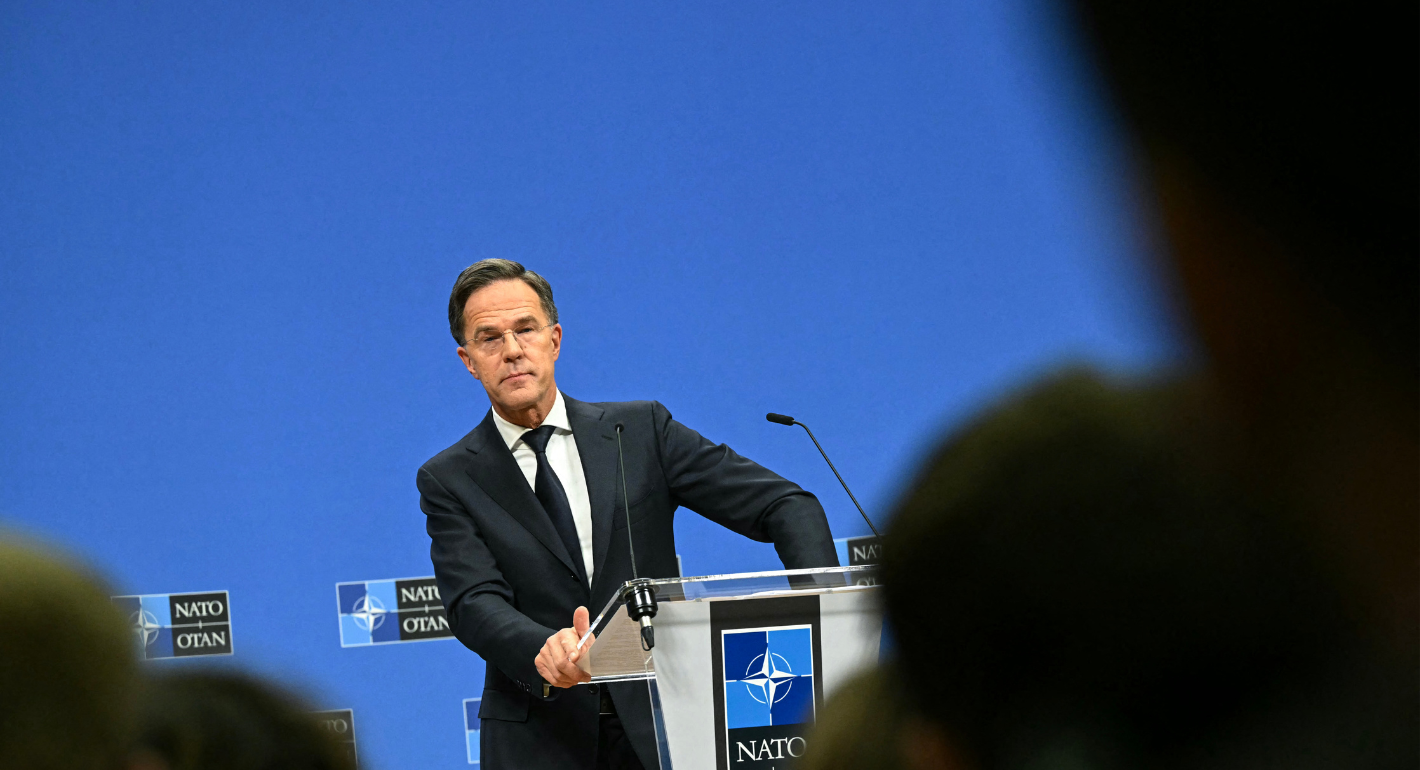
The debate on the future of European deterrence has intensified, as NATO allies seek to balance three key aims. Going forward, they will need to cooperate more deeply to craft a coherent strategy for confronting new threats.

Sophia Besch, Jamie Kwong
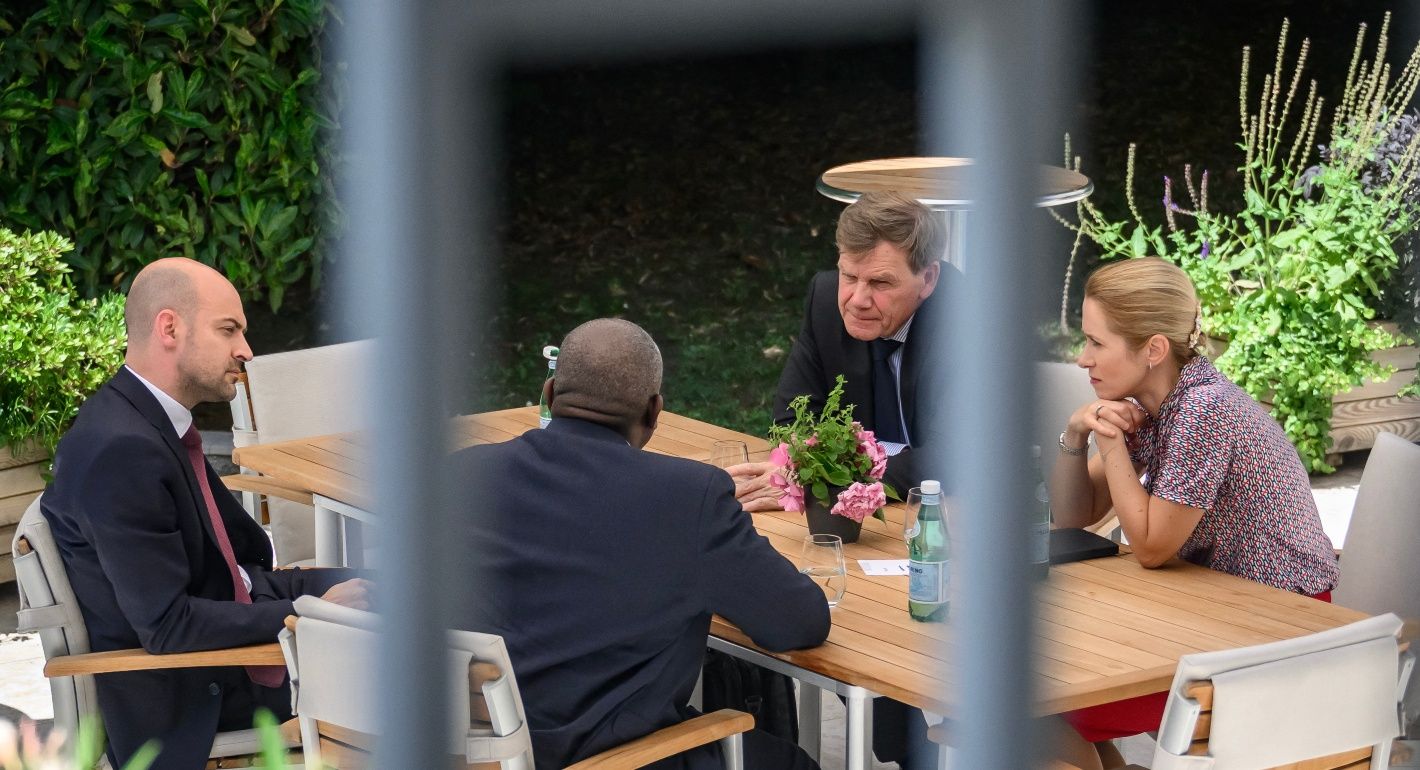
To turn U.S. strikes on Iran’s nuclear program into a long-term resolution, Washington should seize the moment and cooperate with France, Germany, and the UK on diplomatic talks.

Rym Momtaz
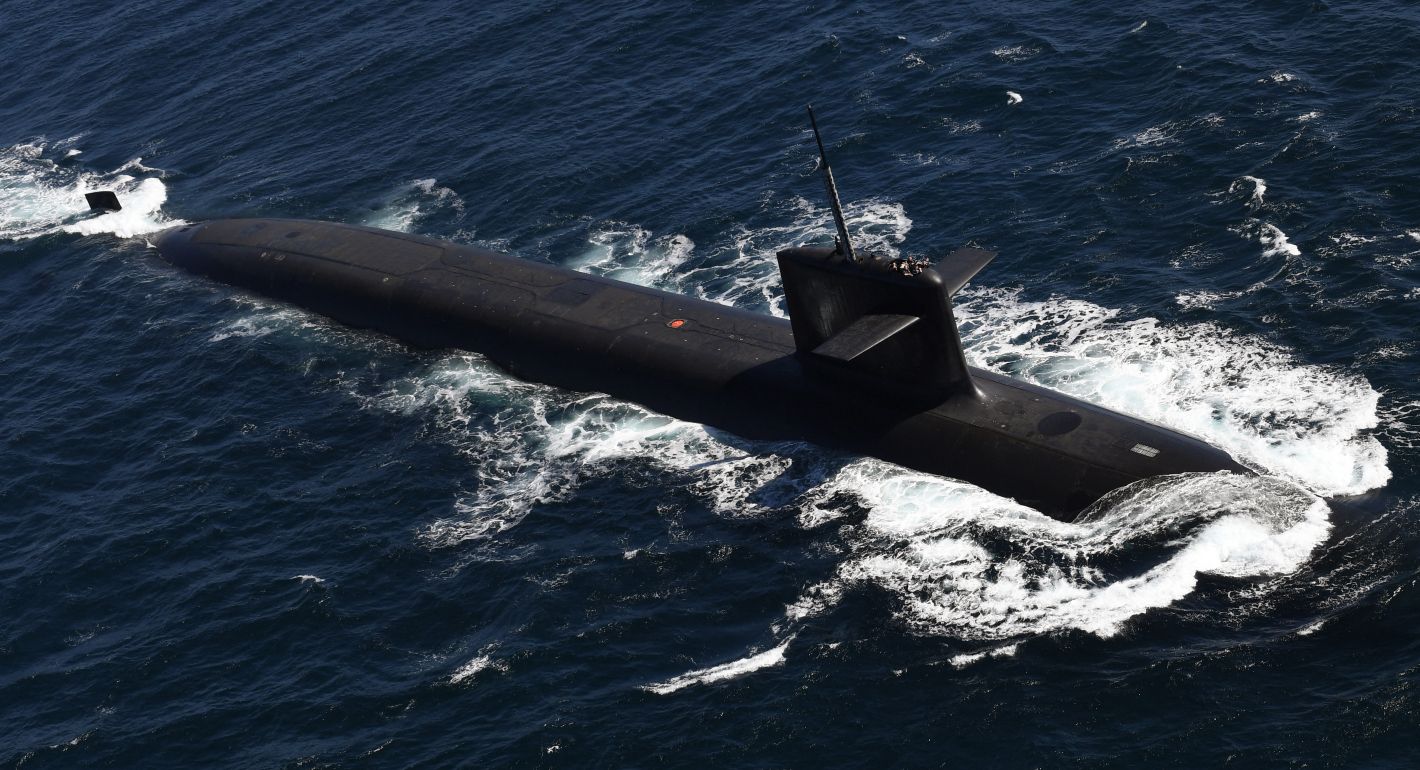
Confronted with a U.S. disengagement and the Russian threat, Europeans are reconsidering their stance on nuclear deterrence. Given the capabilities of the French and British arsenals, can Europe develop an independent nuclear deterrent?
Rym Momtaz
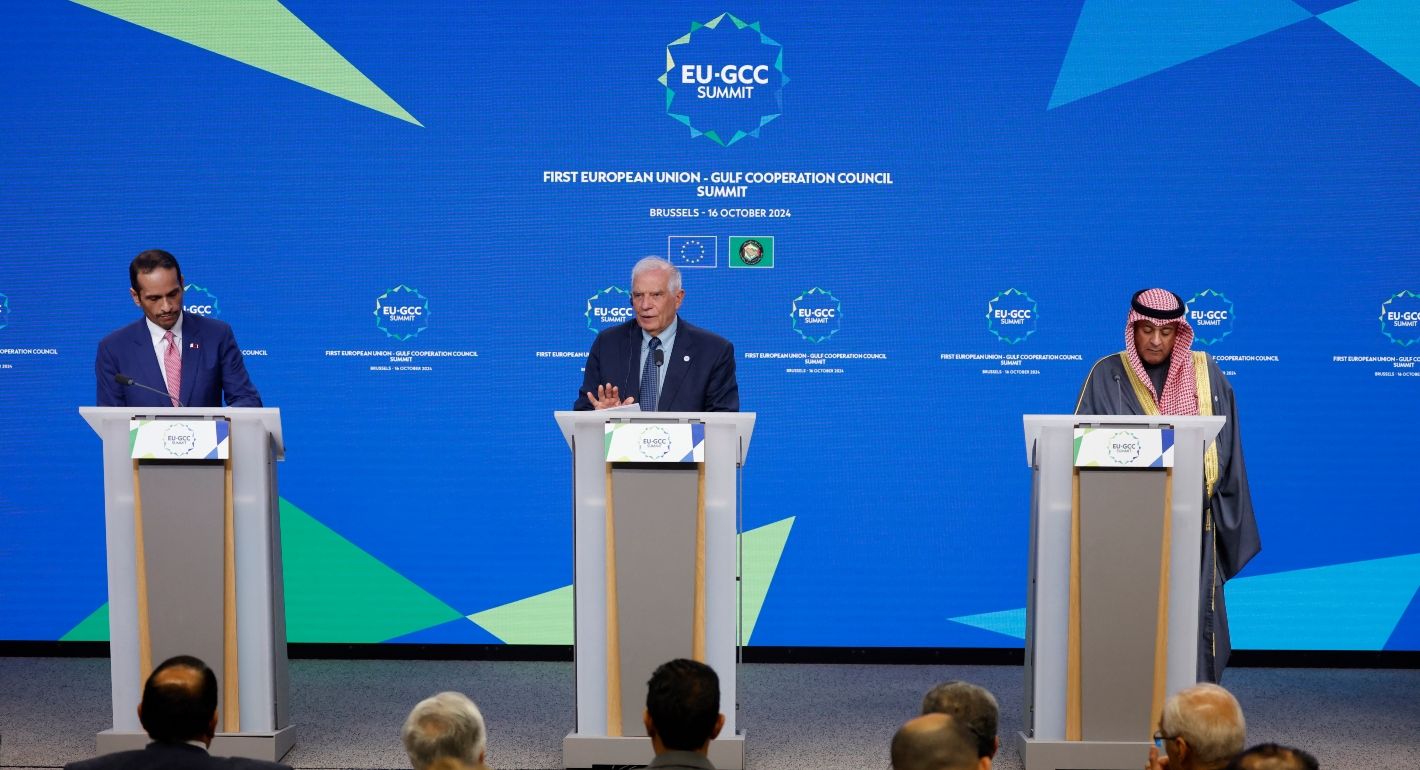
For too long, the EU focused on Iran’s nuclear program while mostly ignoring its malign regional activities and missile program. As the consequences of both hit closer to home, the union must pursue a new strategy focused on containing Iran’s regime, supporting Iranian civil society, and engaging with Gulf states.

Cornelius Adebahr