• Research
  • Strategic Europe
  • About
  • Experts
Carnegie Europe logoCarnegie lettermark logo
EUUkraine
  • Donate
{
  "authors": [
    "Matt Sheehan"
  ],
  "type": "commentary",
  "centerAffiliationAll": "",
  "centers": [
    "Carnegie Endowment for International Peace"
  ],
  "collections": [
    "Dynamic Technology Risks in Asia",
    "China and the World"
  ],
  "englishNewsletterAll": "",
  "nonEnglishNewsletterAll": "",
  "primaryCenter": "Carnegie Endowment for International Peace",
  "programAffiliation": "",
  "programs": [
    "Asia"
  ],
  "projects": [],
  "regions": [
    "United States",
    "China"
  ],
  "topics": [
    "Technology"
  ]
}
Commentary

How China Became an Innovation Powerhouse

And what the United States must to do retain its competitiveness.

Link Copied
By Matt Sheehan
Published on Jan 10, 2023

Conventional wisdom often suggests that technological breakthroughs proliferate in an environment of free markets, free speech, and democracy. In short, if you want to innovate, you need to operate like the United States. But over the past twenty years, China has transformed from a technological backwater into an innovation powerhouse.

Today, China directly competes with the United States on key emerging technologies, such as artificial intelligence and quantum computing. And it has managed to accomplish this feat even as its government has tightened controls on markets, speech, and politics.

In this video, I argue that three main factors have turbocharged China’s rise as a technological powerhouse: a large, semi-protected market; ties with researchers and companies around the world; and waves of financial, human, and physical capital invested in promising fields like AI. To keep the United States competitive, Washington should explore certain elements of China’s strategy, including a willingness to experiment with pro-innovation policies and an ability to accept a certain amount of “waste” when catalyzing technological upgrading.

More on China and technology:

  • What China’s Algorithm Registry Reveals About AI Governance
  • How Food Delivery Workers Shaped Chinese Algorithm Regulations
  • Biden’s Unprecedented Semiconductor Bet

See more Carnegie explainer videos.

Matt Sheehan
Senior Fellow, Asia Program
Matt Sheehan
TechnologyUnited StatesChina

Carnegie does not take institutional positions on public policy issues; the views represented herein are those of the author(s) and do not necessarily reflect the views of Carnegie, its staff, or its trustees.

More Work from Carnegie Europe

  • Commentary
    Strategic Europe
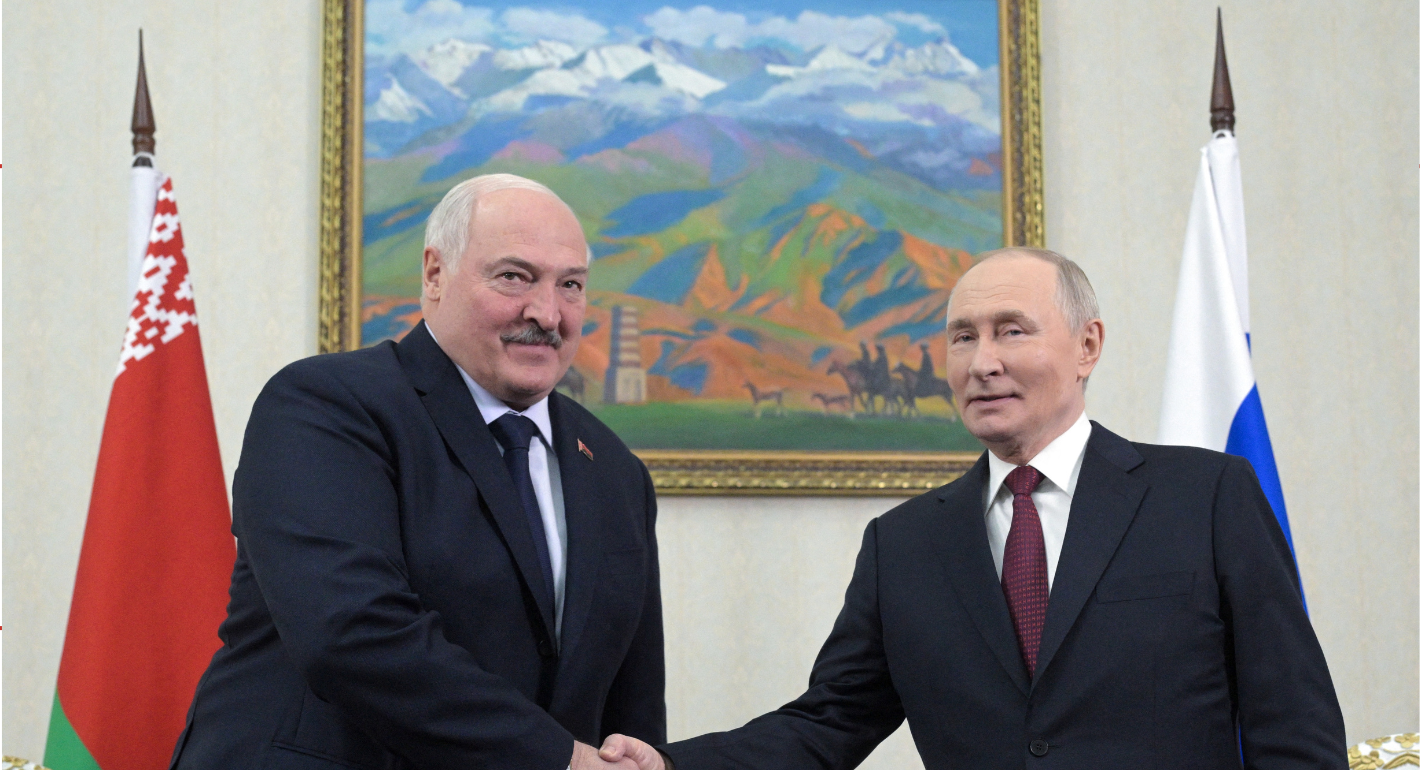
    Taking the Pulse: Is It Time for Europe to Reengage With Belarus?

    In return for a trade deal and the release of political prisoners, the United States has lifted sanctions on Belarus, breaking the previous Western policy consensus. Should Europeans follow suit, using their leverage to extract concessions from Lukashenko, or continue to isolate a key Kremlin ally?

      Thomas de Waal, ed.

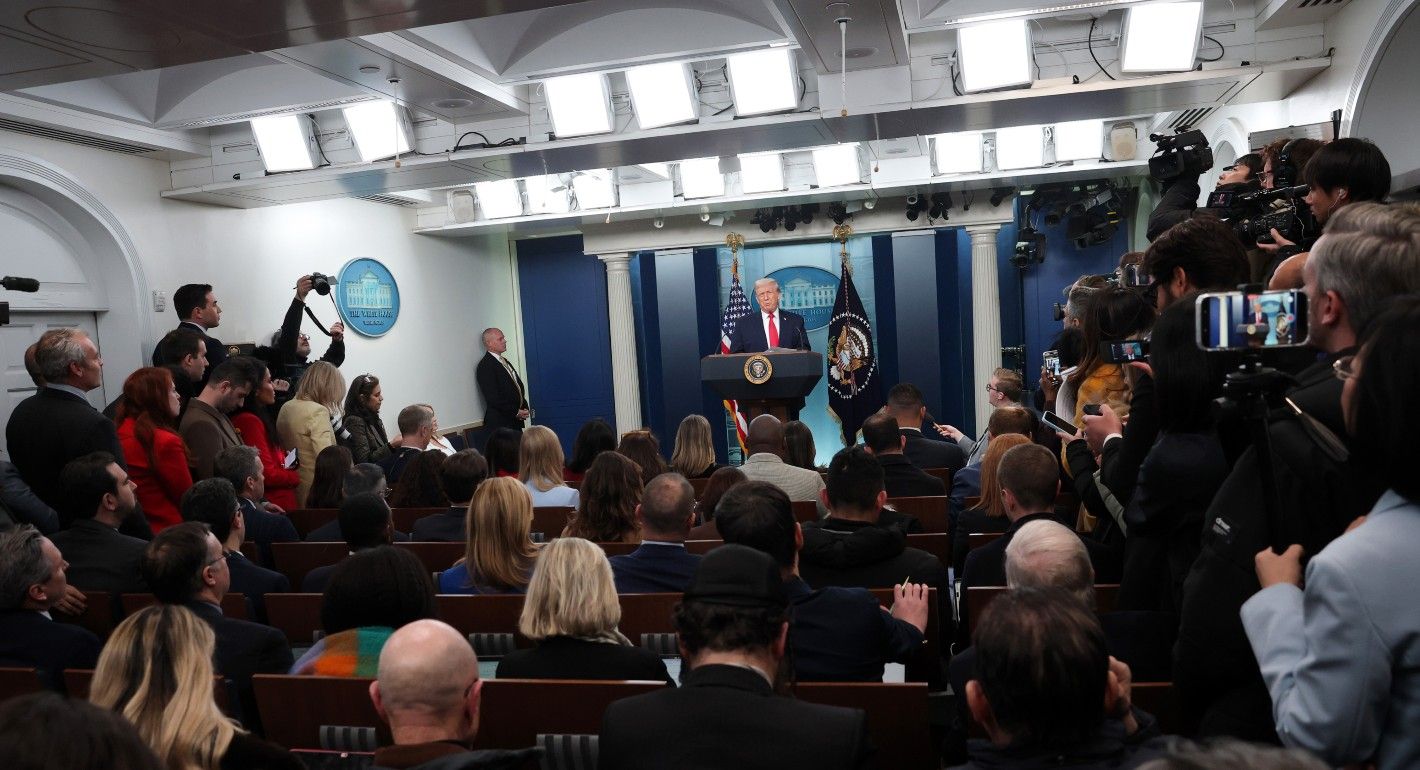
  • Trump speaking to a room of reporters
    Commentary
    Emissary
    Unpacking Trump’s National Security Strategy

    Carnegie scholars examine the crucial elements of a document that’s radically different than its predecessors.

      • Cecily Brewer
      • +18

      James M. Acton, Saskia Brechenmacher, Cecily Brewer, …

  • Commentary
    Strategic Europe
    Europe Faces the Gone-Rogue Doctrine

    The hyper-personalized new version of global sphere-of-influence politics that Donald Trump wants will fail, as it did for Russia. In the meantime, Europe must still deal with a disruptive former ally determined to break the rules.

      Thomas de Waal

  • Commentary
    Europe’s American Predicament

    Between Greenland and U.S. interference in Europe’s democracies, transatlantic relations risk rising to an unprecedented level of crisis. Amid continued arguments on how Brussels should react, tough times lie ahead for European leaders.

      Marc Pierini

  • Commentary
    Strategic Europe
    Taking the Pulse: What Issue Is Europe Ignoring at Its Peril in 2026?

    2026 has started in crisis, as the actions of unpredictable leaders shape an increasingly volatile global environment. To shift from crisis response to strategic foresight, what under-the-radar issues should the EU prepare for in the coming year?

      Thomas de Waal

Get more news and analysis from
Carnegie Europe
Carnegie Europe logo, white
Rue du Congrès, 151000 Brussels, Belgium
  • Research
  • Strategic Europe
  • About
  • Experts
  • Projects
  • Events
  • Contact
  • Careers
  • Privacy
  • For Media
  • Gender Equality Plan
Get more news and analysis from
Carnegie Europe
© 2026 Carnegie Endowment for International Peace. All rights reserved.