This piece is part of a series on the Gaza ceasefire.
In the wake of the ceasefire, much of the focus is on those who stand to gain their freedom in the coming days and weeks: the Israeli hostages and the Palestinian prisoners and detainees held in Israeli custody.
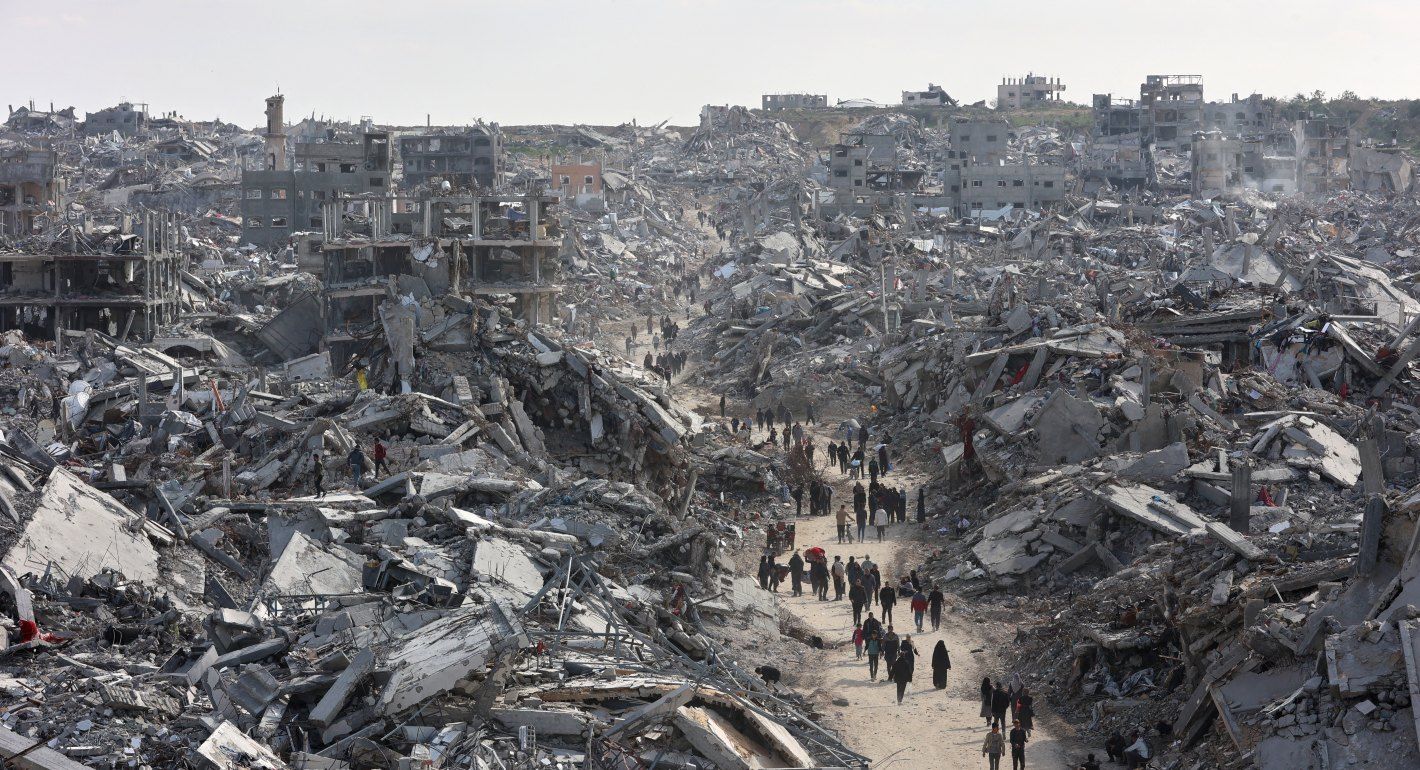
But after nearly 500 days of hostilities, the ceasefire also presents an opportunity to scale up the aid response and bring a modicum of relief to Gaza’s exhausted and traumatized population. The ceasefire can allow for restoration of access to a population that desperately needs it, including patients seeking life-saving treatment unavailable in the Gaza Strip, foreign nationals still trapped in Gaza, Palestinians separated from their family members, students trying to return to universities abroad, and others.
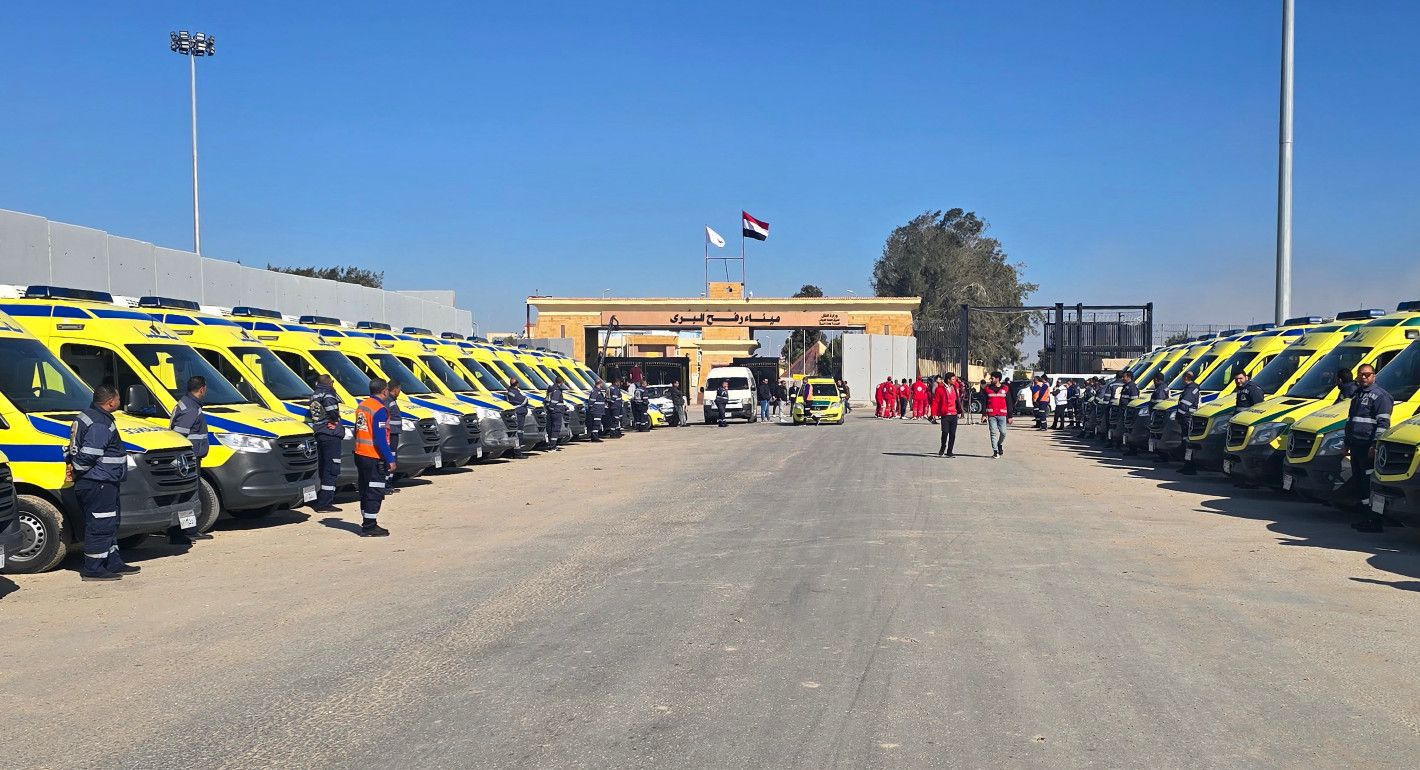
From early November 2023 until May 2024, the Rafah Crossing connecting Gaza and Egypt was the only remaining somewhat functional avenue for pedestrian entry and exit. Each day during that period, an average of fifty medical patients seeking treatment abroad transited through the crossing, as well as dozens of foreign nationals. International humanitarian organizations were also able to rotate staff. Officials say that tens of thousands of Palestinians without dual citizenship also exited by paying “coordination fees,” which cost roughly $5,000 per adult and $2,500 per child—a prohibitive cost for Gaza’s mostly impoverished population.
But since May 7, when Israel began its military operation in Rafah and took over the crossing, no one has passed through.
Humanitarian staff rotations shifted to Kerem Shalom Crossing, a goods crossing between Gaza and Israel. On July 30, after pressure from an array of organizations—including a court petition filed by Physicians for Human Rights Israel, HaMoked, and my organization, Gisha—some medical patients were permitted to transit through Kerem Shalom. Since then, fewer than two patients per day on average have exited. Foreign governments have also plucked out a few dozen of their nationals over the past few months, while several hundred remain trapped.
The ceasefire agreement reopens the Rafah Crossing based on an understanding reached in August 2024 that allows Egypt to restore access and for authorized Palestinians to transit through. The opening of the crossing can’t come soon enough, especially for the sick and for Palestinians desperate to reunite with loved ones in Gaza. Egypt should ensure the timely, regular operation of the crossing and prevent the coordination fee payment scheme operated by Hala Consulting and Tourism Services, which reportedly has ties to Egypt’s security services. Israel, which is still screening all Rafah exit requests, should not be given a free hand to block Palestinians from leaving Gaza for vague so-called security reasons, as it had done to thousands of people seeking to exit the Gaza Strip.
But the renewed operation of Rafah isn’t the only critical logistic element tied to the ceasefire. In order to meet the immense challenges of aid distribution and restoration of vital civilian infrastructure, humanitarian actors must be given access to Gaza through both Egypt and Israel. In addition, a recent Israeli government decision could bar registration of and visas to international organizations on unreasonable grounds, furthering the delay in aid. This ruling must be reversed.
Also, hundreds of sick Palestinians—including children—were treated outside the Gaza Strip each month prior to October 7, 2023. Now, according to World Health Organization estimates, at least 15,000 Palestinians—including those injured in the war and those with chronic conditions—need care that the battered healthcare system in Gaza can’t provide. Israel must restore access between Gaza and the West Bank, including East Jerusalem, so that Palestinians can access healthcare in these areas. Third countries also should make treatment options available to those who need specialized care. There’s no reason these patients can’t receive treatment outside the Gaza Strip, especially when following reasonable security screenings.
Finally, as the ceasefire stabilizes, Israel must establish reasonable criteria for passing through Gaza crossings for humanitarian reasons, including to reunite with family and for reconstruction and economic revitalization efforts. Israel should also allow entry for dozens of Palestinian citizens of Israel to whom it has delayed or denied entry on bureaucratic grounds.
If anything is clearer after the ceasefire, it is that the needs and rights of civilians must be prioritized, in order to secure a better and safer future for all in the region.
Read more in this series: