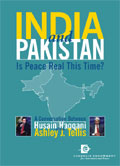
Since 1999, when Indian and Pakistani forces briefly fought in the Kargil area of Kashmir, India and Pakistan have experienced extremely strained relations. Tensions got particularly high during 2001–2002, when the two countries deployed a million or more troops along their common border; elements of the two massed forces frequently exchanged artillery fire in Kashmir. The specter of nuclear war haunts any armed conflict between India and Pakistan; India first demonstrated its nuclear capabilities in 1974 and Pakistan in 1998. Even when the two states manage to avoid war, their mutual hostility impedes economic development and gives a reactive cast to their internal politics. Further complicating the situation, Pakistan and India are, in different ways, frontline states in the struggle against terrorism. Thus, when Indian Prime Minister Atal Bihari Vajpayee and Pakistani President General Pervez Musharraf met, with little advance notice, at a regional summit in Pakistan in early January 2004, it behooved U.S. policy makers and other informed Americans to take note of this breakthrough and explore whether and how the United States could enhance the chances of further diplomatic progress.
In the following discussion, Haqqani and Tellis highlight key issues they raised in their respective visits. Both were particularly interested in assessing whether this latest diplomatic engagement would lead to lasting peace, or simply be another in a long string of disappointments.
Click on the link above for full text of this report.
About the Authors Husain Haqqani is a visiting scholar at the Carnegie Endowment. He is also a leading journalist and diplomat, and a former adviser to Pakistani prime ministers, as well as a syndicated columnist for the Indian Express, Gulf News, and The Nation (Pakistan). He is the author of Pakistan: Between Mosque and Military (Carnegie Endowment for International Peace, 2005).
Carnegie does not take institutional positions on public policy issues; the views represented herein are those of the author(s) and do not necessarily reflect the views of Carnegie, its staff, or its trustees.
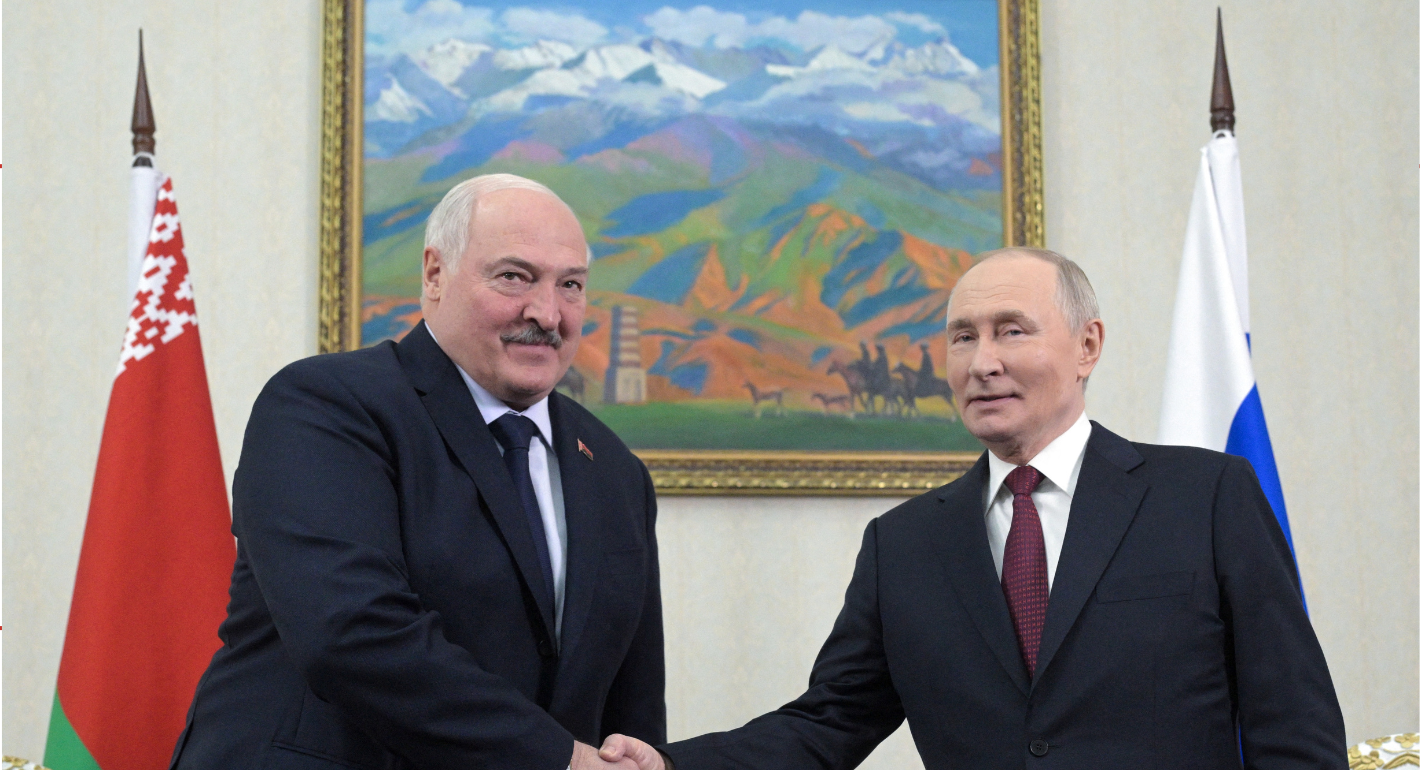
In return for a trade deal and the release of political prisoners, the United States has lifted sanctions on Belarus, breaking the previous Western policy consensus. Should Europeans follow suit, using their leverage to extract concessions from Lukashenko, or continue to isolate a key Kremlin ally?
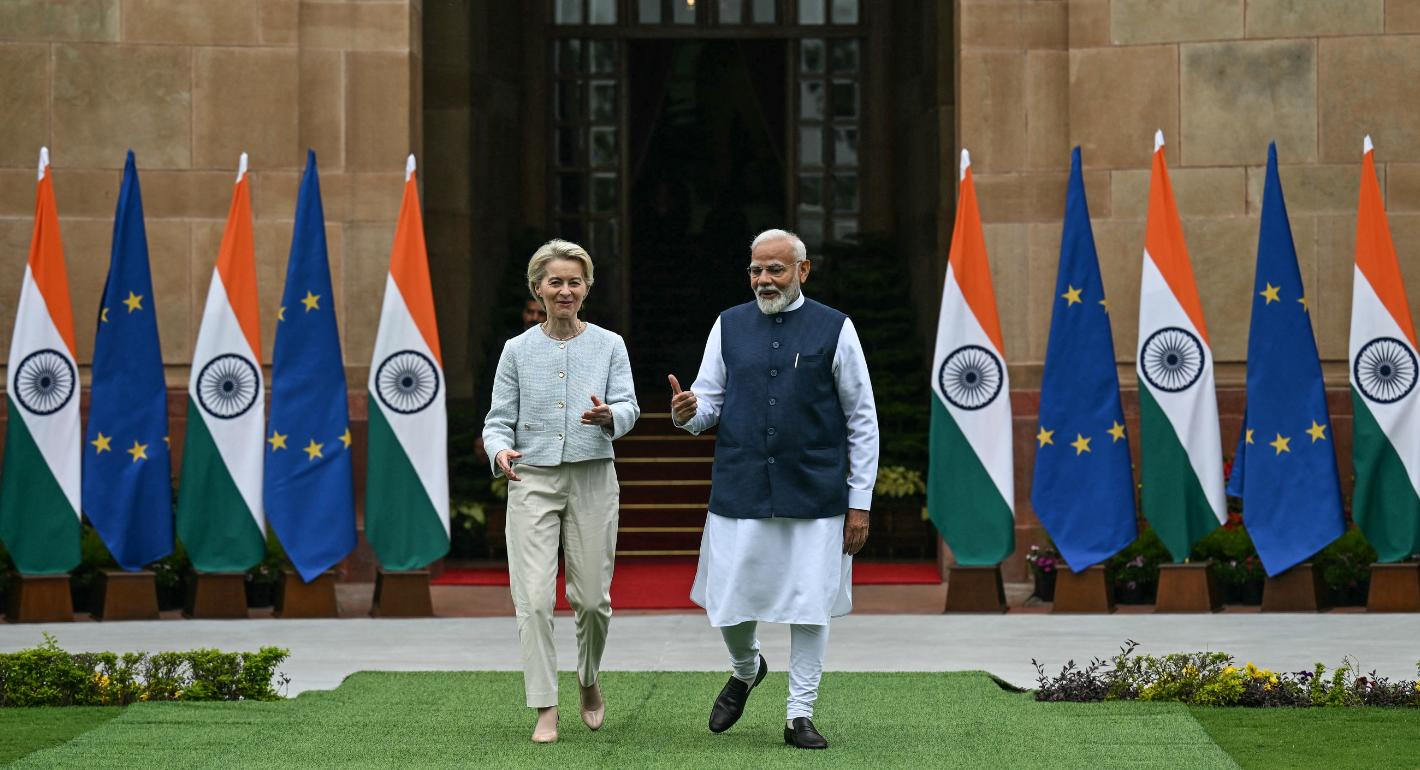
As European leadership prepares for the sixteenth EU-India Summit, both sides must reckon with trade-offs in order to secure a mutually beneficial Free Trade Agreement.
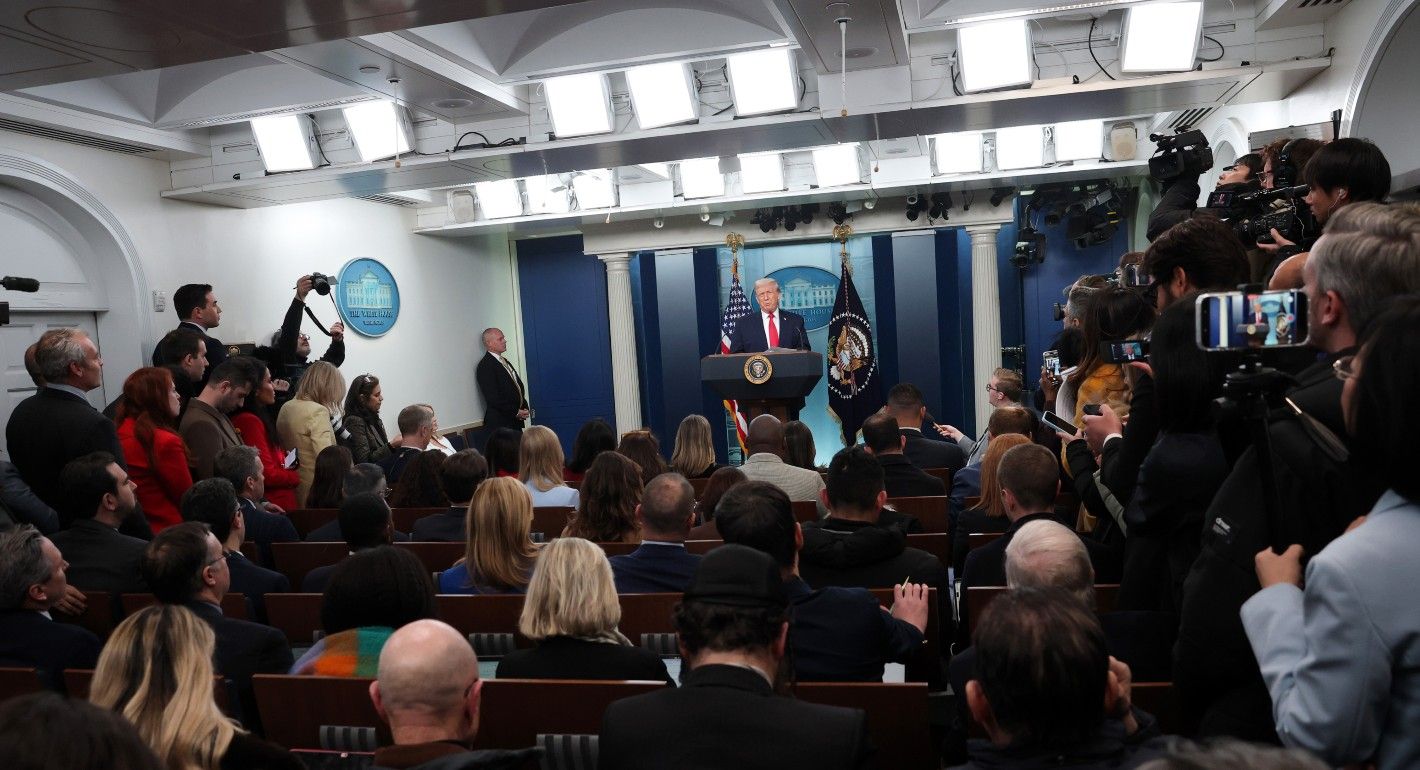
The hyper-personalized new version of global sphere-of-influence politics that Donald Trump wants will fail, as it did for Russia. In the meantime, Europe must still deal with a disruptive former ally determined to break the rules.
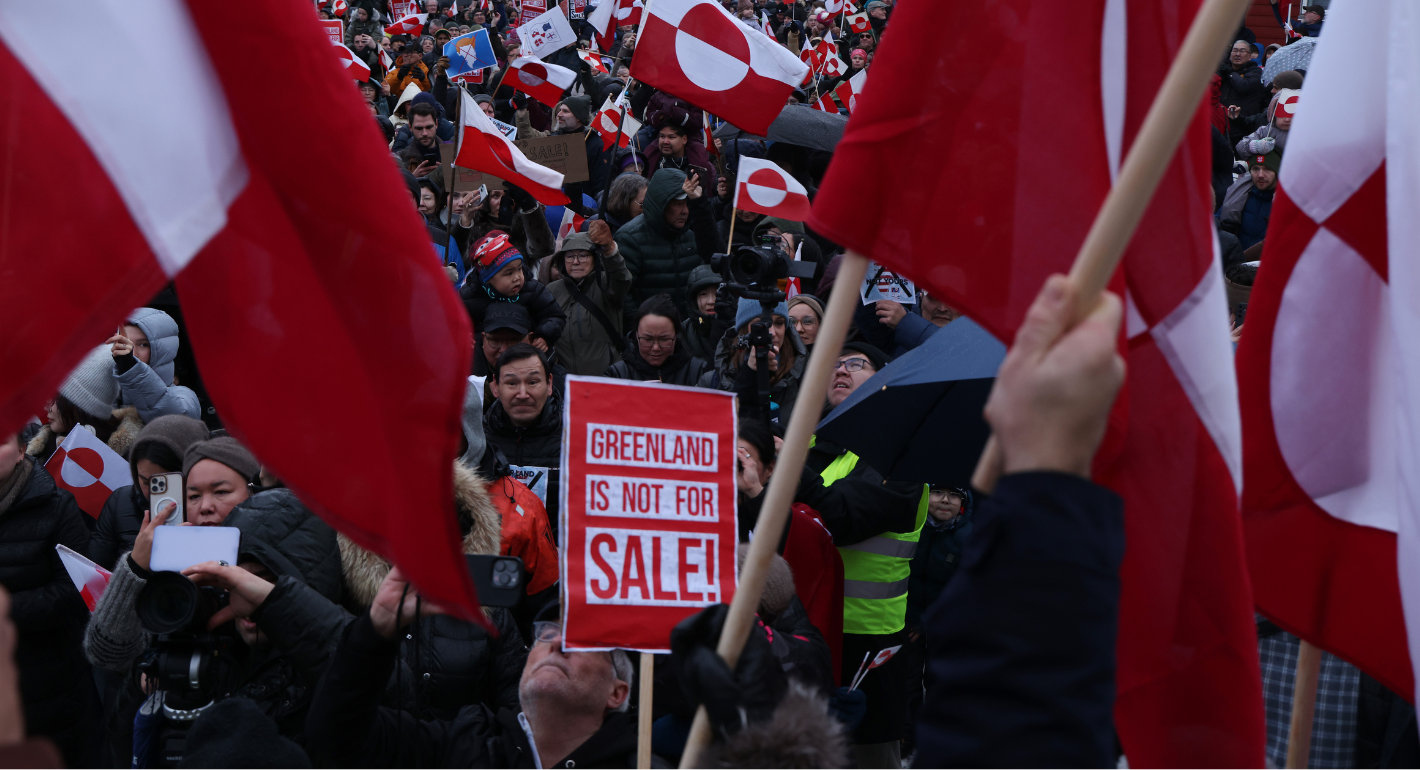
Between Greenland and U.S. interference in Europe’s democracies, transatlantic relations risk rising to an unprecedented level of crisis. Amid continued arguments on how Brussels should react, tough times lie ahead for European leaders.