

Commentary
Judy Dempsey
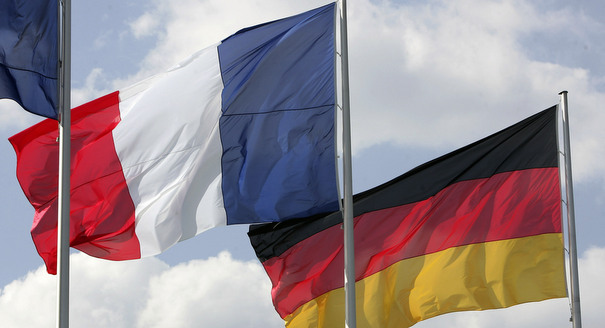
Source: Getty
Over the past year, as it became clear that the euro crisis would not be overcome without Berlin and Paris agreeing to huge rescue operations, the relationship between the leaders of France and Germany has grown increasingly important.
It was the euro crisis that finally forced Chancellor Angela Merkel and President Nicolas Sarkozy together, though few know if the two have done enough to save the euro. One thing, however, is certain. No matter who enters the Elysee palace in May, Paris and Berlin will have to work much, much more closely on deciding Europe’s future.
During the 2008 global financial crisis and the early stages of the euro crisis, the French and German leaders often seemed indifferent to the enormity of the problems affecting the global economy. When they met, which was regularly, they paid only lip service to the purpose of the special Franco-German relationship that had been fundamental in making the European Union what it is.
Apart from having completely different personalities—Mrs. Merkel is methodical and focused, Mr. Sarkozy spontaneous and sometimes flighty—they disagreed over many issues, from security and foreign to defense and macroeconomic policies. Analysts often worried that the Franco-German relationship had run its course—to Europe’s detriment.But over the past year, as it became clear that the euro crisis would not be overcome without Berlin and Paris agreeing to huge rescue operations to salvage Greece and the other debt-ridden eurozone countries, both leaders began to turn to the relationship. They realized that without closer cooperation, the euro could collapse and, by implication, the entire European experiment.
Europe’s path to further integration has always divided these two extraordinarily different, neighboring countries. No French president has deviated from the Gaullist notion of Europe in which France is the dominant country among EU member states. The powers of the European Commission—the EU executive—would be kept in check precisely to avoid weakening the member states. François Hollande, the Socialist Party’s candidate, is bound to uphold those views as fervently as Mr. Sarkozy.
And despite coming from different political parties, Mr. Sarkozy and Mr. Hollande share a suspicion of globalization. Both are reluctant to acknowledge the benefits it has afforded French companies whose reputation on world markets is second to none. Both too use the cover of protectionism to postpone much-needed reforms.
Mrs. Merkel, in contrast, has been loath to play the protectionist card. German business would not allow it, especially since the German economy depends overwhelmingly on exports for jobs and growth.
If she kept with tradition, Mrs. Merkel should also be following in the footsteps of her predecessors, especially Helmut Kohl, and making Europe an ever-closer Union. For the sake of European integration, Mr. Kohl gave up Germany’s beloved deutsche mark in favor of the euro currency. For the sake of European unification, he became a passionate supporter of enlargement. For the sake of Europe’s future, he called last year on Germany to support the rescue package for Greece.
All of Germany’s postwar chancellors were deeply committed to the méthode communautaire for strengthening political and economic integration. A French word, ironically, that means strengthening the European Commission and the European Parliament at the expense of the member states (including their national parliaments).
Mrs. Merkel, however, shares none of these instincts. In her youth in communist East Germany she had no experience of Europe or of the significance of the Franco-German relationship for nudging Europe toward more integration. She—and this is important for the future Franco-German relationship as much as for Europe—has veered away from the course of her predecessors.
It seems that Mrs. Merkel, as she lacks that deep, emotional commitment to Europe that Mr. Kohl embodied, is not prepared to face down the euroskeptics in her own center-right coalition. In that sense, Mr. Sarkozy must be quietly pleased to have a German chancellor that does not want the powers of the member states diluted. But Mrs. Merkel may have to rethink her position on Europe.
If anything, say analysts, the euro crisis has shown why Germany, the bloc’s biggest economy, must push for a strong supra-national euro-area authority within the EU. “In the absence of trust or a supra-national institution, individual countries will negotiate based on narrowly defined national interest, despite the fact that the final result will be worse for everybody,” argues Guntram B. Wolff, an economist at the Bruegel think tank in Brussels.
It is hard to see Mrs. Merkel or the next president of France quickly making concrete proposals for further steps toward European integration, particularly since Germany is headed to the polls in 2013. But if these two leaders do not grasp the need for a closer-knit Europe, any hope of the Franco-German relationship providing the catalyst for a stronger union will be doomed. And so will Europe.

Nonresident Senior Fellow, Carnegie Europe
Dempsey is a nonresident senior fellow at Carnegie Europe
Recent Work
Judy Dempsey
Judy Dempsey
Carnegie does not take institutional positions on public policy issues; the views represented herein are those of the author(s) and do not necessarily reflect the views of Carnegie, its staff, or its trustees.
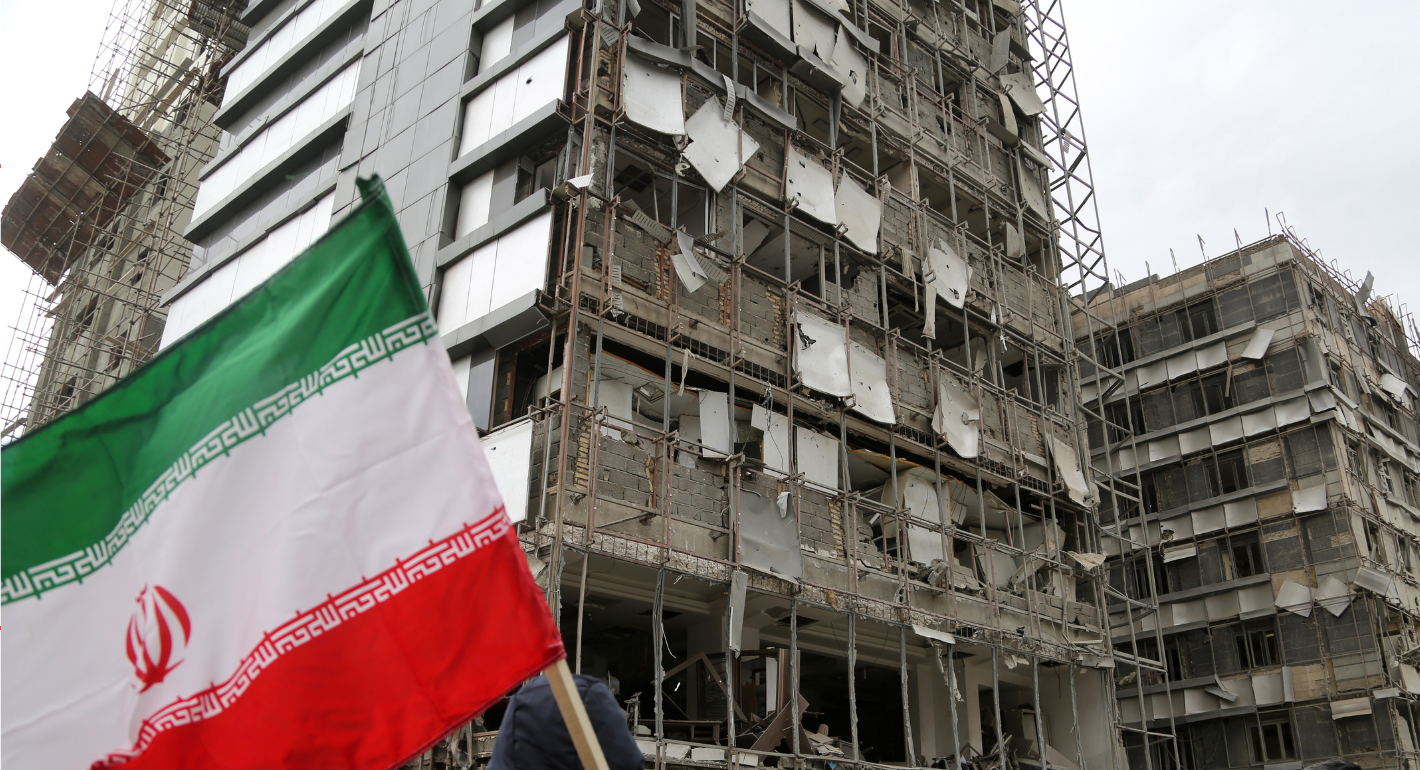
Europe’s reaction to the war in Iran has been disunited and meek, a far cry from its previously leading role in diplomacy with Tehran. To avoid being condemned to the sidelines while escalation continues, Brussels needs to stand up for international law.

Pierre Vimont
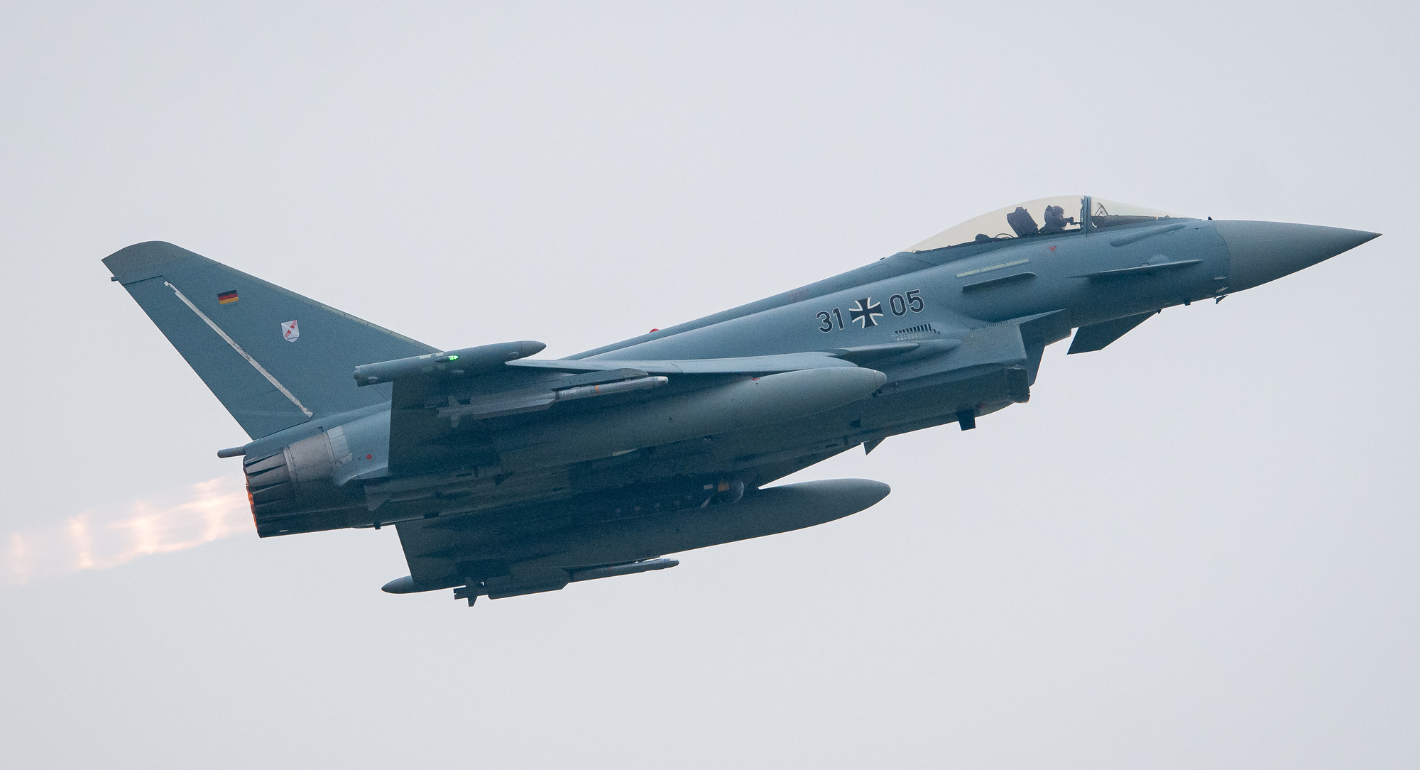
France and Germany’s failure to agree on the Future Combat Air System (FCAS) raises questions about European defense. Amid industrial rivalries and competing strategic cultures, what does the future of European military industrial projects look like?

Rym Momtaz, ed.
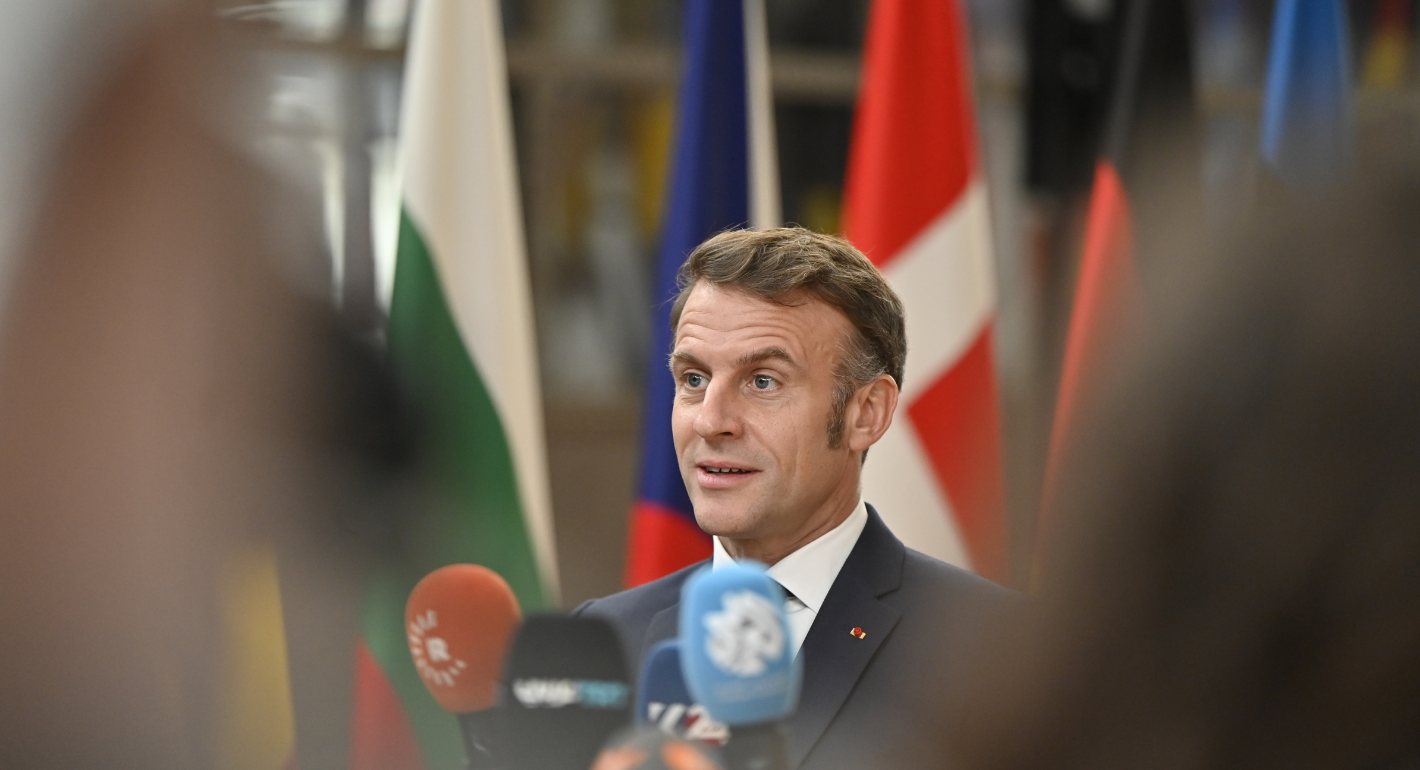
France has stopped clinging to notions of being a great power and is embracing the middle power moment. But Emmanuel Macron has his work cut out if he is to secure his country’s global standing before his term in office ends.
Rym Momtaz
Despite offering security benefits to candidates and the EU alike, the enlargement agenda appears stalled. Why is progress not being made, and is it time for Europe to rethink its approach?
Sylvie Goulard, Gerald Knaus
Over the past two decades, regional collaboration in the South Caucasus has intensified. Turkey and the EU should establish a cooperation framework to accelerate economic development and diversification.



Feride İnan, Güven Sak, Berat Yücel