• Research
  • Strategic Europe
  • About
  • Experts
Carnegie Europe logoCarnegie lettermark logo
EUUkraine
  • Donate
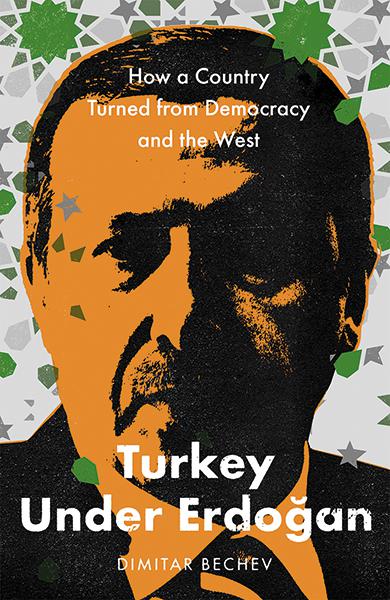
Turkey Under Erdoğan: How a Country Turned from Democracy and the West
Book
Carnegie Europe

Turkey Under Erdoğan: How a Country Turned from Democracy and the West

Since coming to power in 2002 Recep Tayyip Erdogan has overseen a radical transformation of Turkey. Once a pillar of the Western alliance, the country has embarked on a militaristic foreign policy, and its democracy, sustained by the aspiration to join the European Union, has given way to one-man rule.

Link Copied
By Dimitar Bechev
Published on Feb 22, 2022

Source: Yale University Press

An incisive account of Erdoğan’s Turkey – showing how its troubling transformation may be short-lived

Since coming to power in 2002 Recep Tayyip Erdoğan has overseen a radical transformation of Turkey. Once a pillar of the Western alliance, the country has embarked on a militaristic foreign policy, intervening in regional flashpoints from Nagorno-Karabakh to Libya. And its democracy, sustained by the aspiration to join the European Union, has given way to one-man rule.

Dimitar Bechev traces the political trajectory of Erdoğan’s populist regime, from the era of reform and prosperity in the 2000s to the effects of the war in neighboring Syria. In a tale of missed opportunities, Bechev explores how Turkey parted ways with the United States and Europe, embraced Putin’s Russia and other revisionist powers, and replaced a frail democratic regime with an authoritarian one. Despite this, he argues that Turkey’s democratic instincts are resilient, its economic ties to Europe are as strong as ever, and Erdoğan will fail to achieve a fully autocratic regime.

Reviews for this publication

‘A sweeping attempt to capture the last 20 years of Turkey, Bechev skilfully traces the radical transformation of Turkey’s domestic and foreign policies under Recep Tayyip Erdoğan. An outstanding book from one of the best.’
—Gönül Tol, Middle East Institute

‘A compelling narrative, rich in anecdotes, quotes, and carefully chosen empirical examples, enlivens an in-depth historical analysis of Turkey’s evolution from the 1970s until today. Bechev charts Turkey’s modernization, the rise of Islamist populism, its geopolitical shift from the periphery of the West to its bid for regional hegemony, as well as the weaknesses of the competitive authoritarian regime that its President Erdoğan has crafted.’
—Rosa Balfour, Director of Carnegie Europe

‘Bechev analyzes the two decades that witnessed the evolution of President Erdoğan from a seemingly EU-friendly “Muslim democrat” to a strongman. He masterfully portrays how the shifts in AKP’s foreign policy were intertwined with rising authoritarian practices in Turkey.’
—Professor Ayşe Kadıoğlu, Sabanci University

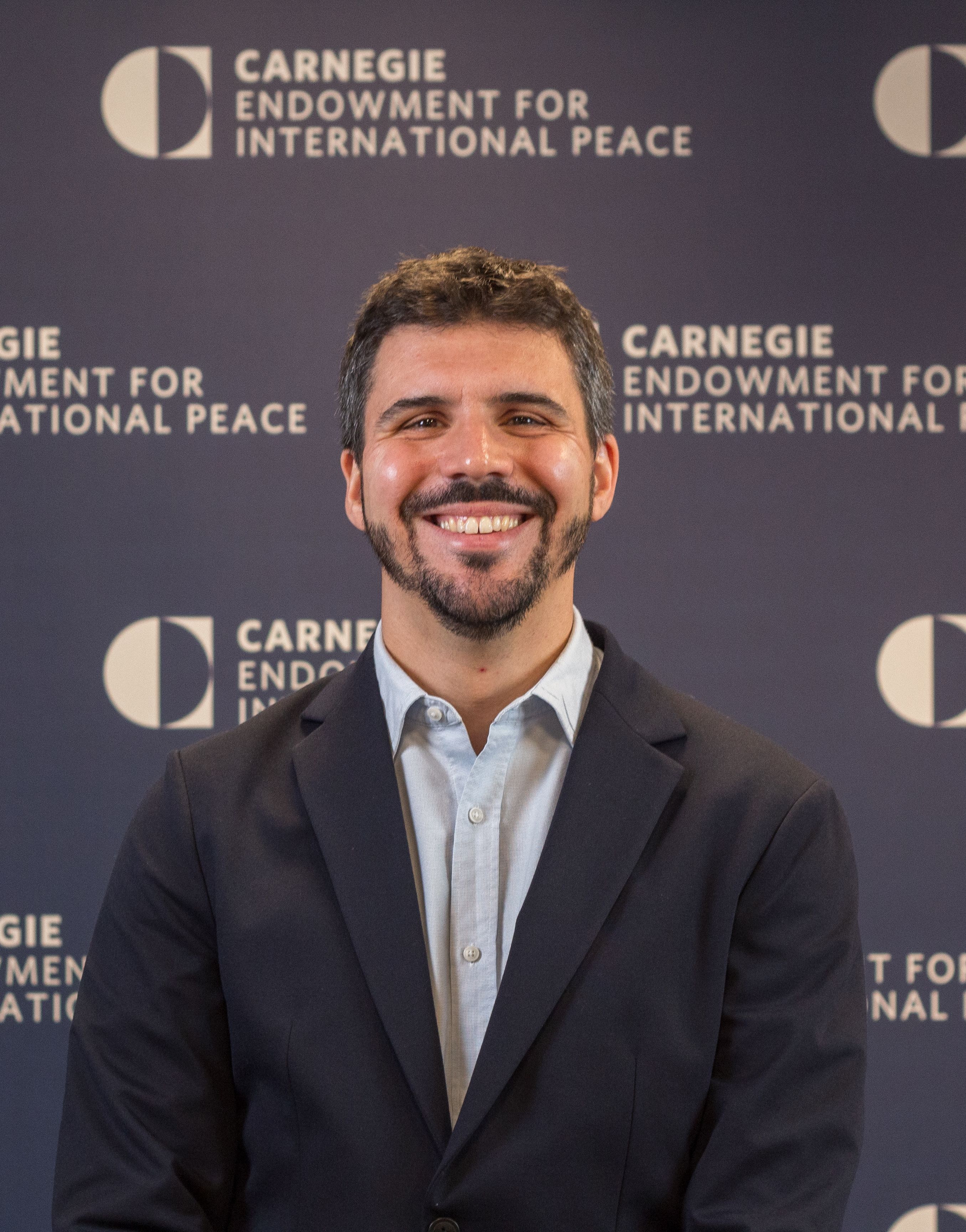
Dimitar Bechev
Senior Fellow, Carnegie Europe
Dimitar Bechev
Middle EastTürkiyeIranDemocracy

Carnegie does not take institutional positions on public policy issues; the views represented herein are those of the author(s) and do not necessarily reflect the views of Carnegie, its staff, or its trustees.

More Work from Carnegie Europe

  • Commentary
    Strategic Europe
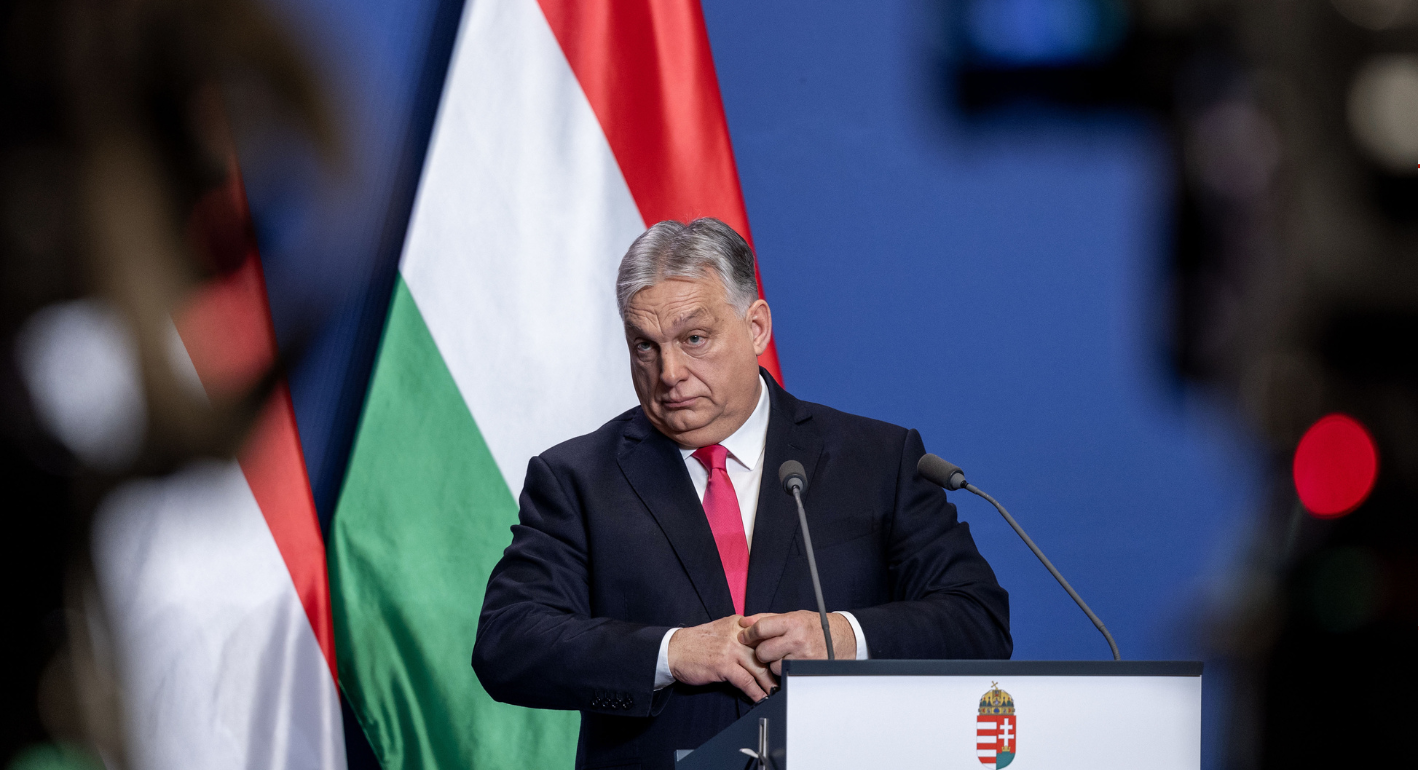
    New Tricks and AI Tools in Hungary’s High-Stakes Election

    Hungarian Prime Minister Viktor Orbán faces his most serious challenge yet in the April 2026 parliamentary elections. All of Europe should monitor the Fidesz campaign: It will use unprecedented methods of electoral manipulation to secure victory and maintain power.

      Zsuzsanna Szelényi

  • Commentary
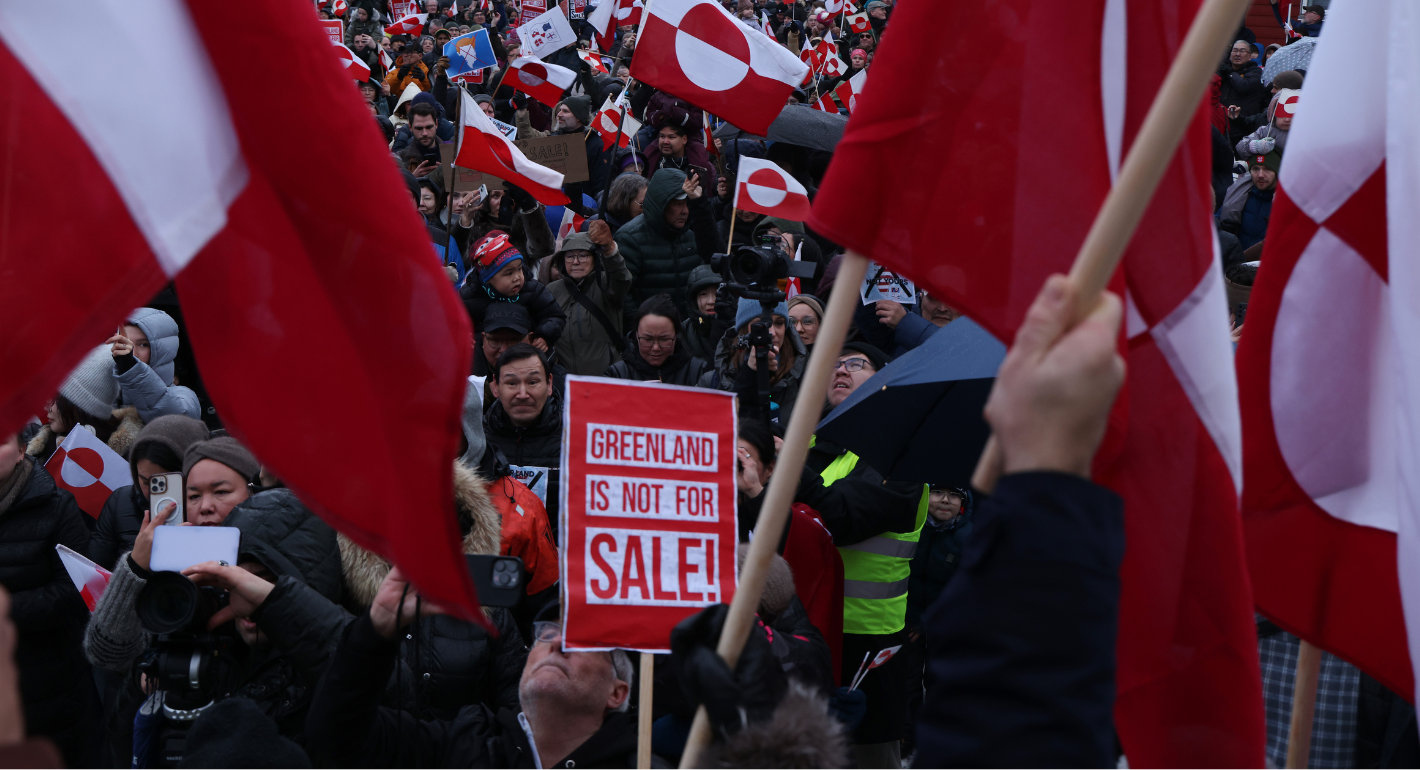
    Europe’s American Predicament

    Between Greenland and U.S. interference in Europe’s democracies, transatlantic relations risk rising to an unprecedented level of crisis. Amid continued arguments on how Brussels should react, tough times lie ahead for European leaders.

      Marc Pierini

  • Commentary
    Strategic Europe
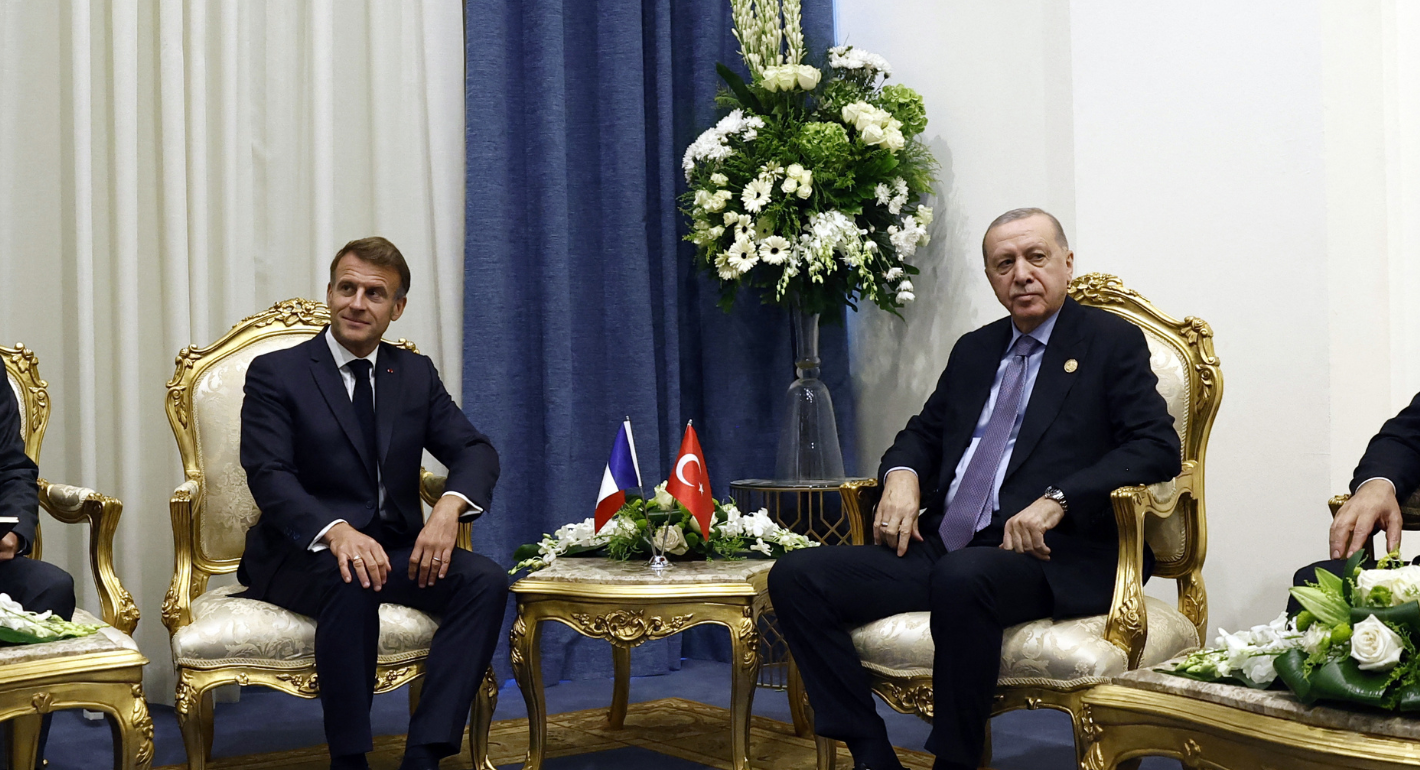
    France, Turkey, and a Reset in the Black Sea

    A renewal of relations between France and Turkey is vital to strengthen European strategic autonomy. To make this détente a reality, Paris and Ankara should move beyond personal friction and jointly engage with questions of Black Sea security.

      Romain Le Quiniou

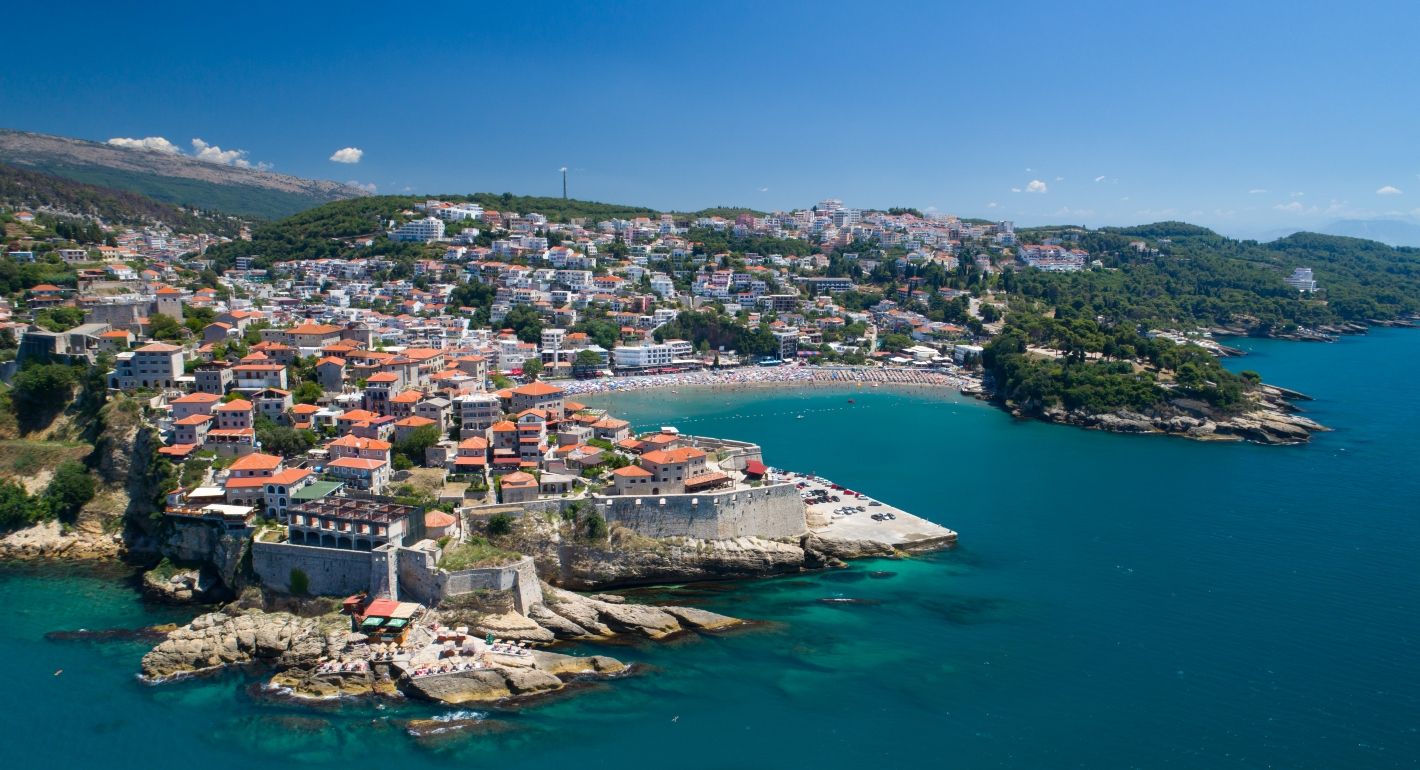
  • Ulcinj Montenegro UAE investments
    Paper
    Rules or Deals? The EU’s Challenge in Regulating Corrosive Capital in the Western Balkans

    The United Arab Emirates has become a major investor in the Western Balkans. With enlargement back on the agenda, the EU must ensure that foreign capital meets rather than undermines its governance standards.

      • Alba Çela
      • +1

      Iliriana Gjoni, Iva Čukić, Alba Çela, …

  • Paper
    How EU Foreign Policy Turned Regional

    The EU’s engagement with the rest of the world has become increasingly uneven. To chase the ambition of a global Europe, the second von der Leyen commission must leverage funds and diplomatic tools to play a more cohesive role in shaping international affairs.

      • Francesco Siccardi

      Francesco Siccardi

Get more news and analysis from
Carnegie Europe
Carnegie Europe logo, white
Rue du Congrès, 151000 Brussels, Belgium
  • Research
  • Strategic Europe
  • About
  • Experts
  • Projects
  • Events
  • Contact
  • Careers
  • Privacy
  • For Media
  • Gender Equality Plan
Get more news and analysis from
Carnegie Europe
© 2026 Carnegie Endowment for International Peace. All rights reserved.