• Research
  • Strategic Europe
  • About
  • Experts
Carnegie Europe logoCarnegie lettermark logo
EUUkraine
  • Donate
Abstract image for artificial intelligence
Research

AI Agents and Democratic Resilience

Autonomous AI agents are arriving at a moment of acute vulnerability for liberal democratic orders. Amid deep uncertainty about agents’ prospective capabilities and impacts, this essay considers how they might both accelerate and mitigate the structural pressures loosening democracy’s screws—and how to ensure the robust protection of democratic values in the age of agentic AI. 

Link Copied
By Seth Lazar and Mariano-Florentino (Tino) Cuéllar
Published on Sep 4, 2025
Read Full Paper

Autonomous AI agents are arriving at a moment of acute vulnerability for liberal democratic orders. Amid deep uncertainty about agents’ prospective capabilities and impacts, this essay considers how they might both accelerate and mitigate the structural pressures loosening democracy’s screws—and how to ensure the robust protection of democratic values in the age of agentic AI. 

AI agents fuse perception, memory, planning, and tool use. After some early stumbles, they may soon be able to perform almost any digital task humans can tackle, potentially at lightning speed and vast scale. We argue that this prospect would magnify every existing democratic fault line: accelerating white-collar displacement and feeding populist anger; ceding unprecedented leverage over the state to a handful of firms; giving would-be autocrats precision surveillance and other resources for “autocratic legalism”; and flooding the public sphere until real people flee a wasteland of mistrust.

Highly capable agents would also mint fresh hazards. Agentic AI companions can cultivate intimacy then weaponize it, scaling social manipulation. Coordinated swarms may prosecute cyber attacks that cripple democratic infrastructure. A perfectly obedient, AI-run bureaucracy would let leaders wear the state like an exoskeleton, sidestepping human checks and balances.

Agents could also advance democratic values. If democratic states adequately support open and decentralized access to frontier models, agents could serve as cognitive prosthetics guiding people through complexity, as shields detecting manipulation, and as advocates mobilizing collective power against corporate or governmental overreach. They can be part of the cure as well as the cause. But core democratic functions—agenda-setting, will-formation, definitive choice—cannot be outsourced without undermining what makes them worthwhile. Ultimately, even the best agent ecosystem will fail without urgent work to shore up the institutions and civic habits constitutive of democratic resilience.

The full paper is published on the Knight foundation website and can be found here.

Authors

Seth Lazar
Nonresident Scholar, Technology and International Affairs Program
Seth Lazar
Mariano-Florentino (Tino) Cuéllar
President, Carnegie Endowment for International Peace
Mariano-Florentino (Tino) Cuéllar
TechnologyAIDemocracy

Carnegie does not take institutional positions on public policy issues; the views represented herein are those of the author(s) and do not necessarily reflect the views of Carnegie, its staff, or its trustees.

More Work from Carnegie Europe

  • Commentary
    Strategic Europe
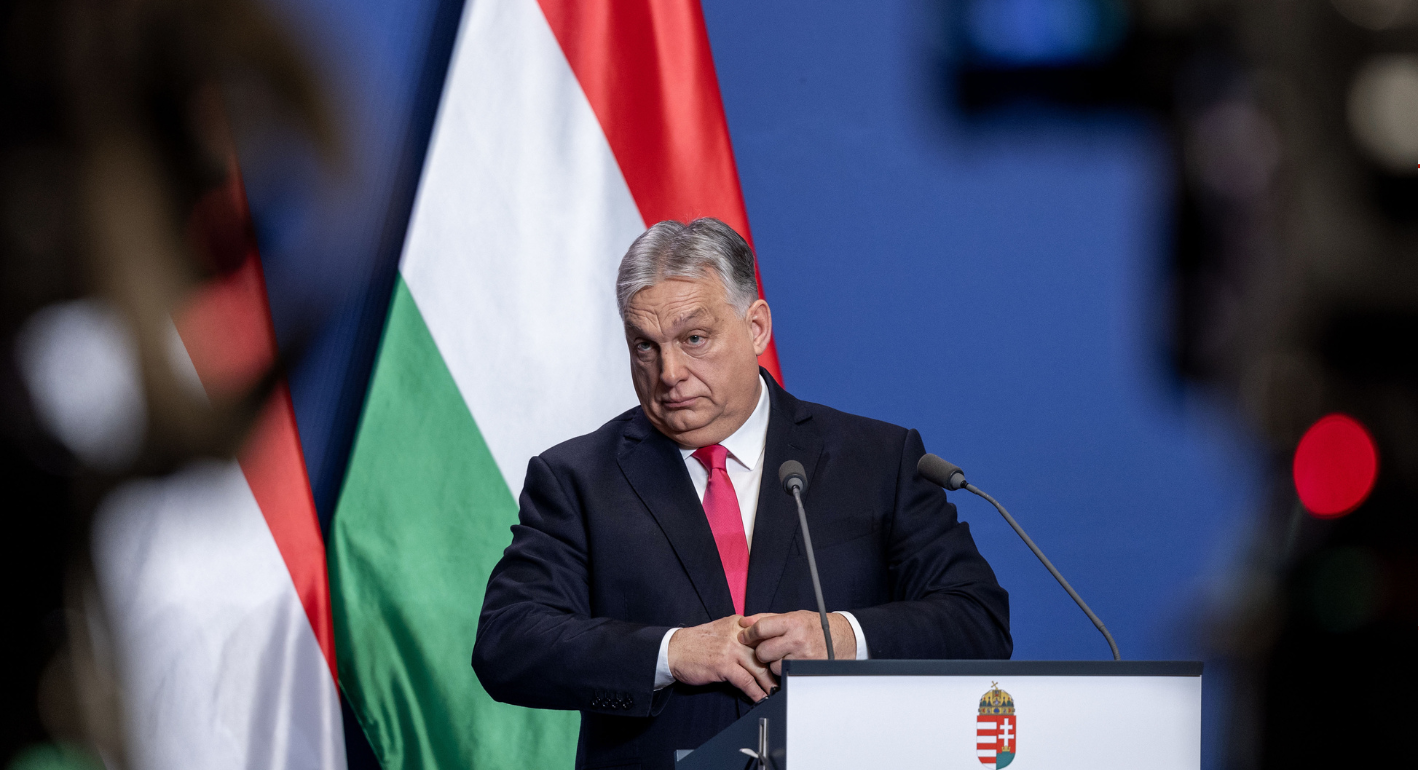
    New Tricks and AI Tools in Hungary’s High-Stakes Election

    Hungarian Prime Minister Viktor Orbán faces his most serious challenge yet in the April 2026 parliamentary elections. All of Europe should monitor the Fidesz campaign: It will use unprecedented methods of electoral manipulation to secure victory and maintain power.

      Zsuzsanna Szelényi

  • Commentary
    Europe’s American Predicament

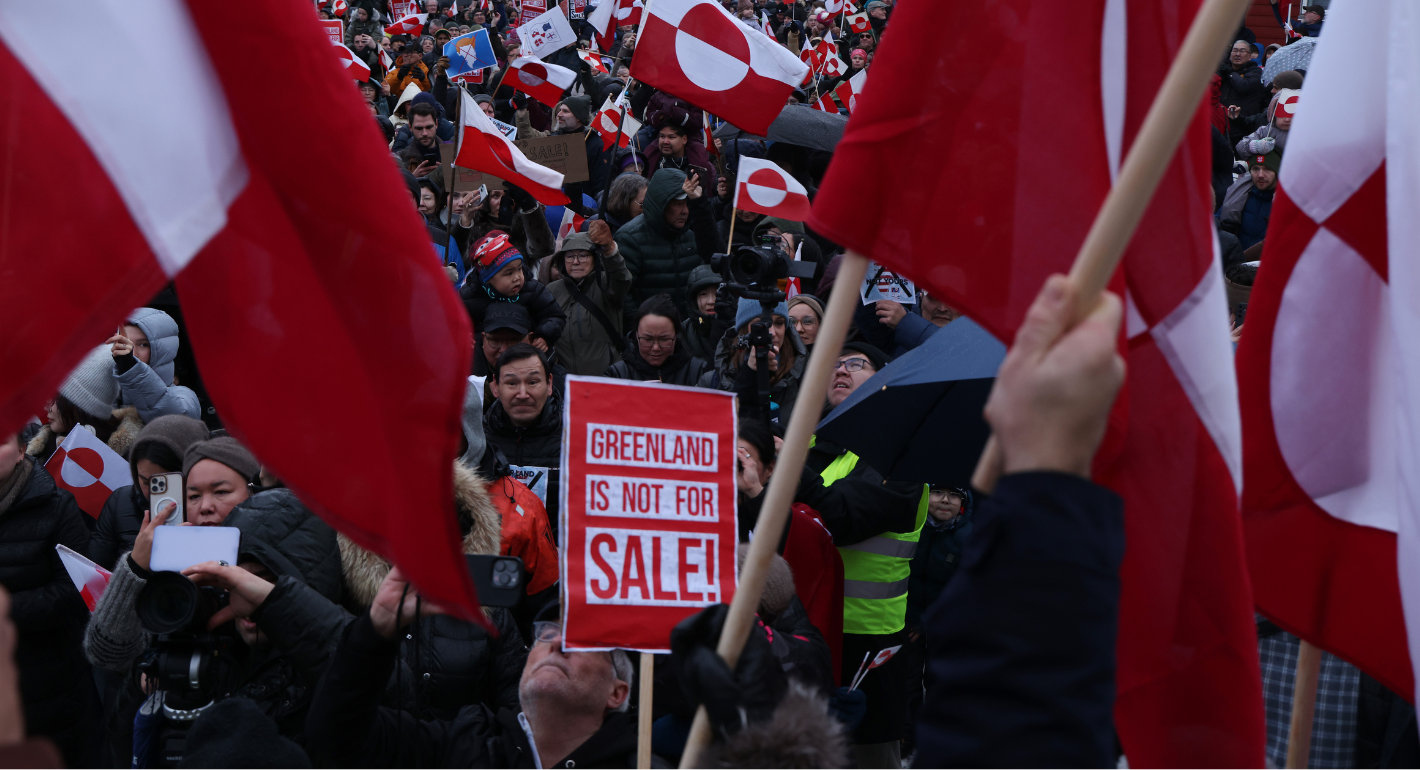
    Between Greenland and U.S. interference in Europe’s democracies, transatlantic relations risk rising to an unprecedented level of crisis. Amid continued arguments on how Brussels should react, tough times lie ahead for European leaders.

      Marc Pierini

  • Ulcinj Montenegro UAE investments
    Paper
    Rules or Deals? The EU’s Challenge in Regulating Corrosive Capital in the Western Balkans

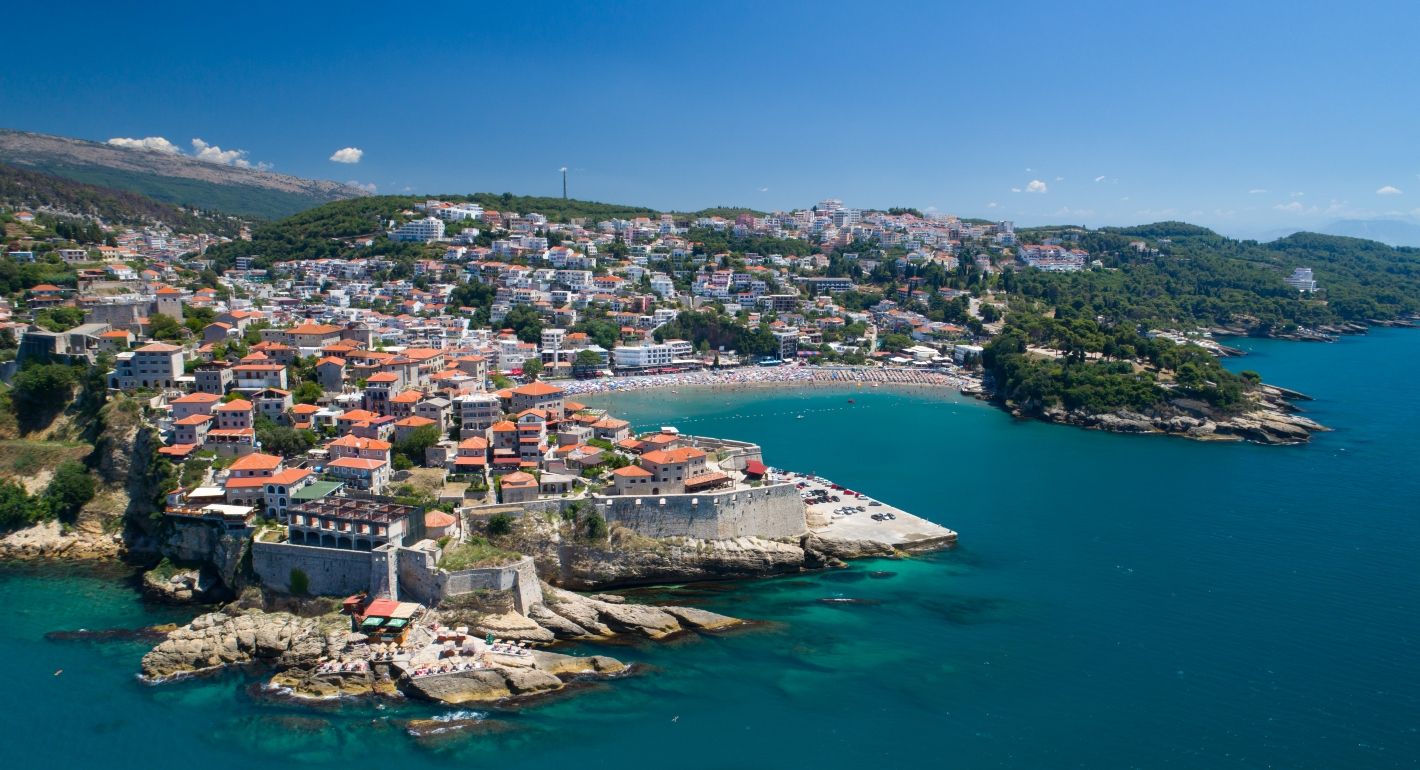
    The United Arab Emirates has become a major investor in the Western Balkans. With enlargement back on the agenda, the EU must ensure that foreign capital meets rather than undermines its governance standards.

      • Alba Çela
      • +1

      Iliriana Gjoni, Iva Čukić, Alba Çela, …

  • Commentary
    Strategic Europe
    Can the EU Meet the Trump Moment?

    The second term of U.S. President Donald Trump is pushing Europeans to strengthen their capacity for collective action. But their biggest challenge comes from within: U.S.-backed radical-right parties that want to weaken the EU.

      Stefan Lehne

  • Commentary
    Strategic Europe
    Corporate Geopolitics: When Billionaires Rival States

    Tech giants are increasingly able to wield significant geopolitical influence. To ensure digital sovereignty, governments must insist on transparency and accountability.

      Raluca Csernatoni

Get more news and analysis from
Carnegie Europe
Carnegie Europe logo, white
Rue du Congrès, 151000 Brussels, Belgium
  • Research
  • Strategic Europe
  • About
  • Experts
  • Projects
  • Events
  • Contact
  • Careers
  • Privacy
  • For Media
  • Gender Equality Plan
Get more news and analysis from
Carnegie Europe
© 2026 Carnegie Endowment for International Peace. All rights reserved.