

Commentary
As European leadership prepares for the sixteenth EU-India Summit, both sides must reckon with trade-offs in order to secure a mutually beneficial Free Trade Agreement.
Dinakar Peri
{
  "authors": [
    "C. Raja Mohan"
  ],
  "type": "commentary",
  "blog": "Strategic Europe",
  "centerAffiliationAll": "",
  "centers": [
    "Carnegie Endowment for International Peace",
    "Carnegie Europe",
    "Carnegie India"
  ],
  "collections": [],
  "englishNewsletterAll": "",
  "nonEnglishNewsletterAll": "",
  "primaryCenter": "Carnegie India",
  "programAffiliation": "",
  "programs": [],
  "projects": [],
  "regions": [
    "South Asia",
    "India",
    "Western Europe",
    "Asia",
    "Europe"
  ],
  "topics": [
    "Foreign Policy",
    "EU"
  ]
}
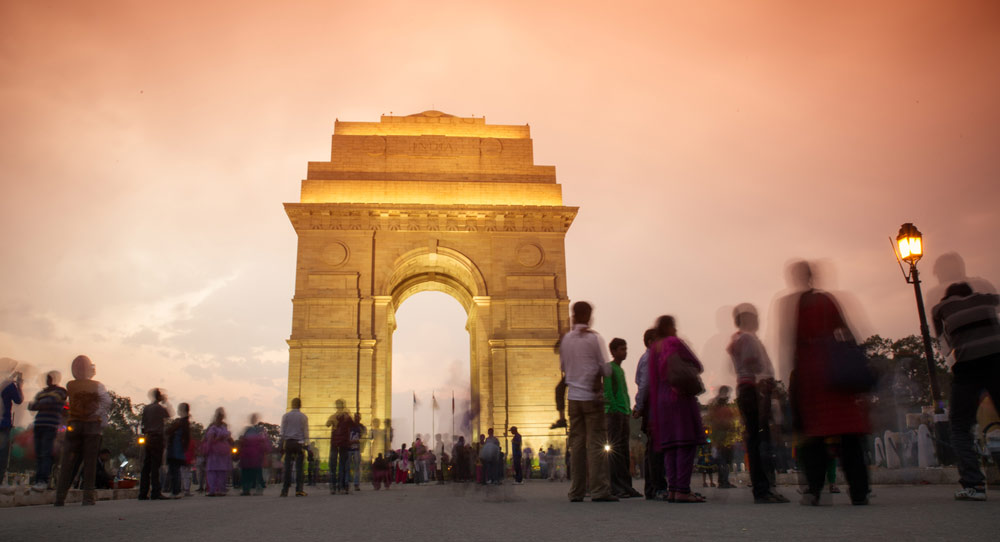
India sees the EU’s new emphasis on balancing interests and values as long overdue and welcomes Europe’s aspiration for greater strategic autonomy in the world.
Strategic Europe is today launching a new phase of its Capitals Series, this time exploring how EU foreign policy is viewed by major non-European countries. We have asked each of our contributors to give a frank assessment of their country’s relations with the EU and rank five key issues in order of their importance in those relations. We start with India.
*
Europe’s growing troubles—including Britain’s vote to secede from the EU, flows of refugees from the South, and new security challenges from the East—have compelled India to take a fresh look at a region that New Delhi had found hard to engage as a collective. India tended to neglect Europe when Brussels was riding high. New Delhi now fears that a weak Brussels will inevitably undermine India’s geopolitical standing in the Eurasian landmass.

The change in New Delhi’s economic orientation and the adaptation of its foreign policy should have made the emerging EU a major priority for Indian diplomacy. It did not turn out that way. The slow and halting pace of India’s economic reforms, rooted in a lack of political will to initiate unpopular and often painful upheaval, meant India’s liberalization and globalization were essentially defensive in character.
On the foreign policy front, India’s liberation from its Cold War alliance with the Soviet Union opened up expansive possibilities for engaging with other powers. But most of New Delhi’s energy went into reordering relations with the United States, rebuilding bilateral ties with such European powers as Britain, France, and Germany, and renewing engagement with the Asian powers China and Japan. In this frenetic transformation of India’s great-power relations, the EU did not receive the attention it deserved. Although India and the EU proclaimed a strategic partnership at the turn of this millennium, it made little difference to the pace and direction of the relationship. Three factors constrained the engagement.

Second, on the diplomatic front, India and Europe seemed to trade their historic positions. During the Cold War, India’s morally driven policies on peace and security issues, or moralpolitik, was an enduring puzzle for Europe. After the Cold War, as New Delhi moved toward realpolitik, it found Europe’s posturing as an empire of norms utterly unwelcome. Whether it was on nonproliferation or human rights, New Delhi knew there was room for practical trade-offs with Washington, while Brussels seemed inflexibly rooted in its postmodern fairyland.
Third, Europe did not resonate as a collective in the minds of the Indian political class—let alone with the broader public.
Change is now at hand. In India, the arrival of Prime Minister Narendra Modi in May 2014 rejuvenated the country’s foreign policy. Beyond general activism, Modi has begun to shed some of India’s deep-rooted ambivalence toward the West. Emphasizing India’s prospects as a leading power on the world stage and discarding the residual legacies of nonalignment, Modi is eager to strengthen ties with Western powers, including the United States, Europe (both bilaterally and collectively), and Japan.
Modi has gone further than any of his predecessors in imagining a stronger security partnership with the West. He has less time for the sterile ideological arguments of the past and is focused on resolving outstanding problems with Western partners. His pragmatism is about leveraging Western strengths to accelerate India’s rise on the global stage.
Meanwhile, the EU too is moving away from some of its past idealist focus. India welcomes the EU’s new recognition in its global strategy unveiled in 2016 that being a civilian power is not enough and that Brussels must combine hard and soft power. India also sees the EU’s new emphasis on balancing interests and values as a long-overdue shift in Brussels toward realism.
The EU’s aspiration for greater strategic autonomy has not come a moment too soon for New Delhi. At a moment when Russia and China are being assertive and bringing a shared Eurasian vision of their own and doubts are growing in the United States about that country’s global role, Europe needs to demonstrate greater independent resolve and responsibility in securing its interests.
This new direction draws Europe closer to India’s approach to the world. It will not be easy to translate this convergence into effective and tangible outcomes between Brussels and New Delhi. But India is acutely conscious that it has the most to lose from any further fragmentation and weakening of the EU. The dominance of a continental coalition over a divided Europe will profoundly harm India’s quest for a stable Eurasian balance. Preventing that outcome demands that India step up its economic and security cooperation with a united Europe.
C. Raja Mohan is the director of Carnegie India.
Carnegie does not take institutional positions on public policy issues; the views represented herein are those of the author(s) and do not necessarily reflect the views of Carnegie, its staff, or its trustees.
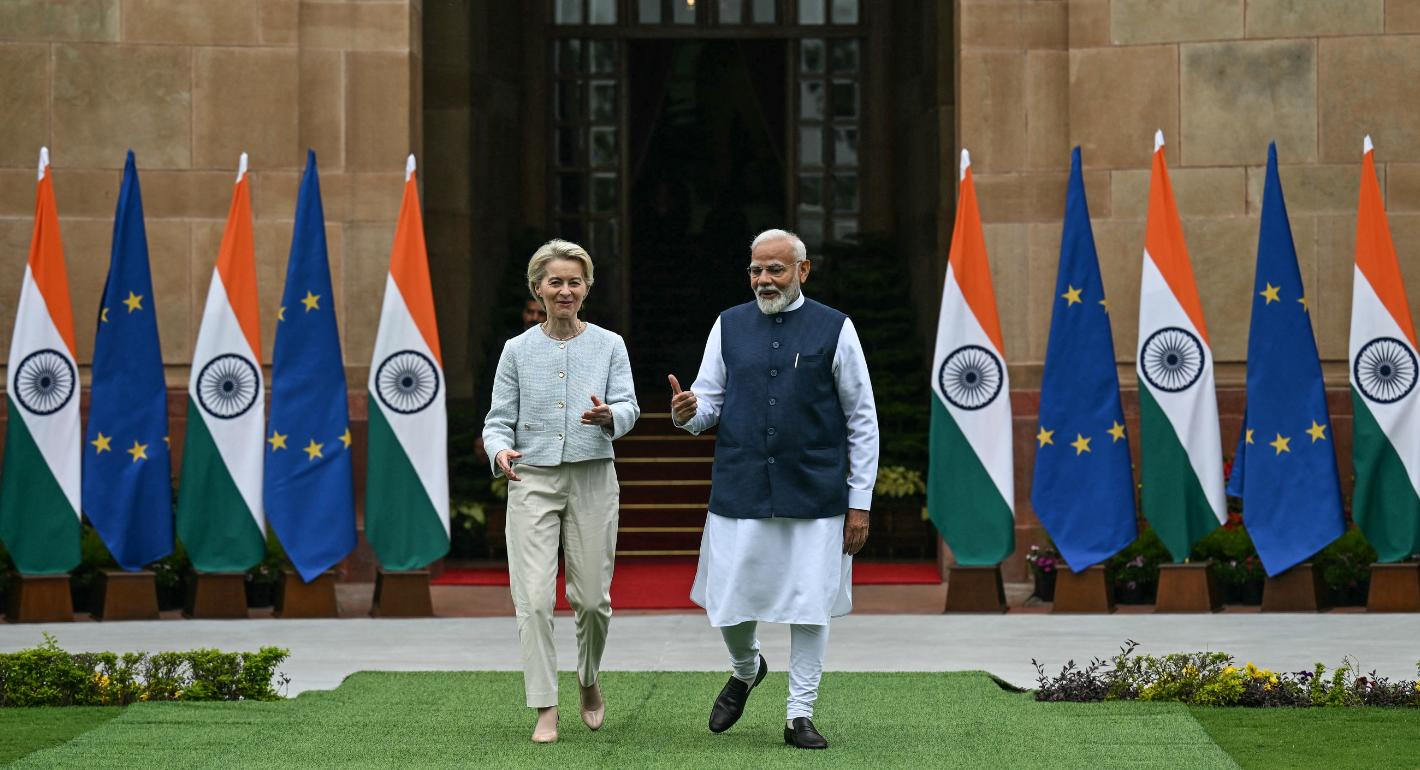
As European leadership prepares for the sixteenth EU-India Summit, both sides must reckon with trade-offs in order to secure a mutually beneficial Free Trade Agreement.

Dinakar Peri
The hyper-personalized new version of global sphere-of-influence politics that Donald Trump wants will fail, as it did for Russia. In the meantime, Europe must still deal with a disruptive former ally determined to break the rules.
Thomas de Waal
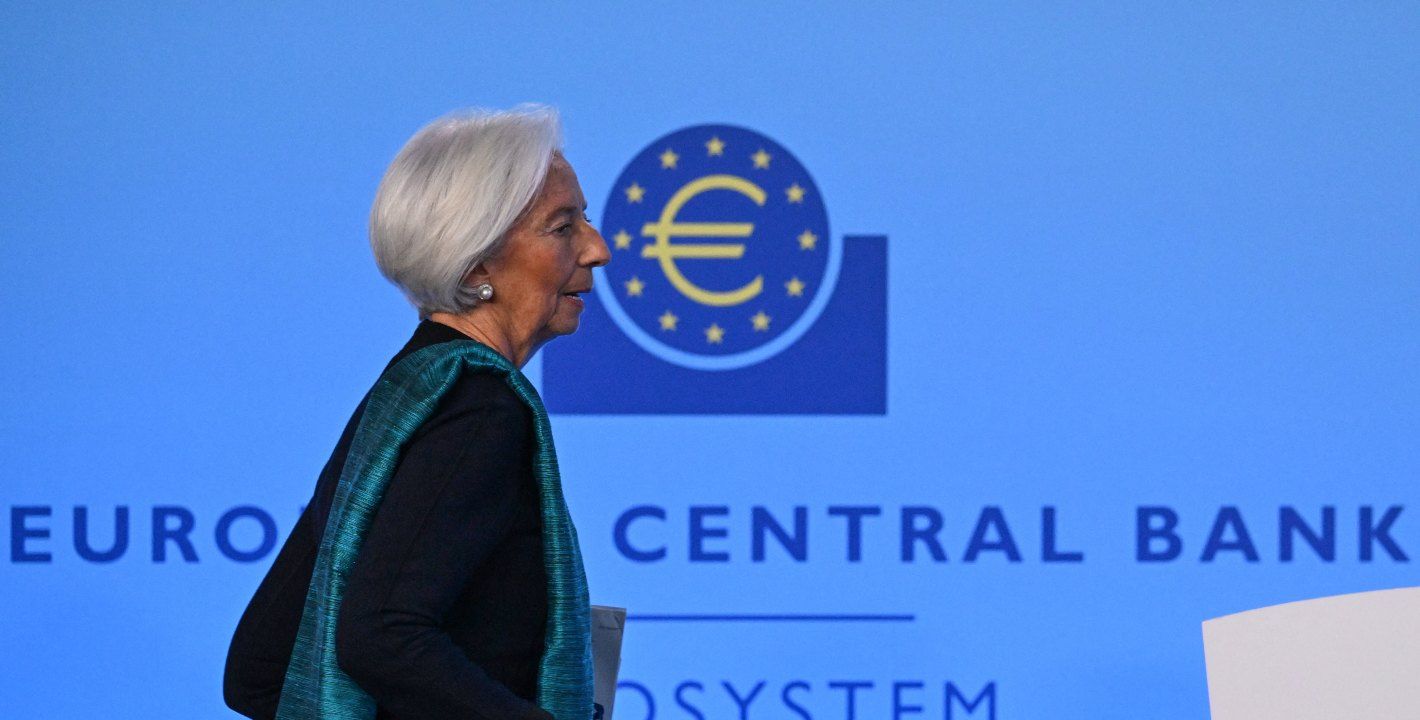
2026 has started in crisis, as the actions of unpredictable leaders shape an increasingly volatile global environment. To shift from crisis response to strategic foresight, what under-the-radar issues should the EU prepare for in the coming year?
Thomas de Waal
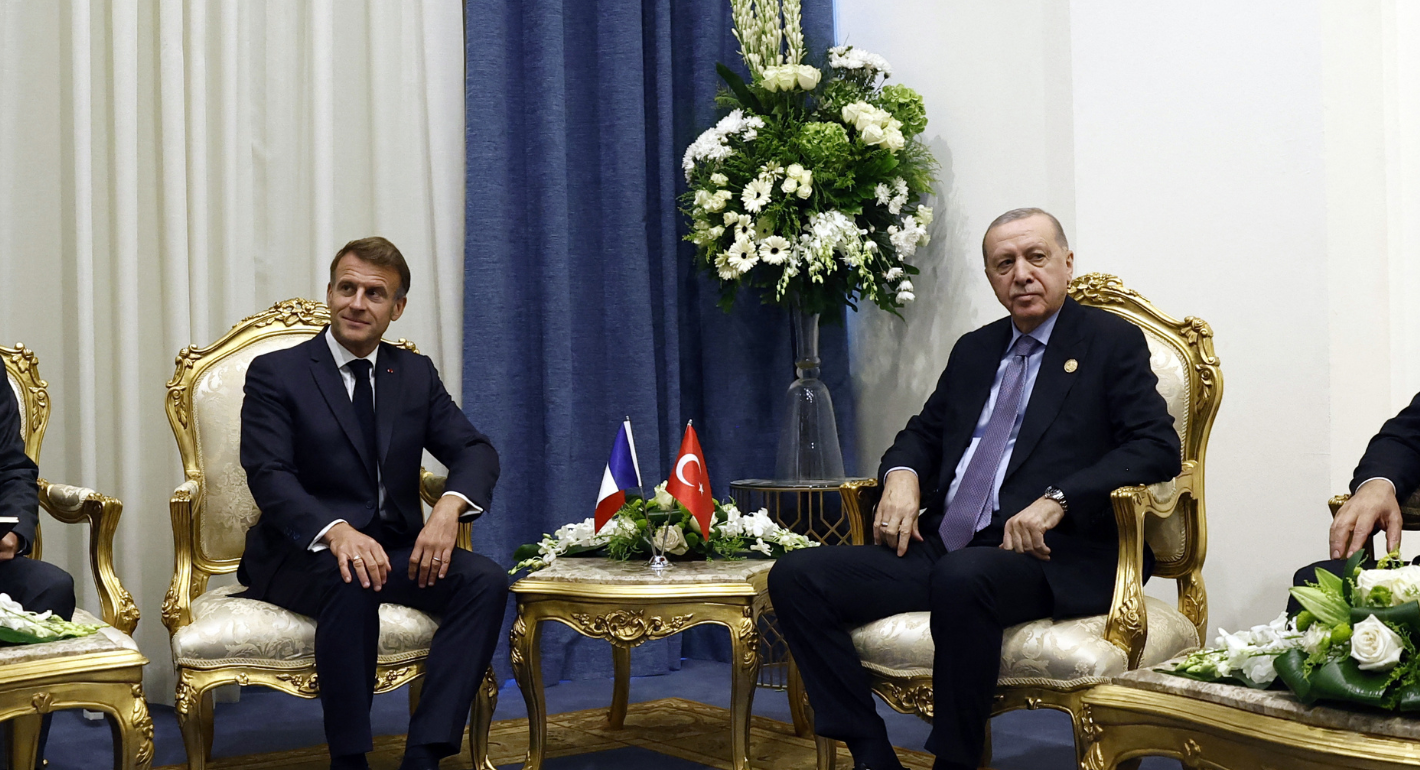
A renewal of relations between France and Turkey is vital to strengthen European strategic autonomy. To make this détente a reality, Paris and Ankara should move beyond personal friction and jointly engage with questions of Black Sea security.
Romain Le Quiniou
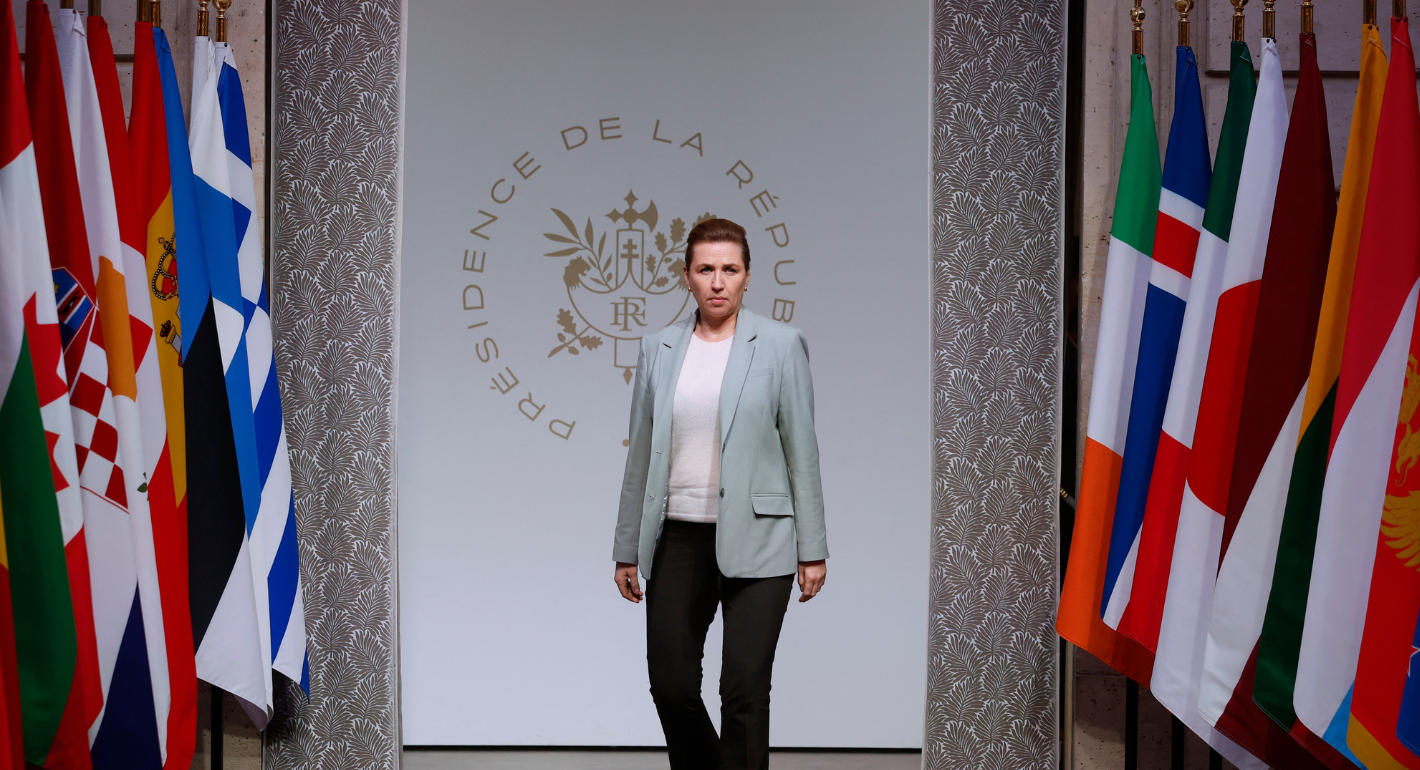
Europe is designing a new model of collective security that no longer relies on the United States. For this effort to succeed, solidarity between member states that have different threat perceptions is vital.

Erik Jones