It has been a tumultuous few weeks inside the EU and beyond.
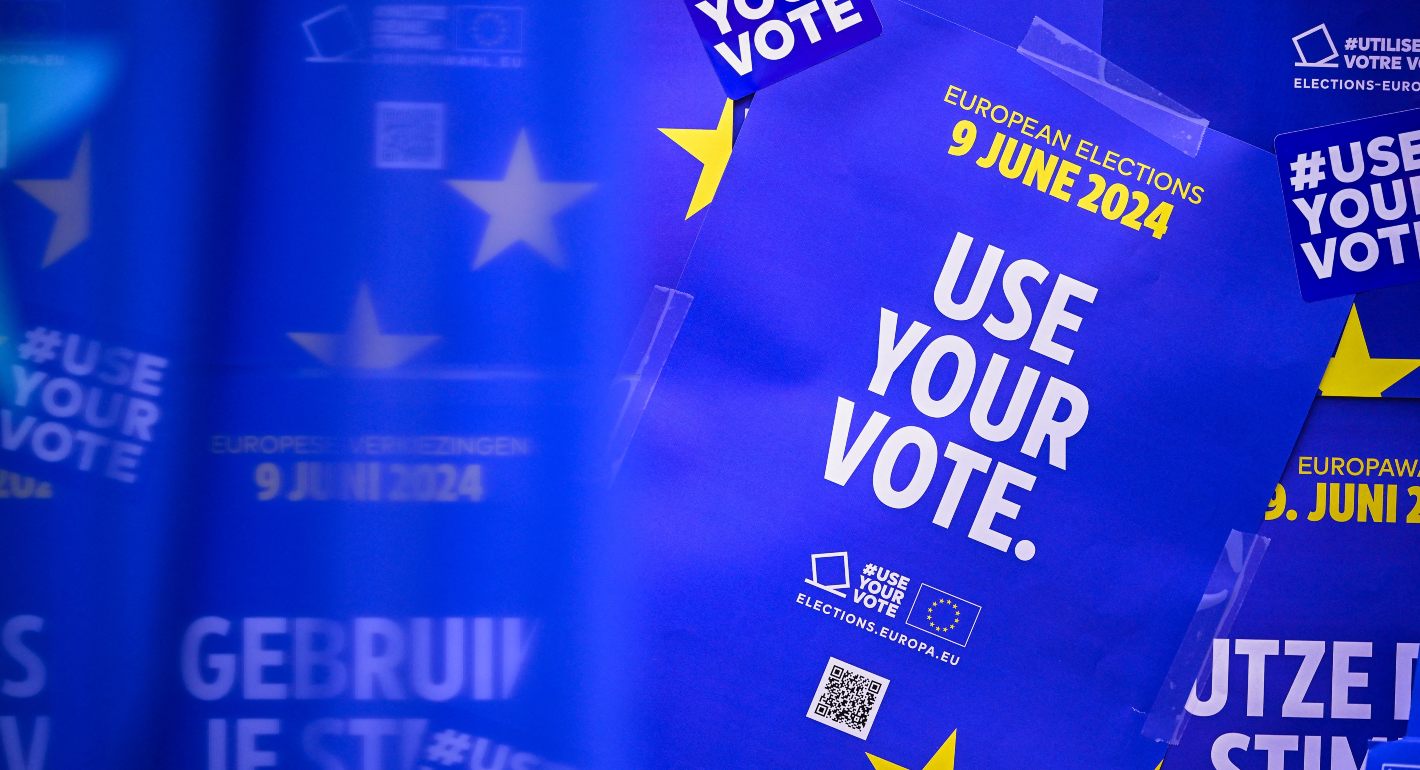
The Slovak prime minister survived an assassination attempt. A far-right-wing coalition is poised to become the next Dutch government. Germany’s anti-immigration Alternative for Germany party is mired in spy scandals involving Russia and China. All these developments are taking place just weeks before the European Parliament elections. The outcome of the vote will shape the future political direction of the EU in terms of migration, sovereignty, and foreign policy.
Next door, Russia’s war in Ukraine has intensified. The country’s second largest city, Kharkiv, has been relentlessly bombarded after surviving a ferocious assault two years ago. Ukraine still hasn’t enough military support from the West to withstand this offensive.
Further afield, Iran’s president and foreign minister were killed in a plane crash, raising questions about the succession and for how long the regime’s unremitting crackdown on any forms of dissent can continue. And don’t forget the development of its nuclear weapons program.
In Russia, the space for civil society, the arts, and academic freedom is becoming even more restricted. In Georgia, the parliament passed a law curbing the role of non-governmental organizations that receive more than 20 percent of their funding from international donors. This move was, as in Russia, about reining in civil society and actors that try to hold the government to account, provide alternative voices, and keep reforms on track.
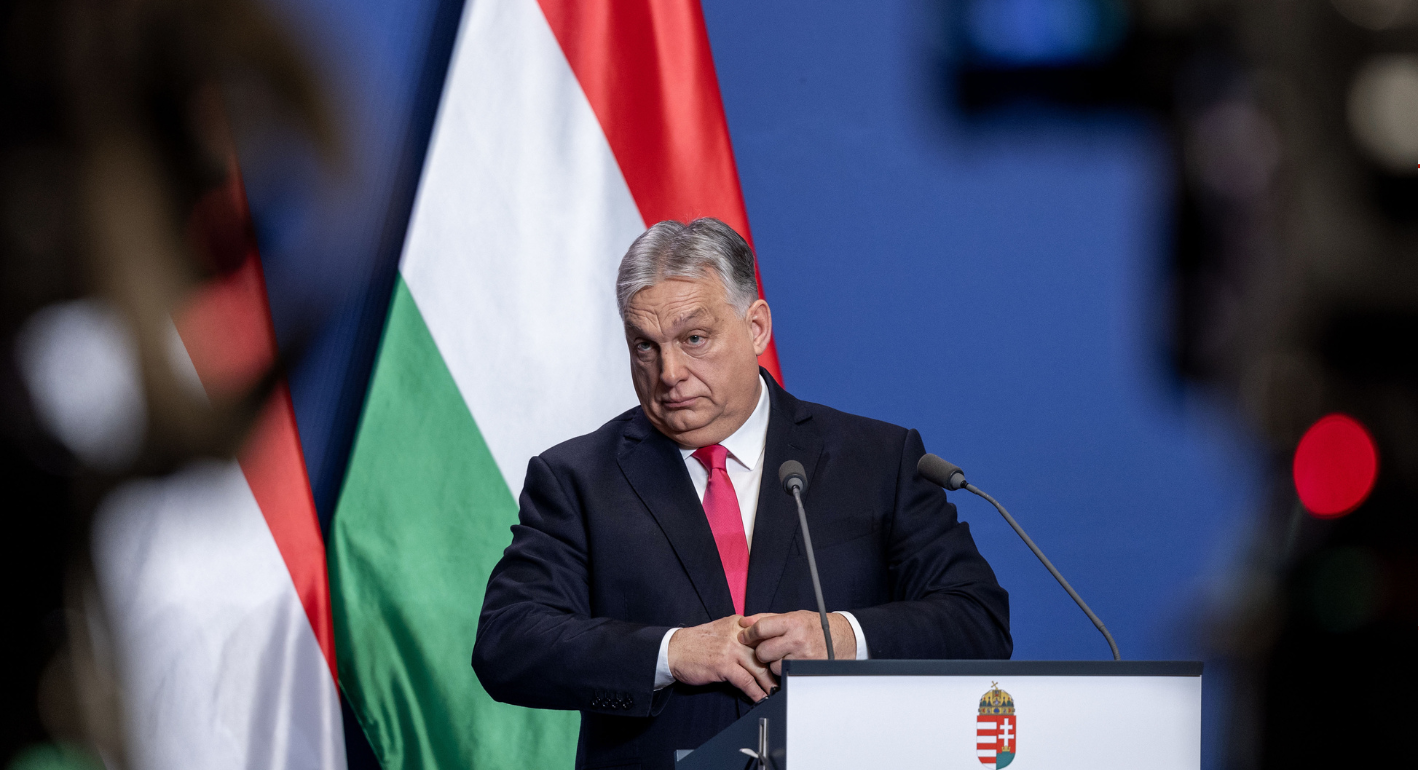
The EU, after an embarrassing delay, managed to issue a statement criticizing Tbilisi’s decision. Hungary, an increasingly disruptive member state, held up the wording for something as basic as defending civil society—but then, Prime Minister Viktor Orbán is Putin’s disciple.
In the Middle East, not only are the prospects of a deal between Israel and Hamas to free the hostages and implement a ceasefire in Gaza looking bleak after mediation attempts by the United States, Egypt, and Qatar faltered. Following a detailed report by the International Criminal Court (ICC), Israeli President Benjamin Netanyahu, his defense minister, and three Hamas leaders could face an arrest warrant for war crimes and crimes against humanity. Netanyahu deemed the ICC chief prosecutor’s request an anti-Semitic act reminiscent of the Nazi era.
Despite the massive ramifications of all these developments, many Europeans are untouched by them. Their concerns are day-to-day issues even if they are increasingly concerned with security issues and the health of their democracies. Their comfort zones are still intact. But for how much longer?
French President Emmanuel Macron has no illusions about how the external and internal crises make the EU vulnerable. His interview with the Economist was apocalyptic. But he is right to warn political elites and European citizens that their way of life and democracy cannot be taken for granted.
Why not?
For one thing, the post–Cold War era is over. The peace dividend that the West assumed would effortlessly flow to countries emerging from decades of communist rule—but also further afield given that the competition between the United States and the former Soviet Union had ended—did not happen. Transitions to democracy take a lot of time. They have to be nurtured in ways that citizens feel they have a genuine stake in their success.
Second, the conflicts cited above challenge the very premise upon which the EU was built. It was constructed around a project of peace, prosperity, economic growth, and stability. These were possible during the Cold War. The ideological standoff between the West and Moscow was built on a special understanding of stability based on two ideological camps and two military organizations—NATO, led by the United States, and the Warsaw Pact. The lines were clearly defined.
Such lines no longer exist. Not only that. The increasing role of China as a military, ideological and economic competitor to the West represents a major challenge to Europe’s democratic fiber. Combined with Putin’s determination to subjugate Ukraine, Europe must surely see the dangers expressed by Macron.
Third, the other aspects of the EU’s foundations—prosperity and growth—can no longer be taken for granted. Putin’s war on Ukraine and Germany’s (belated) decision to end its dependence on Russian gas led to high energy prices. It also was the catalyst for accelerating renewable energy.
This economic shock was not new. The collapse of the Lehman Brothers bank in 2008 and the ensuring eurozone crisis triggered a deep lack of confidence in the EU’s perceived ability to provide continuous growth and prosperity.
On top of that, the war in Syria and Germany’s decision in 2015 to give refuge to nearly 1 million people fleeing the conflict also challenged the EU. The impact of globalization, wars, and migration sat uncomfortably with the EU’s founding premises.
What all the above means is that Europe needs to strategically acknowledge how such premises no longer apply.
First, the EU needs to move toward greater economic integration. This would entail agreeing a functioning banking union and a capital markets union. Both would strengthen the eurozone.
Second, since Europe, at least for now, is not going to be a defense player in the sense Macron proposed, it should strengthen its role in NATO, regardless of who enters the White House in January 2025. Deterrence, enhanced capabilities, and further enlargement need to be priorities.
Third, since EU member states cannot agree on treaty changes that would reduce the use of unanimity in decisionmaking—thus making EU foreign policy more cohesive and effective, coalitions of the willing could be an option. If this requires financing for special civilian missions, those countries that don’t want to join should contribute financially.
Finally, leaders need to speak out about why Europe’s democracy and values need to be defended. If that way of life didn’t matter, why are Ukrainians and Georgians waving EU flags?