

Commentary
Military training cooperation has become a distinctive feature of the UAE’s foreign policy and a major tool for expanding geopolitical leverage.
Eleonora Ardemagni
{
  "authors": [
    "Mahmoud Khalid"
  ],
  "type": "commentary",
  "blog": "Sada",
  "centerAffiliationAll": "",
  "centers": [
    "Carnegie Endowment for International Peace"
  ],
  "collections": [
    "Civil-Military Relations in Arab States"
  ],
  "englishNewsletterAll": "",
  "nonEnglishNewsletterAll": "",
  "primaryCenter": "Carnegie Endowment for International Peace",
  "programAffiliation": "",
  "programs": [],
  "projects": [],
  "regions": [],
  "topics": []
}
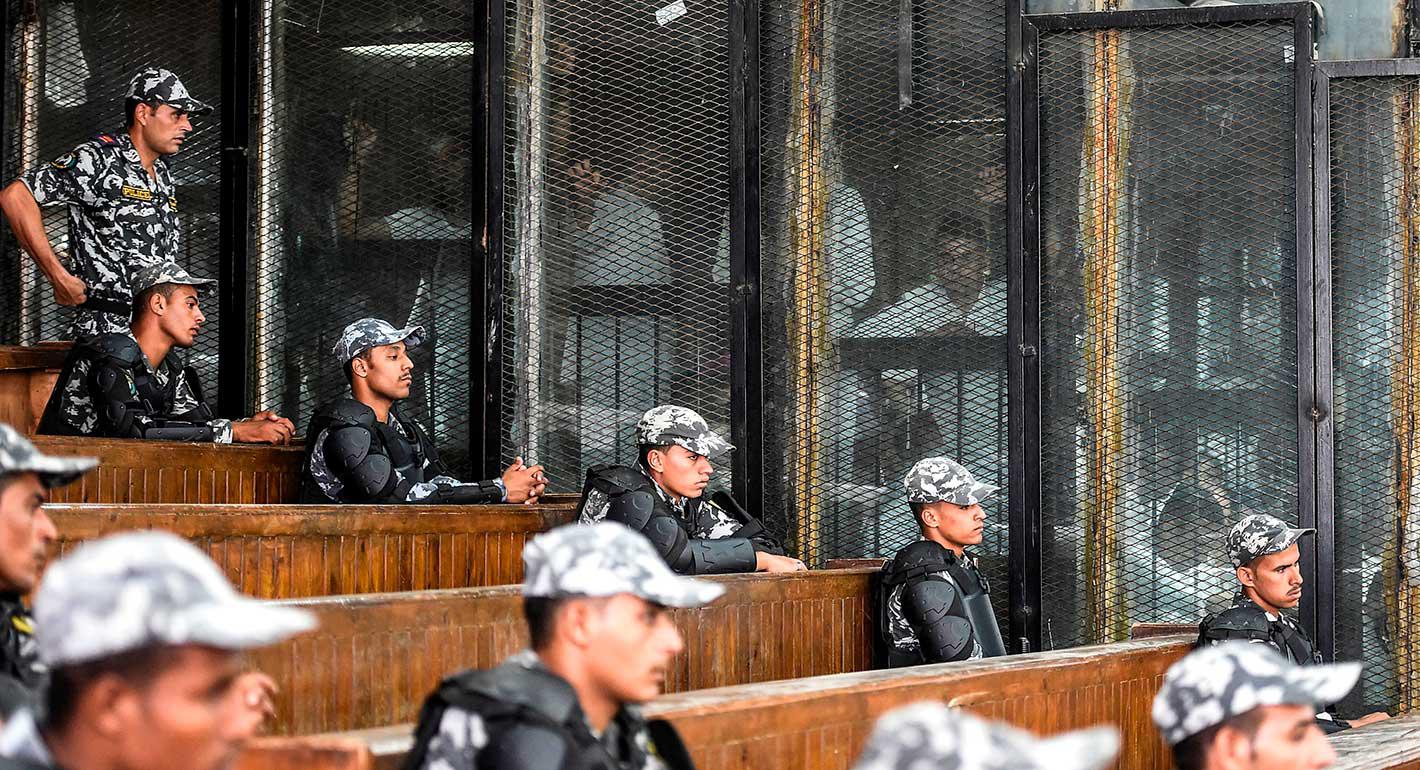
Sisi’s government is instrumentalizing the coronavirus pandemic to pass new amendments related to Egypt’s emergency law, only expanding the military’s legal authority nationwide.
Egypt’s Parliament recently agreed to drastically amend Emergency Law 162 of 1958 on April 21. The amendments enabled President Sisi to declare a three month long nationwide state of emergency beginning on April 28 to confront the precarious security and health circumstances induced by the coronavirus outbreak. The Egyptian government is using the coronavirus pandemic as a justification to pass new amendments related to Egypt’s emergency law. The new articles—presented as a means for maintaining security and confronting the coronavirus—allow the military to arrest citizens, expand the military’s judicial authority within civilian courts, and increase President Sisi’s power.
Even before the amendments, Emergency Law 162 enabled authorities to carry out a myriad of oppressive practices against citizens, most notably the prohibition of demonstrations and protests. There have also been campaigns of arrests and detention--without permission from the special prosecutor’s office—of anyone that opposes the regime. Authorities have even legally seized money and private property from politicians and opposition figures. The new amendments further expand the military’s legal jurisdiction in civilian courts which enables the military to continue solidifying their control over the country.
The new amendments, passed by the pro-regime parliamentary majority in a live vote, specify that military and judicial officers do not require permission from the special prosecutor’s office before arresting, detaining, or confiscating money and private property from citizens. The amendments also allow military prosecutors to investigate incidents and crimes committed by civilians without giving them the right to stand before a judge. Additionally, the amendments empower the president to task the military prosecutor’s office with investigating crimes related to the emergency law. Lastly, they stipulate the formation of an Emergency High Court for State Security, which will include permanent military judges. Such amendments further a systemic policy that aims to expand the military’s jurisdiction into civilian courts while simultaneously undermining the civil and constitutional rights granted by the Egyptian constitution. For instance, Article 204 of the Egyptian constitution states that a civilian may not be tried in a military court, the only exception being acts of aggression directed against military installations and bases.
This systemic policy that pushes for military control over the state—ranging from development and economic projects to intimidating civilians through military trials—is neither reactionary nor spontaneous. Since Sisi came to power in 2014, he has sought to strengthen the military’s hold over the country. In October 2014, only a few months after his ascension to the presidency, Sisi passed a law that permits the armed forces, in addition to the police, to secure and patrol public roads and critical installations, such as electricity towers and networks, gas lines, oil fields, railways, road networks, and bridges, among other public goods. A law known as “the law for securing and protecting public and critical installations” states that crimes committed on the aforementioned facilities are subject to military prosecution and that public prosecutors are obligated to transfer all issues related to these crimes to a special military prosecutor. Therefore, if a citizen damages any public establishment they will be turned over to the military’s jurisdiction.
According to Human Rights Watch, 7,420 Egyptian civilians have been prosecuted in military courts since October 2014. Many of those prosecuted are accused of participating in illegal or violent protests or with supporting or being affiliated with the Muslim Brotherhood since former president Morsi’s downfall in July 2013.It is evident that the armed forces’ approach to governing is absolute control over the country, even at the expense of the constitution and in violation of Egyptian citizens’ civil and political rights. The Supreme Council of the Armed Forces—of which Sisi is a member—has detained about 12 thousand citizens and transferred them to the military’s jurisdiction since assuming policing duties on January 28, 2011. Human Rights Watch found that this surpasses the total number of citizens that were tried in military courts in the thirty years under Mubarak.
Emergency Law 162, which allows citizens to be arrested and tried militarily, was first used by former president Gamal Abdel Nassar in the aftermath of Egypt’s 1967 defeat. His successor, President Anwar Sadat, continued to implement the emergency law he lifted until May 1980. However, it was re-imposed 18 months later when Hosni Mubarak came to power and remained active until May 2012, when Muslim Brotherhood member Mohammed Morsi took control. In the aftermath of terrorist attacks on two churches, one in Tanta and one in Alexandria, President Sisi reinstated the emergency law on April 9, 2017, imposing a state of emergency. He accompanied this with a call to protect the country from terrorism and extremism. Since then, the state of emergency has been in affect continuously.
Article 154 of the 2014 constitution, which was approved by two-thirds of parliament, declares that states of emergency are limited to a maximum period of three months. However, the regime has circumvented this article by leaving a time gap, which could be as short as one day, before re-imposing the state of emergency. The regime has utilized this loophole twelve times. In an attempt to present the amendments as necessary to confronting the coronavirus, the government included widely used measures to fight COVID-19, such as cancelling schools, universities, institutes, and work as well as delaying utility payment due dates.
A government announcement stated that measures afforded to the president are within the scope of the law and are necessary because “security and public order of Egyptian lands and the region more generally are endangered, and the purpose of the measures are to maintain the security of the nation and her citizens together.” These justifications compelled several Egyptian human rights organizations to accuse the authorities of exploiting the coronavirus pandemic to amend the state of emergency in order to intimidate citizens, disregarding their right to stand in front of a civilian judge. The government has also failed to issue any guarantees that citizens will be protected from thuggery and illegal infringements by the security forces under the pretext of a state of emergency.
The parliamentary opposition considers the continuous imposition of a state of emergency over several years as the regime’s attempt to undermine the constitution, hinder political activity, and ensure legal support for the arrest of and investigations into the opposition without legitimate reasons or justifications. The Egyptian regime continues to practice policies in order to muzzle the opposition, try civilians within military courts, and scare any voices calling for democracy, with the aim of establishing a dictatorship that crushes any hopes of establishing a modern civil state.
Mahmoud Khalid is an Egyptian journalist specializing in Arab and international affairs.
Carnegie does not take institutional positions on public policy issues; the views represented herein are those of the author(s) and do not necessarily reflect the views of Carnegie, its staff, or its trustees.
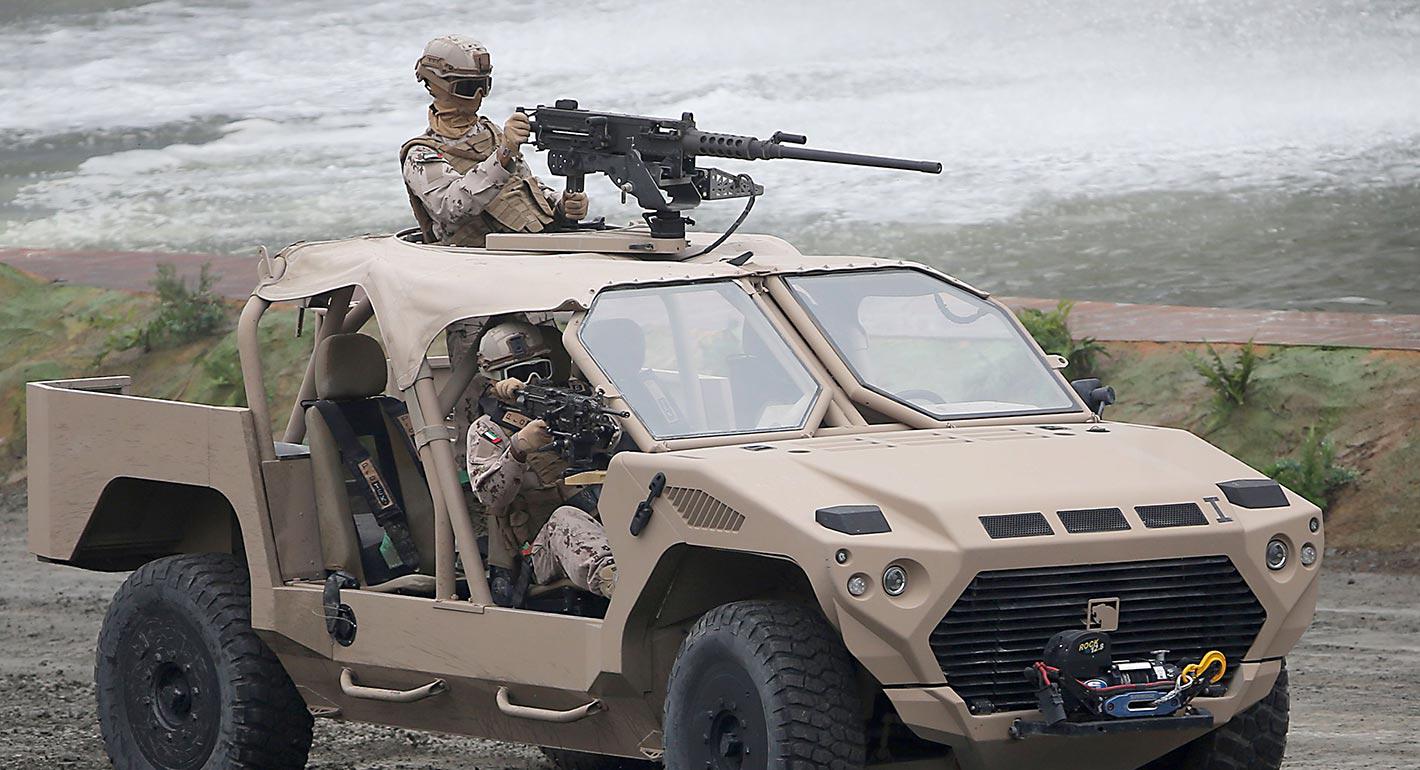
Military training cooperation has become a distinctive feature of the UAE’s foreign policy and a major tool for expanding geopolitical leverage.
Eleonora Ardemagni
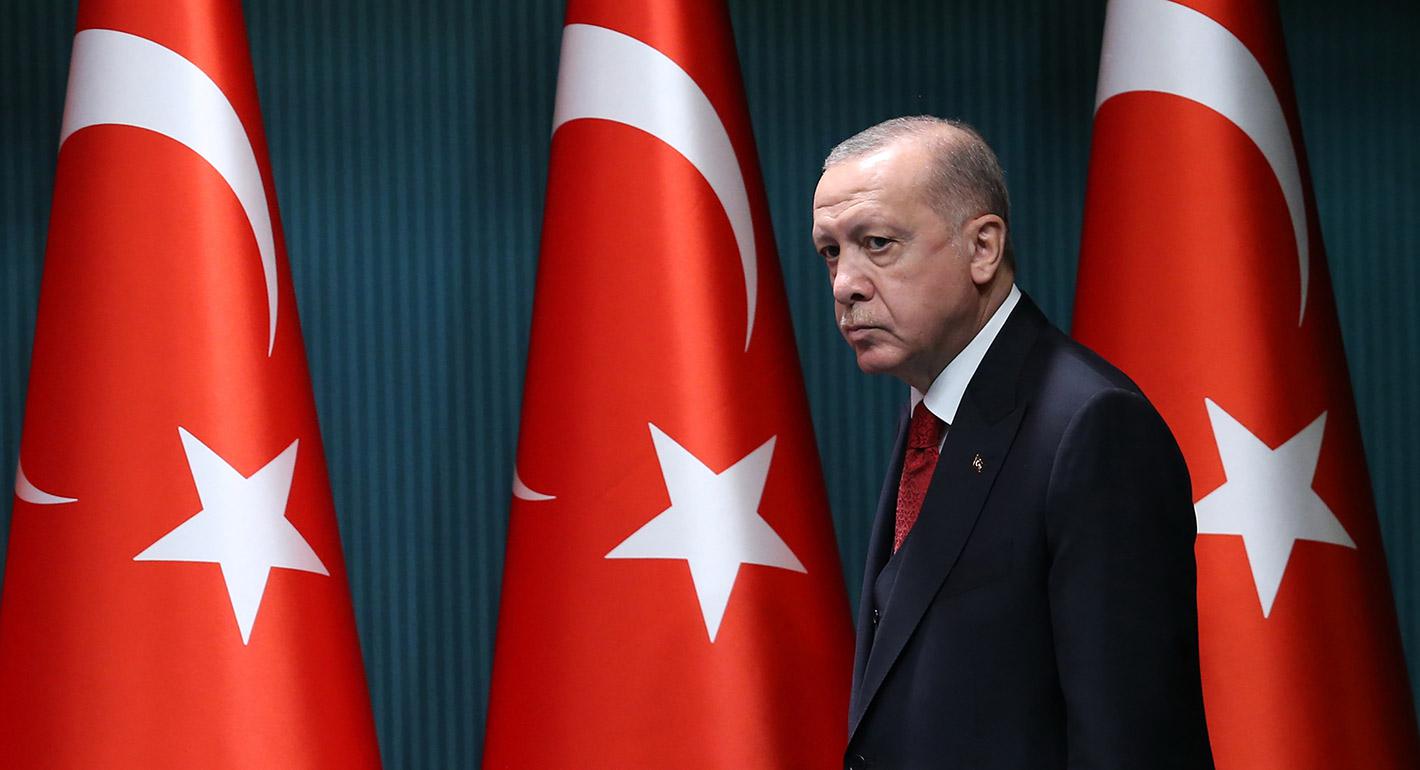
It may seem as though Turkey’s burgeoning defense industry is zooming ahead; however, the industry faces an array of issues that could slow its long-term development.
Ferhat Gurini
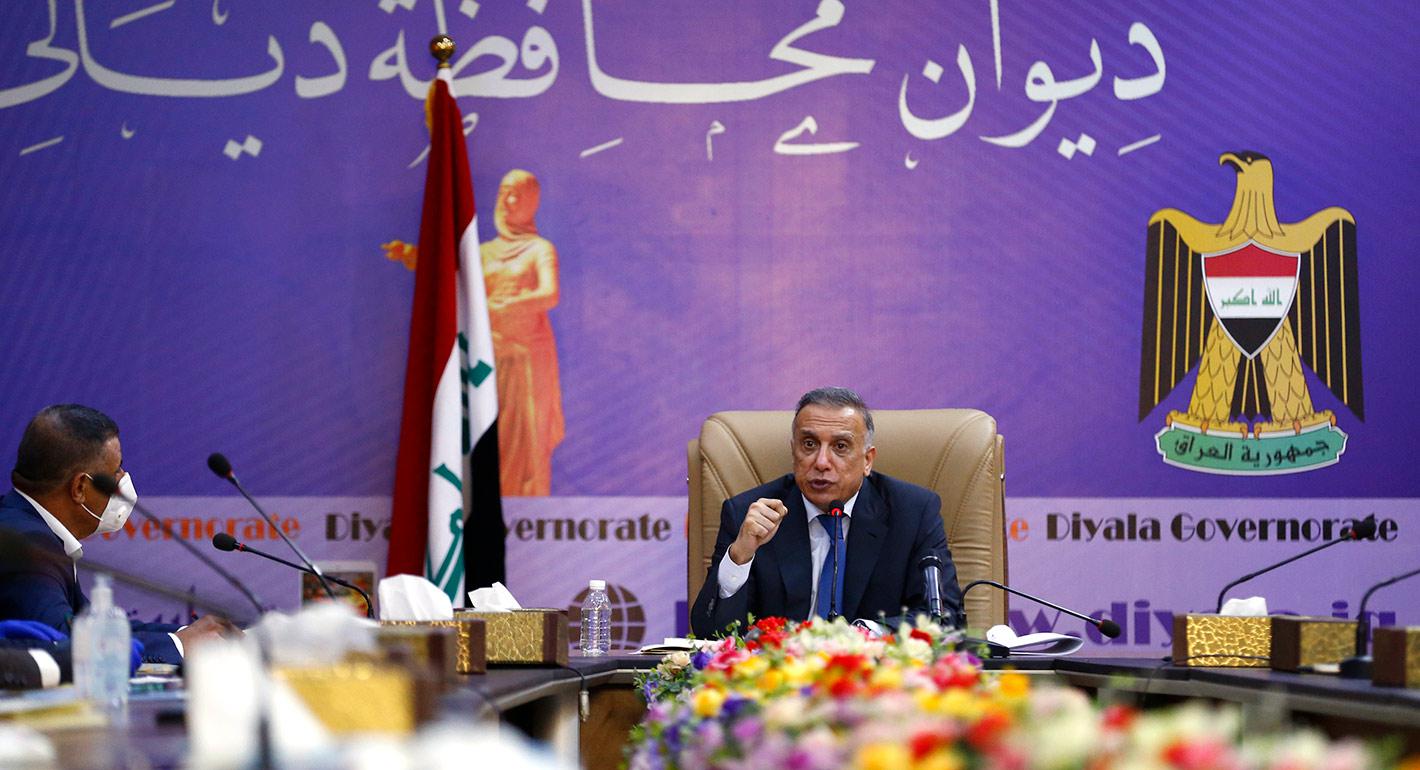
Iraqi Prime Minister Mustafa al-Kadhimi is likely heading toward a confrontation with the Iran-backed paramilitaries, which could threaten his fledgling coalition.

Tamer Badawi
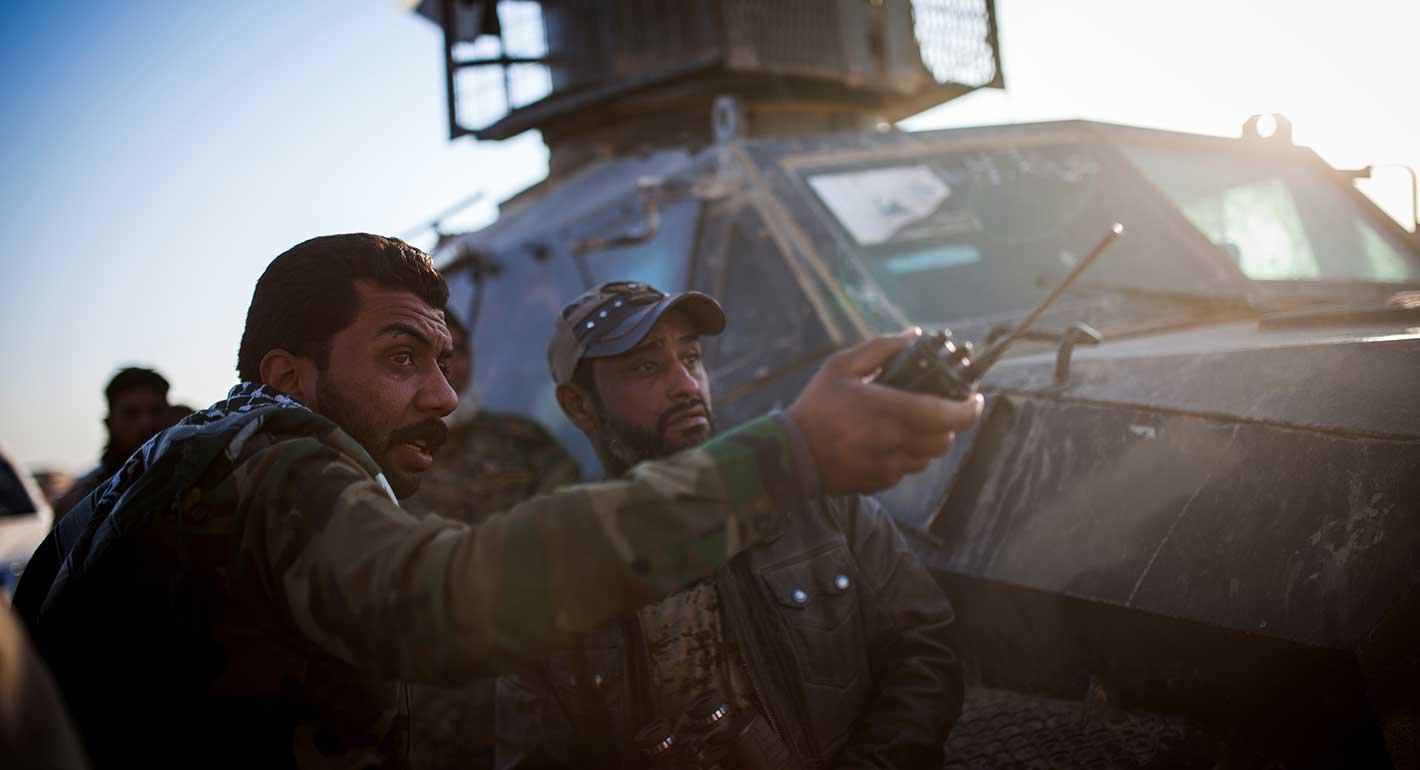
The shifting relationships between armies and civil society are revealing new balances within defense structures.
Eleonora Ardemagni
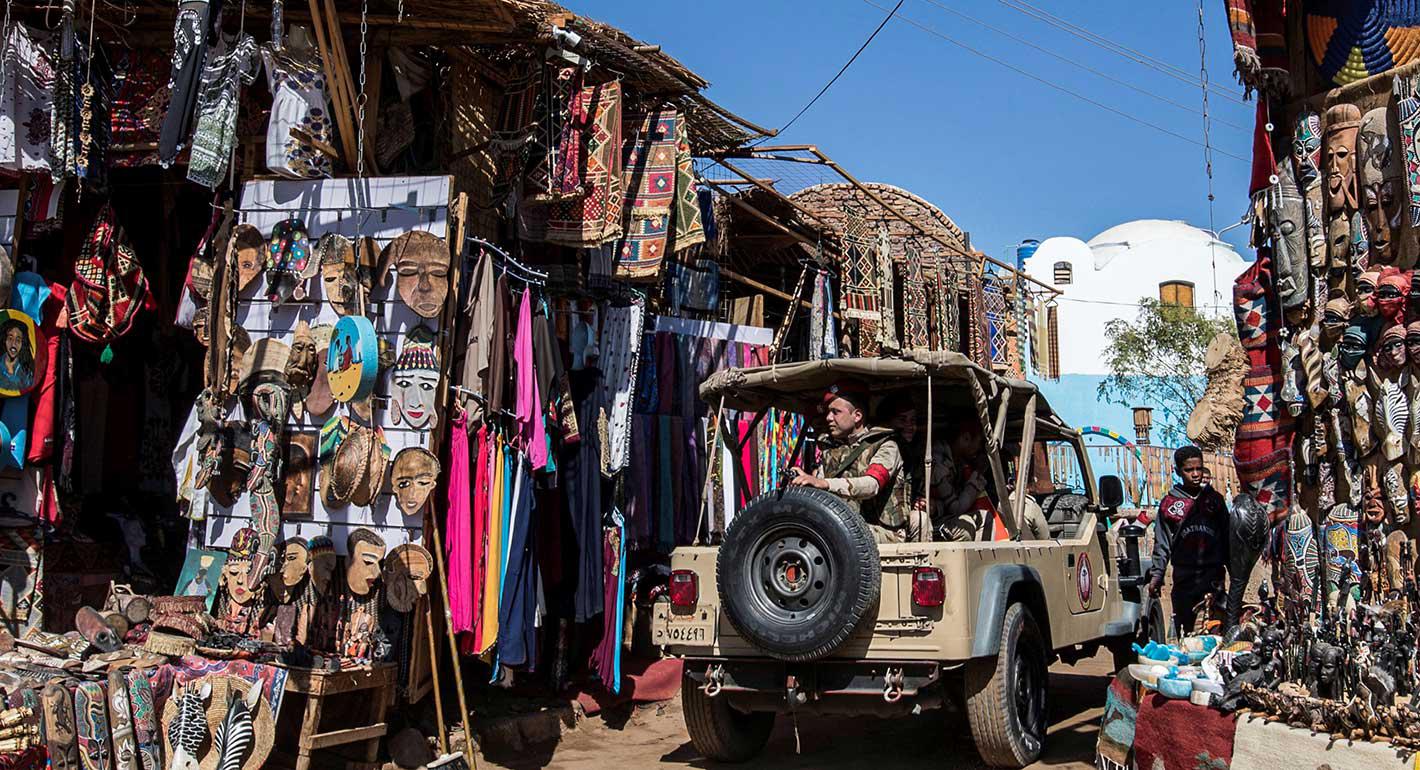
Couched as national security measures, a series of new laws and agreements are giving the military economy far-reaching control.
Mahmoud Khalid