

{
  "authors": [
    "Nur Arafeh",
    "Almudena Azcárate Ortega",
    "Jihad Azour",
    "Abdullah Baabood",
    "Rosa Balfour",
    "Anne Barnard",
    "Darshana M. Baruah",
    "Frances Z. Brown",
    "Mariano-Florentino (Tino) Cuéllar",
    "Marwa Daoudy",
    "Justin Dargin",
    "Elizabeth Dibble",
    "Robin Dickey",
    "Evan A. Feigenbaum",
    "Alexander Gabuev",
    "Kim Ghattas",
    "Amr Hamzawy",
    "Sana Hashmi",
    "Zaha Hassan",
    "Yukon Huang",
    "Rachel Kleinfeld",
    "Olivia Lazard",
    "Hamza Meddeb",
    "Marwan Muasher",
    "Moisés Naím",
    "Kumiko Okazaki",
    "Ankit Panda",
    "Karim Sadjadpour",
    "Benjamin Silverstein",
    "Oliver Stuenkel",
    "Yuki Tatsumi",
    "Sinan Ülgen",
    "Maha Yahya"
  ],
  "type": "event",
  "centerAffiliationAll": "dc",
  "centers": [
    "Carnegie Endowment for International Peace",
    "Malcolm H. Kerr Carnegie Middle East Center"
  ],
  "collections": [],
  "englishNewsletterAll": "democracy",
  "nonEnglishNewsletterAll": "",
  "primaryCenter": "Malcolm H. Kerr Carnegie Middle East Center",
  "programAffiliation": "DCG",
  "programs": [
    "Democracy, Conflict, and Governance",
    "Middle East",
    "Sustainability, Climate, and Geopolitics"
  ],
  "projects": [],
  "regions": [
    "North America"
  ],
  "topics": [
    "Political Reform",
    "Security",
    "Economy",
    "Education"
  ]
}
Reverberations of Multiple Crises: What to Expect in 2023
Wed, December 7th, 2022
Live on Facebook and Youtube
On December 7 and 8, 2022, the Malcolm H. Kerr Carnegie Middle East Center is hosting its sixth annual conference, titled “Reverberations of Multiple Crises: What to Expect in 2023.” The conference will consist of ten discussions that will be available online, and that will focus on the most significant and challenging global issues for the upcoming year. The topics of discussions will cover current developments as they relate to the global economy; the interrelated nature of climate change, conflict, and food security; populist trends around the world and the rise of authoritarianism; the effects of increased competition among global superpowers in space; the shifting power dynamics in the Indo-Pacific region; and the dynamics among Middle East regional players, including their alliances, proxy wars, and regional tensions.
As in previous iterations, this annual conference will bring together scholars from Carnegie centers around the world—Beirut, Brussels, Beijing, New Delhi, and Washington—as well as external experts, to discuss the current state of global affairs and weigh in on what they perceive will be the main salient issues to follow in the year to come.
The event will be broadcast live, in English, on our Facebook and YouTube channels.
Special thanks to KAS for their support.
Carnegie does not take institutional positions on public policy issues; the views represented herein are those of the author(s) and do not necessarily reflect the views of Carnegie, its staff, or its trustees.
Event Speakers
Nonresident Scholar, Malcolm H. Kerr Carnegie Middle East Center

Nur Arafeh is a nonresident scholar at the Malcolm H. Kerr Carnegie Middle East Center, where she is co-leading the program on the political economy of the MENA region. Her research focuses on the political economy of reconstruction, private sector development, business-state relations, food insecurity, and peacebuilding strategies.
Almudena Azcárate Ortega

Almudena Azcárate Ortega leads the Space Law and Regulation work at Secure World Foundation as a senior program analyst.
Jihad Azour
Director of the Middle East and Central Asia Department at the International Monetary Fund
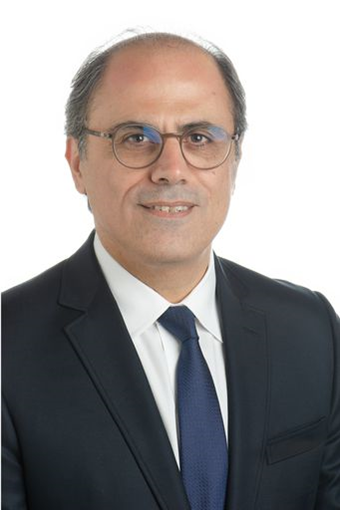
Director of the Middle East and Central Asia Department at the International Monetary Fund where he oversees the Fund’s work in the Middle East, North Africa, Central Asia and Caucasus.
Former Nonresident Senior Scholar, Malcolm H. Kerr Carnegie Middle East Center
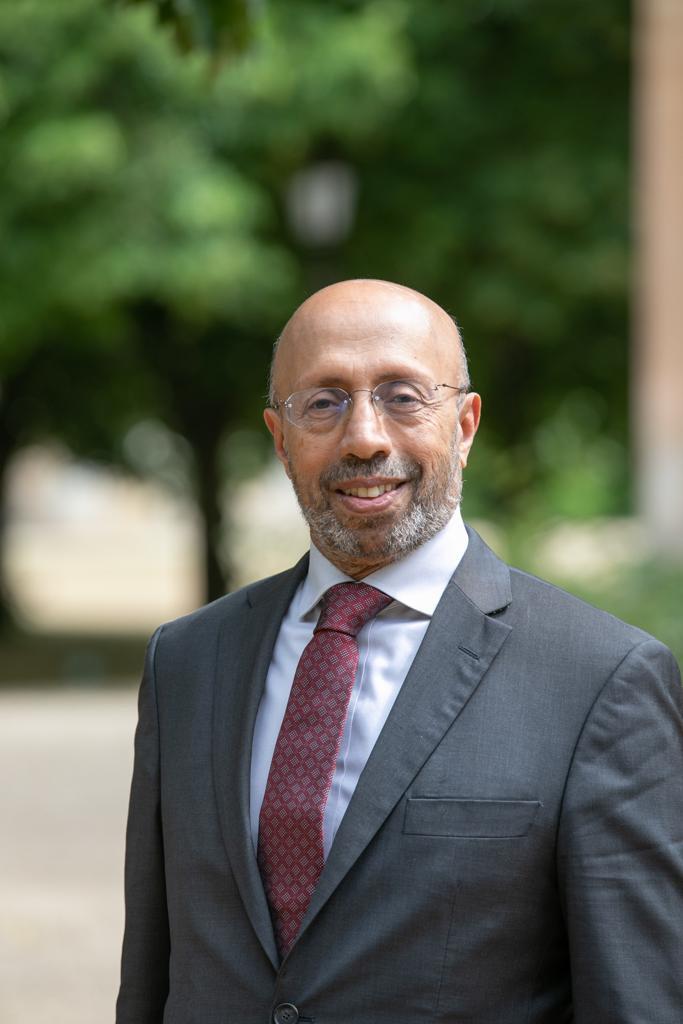
Abdullah Baabood was a nonresident senior scholar at the Malcolm H. Kerr Carnegie Middle East Center. Baabood holds the chair of the state of Qatar for Islamic area studies and is a visiting professor at the Faculty of International Research and Education at Waseda University in Tokyo.
Director, Carnegie Europe

Rosa Balfour is the director of Carnegie Europe. Her fields of expertise include European politics, institutions, and foreign and security policy.
Anne Barnard
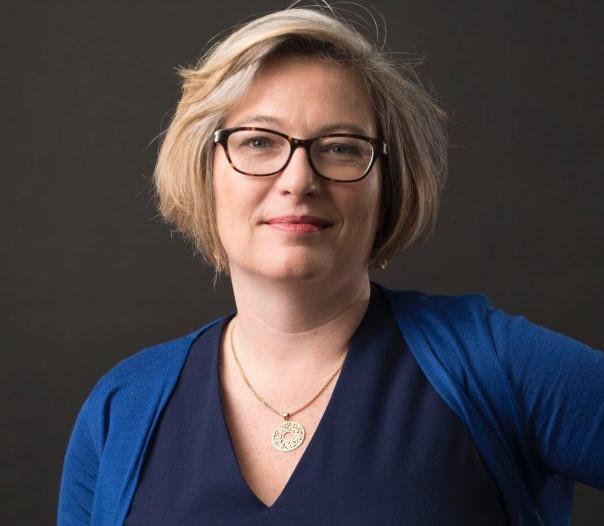
Anne Barnard covers climate and environment for the Metro desk of the New York Times. She was the newspaper’s Beirut bureau chief from 2012 to 2018.
Former Nonresident Scholar, South Asia Program

Darshana M. Baruah was a nonresident scholar with the South Asia Program at the Carnegie Endowment for International Peace where she directs the Indian Ocean Initiative.
Vice President for Studies

Dr. Frances Z. Brown is a vice president for studies at the Carnegie Endowment for International Peace. Brown served on the White House National Security Council (NSC) staff over the past three presidential administrations. Her research focuses on U.S. foreign policy, Africa, the Middle East, and governance.
Distinguished Fellow
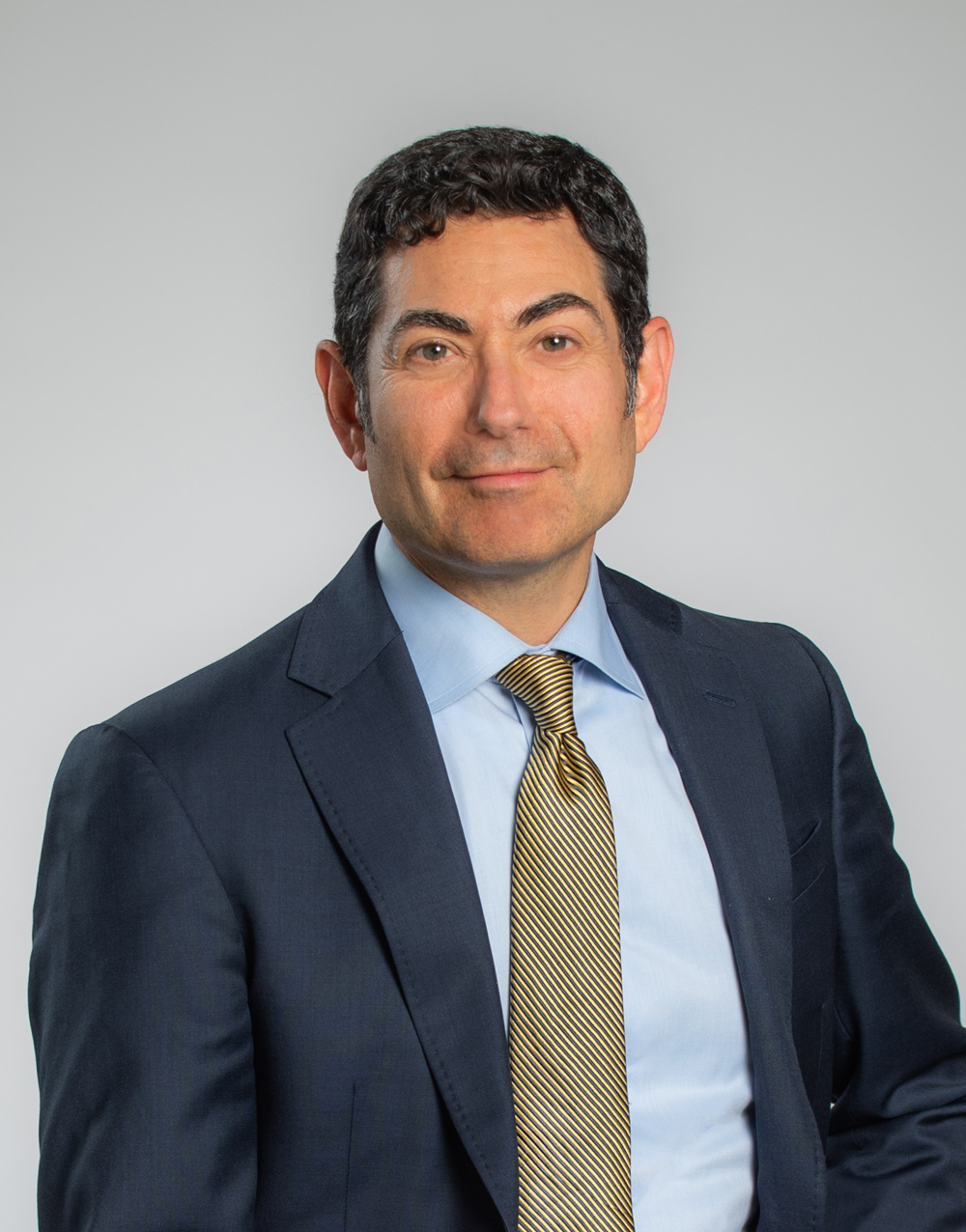
Mariano-Florentino (Tino) Cuéllar is a distinguished fellow at the Carnegie Endowment for International Peace. He was previously the tenth president of the Carnegie Endowment for International Peace. A former justice of the Supreme Court of California, he has served three U.S. presidential administrations at the White House and in federal agencies, and was the Stanley Morrison Professor at Stanford University, where he held appointments in law, political science, and international affairs and led the university’s Freeman Spogli Institute for International Studies.
Former Nonresident Scholar, Malcolm H. Kerr Carnegie Middle East Center
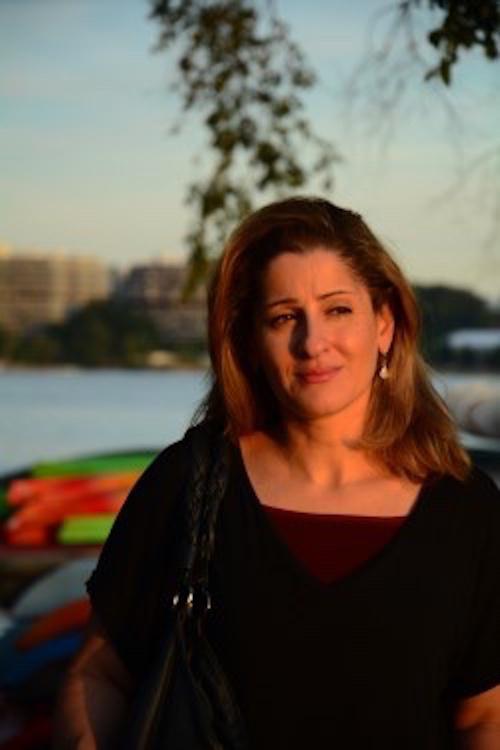
Marwa Daoudy was a nonresident scholar at the Malcolm H. Kerr Carnegie Middle East Center and is a professor of political science and Middle East politics at Georgetown University whose research focuses on climate, human security, and environmental politics in the Arab world.
Former Nonresident Scholar Middle East Program
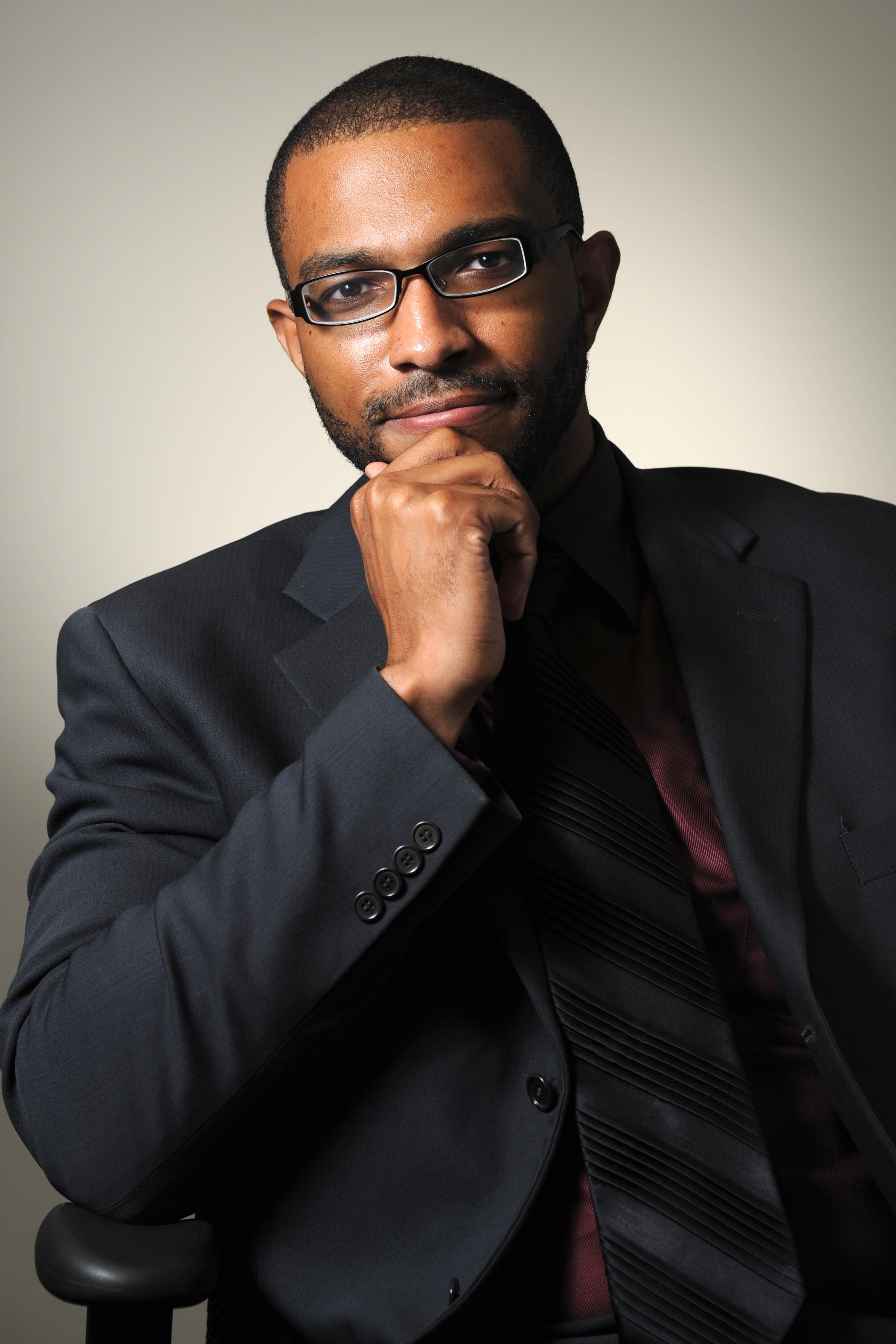
Justin Dargin was a nonresident scholar in the Middle East Program who has extensive experience working on a multitude of issues relating to the global and Middle East/North Africa energy sectors, geopolitical affairs, climate change, emergent carbon markets, and regional industrialization.
Former Chief Operating Officer
As Carnegie’s chief operating officer, Elizabeth Dibble worked closely with the president to oversee and manage all aspects of the Carnegie Endowment for International Peace.
Robin Dickey
Robin Dickey is a member of the technical staff at The Aerospace Corporation’s Center for Space Policy and Strategy. She focuses on space policy and strategy issues related to national security, geopolitics, and international relations.
Vice President for Studies

Evan A. Feigenbaum is vice president for studies at the Carnegie Endowment for International Peace, where he oversees work at its offices in Washington, New Delhi, and Singapore on a dynamic region encompassing both East Asia and South Asia. He served twice as Deputy Assistant Secretary of State and advised two Secretaries of State and a former Treasury Secretary on Asia.
Director, Carnegie Russia Eurasia Center

Alexander Gabuev is director of the Carnegie Russia Eurasia Center. Gabuev’s research is focused on Russian foreign policy with particular focus on the impact of the war in Ukraine and the Sino-Russia relationship. Since joining Carnegie in 2015, Gabuev has contributed commentary and analysis to a wide range of publications, including the Financial Times, the New York Times, the Wall Street Journal, and the Economist.
Author of Black Wave and FT contributing editor

Kim Ghattas is an Author of Black Wave and FT contributing editor.
Director, Middle East Program

Amr Hamzawy is a senior fellow and the director of the Carnegie Middle East Program. His research and writings focus on Egypt’s and other middle powers’ involvement in regional security in the Middle East, particularly through collective diplomacy and multilateral conflict resolution
Sana Hashmi
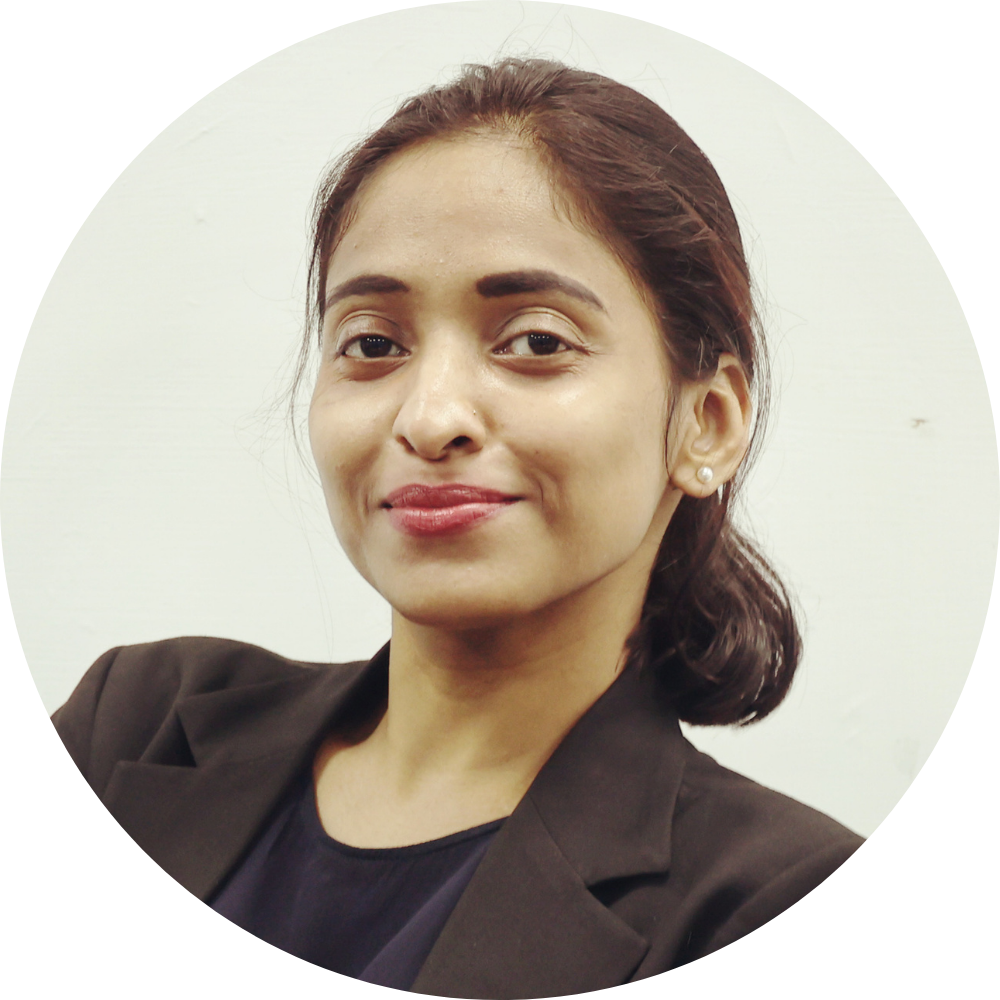
Sana Hashmi, Ph.D., is a visiting fellow at the Taiwan-Asia Exchange Foundation since March 2021. She is an affiliated scholar with the Research Institute for Indo-Pacific Affairs (RIIPA). Her primary research focuses on Taiwan’s foreign relations, China’s foreign policy, Taiwan’s New Southbound Policy, Taiwan-India relations, China’s territorial disputes, Indo-Pacific, and Asian security. She is currently working on a book project on Situating India in Taiwan’s New Southbound Policy.
Senior Fellow, Middle East Program
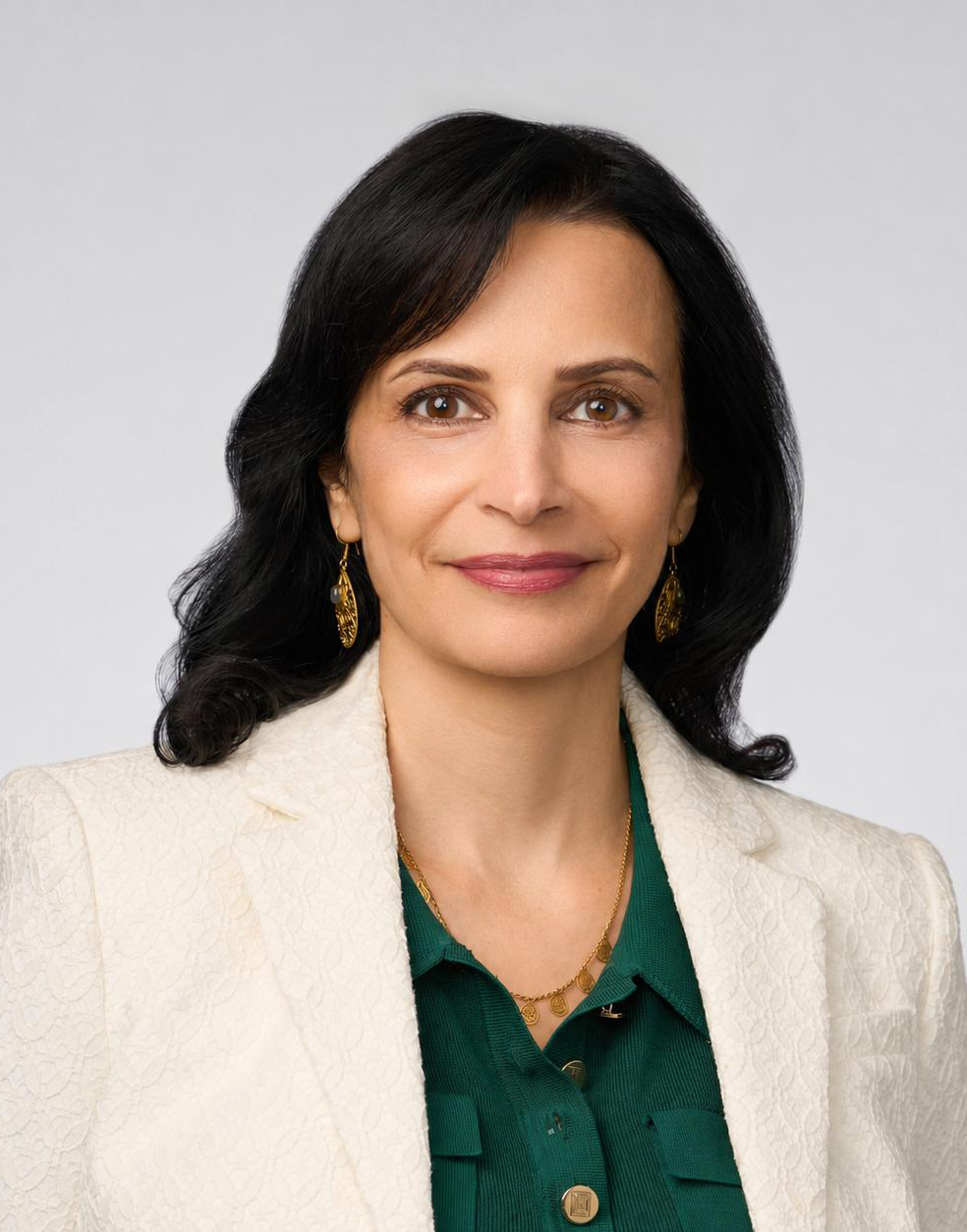
Zaha Hassan is a human rights lawyer and a senior fellow at the Carnegie Endowment for International Peace.
Senior Fellow, Asia Program

Huang is a senior fellow in the Carnegie Asia Program where his research focuses on China’s economy and its regional and global impact.
Senior Fellow, Democracy, Conflict, and Governance Program
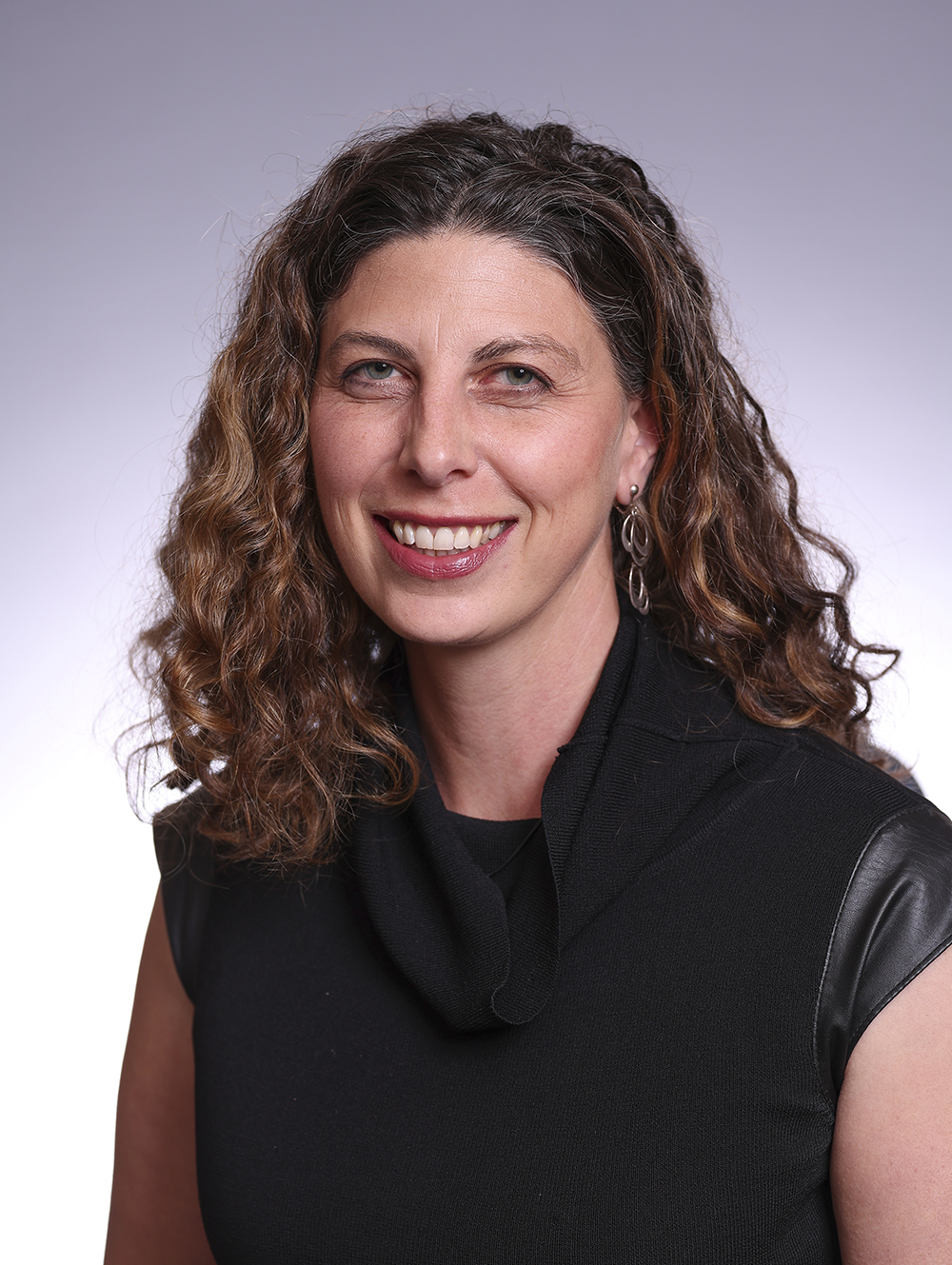
Rachel Kleinfeld is a senior fellow in Carnegie’s Democracy, Conflict, and Governance Program, where she focuses on issues of rule of law, security, and governance in democracies experiencing polarization, violence, and other governance problems.
Fellow, Carnegie Europe
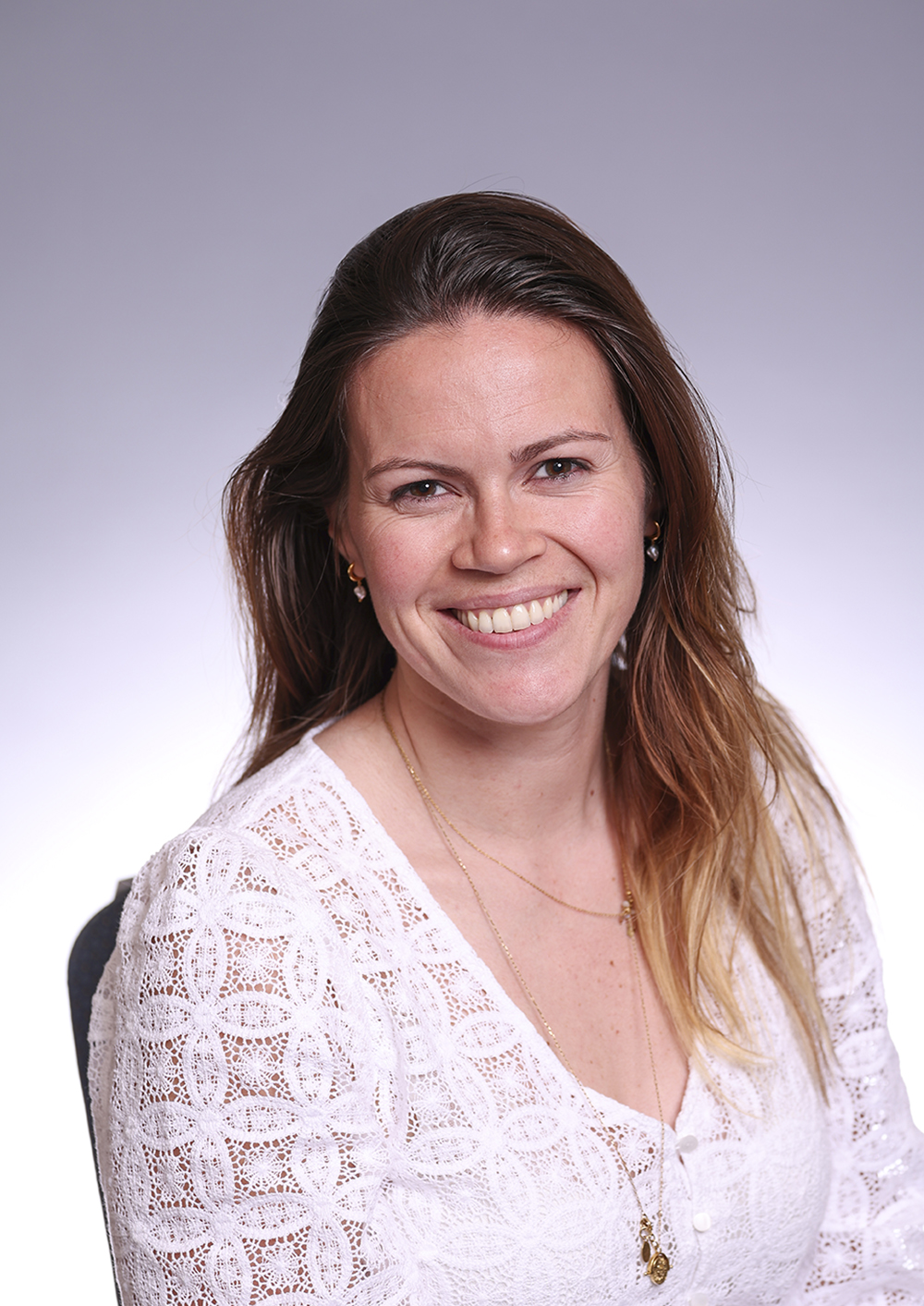
Olivia Lazard was a fellow at Carnegie Europe. Her research focused on the geopolitics of climate, the transition ushered by climate change, and the risks of conflict and fragility associated to climate change and environmental collapse.
Fellow, Malcolm H. Kerr Carnegie Middle East Center
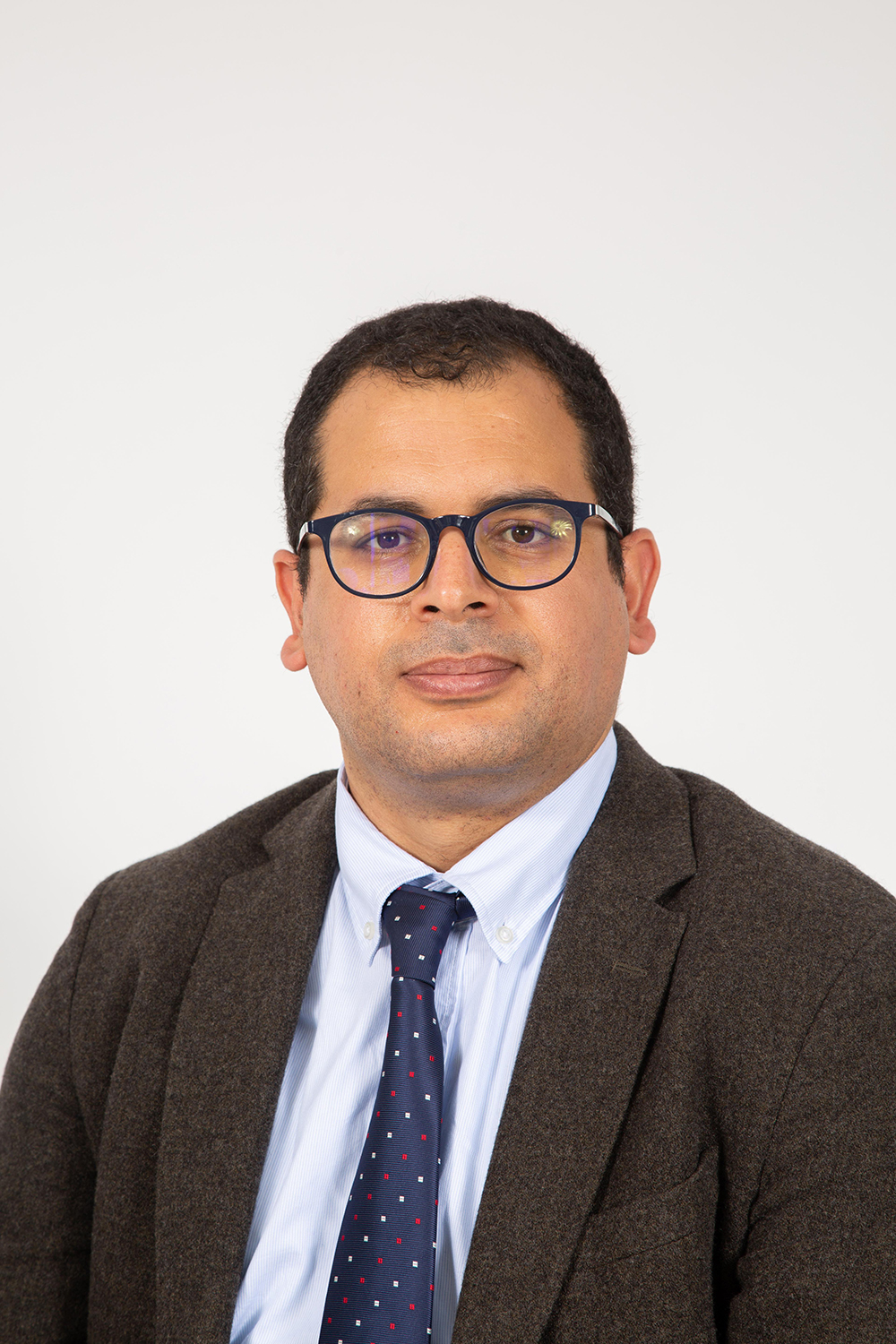
Hamza Meddeb is a research fellow at the Malcolm H. Kerr Carnegie Middle East Center in Beirut, where he co-leads the Political Economy Program
Vice President for Studies

Marwan Muasher is vice president for studies at Carnegie, where he oversees research in Washington and Beirut on the Middle East. Muasher served as foreign minister (2002–2004) and deputy prime minister (2004–2005) of Jordan, and his career has spanned the areas of diplomacy, development, civil society, and communications.
Distinguished Fellow

Moisés Naím is a distinguished fellow at the Carnegie Endowment for International Peace, a best-selling author, and an internationally syndicated columnist.
Kumiko Okazaki
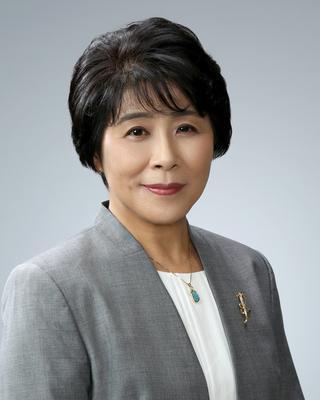
Kumiko Okazaki is a research director at the Canon Institute for Global Studies. Her work focuses on changes in international capital flows in China and financial system reform in China.
Stanton Senior Fellow in the Nuclear Policy Program at the Carnegie Endowment for International Peace
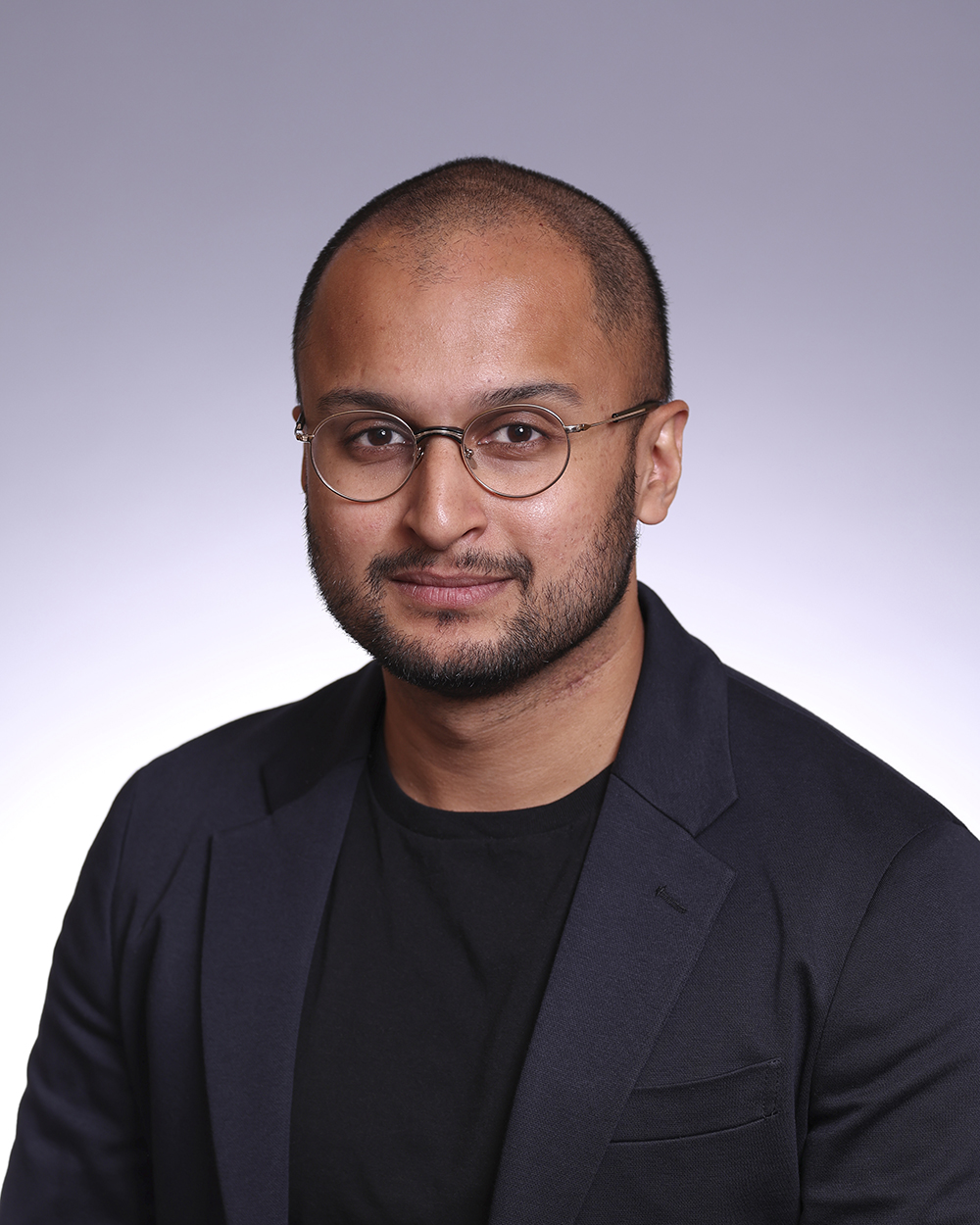
Ankit Panda is the Stanton Senior Fellow in the Nuclear Policy Program at the Carnegie Endowment for International Peace.
Senior Fellow, Middle East Program

Karim Sadjadpour is a senior fellow at the Carnegie Endowment for International Peace, where he focuses on Iran and U.S. foreign policy toward the Middle East.
Benjamin Silverstein
Former Research Analyst, Space Project
Benjamin Silverstein was a research analyst for the Space Project at the Carnegie Endowment for International Peace.
Senior Fellow, Democracy, Conflict, and Governance Program
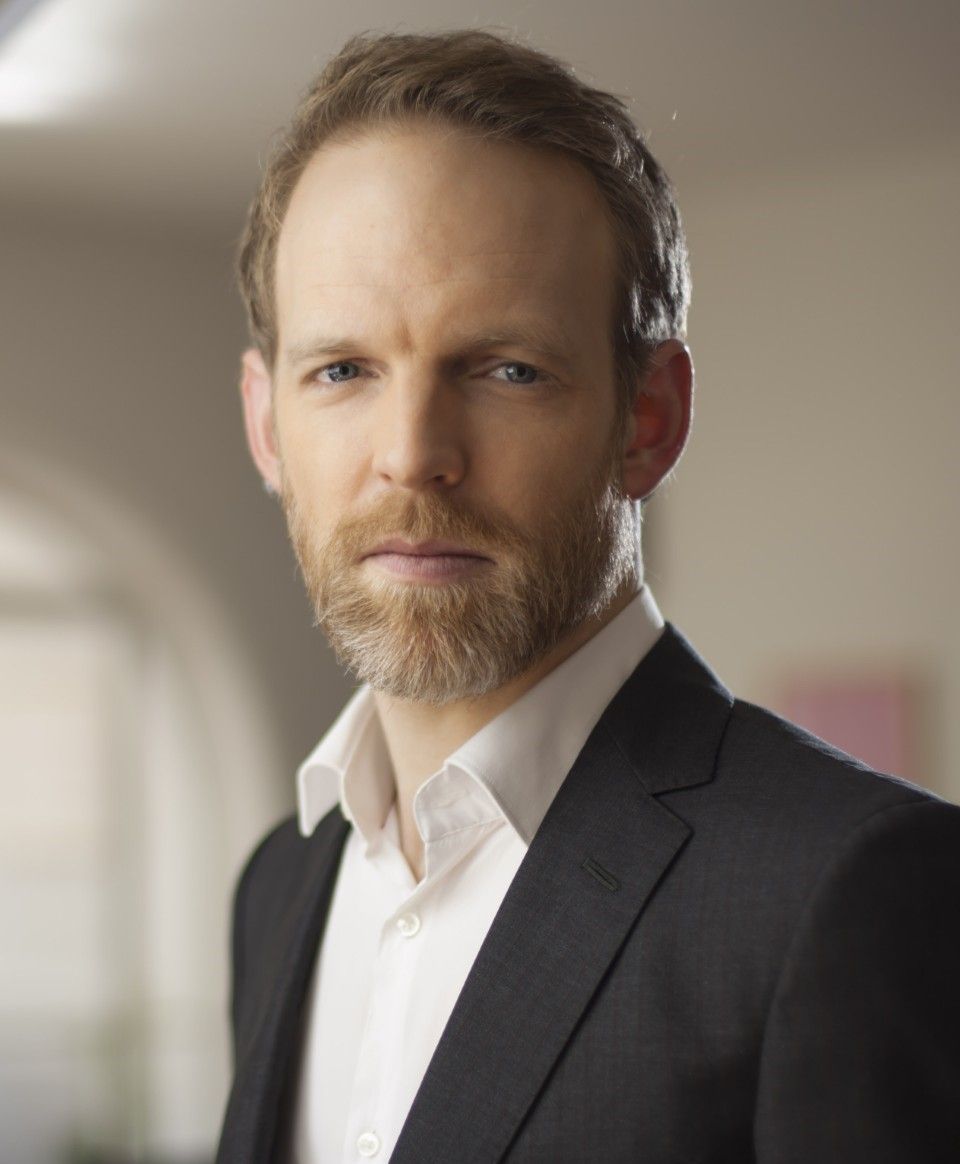
Oliver Stuenkel is an associate professor at the School of International Relations at Fundação Getulio Vargas (FGV) in São Paulo, Brazil. He is also a senior fellow affiliated with the Democracy, Conflict, and Governance Program at the Carnegie Endowment for International Peace.
Yuki Tatsumi
Yuki Tatsumi is a senior fellow and co-director of the East Asia Program and director of the Japan Program at the Stimson Center.
Senior Fellow, Carnegie Europe

Sinan Ülgen is a senior fellow at Carnegie Europe in Brussels, where his research focuses on Turkish foreign policy, transatlantic relations, international trade, economic security, and digital policy.
Director, Malcolm H. Kerr Carnegie Middle East Center

Maha Yahya is director of the Malcolm H. Kerr Carnegie Middle East Center, where her research focuses on citizenship, pluralism, and social justice in the aftermath of the Arab uprisings.