

In The Media
Michele Dunne, Robert Kagan
{
  "authors": [
    "Robert Kagan"
  ],
  "type": "legacyinthemedia",
  "centerAffiliationAll": "dc",
  "centers": [
    "Carnegie Endowment for International Peace"
  ],
  "collections": [],
  "englishNewsletterAll": "asia",
  "nonEnglishNewsletterAll": "",
  "primaryCenter": "Carnegie Endowment for International Peace",
  "programAffiliation": "AP",
  "programs": [
    "Asia"
  ],
  "projects": [],
  "regions": [
    "China"
  ],
  "topics": [
    "Economy",
    "Trade"
  ]
}
Source: Getty
Last week, while many China experts inside and outside the Clinton administration were confidently predicting that China would not escalate the conflict with Taiwan, others warned that Beijing might well be contemplating an attack. This turned out to be correct.
Source: Weekly Standard

Now, the conventional wisdom is that China won't launch such an attack for several months. According to the new logic of the China experts, President Jiang Zemin won't want to initiate a conflict before his scheduled meeting with President Clinton in the middle of September. Then China is holding a giant party for over 300 American CEOs in Shanghai later in September. Then on October 1, China will be staging a mammoth celebration of the 50th anniversary of the Communist party's victory. The same China experts who told us China would not escalate the conflict are now telling us that they won't want to do so until these events are out of the way.
We're not so sure. If the Chinese are going to carry out some form of aggression against Taiwan, it makes a lot of sense to do it in the next few weeks. First of all, the United States is now unprepared to respond quickly. From what we gather, the Clinton administration has gone out of its way to avoid "provoking" the Chinese by stepping up our military presence in the region. Meanwhile, everyone knows the U.S. government goes on vacation in August. Saddam Hussein's invasion of Kuwait, which also took everyone by surprise, occurred in August. If the Chinese act quickly, they can present the United States with a fait accompli. Will the United States then respond militarily to evict Chinese forces? Will we respond militarily in some other way? Under the present administration, the odds are we won't.
In fact, the Clinton administration might just choose the opposite course. Why should the Chinese, or anyone else, assume that an attack on one of Taiwan's offshore islands, or even an attack on a couple of Taiwanese airfields, would necessarily derail either President Clinton's meeting with Jiang or the CEO party in Shanghai? If an attack is carried out, China experts and administration officials will argue that what is most needed is intensive diplomacy to defuse the crisis. Our guess is that after an attack, President Clinton would declare it more essential than ever to meet with Jiang.
As for the CEOs, we doubt they would allow a little thing like an attack on Taiwan to get in the way of supping with high-level Chinese bureaucrats. Would the administration cancel talks on China's entry into the WTO? Don't bet on it. In the end, the Chinese might wind up demonstrating to Taiwan, and to the rest of East Asia, that the United States cares more about doing business with Beijing than about defending some small Taiwanese island from attack. That would really give Chinese leaders something to celebrate on October 1.
Maybe we're wrong. But an August attack cannot be dismissed out of hand. And that means the United States must take steps to deter it. It's not too late for the Clinton administration to act with the necessary resolve. Some leaders in Congress -- notably Senate majority leader Trent Lott, Senate Foreign Relations Committee chairman Jesse Helms, senator Robert Torricelli, and House International Relations Committee chairman Benjamin Gilman -- have been strong in their support for Taiwan. Friday morning, senator John McCain issued a welcome statement criticizing the administration's "failed policy of pressuring Taiwan" and declaring, correctly, that "strategic ambiguity will not serve United States interests or values in this current crisis." McCain called on the administration to be "very clear with Beijing" that the "United States will do what it must to help defend freedom and stability in Asia." Gary Bauer has also been a strong supporter of defending democratic Taiwan.
Now it's time we heard from the other presidential candidates. If you aren't prepared to explain what we should do to defend Taiwan in the current crisis, why should anyone think you are prepared to be president?
Reprinted from the Weekly Standard, August 23, 1999.
Former Senior Associate
Kagan, author of the recent book, The Return of History and the End of Dreams (Knopf 2008), writes a monthly column on world affairs for the Washington Post and is a contributing editor at both the Weekly Standard and the New Republic.
Recent Work

Michele Dunne, Robert Kagan
Robert Kagan, Michele Dunne

Canadian Prime Minister Mark Carney has twice inspired praise for standing up to U.S. President Donald Trump: at the 2026 World Economic Forum in Davos and on Canada-U.S. trade negotiations. Is Carney showing a third way better than the EU has in dealing with the Trump administration?

Rym Momtaz, ed.

The hybrid warfare landscape is evolving rapidly, leaving policymakers without clear strategies. To better inform their work in addressing emerging challenges, governments must dig deeper into the underlying dynamics at play.


Raluca Csernatoni, Alicia Wanless
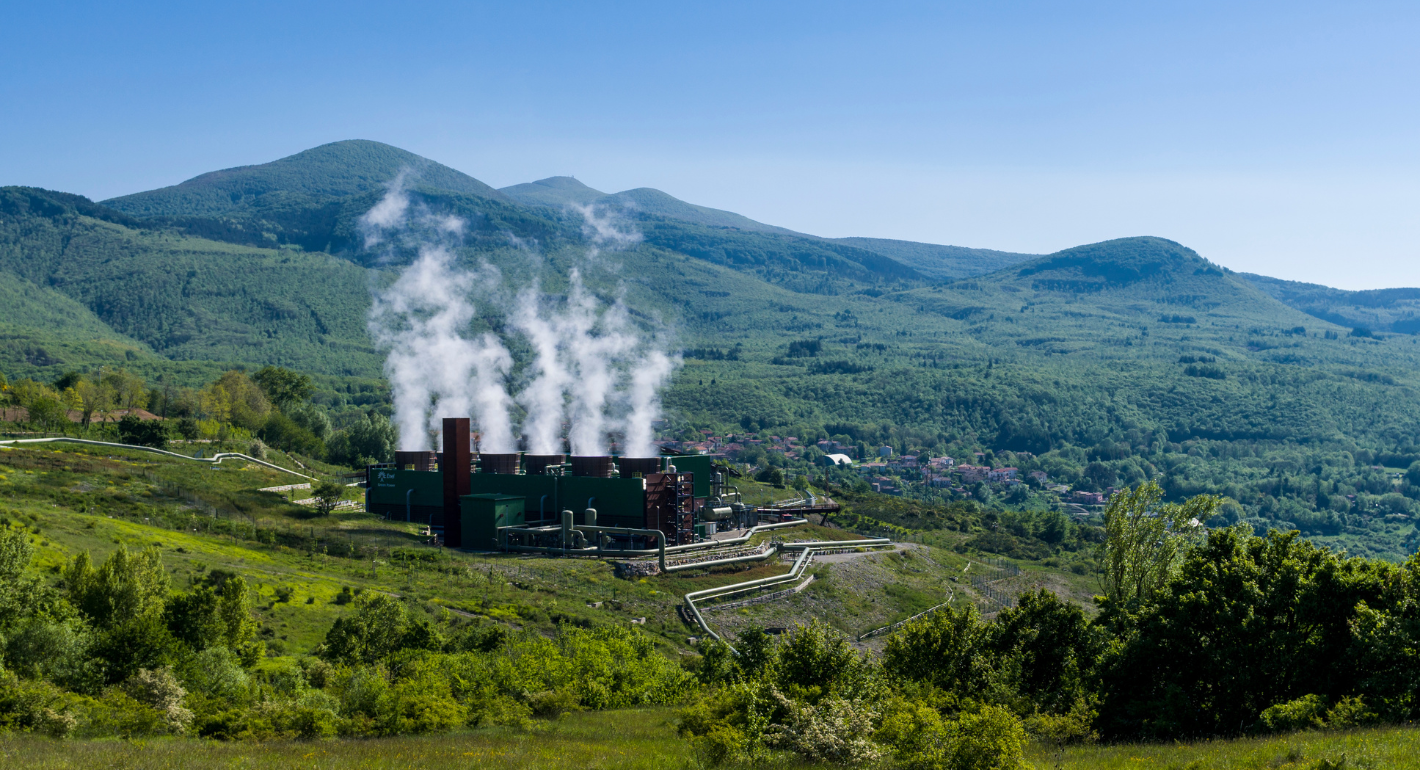
Europe’s industrial supply chains leave it vulnerable to global shocks. The EU needs a pragmatic green industrial strategy that balances durable partnerships and bolsters homegrown clean tech without sacrificing low-carbon ambition.


Milo McBride, Pauline Gerard
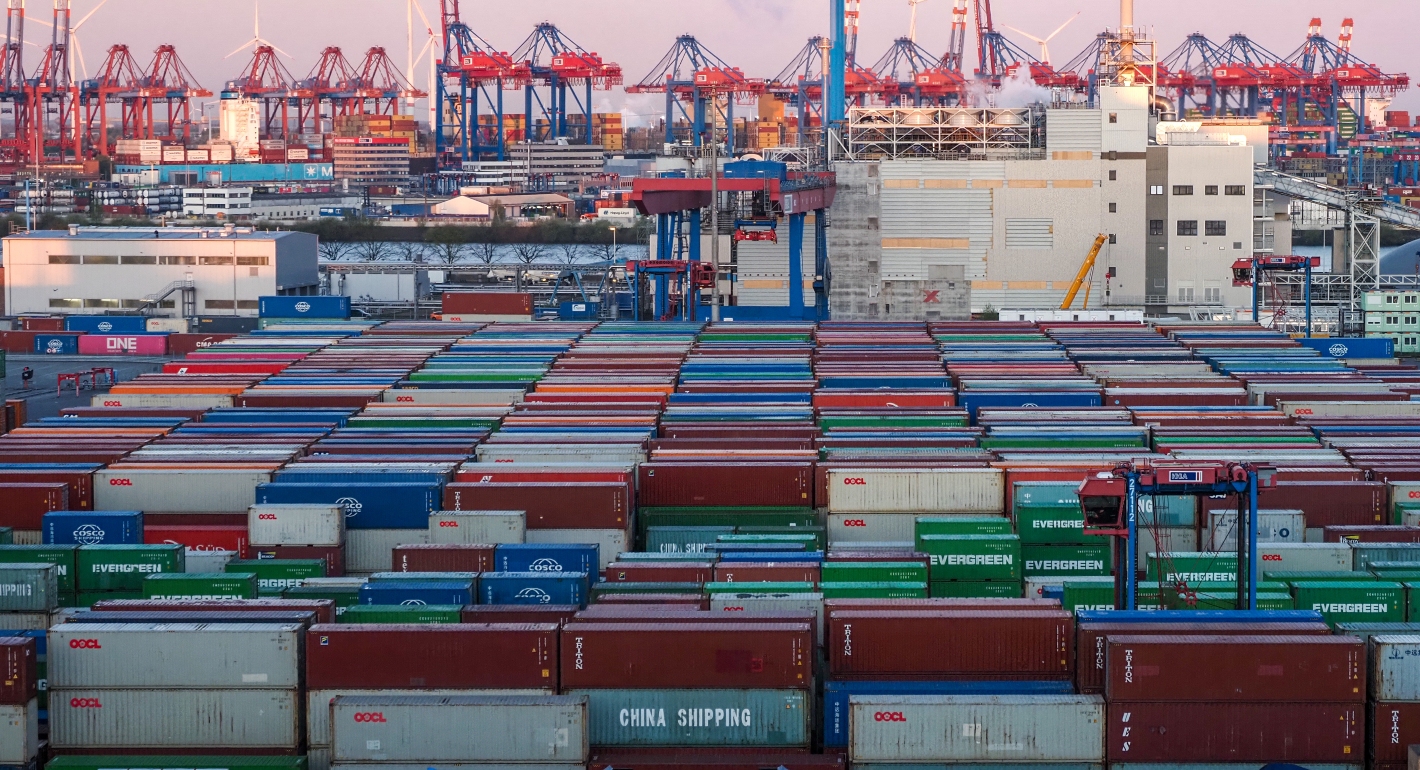
As geopolitical rivalry weaponizes global supply chains, the EU’s true vulnerability lies in emerging-risk imports. For these goods, suppliers are growing more concentrated, substitution more difficult, and political risk is looming.

Sinan Ülgen
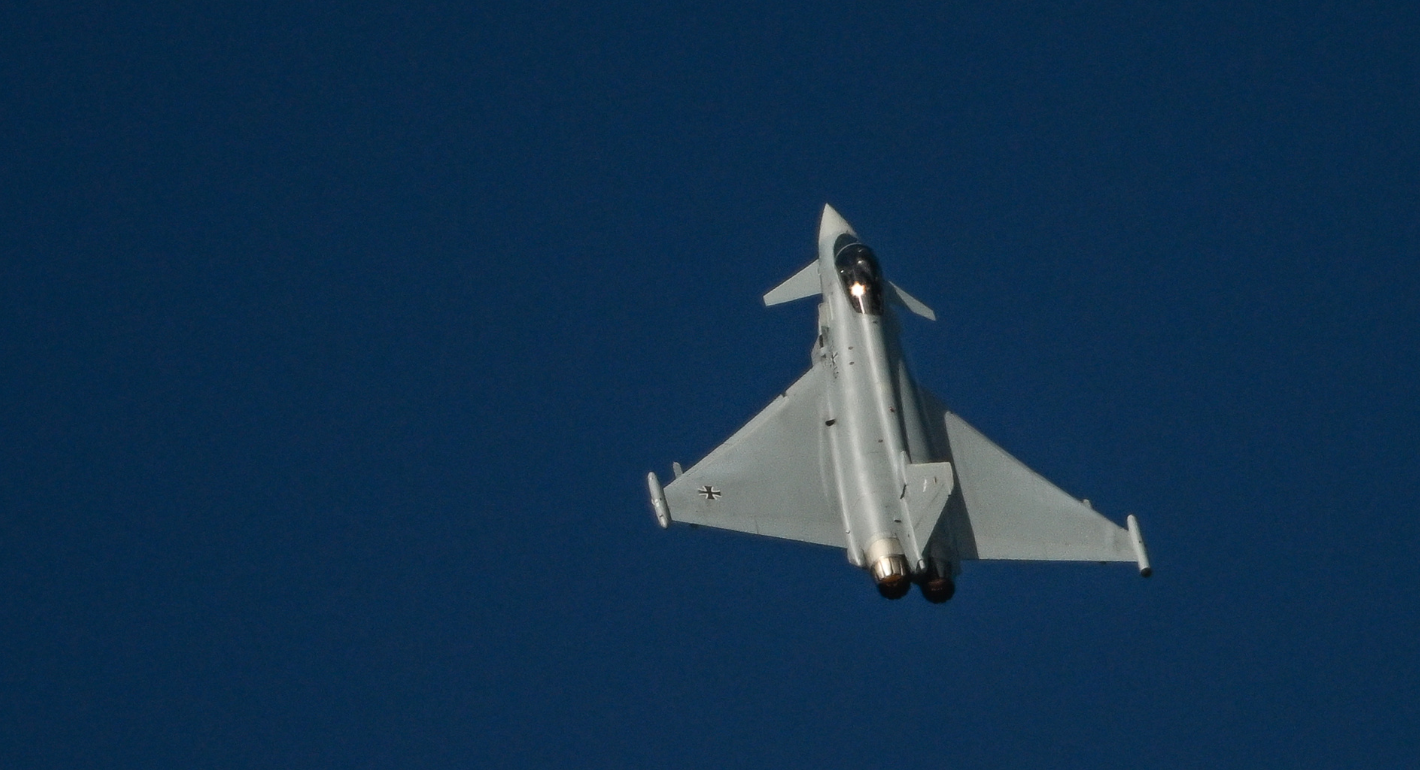
The EU is putting together a new security strategy to meet today’s myriad challenges. But for any proposal to be effective, the union needs to grapple with its identity and ambitions.

Pierre Vimont