

In The Media
Michele Dunne, Robert Kagan
{
  "authors": [
    "Robert Kagan"
  ],
  "type": "legacyinthemedia",
  "centerAffiliationAll": "",
  "centers": [
    "Carnegie Endowment for International Peace"
  ],
  "collections": [],
  "englishNewsletterAll": "",
  "nonEnglishNewsletterAll": "",
  "primaryCenter": "Carnegie Endowment for International Peace",
  "programAffiliation": "",
  "programs": [],
  "projects": [],
  "regions": [
    "North America",
    "United States",
    "East Asia",
    "China",
    "Caucasus",
    "Russia"
  ],
  "topics": [
    "Security",
    "Military",
    "Foreign Policy",
    "Nuclear Policy"
  ]
}
Source: Getty
George W. Bush's November 19 speech at the Reagan Library represents the strongest and clearest articulation of a policy of American global leadership by a major political figure since the collapse of the Soviet Empire. In his call for renewed American strength, confidence, and leadership, Bush stakes a claim to the legacy of Ronald Reagan.
Source: The Weekly Standard

Like the other major Republican presidential candidates, Bush unequivocally rejects isolationism. More important may be Bush's implicit (but clear) rejection of the sentiments that have animated several Republican congressional forays into foreign policy in recent years. There is no hint of a John Kasich-like delusion that we can maintain American defenses at the current budget level. There is no reluctance to have America engage, wherever necessary around the world. There is no shirking of America's world role; on the contrary, Bush clearly recognizes that role as an essential part of American national greatness. There is no hint of a pseudo-"realist" notion that American principles have to be set aside in favor of exclusive concentration on America's "vital national interests." And there cannot be a clearer repudiation of alleged Republican "unilateralism" than Bush's call for a reinvigoration of NATO, closer ties with Asian allies, and his belief that "international organizations can serve the cause of peace." Bush embraces "a distinctly American internationalism" that consists of "idealism, without illusions. Confidence, without conceit. Realism, in the service of American ideals."
One of the most important sections of Bush's speech is his discussion of U.S. policy toward China. He views China as a strategic competitor rather than a strategic "partner." In calling the conduct of China's government "alarming abroad and appalling at home," Bush, in the spirit of Reagan, locates the source of our competition in the nature of the Chinese regime.
Bush reiterates the importance of support for our democratic Asian friends and allies, from South Korea to Japan to Taiwan. But he goes further. In a statement that will, and should, trouble the leaders in Beijing, Bush looks toward a day when "the fellowship of free Pacific nations is as strong and united as our Atlantic partnership." This is tantamount to calling for a NATO-style alliance in East Asia. In declaring that China "will be unthreatened but not unchecked," Bush states more starkly, certainly than the Clinton administration but also than the preceding Republican administration, that American policy should aim at blunting China's growing power and ambition. Without using the dread word "containment," Bush calls for a policy of containing China.
In his discussion of "the hard work of halting proliferation," Bush offers Americans a clear choice between the Clinton administration's Wilsonian faith in international conventions and a serious effort to combine pressure on proliferators like Russia and China with the deployment of effective missile defenses for the United States and our allies. Bush stands firm in his opposition to the Comprehensive Test Ban Treaty and proposes no phony way of fixing that treaty's fatal flaws. The New York Times editorial page and the arms control fraternity will cavil at his straightforward denunciation of the CTBT; the rest of America should appreciate his courageous commitment to the nation's security.
In his stance on the CTBT, as on many other issues, Bush is in basic agreement with the other serious candidates for the Republican presidential nomination. What this means is that the Republican standard-bearer in 2000, whoever it is, will run as the heir to the tradition of Teddy Roosevelt and Ronald Reagan. The Republican party will have rejected the neo-isolationism of Pat Buchanan, the crabbed "realism" of too many congressional Republicans, and the soft-headed multilateralism of the Clinton administration. This is good for the Republican party. It's also good for America -- for as Bush says, shrinking from world leadership "has no place in the party of Reagan, or in the party of Truman." It would be nice if the Democrats could once again become the party of Truman. With Bush's speech, we now have considerable confidence that Republicans are once again the party of Reagan -- a party that stands for that "distinctly American internationalism" that we believe a majority of Americans embrace.

Former Senior Associate
Kagan, author of the recent book, The Return of History and the End of Dreams (Knopf 2008), writes a monthly column on world affairs for the Washington Post and is a contributing editor at both the Weekly Standard and the New Republic.
Recent Work

Michele Dunne, Robert Kagan
Robert Kagan, Michele Dunne
Carnegie does not take institutional positions on public policy issues; the views represented herein are those of the author(s) and do not necessarily reflect the views of Carnegie, its staff, or its trustees.

Europe has an interest in supporting Armenian leader Nikol Pashinyan as he tries to make peace with neighbors and loosen ties with Russia. But it is depersonalized support in the long term, not quickfire flash, that will win the day.

Thomas de Waal
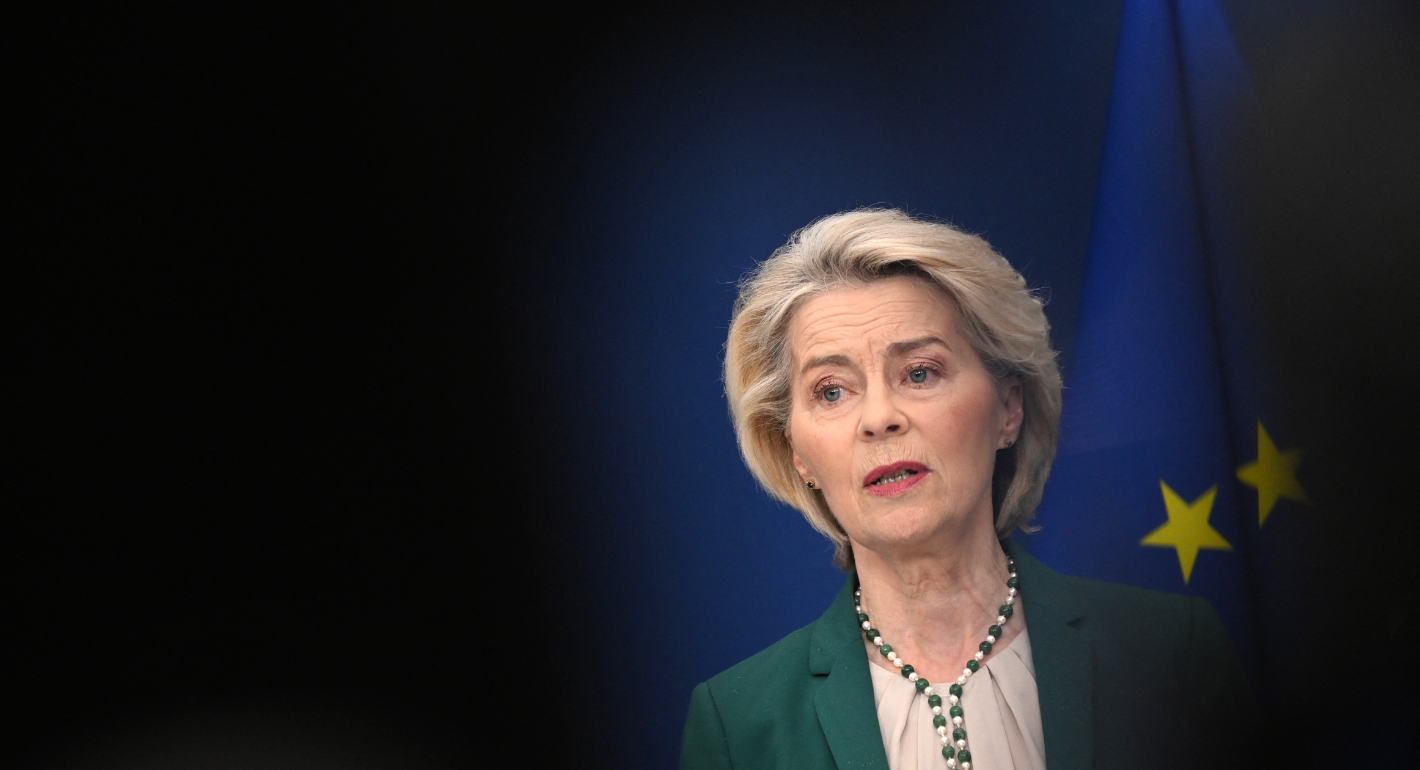
Following Ursula von der Leyen’s gaffe equating Turkey to Russia and China, relations with Ankara risk deteriorating even further. Without better, more consistent diplomatic messaging, how can the EU pretend to be a geopolitical power?

Sinan Ülgen

Closer EU-UK ties could help address urgent European concerns. But is the EU ready for rapprochement with the United Kingdom?

Rym Momtaz, ed.
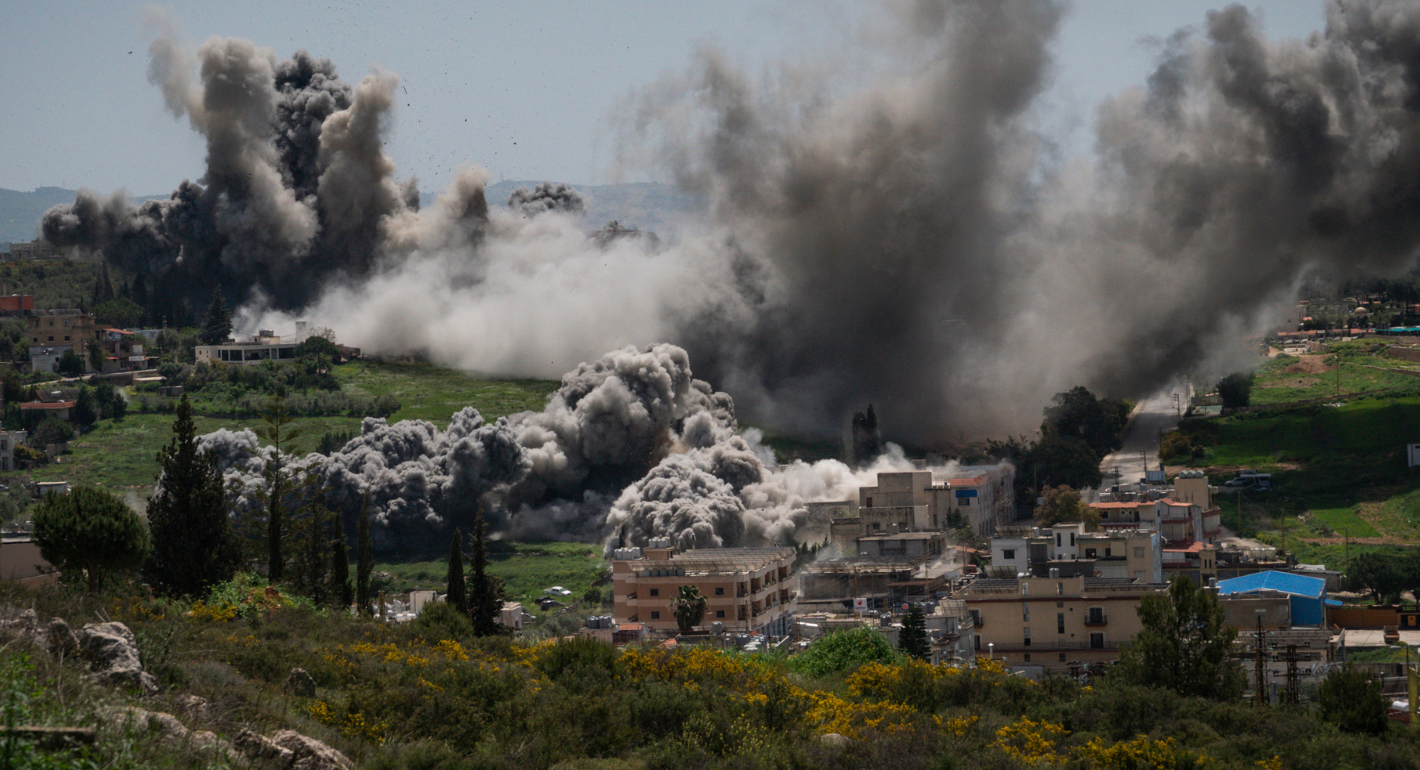
Europe has been standing by while its Southern neighborhood is being redrawn by force. To establish a path to peace between Israel and Lebanon, it’s time for Europeans to get involved with hard power.
Rym Momtaz

In Ukraine, Gaza, and Iran, AI warfare has come to dominate, with barely any oversight or accountability. Europe must lead the charge on the responsible use of new military technologies.

Raluca Csernatoni