

Report
- +2
George Perkovich, Jessica Tuchman Mathews, Joseph Cirincione, …
{
  "authors": [
    "Joseph Cirincione"
  ],
  "type": "testimony",
  "centerAffiliationAll": "dc",
  "centers": [
    "Carnegie Endowment for International Peace"
  ],
  "collections": [
    "U.S. Nuclear Policy"
  ],
  "englishNewsletterAll": "ctw",
  "nonEnglishNewsletterAll": "",
  "primaryCenter": "Carnegie Endowment for International Peace",
  "programAffiliation": "NPP",
  "programs": [
    "Nuclear Policy"
  ],
  "projects": [],
  "regions": [
    "United States"
  ],
  "topics": [
    "Foreign Policy",
    "Nuclear Policy"
  ]
}
REQUIRED IMAGE
Source: Carnegie
There is broad agreement in the expert community on the national security challenges the next president will face as he works to stem the proliferation of weapons of mass destruction. The president's policies, however, will be conditioned heavily by congressional considerations. In a November 15 presentation at the Washington office of the Center for Nonproliferation Studies of the Monterey Institute of International Studies I outlined the ten key challenges the next president will face. Please click on the link below to view the slides I presented during the talk. For more detail, please click on the titles of the articles and briefs listed below.
The five most pressing regional issues will likely involve North Korean missile and nuclear programs, Russian nuclear reductions and security, the relationship with China overall, freezing South Asian nuclear programs, and Iranian nuclear and missile ambitions. The five top international treaty issues are restarting the nuclear weapons reduction process, resolving the missile defense dilemma, continuing the ban on nuclear weapons tests, negotiation a verification regime for the Biological Weapons Convention, and kick-starting negotiations for a Fissile Material Cut-off Treaty.
My top four recommendation to the new president are to:
Forge a new strategic consensus for dramatically lower numbers of nuclear weapons and their reduced role in national defense doctrines;
Secure independent technical evaluation of missile defense technologies to help build agreement on the feasibility, schedule and relative value of active missile defenses;
Seize the historic opportunity to reach an agreement with North Korea, halting the test and export of missiles; and,
Triple efforts to secure nuclear materials in Russia, closing off the key potential source for would-be proliferants.
Both Al Gore and George Bush will likely seek substantial reductions in nuclear weapons, (Bush unilaterally and Gore through negotiations) and neither is likely to abrogate the Anti-Ballistic Missile treaty. Republican leaders in Congress, however, may press for retaining higher numbers of nuclear weapons, for rapid deployment of a national missile defense system, and some may push for new nuclear tests. Democrats may well regain one or both of the congressional houses in the 2002 election, while deaths in the Senate could shift control of that body even sooner. Democratic influence would encourage deeper nuclear reductions, moderate missile defense programs and seek ratification of the nuclear test ban treaty.
Historically, a Republican president with a Democratic Congress has proven to be the best combination for reducing nuclear dangers. My presentation includes a matrix outlining the possible political formations over the next four years (ranked 1-4 for favorable impact on stemming proliferation) and the policies each might produce. Domestic and international events will obviously influence policy, but the presentation offers a basic method for analyzing the possibilities and is adaptable to individual variations.
Links:
Proliferation Brief: The Election Matrix
Still Kicking: A Forecast of the Post-Clinton NMD Debate Disarmament Diplomacy, Sepember 2000, Issue 50
The
Next Wave: Urgently Needed New Steps to Control Warheads and Fissile Material
Carnegie Endowment Working Paper
Chapter One of Repairing the Regime: On Overview of the State of the Non-Proliferation Regime
Presentation on North Korea from Arms Control Association press conference, 20 October 2000

Former Senior Associate, Director for NonProliferation
Recent Work


George Perkovich, Jessica Tuchman Mathews, Joseph Cirincione, …
Joseph Cirincione
Carnegie does not take institutional positions on public policy issues; the views represented herein are those of the author(s) and do not necessarily reflect the views of Carnegie, its staff, or its trustees.
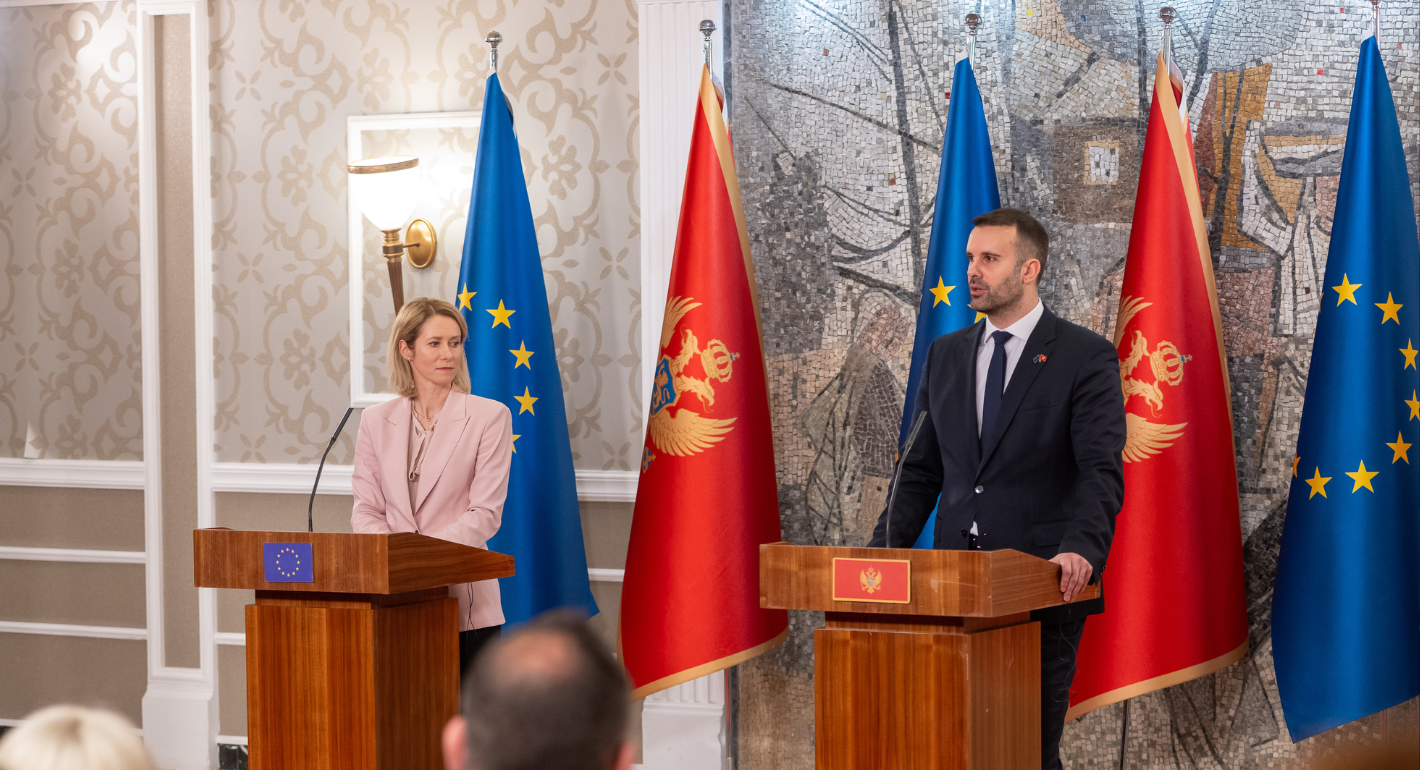
Montenegro and Albania are frontrunners for EU enlargement in the Western Balkans, but they can’t just sit back and wait. To meet their 2030 accession ambitions, they must make a strong positive case.


Dimitar Bechev, Iliriana Gjoni
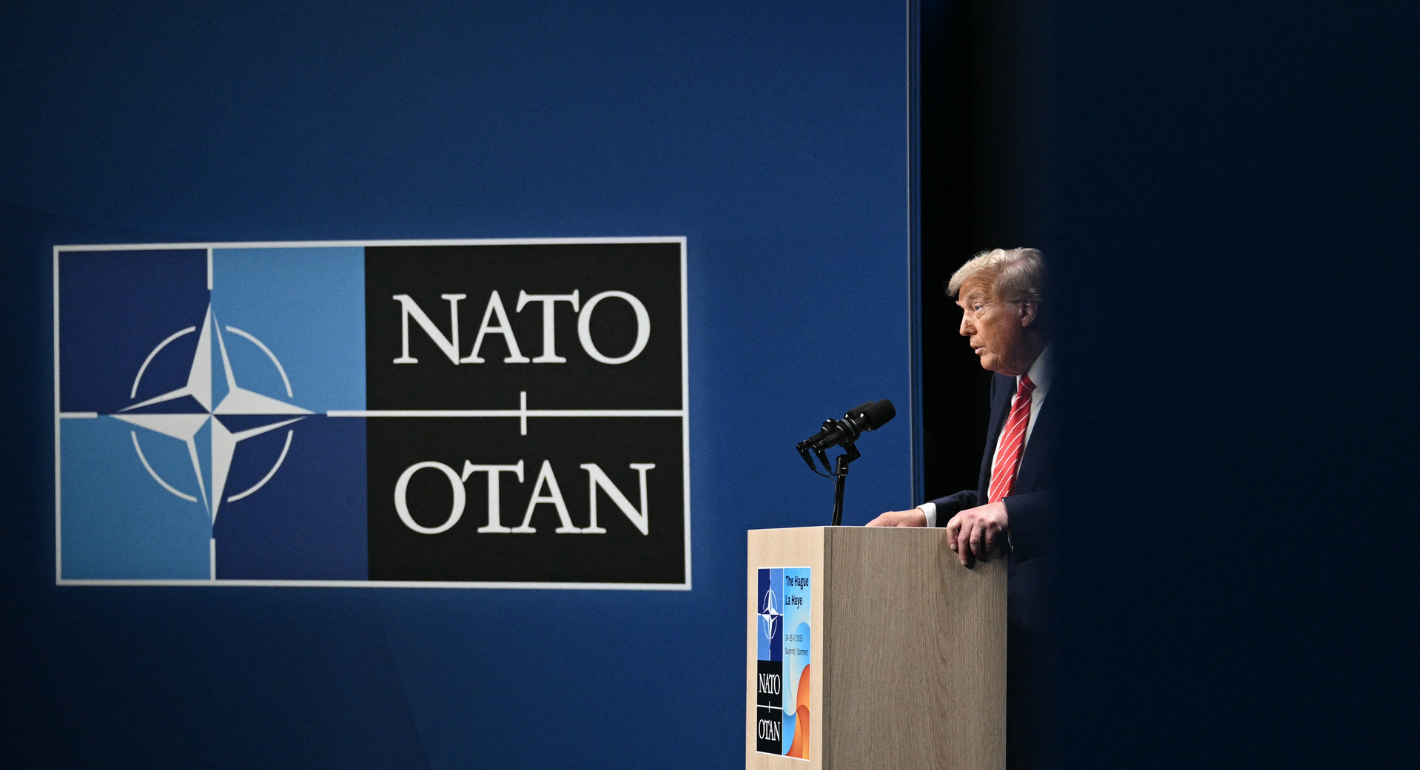
Donald Trump has repeatedly bashed NATO and European allies, threatening to annex Canada and Greenland and deploring their lack of enthusiasm for his war of choice in Iran. Is this latest round of abuse the final straw?

Rym Momtaz, ed.
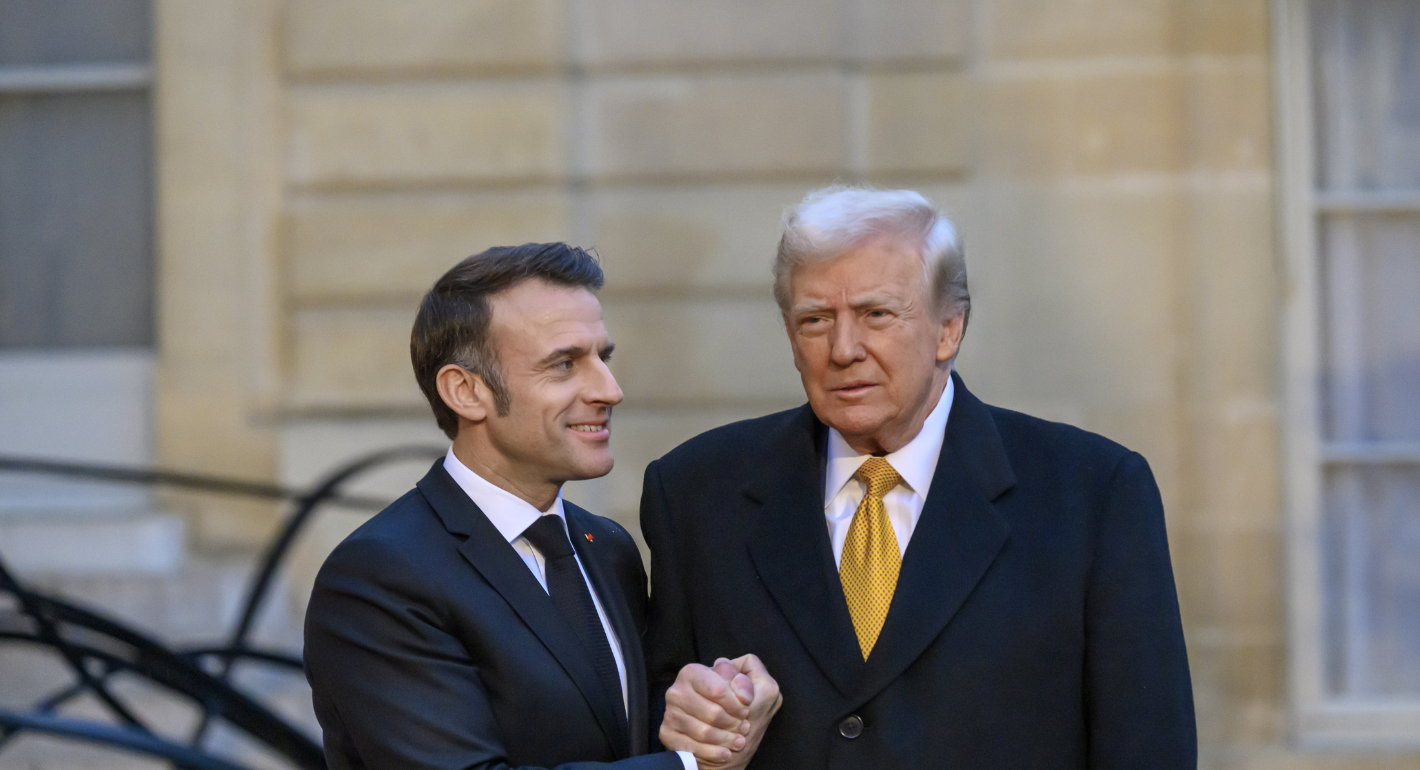
Donald Trump’s repudiation of NATO goes against the Make America Great Again vision of a U.S.-centered foreign policy. If the goal is to preserve the alliance by boosting Europe’s commitments, leaning into France’s vision is the most America First way forward.
Rym Momtaz

The wars in Ukraine and the Middle East are existential threats to Europe as a peace project. Leaders and citizens alike must reaffirm their solidarity to face up to today’s multifaceted challenges.

Marc Pierini
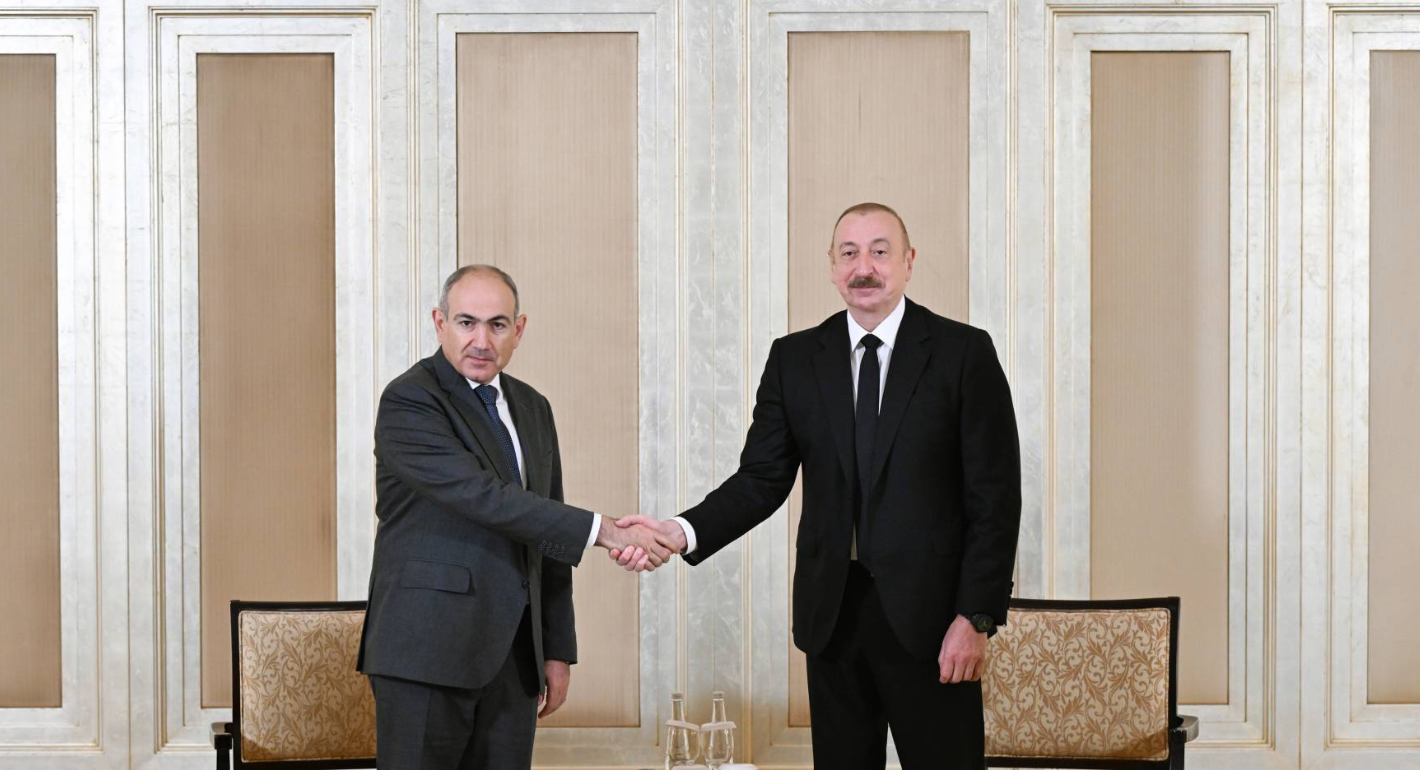
The U.S.-sponsored TRIPP deal is driving the Armenia-Azerbaijan peace process forward. But foreign and domestic hurdles remain before connectivity and economic interdependence can open up the South Caucasus.



Thomas de Waal, Areg Kochinyan, Zaur Shiriyev