

In The Media
Martha Brill Olcott
{
  "authors": [
    "Martha Brill Olcott"
  ],
  "type": "legacyinthemedia",
  "centerAffiliationAll": "dc",
  "centers": [
    "Carnegie Endowment for International Peace"
  ],
  "collections": [],
  "englishNewsletterAll": "ctw",
  "nonEnglishNewsletterAll": "",
  "primaryCenter": "Carnegie Endowment for International Peace",
  "programAffiliation": "russia",
  "programs": [
    "Russia and Eurasia"
  ],
  "projects": [],
  "regions": [
    "Central Asia",
    "Kazakhstan"
  ],
  "topics": [
    "Democracy",
    "Foreign Policy"
  ]
}
REQUIRED IMAGE
Source: Carnegie
Reprinted with permission from Newsday, July 14, 2002
President George W. Bush's tough conditions for supporting Palestinian statehood are reminiscent of the standard that his father set after the Soviet Union dissolved in December 1991. Each of the newly independent states was urged to embrace democratic reform as a way to secure the transition to a market economy.
Ten years later there are few success stories, and part of the blame lies with U.S. policy makers, who have not held governments accountable for undemocratic behavior.
Kazakhstan, a land giant with potentially the fifth largest oil reserves in the world, was recently designated a market economy by the U.S. Department of Commerce, which improves its trade status - this despite the fact that its president has opposed democratic reforms and been a party to corruption severe enough to threaten the country's continued economic growth.
Power is concentrated at the very top of the political system, and those who challenge the president or his family's domination of Kazakshtan's political and economic life are quickly cut down. In the past six months, for example, two prominent critics of the government have been arrested, members of a group of reform-minded local entrepreneurs who broke with the president in November to form the party Democratic Choice. These ex-officials, Muhtar Ablyazov and Galymzhan Zhakiyanov, were charged with abuse of office.
The country's president, Nursultan Nazarbayev, first appointed by Soviet leader Mikhail Gorbachev in 1989, is rumored to be one of the 10 or 20 richest men in the world, with holdings in Swiss bank accounts that were revealed by Swiss investigators in the fall of 1999. They were searching at the time for bank accounts of presidential rival and former prime minister Akezhan Kazhegeldin, whom the Kazakh government had accused of stealing signing bonuses paid by foreign investors.Kazhegeldin was hounded into exile, fearing arrest in Kazakhstan. Swiss bank accounts also were traced to his successor, Nurlan Balgimbayev, a professional oil man.
In April 2002, Kazakhstan's government finally admitted that the president had foreign holdings, explained as money sent abroad for safekeeping. Some believe that this disclosure was designed to minimize domestic fallout from ongoing investigations by the U.S. Justice Department of alleged wrongdoing by American firms doing business with the Kazakh government.
In the face of U.S. and European criticism, President Nazarbayev regularly reaffirms his commitment to development of democratic institutions. However, he maintains that the Kazakhs will do this in their own time and in their own way. Kazakh-style democracy looks more like dynastic rule.
Nazarbayev has never faced serious competition in his two presidential bids. Constitutional changes extended his term to 2007, allow him to run again and give him extensive privileges in retirement. Daughter Dariga and son-in-law Timur Kulibayev (No. 2 in the country's newly restructured oil and gas company) are strong contenders to succeed him.
Over the past decade, Nazarbayev has gone from being a provincial leader naïve of the ways of international finance and investment to a consummate diplomat comfortable at the fanciest playgrounds for the rich. He fully understands that he has a constituency in the West, that billions of dollars of investment in Kazakhstan make billions of dollars for western oil companies and their service providers.
Nazarbayev has escaped with no more than mild rebukes from U.S. policy makers. With strong oil-driven economic growth, Kazakhstan, is doing better than many of its Central Asian neighbors. However, by not pushing the Kazakhs harder for democratic reforms the United States is putting the stability of the oil- and gas-rich Caspian region at unnecessary risk.
Copyright © 2002, Newsday, Inc.
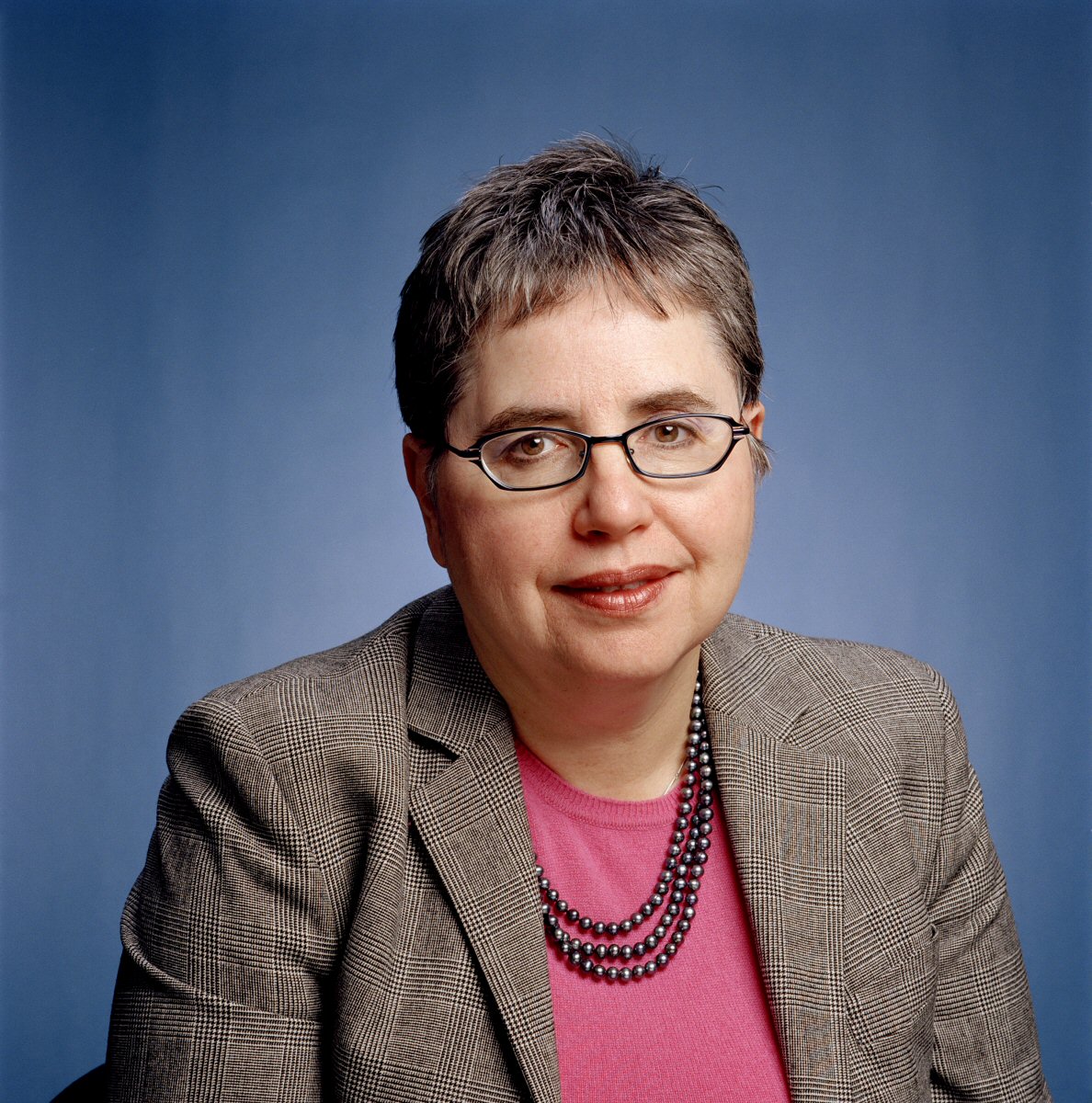
Former Senior Associate, Russia and Eurasia Program and, Co-director, al-Farabi Carnegie Program on Central Asia
Olcott is professor emerita at Colgate University, having taught political science there from 1974 to 2002. Prior to her work at the endowment, Olcott served as a special consultant to former secretary of state Lawrence Eagleburger.
Recent Work
Martha Brill Olcott
Martha Brill Olcott
Carnegie does not take institutional positions on public policy issues; the views represented herein are those of the author(s) and do not necessarily reflect the views of Carnegie, its staff, or its trustees.

Ahead of a tough winter for Ukraine, Donald Trump’s swing back toward Russia bodes ill. But instead of panicking, Kyiv’s European allies are focusing on action.

Rym Momtaz
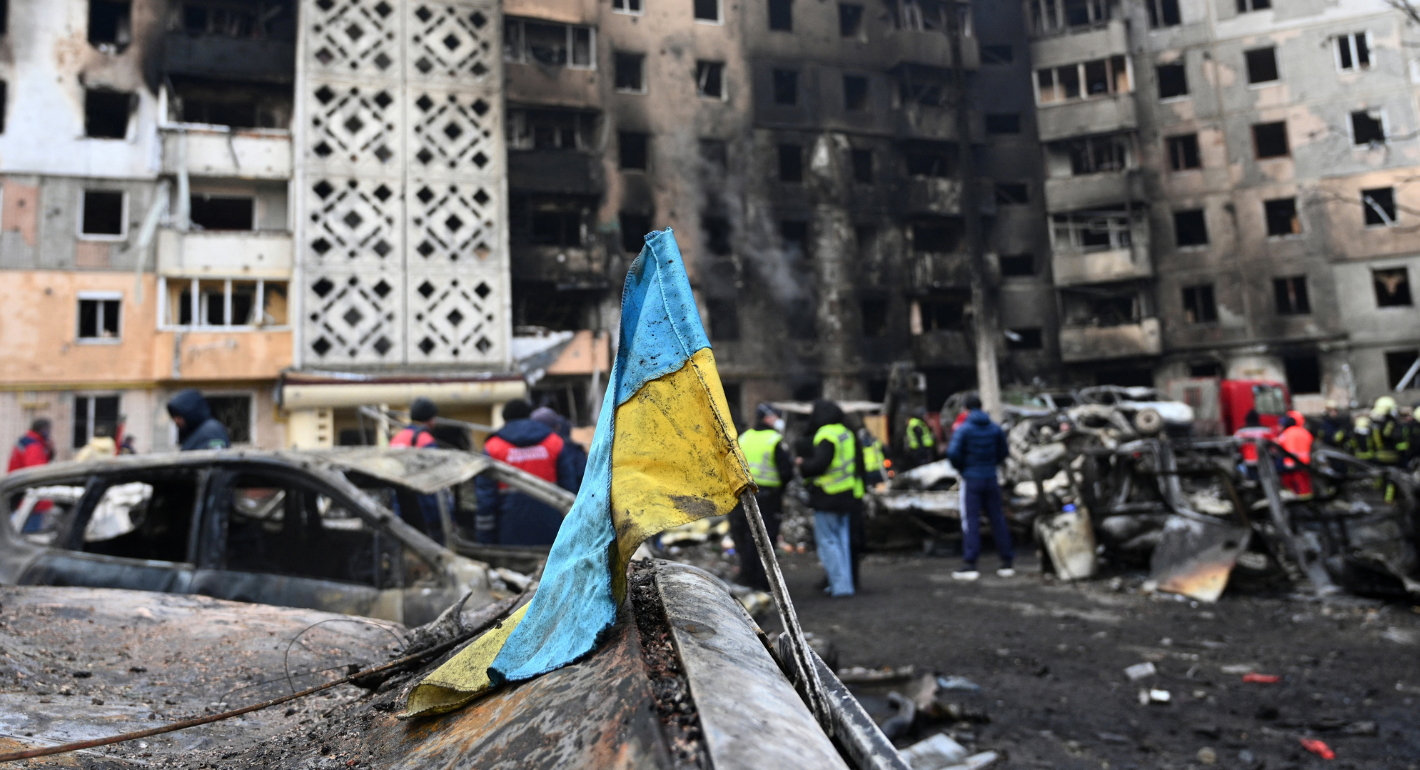
Funding Ukraine remains a priority for European leaders. As Russia’s war of aggression heads into another winter, two feasible options to mobilize support for Kyiv should be fast-tracked.
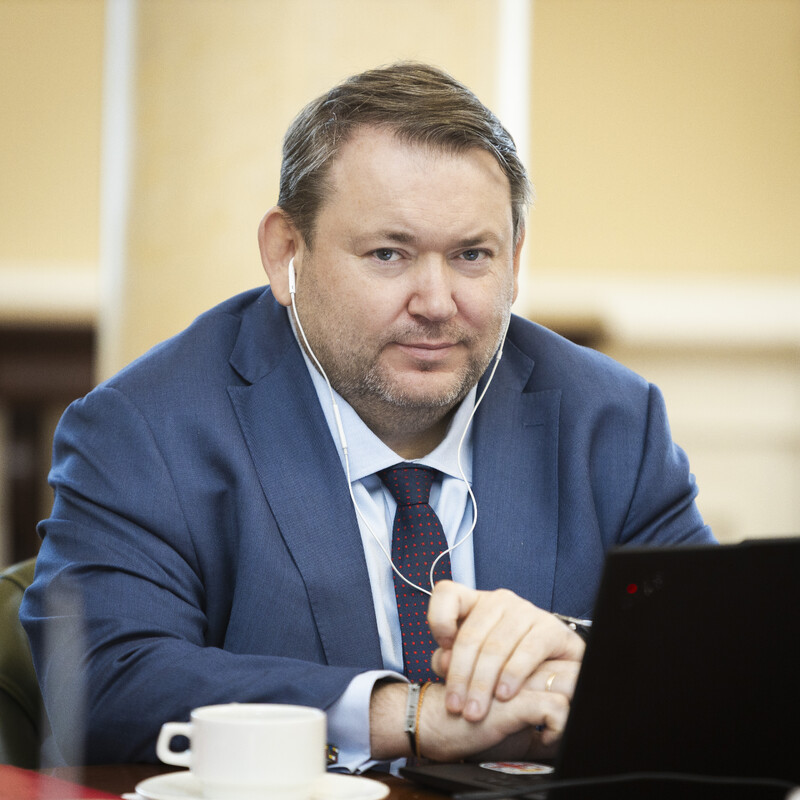
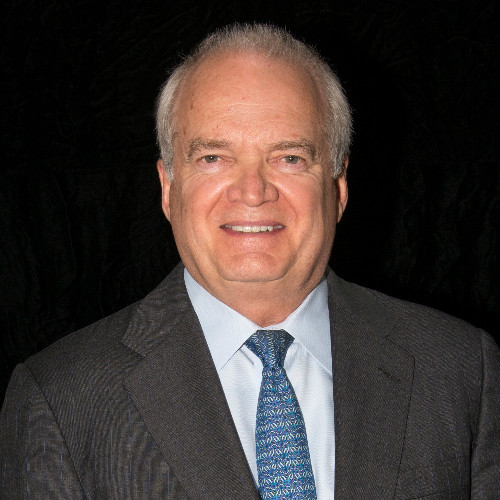
Vladyslav Rashkovan, Gregory P. Wilson
While the EU and European governments are embracing the much-lauded middle-power moment, this entails three difficult conundrums.

Richard Youngs
A notable degree of participative democracy has firmly arrived in Europe. But to have more far-reaching impact, democratic deliberation needs to move into a radically new phase.
Richard Youngs
Much has been said of the changes Brussels is trying to make to the EU enlargement process. Here’s why gradual integration might—or might not—be the answer.
Dimitar Bechev