
• Research
  • Strategic Europe
  • About
  • Experts
Carnegie Europe logoCarnegie lettermark logo
EUUkraine
  • Donate
{
  "authors": [
    "Marina Ottaway",
    "Judith S. Yaphe"
  ],
  "type": "other",
  "centerAffiliationAll": "dc",
  "centers": [
    "Carnegie Endowment for International Peace"
  ],
  "collections": [],
  "englishNewsletterAll": "democracy",
  "nonEnglishNewsletterAll": "",
  "primaryCenter": "Carnegie Endowment for International Peace",
  "programAffiliation": "DCG",
  "programs": [
    "Democracy, Conflict, and Governance"
  ],
  "projects": [],
  "regions": [
    "Middle East",
    "Iraq"
  ],
  "topics": [
    "Political Reform",
    "Democracy",
    "Security"
  ]
}
REQUIRED IMAGE

REQUIRED IMAGE

Other

Political Reconstruction in Iraq: A Reality Check

Link Copied
By Marina Ottaway and Judith S. Yaphe
Published on Mar 27, 2003

Source: Carnegie

Plans for the political reconstruction of Iraq are bound to fail if they do not take into consideration that Iraq is not a political blank slate to be transformed at American will into a democratic, secular, pluralist, and federal state. It is a difficult country with multiple social groups and power centers with conflicting agendas. The United States must not try to impose a system of its own devising on these groups. Loose talk about bringing democracy to Iraq confuses what external actors can do and what Iraqis alone can accomplish.

The United States should also not underestimate the extent to which broader U.S. policies toward the Middle East and its handling of Iraq's oil will affect the willingness of parties within and outside Iraq to cooperate in its peaceful reconstruction. Washington's next steps in the Israeli-Palestinian conflict, in relations with Iran, and in shaping a new regional security system will determine whether the Iraq war is the beginning or the end of regional crisis and bloodshed.

Click on the link above for the full text of this Carnegie publication.

About the Authors
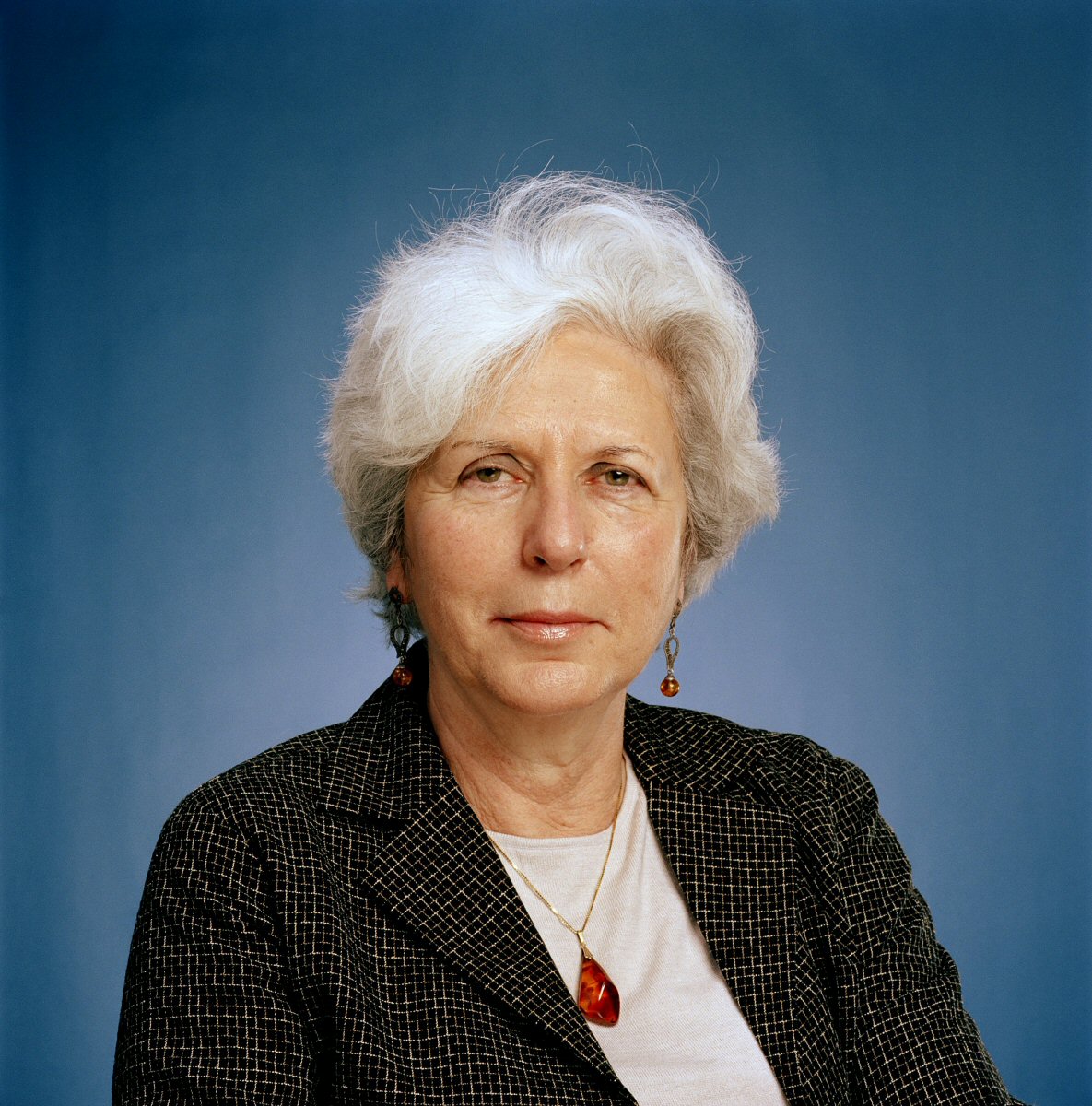
Marina Ottaway
is senior associate in the Democracy and Rule of Law Project at the Carnegie Endowment. Her new book, Democracy Challenged: The Rise of Semi-Authoritarianism, a comparative study of semiauthoritarian regimes in Africa, the Caucasus, Latin America, and the Middle East, was published in January 2003.
Judith S. Yaphe is senior research fellow and Middle East project director at the Institute for National Strategic Studies of the National Defense University. She specializes in Iraq, Iran, Arabian and Persian Gulf security issues, political Islam, and Islamic extremism. Comments made by her are solely hers and do not represent the views of the National Defense University or any other government agency.

Also by Marina Ottaway:
Promoting Democracy in the Middle East: The Problem of U.S. Credibility (Carnegie Working Paper No. 35)
Democratic Mirage in the Middle East (Carnegie Policy Brief No. 20), coauthored with Thomas Carothers, Amy Hawthorne, and Daniel Brumberg
Funding Virtue: Civil Society Aid and Democracy Promotion (2000), coedited with Thomas Carothers
Africa's New Leaders: Democracy or State Reconstruction? (1999)

About the Authors

Marina Ottaway

Former Senior Associate, Middle East Program

Before joining the Endowment, Ottaway carried out research in Africa and in the Middle East for many years and taught at the University of Addis Ababa, the University of Zambia, the American University in Cairo, and the University of the Witwatersrand in South Africa.

Judith S. Yaphe

Authors

Marina Ottaway
Former Senior Associate, Middle East Program
Marina Ottaway
Judith S. Yaphe
Political ReformDemocracySecurityMiddle EastIraq

Carnegie does not take institutional positions on public policy issues; the views represented herein are those of the author(s) and do not necessarily reflect the views of Carnegie, its staff, or its trustees.

More Work from Carnegie Europe

  • Commentary
    Strategic Europe
    The Fog of AI War

    In Ukraine, Gaza, and Iran, AI warfare has come to dominate, with barely any oversight or accountability. Europe must lead the charge on the responsible use of new military technologies.

      Raluca Csernatoni

  • Commentary
    Strategic Europe
    How to Join the EU in Three Easy Steps

    Montenegro and Albania are frontrunners for EU enlargement in the Western Balkans, but they can’t just sit back and wait. To meet their 2030 accession ambitions, they must make a strong positive case.

      Dimitar Bechev, Iliriana Gjoni

  • Commentary
    Strategic Europe
    Taking the Pulse: Can NATO Survive the Iran War?

    Donald Trump has repeatedly bashed NATO and European allies, threatening to annex Canada and Greenland and deploring their lack of enthusiasm for his war of choice in Iran. Is this latest round of abuse the final straw?

      • Rym Momtaz

      Rym Momtaz, ed.

  • Commentary
    Strategic Europe
    Win or Lose, Orbán Has Broken Hungary’s Democracy

    Hungarians head to the polls on April 12 for an election of national and European consequence. Three different outcomes are on the cards, each with their own implications for the EU.

      Zsuzsanna Szelényi

  • Commentary
    Strategic Europe
    Is France Shifting Rightward?

    The far right failed to win big in France’s municipal elections. But that’s not good news for the country’s left wing, which remained disunited while the broader right consolidated its momentum ahead of the 2027 presidential race.

      Catherine Fieschi

Get more news and analysis from
Carnegie Europe
Carnegie Europe logo, white
Rue du Congrès, 151000 Brussels, Belgium
  • Research
  • Strategic Europe
  • About
  • Experts
  • Projects
  • Events
  • Contact
  • Careers
  • Privacy
  • For Media
  • Gender Equality Plan
Get more news and analysis from
Carnegie Europe
© 2026 Carnegie Endowment for International Peace. All rights reserved.