

Article
Marina Ottaway, Omar Hossino
{
  "authors": [
    "Marina Ottaway"
  ],
  "type": "legacyinthemedia",
  "centerAffiliationAll": "dc",
  "centers": [
    "Carnegie Endowment for International Peace"
  ],
  "collections": [],
  "englishNewsletterAll": "democracy",
  "nonEnglishNewsletterAll": "",
  "primaryCenter": "Carnegie Endowment for International Peace",
  "programAffiliation": "DCG",
  "programs": [
    "Democracy, Conflict, and Governance"
  ],
  "projects": [],
  "regions": [
    "United States",
    "Iraq"
  ],
  "topics": [
    "Political Reform",
    "Democracy",
    "Foreign Policy"
  ]
}
REQUIRED IMAGE
Source: Carnegie
Originally published March 30, 2003 in the Baltimore Sun.
The war in Iraq will undoubtedly result in the overthrow of Saddam Hussein
and his regime.
But the ensuing political reconstruction will probably not result in the transformation of Iraq into a democratic country, nor will it lead to a wave of democratic change sweeping the entire Middle East.
The reason is simple.
The United States cannot shock and awe Iraqis into accepting a new political system, nor can it impose one with force once the occupation ends. The ultimate outcome of political reconstruction depends on the Iraqis: If the different ethnic, religious, tribal and political factions can reach enough agreement on the outline of a new political system, the country may eventually develop into a democracy. If they can not, the country will sink into chaos or turn to another strongman for stability after the occupation.
Iraq's history suggests that developing a consensus that can last beyond the U.S. occupation may prove elusive.
The United States cannot take much comfort from the example of the democratic transformation of Germany and Japan after World War II. Those two countries, often mentioned as proof of the beneficial political effects of American occupation, were ethnically homogeneous. They were utterly defeated, not only militarily but psychologically. They had leaders who commanded widespread respect at home and were willing to cooperate with the United States in transforming their countries.
Iraq is highly divided internally. It is unlikely to be so completely defeated psychologically that competing ethnic, religious and political groups will abandon their goals - such as autonomy for the Kurds or control of the country by the Sunni minority. Its exiled leaders have proved incapable of working together for a common purpose, and the emergence of new internal leaders will increase the country's political complexity.
To complicate matters, the world of 1945 was still one of empires and colonies, and it was normal for stronger countries to impose their solutions on the weaker ones. Occupation is likely to lead to resentment much more rapidly now.
Bosnia offers more relevant lessons than Germany or Japan.
Like Iraq, it is a deeply divided country that defies easy solutions. The 1995 Dayton peace agreement is a model of ingenious political engineering, designed to give each of the main groups the autonomy and control they want while keeping them in the same country under democratic institutions. A little more than seven years after the signing, however, the agreement has been only partially implemented despite a strong international presence. Democratic elections have crystallized the divisions rather than obliterating them, returning to power in each part of Bosnia nationalist elites with conflicting agendas. Introducing democracy without heightening divisions will prove as difficult in Iraq.
The war in Iraq will have political repercussions throughout the region, but it is unlikely to result in democratization anywhere. The basic condition for democracy - strongly organized, democratic political parties with a substantial popular following - does not exist anywhere in the region.
Democratic parties there are small, poorly organized and have trouble making their message relevant to impoverished populations. Islamist parties tend to be better organized and better able to reach the populace with their religious message, but also with the services they provide. Arab regimes take advantage of the potential for an Islamist victory to limit political freedom for all. The war in Iraq will not change this balance of power.
The war will probably encourage limited political change from the top. Some regimes will prudently enact political reforms carefully designed to provide them with a more liberal image without in any way putting their control in jeopardy. Such reforms will fall far short of democracy, but the United States will welcome them nevertheless.
The example of Bahrain is a case in point. Under a new constitution that does not in any way limit the power of the king, Bahrain a few months ago held elections for half the members of a rather powerless parliament; the remaining members are appointed by the king. Despite the obvious limitations of the exercise, the United States chose to praise Bahrain warmly for its progress toward democracy.
The United States enjoys immense military superiority, but it does not have a comparable advantage in the political arena. The political future of Iraq and other Middle Eastern countries will be determined more by their domestic politics than by U.S. policy.
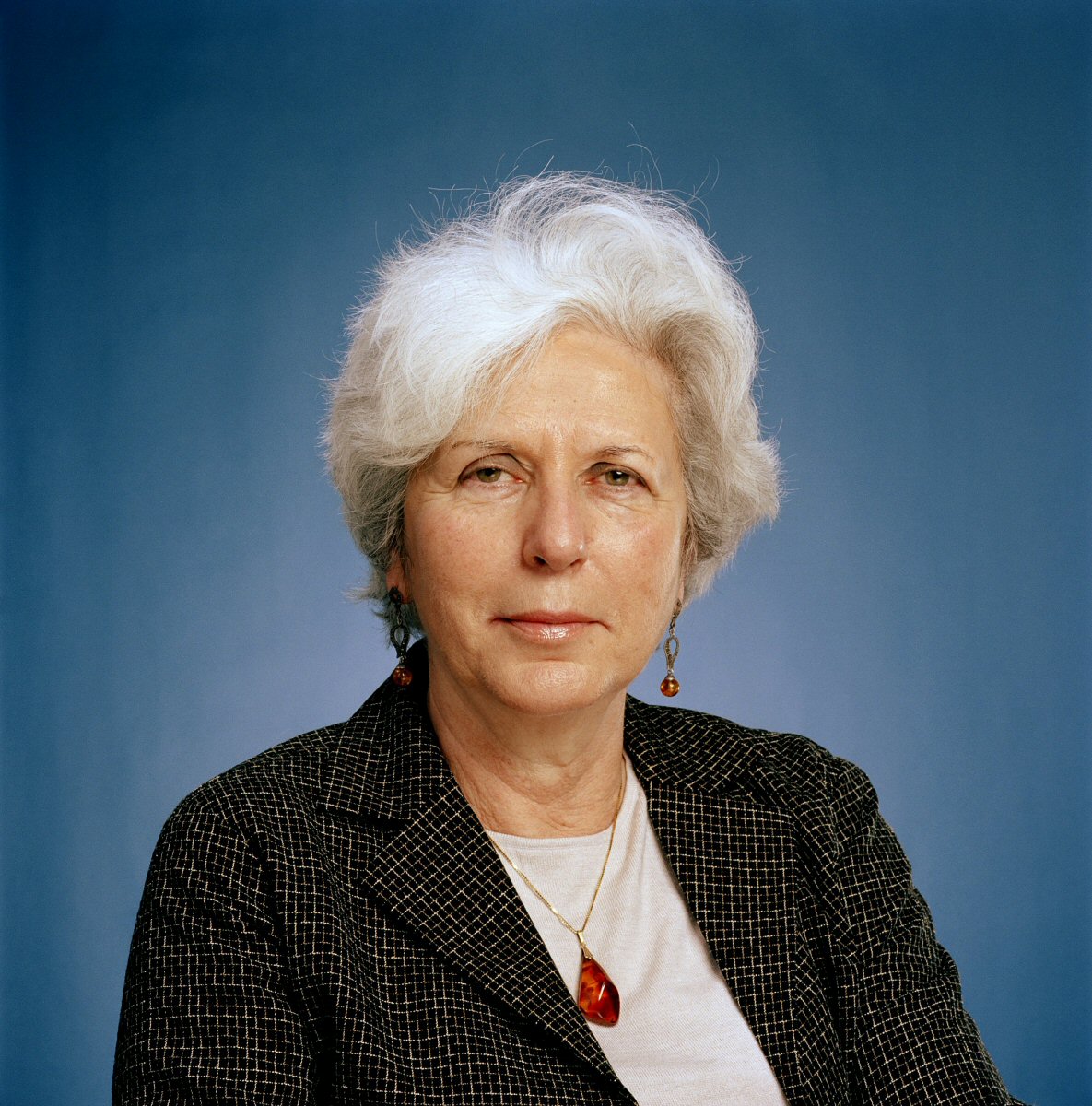
Former Senior Associate, Middle East Program
Before joining the Endowment, Ottaway carried out research in Africa and in the Middle East for many years and taught at the University of Addis Ababa, the University of Zambia, the American University in Cairo, and the University of the Witwatersrand in South Africa.
Recent Work
Marina Ottaway, Omar Hossino
Marina Ottaway
Carnegie does not take institutional positions on public policy issues; the views represented herein are those of the author(s) and do not necessarily reflect the views of Carnegie, its staff, or its trustees.

Before the next wave of EU enlargement takes place, the union needs to grapple with thorny questions of how power is distributed among its members.


Emil Sondaj Hansen, Ditte Brasso Sørensen

The new U.S.–Denmark–Greenland agreement will help Washington exert political, economic, and financial dominance under the guise of security. Yet, it acknowledged Copenhagen’s and Nuuk’s sovereignty on the island.

Marc Pierini

A summer of escalation in the Black Sea has hurt Ukraine economically and is exacerbating world food security. A truce is needed—as is a broader reframing of Europe’s Ukraine strategy.

Thomas de Waal

Are Germany’s economic, industrial, and political struggles becoming a liability for the EU’s ability to rise to the geopolitical moment?

Rym Momtaz, ed.

European Commission President Ursula von der Leyen is about to give her annual address on the state of the EU. Here’s what she won’t—but should—say.
Rym Momtaz