

In The Media
Minxin Pei
{
  "authors": [
    "Minxin Pei"
  ],
  "type": "legacyinthemedia",
  "centerAffiliationAll": "dc",
  "centers": [
    "Carnegie Endowment for International Peace"
  ],
  "collections": [],
  "englishNewsletterAll": "asia",
  "nonEnglishNewsletterAll": "",
  "primaryCenter": "Carnegie Endowment for International Peace",
  "programAffiliation": "AP",
  "programs": [
    "Asia"
  ],
  "projects": [],
  "regions": [
    "China"
  ],
  "topics": [
    "Democracy"
  ]
}
REQUIRED IMAGE
Source: Carnegie
Beijing's Social Contract is Starting to Fray
by Minxin Pei
Financial Times, June 3, 2004
Now fifteen years since the Tiananmen democratic uprising, the Chinese Communist Party has showed incredible resilience. The Party's perseverence is largely attributable to its ability to maintain high-growth with only minor social reforms. However, this neo-authoritarian approach is unsustainable, breading state predation and endemic corruption. The Party must rewrite its social contract with Chinese citizens and pursue real political reform before it self-destructs.
Click here to view the article (subscription required)
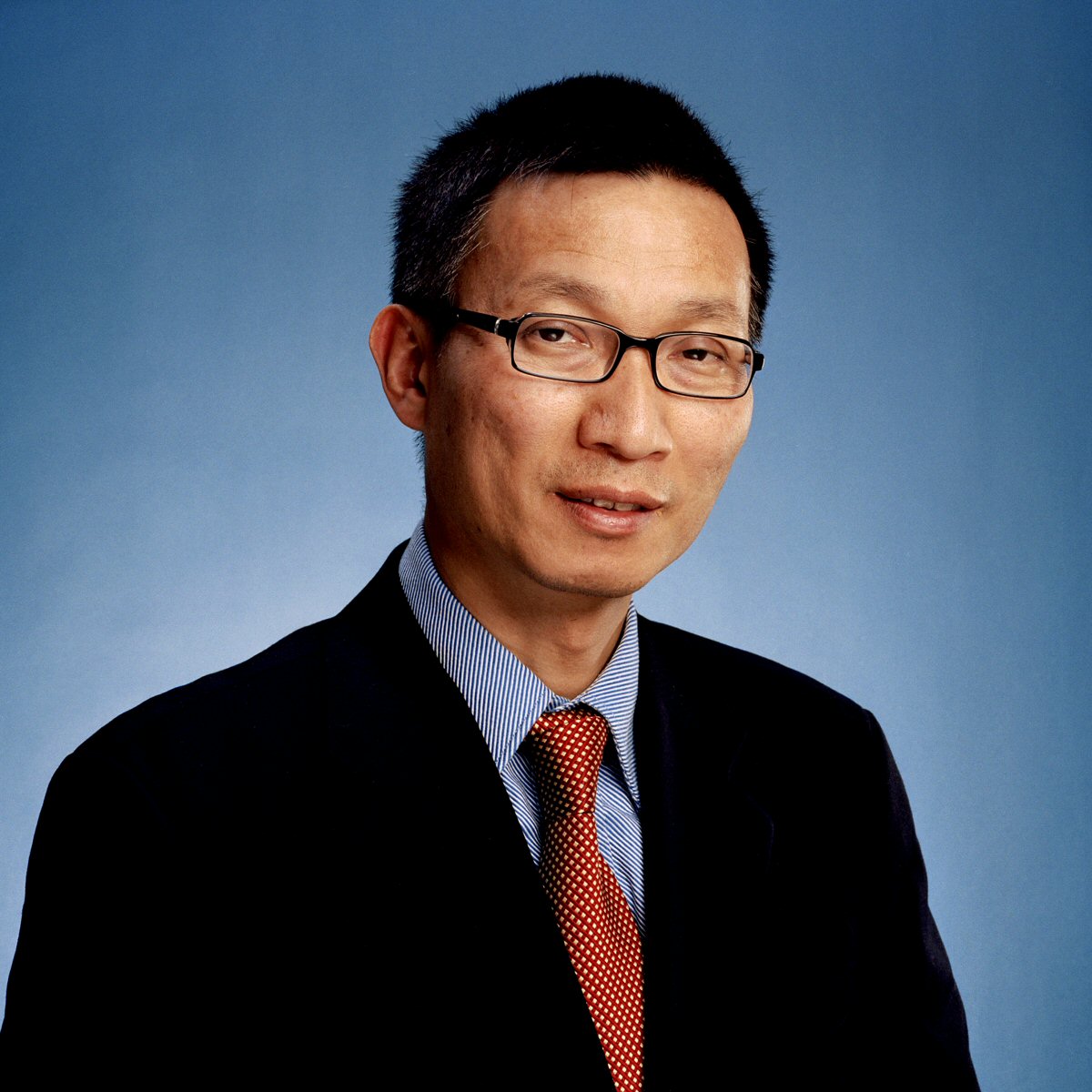
Former Adjunct Senior Associate, Asia Program
Pei is Tom and Margot Pritzker ‘72 Professor of Government and the director of the Keck Center for International and Strategic Studies at Claremont McKenna College.
Recent Work
Minxin Pei
Minxin Pei

As the EU confronts profound challenges, several leaders have called for fundamental reform to the union’s model—but only modest, superficial changes have resulted. What if Europe really could be reimagined from zero today: What should such a redesigned European order look like?

Richard Youngs, ed.
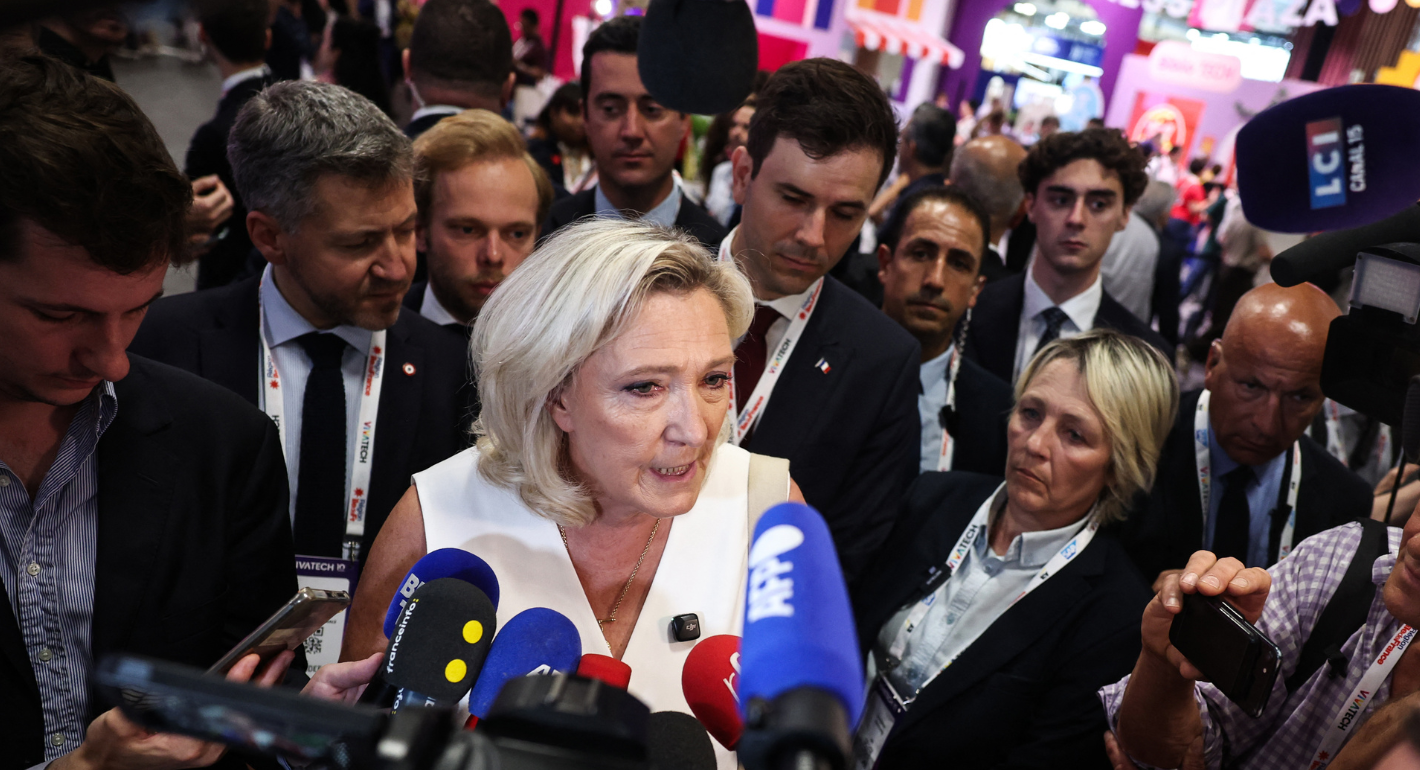
Far-right leader Marine Le Pen can—and will—run in France’s next presidential election. What does the outcome of her appeal against a 2025 embezzlement conviction mean for the country’s political future?

Catherine Fieschi
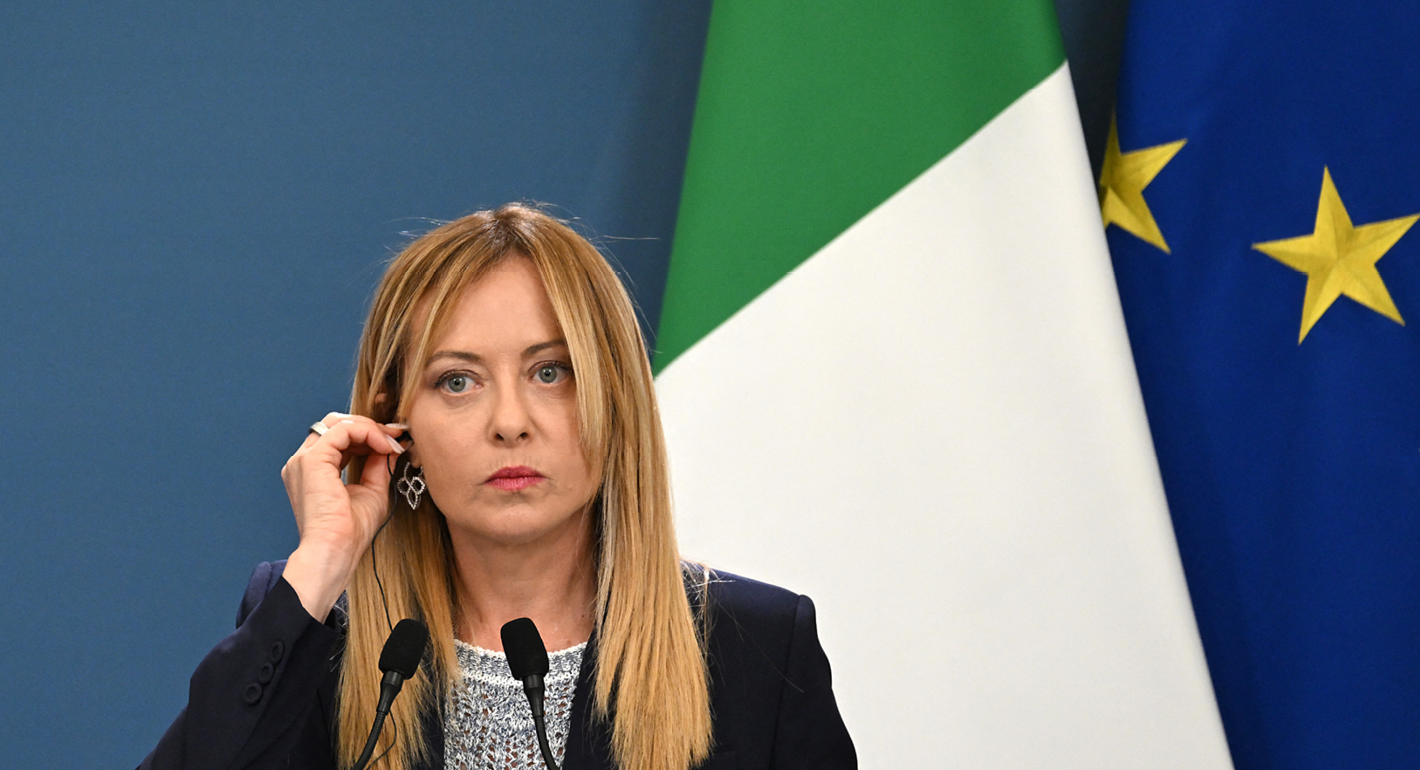
When Giorgia Meloni very publicly rebuked Donald Trump’s disparaging remarks about her, it surprised many who saw her as a European extension of Trumpism. Is the spat a sign of trouble in the radical right’s transatlantic axis?

Rym Momtaz, ed.

As geopolitical rivalry weaponizes global supply chains, the EU’s true vulnerability lies in emerging-risk imports. For these goods, suppliers are growing more concentrated, substitution more difficult, and political risk is looming.

Sinan Ülgen
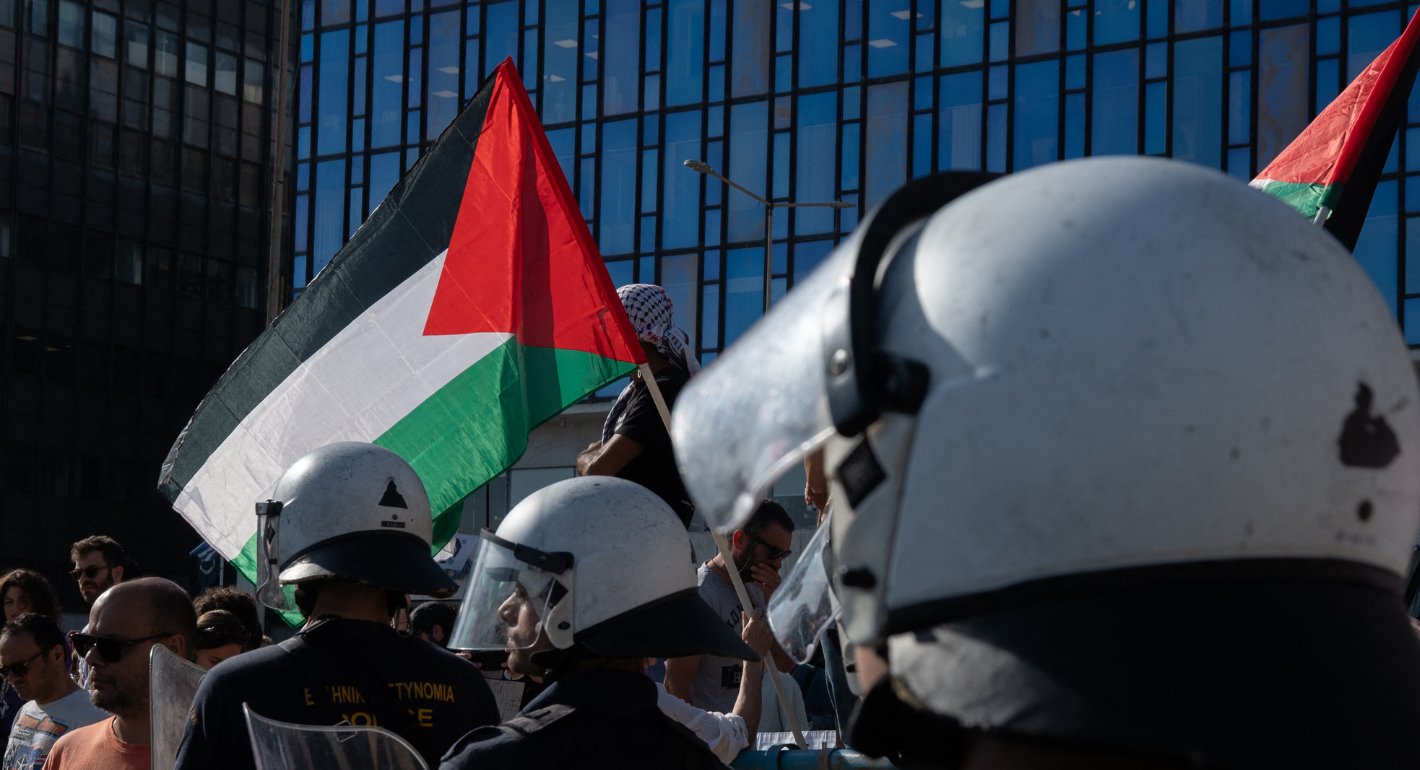
The battle over free speech has taken center stage since U.S. Vice President JD Vance accused Europe of censorship. From travel bans to social media regulation, especially around the Israel-Palestine conflict, are liberal democratic governments weaponizing free speech?
Rym Momtaz, ed.