

Article
Dr. Albert Keidel
{
  "authors": [
    "Albert Keidel"
  ],
  "type": "legacyinthemedia",
  "centerAffiliationAll": "dc",
  "centers": [
    "Carnegie Endowment for International Peace"
  ],
  "collections": [],
  "englishNewsletterAll": "asia",
  "nonEnglishNewsletterAll": "",
  "primaryCenter": "Carnegie Endowment for International Peace",
  "programAffiliation": "AP",
  "programs": [
    "Asia"
  ],
  "projects": [],
  "regions": [
    "East Asia",
    "China",
    "Japan"
  ],
  "topics": [
    "Economy",
    "Trade"
  ]
}
Source: Getty
In most emerging-market economies in East Asia, domestic economic, political, and social pressures push governments in the direction of a relatively inflexible exchange rate and freer capital inflows. This is a bad combination. Exchange rate stability and predictability would be a boon to commerce and finance. But achieving it is easier said than done.
In most emerging-market economies in East Asia, it seems that domestic economic, political, and social pressures push governments in the direction of a relatively inflexible exchange rate and freer short-term capital inflows. This is a bad combination. It potentially leads to a long cycle of exchange-rate and capital-account difficulties, crisis, and consolidation. Even though a country may be at the benign phase in this cycle, underlying conditions are unlikely to have changed, and the difficulty, disorderly, phases of the cycle are likely to return.
The general combination of inflexible exchange rates and freer capital flows leaves emerging market economies exposed to large transactions with maturity and currency mismatches. A better domestic regulatory system might help, but these are difficult to achieve in an emerging market economy. Regulating capital inflows may be seen as a substitute for better domestic regulation, and a number of background conditions, like large FDI flows and global markets that make it easier for emerging markets to run surpluses, could make it easier for governments to navigate their difficult policy course.
In general, however, each emerging market has to look at its own circumstances to find ways to reduce the risks from exchange rate inflexibility with freer capital flows. Market-based flexibility backed up by adequate hedging activities may be the ideal tool, and when this is not possible because of opposition by domestic interest groups, the choices are much more difficult.
What is more, the significant gap between China's circumstances and Japan's means that any harmonization of currencies in the region, to achieve better exchange-rate predictability, is many decades away.
Exchange-rate predictability for any given transaction is one important objective. To my mind, the overarching goal of economic policy, including exchange-rate regime determination, is orderly and sustained economic growth and poverty reduction. To this end, exchange rate stability and predictability would obviously be a boon to commerce and finance. Achieving it, however - even imperfectly - generally requires consideration and management of the impact of capital flows as well as domestic and international pressures.
For the full text of the paper, click on the link to the right.

Former Senior Associate, China Program
Keidel served as acting director and deputy director for the Office of East Asian Nations at the U.S. Department of the Treasury. Before joining Treasury in 2001, he covered economic trends, system reforms, poverty, and country risk as a senior economist in the World Bank office in Beijing.
Recent Work
Dr. Albert Keidel
Dr. Albert Keidel

Europe’s industrial supply chains leave it vulnerable to global shocks. The EU needs a pragmatic green industrial strategy that balances durable partnerships and bolsters homegrown clean tech without sacrificing low-carbon ambition.


Milo McBride, Pauline Gerard
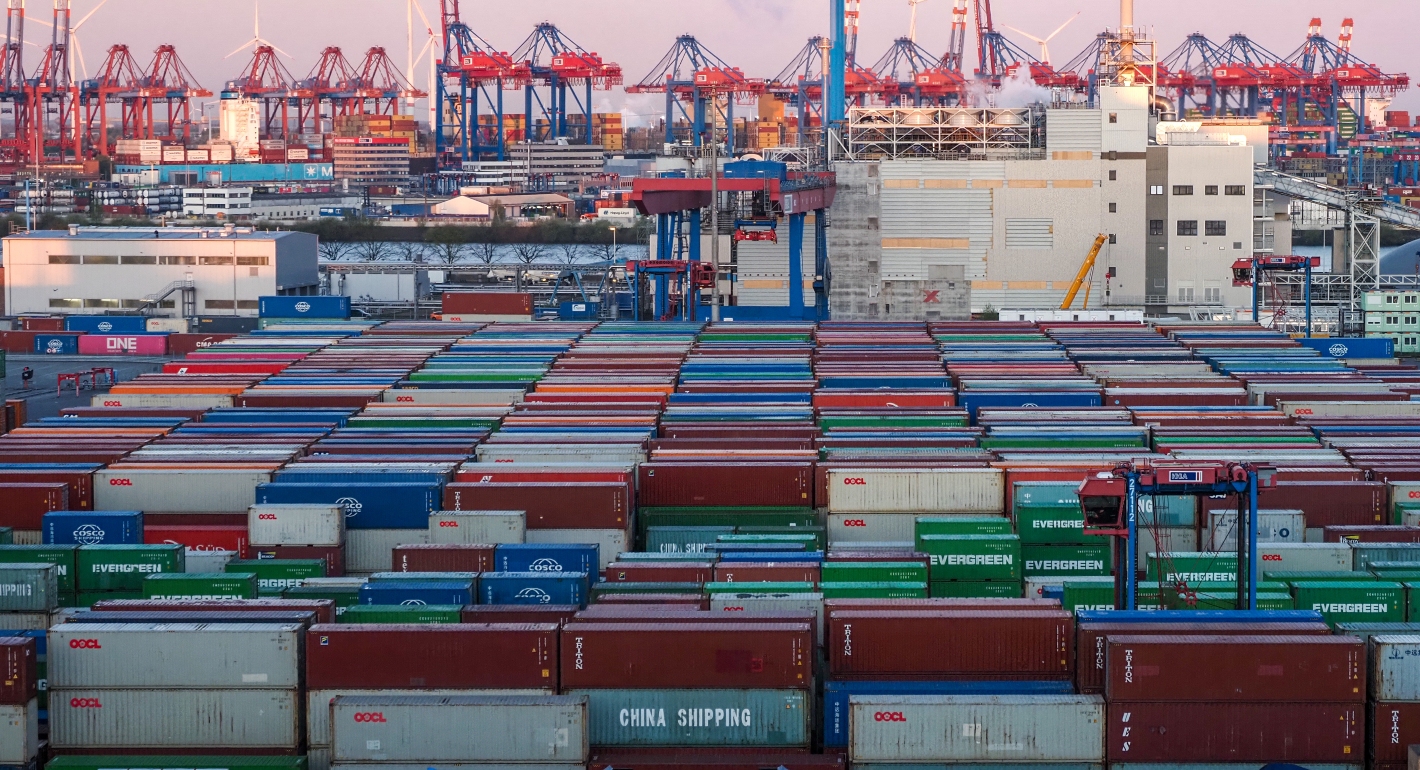
As geopolitical rivalry weaponizes global supply chains, the EU’s true vulnerability lies in emerging-risk imports. For these goods, suppliers are growing more concentrated, substitution more difficult, and political risk is looming.

Sinan Ülgen

The EU is putting together a new security strategy to meet today’s myriad challenges. But for any proposal to be effective, the union needs to grapple with its identity and ambitions.

Pierre Vimont
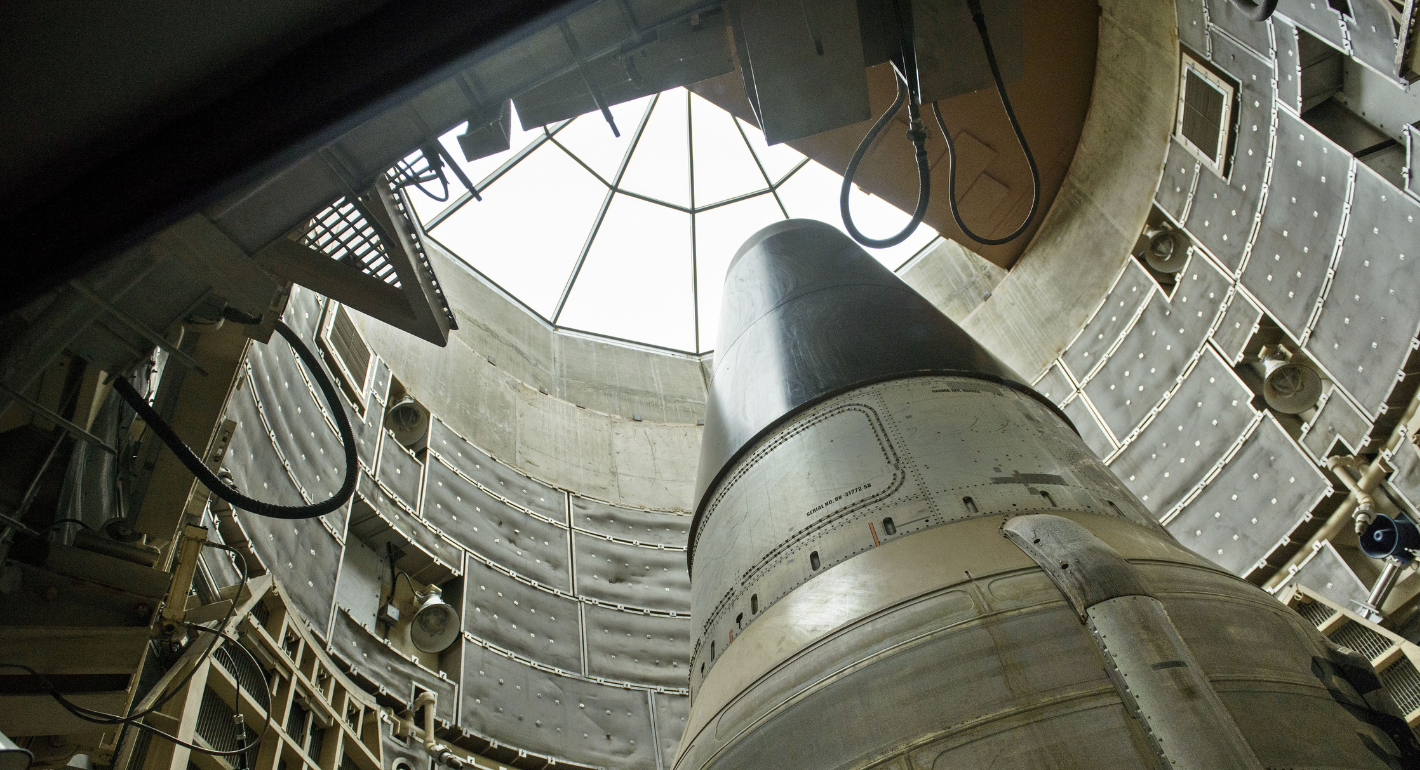
Amid uncertainty caused by the Iran war, the global drive for nonproliferation has stalled. With Europe diplomatically marginalized and countries reassessing their nuclear options, efforts to curb the spread of nuclear weapons risk becoming irrelevant.

Jane Darby Menton
Between the United States’ market-driven approach and China's state-led industrial strategy, Europe is reckoning with how it can remain competitive in the global economy. But is Europe in danger of becoming a U.S. or China colony?

Noah Barkin, Anu Bradford