

Paper
George Perkovich
{
  "authors": [
    "George Perkovich"
  ],
  "type": "legacyinthemedia",
  "centerAffiliationAll": "dc",
  "centers": [
    "Carnegie Endowment for International Peace"
  ],
  "collections": [],
  "englishNewsletterAll": "ctw",
  "nonEnglishNewsletterAll": "",
  "primaryCenter": "Carnegie Endowment for International Peace",
  "programAffiliation": "NPP",
  "programs": [
    "Nuclear Policy",
    "South Asia"
  ],
  "projects": [],
  "regions": [
    "Iran",
    "Israel",
    "South Asia",
    "India",
    "Pakistan"
  ],
  "topics": [
    "Nuclear Policy"
  ]
}
REQUIRED IMAGE
Source: United Nations Institue for Disarmament Research
From the beginning, champions of nuclear non-proliferation have envisioned the participation of all states in the system of rules framed by the Nuclear Non-proliferation Treaty (NPT). This vision largely has been achieved. Nearly all states adhere more or less fully with the terms of the NPT. Today the main exceptions are North Korea (which was in non-compliance when it abandoned the treaty), Iran (which is not in full compliance with its related obligations), and India, Israel and Pakistan (which have not yet joined).
The latter three states pose unique challenges individually and as a group. India and Pakistan have demonstrated their possession of nuclear weapons and proclaim themselves to be nuclear-weapon states. They now press supporters of the non-proliferation regime to remove technology embargoes applied to them. Israel neither confirms nor denies possession of nuclear weapons. Importantly, unlike India and Pakistan, it does not seek recognition or international prestige from nuclear weapons. Nor do Israeli politicians seek political gains through nuclear posturing.
Still, Israel’s nuclear status causes turmoil within the non-proliferation regime. Although these three states retain the sovereign ‘right’ to possess nuclear weapons, never having signed the NPT, their standing outside the system of non-proliferation obligations and rules undermines global security. Many experts and governments therefore seek ways to bring these three states into a process of strengthening non-proliferation norms and rules.
Click here for full text

Japan Chair for a World Without Nuclear Weapons, Senior Fellow
George Perkovich is the Japan Chair for a World Without Nuclear Weapons and a senior fellow in the Carnegie Endowment for International Peace’s Nuclear Policy Program. He works primarily on nuclear deterrence, nonproliferation, and disarmament issues.
Recent Work
George Perkovich
George Perkovich
Carnegie does not take institutional positions on public policy issues; the views represented herein are those of the author(s) and do not necessarily reflect the views of Carnegie, its staff, or its trustees.
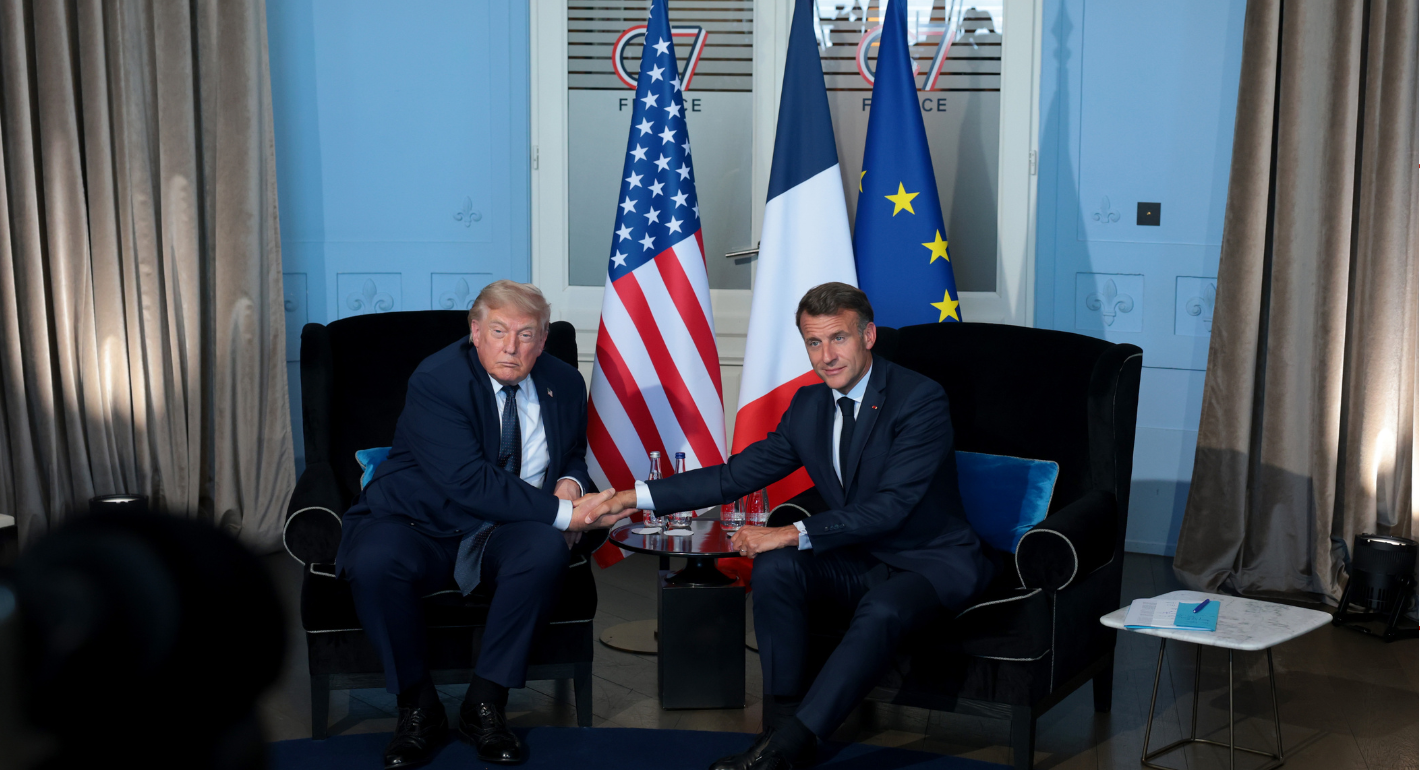
When the U.S.-Iran memorandum of understanding was announced, the UK, France, Germany, and Italy declared their readiness to help demine the Strait of Hormuz and lift nuclear sanctions on Tehran. But does Europe need new tools to recover a diplomatic role?

Rym Momtaz, ed.
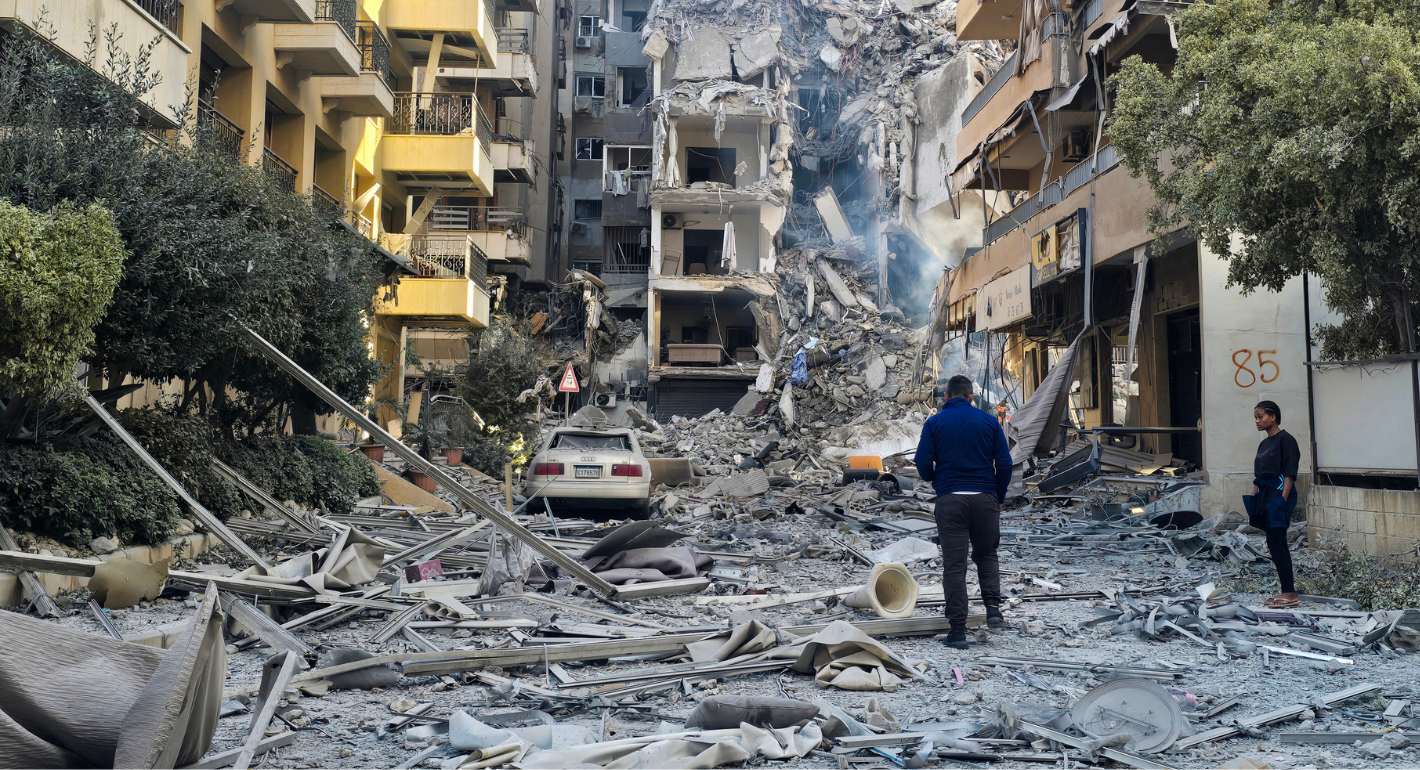
Europe seems to have accepted its sidelining in the Middle East. The EU must reassert its support for the international rules-based order and step up engagement.
Rym Momtaz
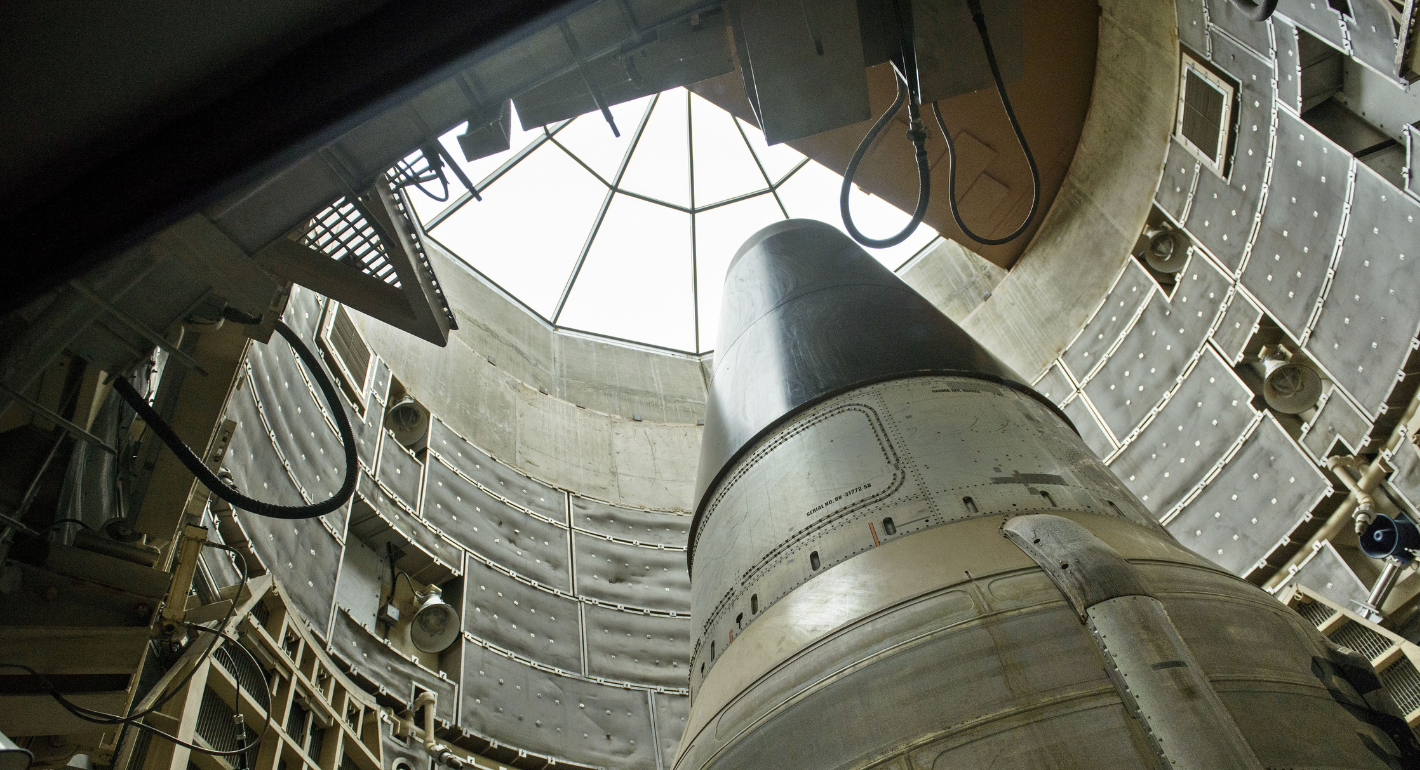
Amid uncertainty caused by the Iran war, the global drive for nonproliferation has stalled. With Europe diplomatically marginalized and countries reassessing their nuclear options, efforts to curb the spread of nuclear weapons risk becoming irrelevant.

Jane Darby Menton
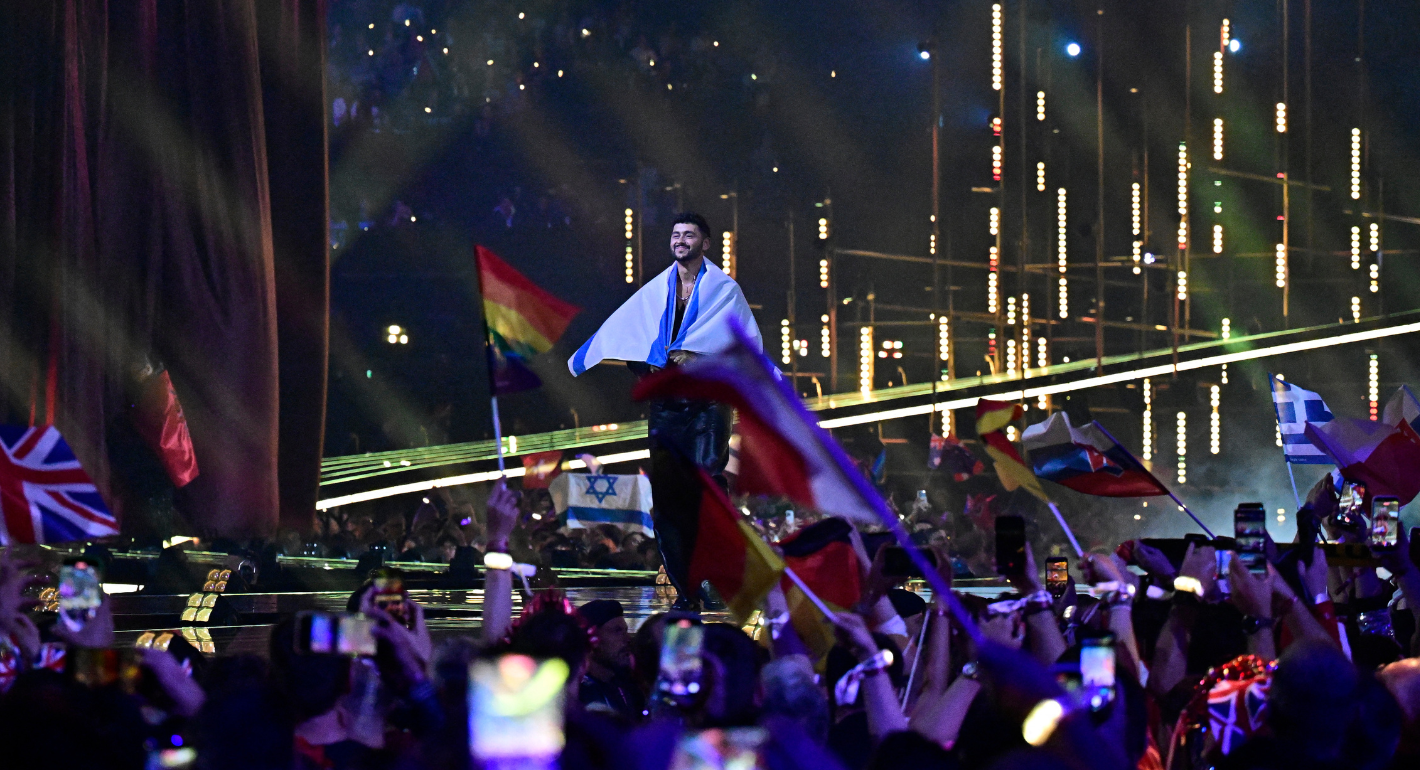
Five countries staged the biggest political boycott in Eurovision history over Israel’s participation. With the FIFA World Cup and other sporting or cultural touchstones on the horizon, are boycotts effective?
Rym Momtaz, ed.
The U.S.-Iran war has crossed a dangerous threshold: water infrastructure in the Gulf is now a target. Ecological statecraft is no longer peripheral to security, it's part of its foundations.


Olivia Lazard, Ali Bin Shahid