

In The Media
Mr. David Bosco
{
  "authors": [
    "David Bosco"
  ],
  "type": "legacyinthemedia",
  "centerAffiliationAll": "",
  "centers": [
    "Carnegie Endowment for International Peace"
  ],
  "collections": [],
  "englishNewsletterAll": "",
  "nonEnglishNewsletterAll": "",
  "primaryCenter": "Carnegie Endowment for International Peace",
  "programAffiliation": "",
  "programs": [],
  "projects": [],
  "regions": [
    "North America",
    "United States",
    "North Africa",
    "Sudan",
    "Southern, Eastern, and Western Africa"
  ],
  "topics": [
    "Political Reform",
    "Foreign Policy"
  ]
}
REQUIRED IMAGE
In considering whether and where to intervene, one question has assumed talismanic significance: Is it genocide? But as the case of Darfur shows, genocide is an unreliable trigger. Realities, not labels, should define our response.
Source: Washington Post
On Feb. 1, the United Nations issued a finding that sounded like hopeful news about one of Africa's worst conflicts.
"UN report clears Sudan government of genocide in Darfur," reported Agence France-Presse.
"UN Panel Sees No Genocide in Darfur," a St. Petersburg Times headline on a Reuters wire story said the next day.
"Report on Darfur Says Genocide Did Not Occur," read another in the New York Sun.
The headlines said more about the mindset of the people reading the report than they did about the long-awaited investigation by the U.N. commission of inquiry on the conflict in western Sudan. The 176-page document provided a litany of misery and blamed the government in Khartoum. But to many readers, it appeared to have let Sudan's leaders off the hook by not branding their actions as genocide, as the Bush administration and U.S. Congress had already done.
It's not as though the report gave Sudan a seal of approval. It detailed extensive atrocities authorized by the Sudanese government and carried out by Janjaweed militias. Its authors concluded that the government and militias conducted "indiscriminate attacks, including killing of civilians, torture, enforced disappearances, destruction of villages, rape and other forms of sexual violence, pillaging and forced displacement throughout Darfur." They added that the government's brutal campaign had displaced more than 1.5 million people. But for many news editors and readers, one conclusion overshadowed all the rest: There was no genocide in Darfur, after all.
In considering whether and where to intervene, one question has assumed talismanic significance: Is it genocide? In the words of judges on the international tribunal for Rwanda, genocide is the "crime of crimes." Such a finding has become a signal for the world to act.
But as the Darfur report shows, genocide is an unreliable trigger. For all its moral power, genocide is both hard to document and linked to questions of race, ethnicity and religion in a way that excludes other -- similarly heinous -- crimes. Intended as a clarion call, the term itself has become too much of a focal point, muddling the necessity for action almost as often as clarifying it.
Few issues have been more important in the last decade than reacting to the bloody civil conflicts that still haunt many parts of the globe. The current film "Hotel Rwanda" hammers audiences with the tale of the world's shameful failure to stop the 1994 Rwandan massacres. Looking to the genocide label to motivate international intervention in places like Rwanda, however, overlooks two sad truths: Widespread slaughter can demand intervention even if it falls outside of the genocide standard. And the world is quite capable of standing by and watching even when a genocide is acknowledged.
To a remarkable extent, the term genocide was the product of one man's work. As Samantha Power recounts in her recent book " 'A Problem From Hell': America and the Age of Genocide," Raphael Lemkin placed the term into public discourse and international law through sheer willpower. A Polish Jew who narrowly escaped the Nazis, Lemkin was instrumental in drafting and winning support for the 1948 Convention on the Prevention of Genocide. He wanted a law that captured the unique horror of a concerted campaign to deny a specific group's right to exist, and that is what he got.
In international law, genocide is a crime of specific intent -- it requires that the guilty parties intended to destroy all or part of an ethnic, racial, national or religious community. Identifying that intent can be a difficult struggle.
In 1995, Bosnian Serb forces killed 8,000 Muslim men and boys in the besieged town of Srebrenica. It was Europe's worst massacre since World War II. But when the U.N. tribunal finally got hold of one of the Bosnian Serb generals who had been at Srebrenica, it found him guilty only of aiding and abetting genocide -- not actually committing it. "Convictions for genocide," that court said, "can be entered only where intent has been unequivocally established." Try as they might, the prosecutors in that case could not document the Serb officer's intent.
If getting inside the mind of the killers is one complication, identifying and classifying the victims is another. The commission investigating Darfur, for example, immersed itself in the details of local tribal structures as it tried to puzzle out whether the victims of that conflict fit under the definition of genocide. "The various tribes that have been the subject of attacks and killings," the report conceded, "do not appear to make up ethnic groups distinct from the ethnic group to which persons or militias that attack them belong." Only after lengthy analysis did the authors conclude that the victimized population in Darfur was a different tribe and therefore a "protected group." But they were still unable to identify the intent needed to show genocide.
Documenting genocidal intent and determining whether the victims are part of a protected group eats up time when time is of the essence; a few weeks of concentrated violence killed more than 800,000 people in Rwanda. Waiting for the lawyers to decide is perilous, as became apparent once again when the Sudan commission released its report. To many observers, it appeared that the U.N. experts were downgrading the Darfur crisis when it was really struggling -- in good lawyerly fashion -- to meet a high evidentiary burden.
Perversely, the intense focus on genocide has allowed a U.N. report that documents widespread atrocities to serve as moral cover for continued official lethargy. The United States has been the leading player in diplomatic efforts in the Sudan, but has not pushed as aggressively as it could for sanctions. Europe -- and France, in particular -- has talked a good game but done little. Russia and China, both U.N. Security Council members, have made only the weakest gestures of concern. And so staunching the bloodshed in Darfur has been left to a small, ill-equipped force from the African Union (A.U.), a regional economic and security organization.
There is an alternative to this intense focus on genocide. The category of "crimes against humanity" -- first used to describe the massacres of Armenians after World War I and then codified at the Nuremberg trials -- is simpler and broader but still morally powerful. It encompasses large-scale efforts to kill, abuse or displace populations. It avoids messy determinations of whether the victims fit into the right legal box and whether the killers had a sufficiently evil mindset. Do we really care, after all, whether the victims of atrocities are members of a distinct tribe or simply political opponents of the regime?
Moving beyond what has by now become a warped diplomatic parlor game (who will say the G-word first?) would have the added benefit of shifting the debate from the abstract to the practical. The word genocide may be too powerful for its own good. It conjures up images of a relentless and irrational evil that must be confronted massively. It is almost paralyzing. We are used to fighting crime; genocide seems to require a crusade.
There are small but concrete steps that the United States could take to fight the mass killings and crimes in Darfur, without sending a U.S. combat force. The most critical step would be to bolster the African Union force there now. For almost a decade, the United States has sought to strengthen Africa's ability to tend to its own crises. That effort -- and tens of thousands of lives -- are on the line in Sudan.
The A.U. has promised a force of almost 3,500 troops, but only about half of them have arrived. Getting those soldiers to Darfur fast may require airlift capacity that is a U.S. specialty. And the fragile A.U., which is struggling to bear the costs of the Sudan operation, needs immediate cash infusions. Both the United States and Europe have pledged funds, but they have been slow in coming.
The Darfur Accountability Act, introduced in the U.S. Senate last week, calls for increased aid to the A.U. force, as well as a military no-fly zone and a tight arms embargo. It's a start. If the government in Khartoum gets in the way, the Security Council should impose tough and targeted sanctions. And if China and Russia get in the way of the Council, the United States and Europe should act without it. The United States and Britain (which has gone furthest in discussing a deployment) should send their own small tripwire force to accompany the African monitors.
Some of these measures may require a U.S. policy that borders on unilateralism. But this administration has not shown undue patience with or deference to the often dysfunctional and amoral U.N. Security Council -- and there's no reason to start now. As Defense Secretary Donald H. Rumsfeld put it in another context, "the mission defines the coalition." And the mission of fighting crimes against humanity must be a central one, as it was in Bosnia and Kosovo and should have been in Rwanda and at an earlier stage in Sierra Leone.
Realities, not labels, should define our response. The word genocide, rightly, has a unique moral impact. But the concept -- and the interminable debate about its boundaries -- must not become the issue. When the world chooses to immerse itself in terminology rather than take action, it does today's very real victims no good at all.
David Bosco is a senior editor at Foreign Policy magazine.
Former Senior Editor, Foreign Policy
David Bosco joined FP in 2004 as a senior editor responsible for commissioning and editing reviews, feature articles, and essays. Prior to joining FP, he was an attorney at the law firm of Cleary, Gottlieb, Steen & Hamilton with a focus on international arbitration, litigation, and antitrust matters. Previously, he researched judicial reform in Chile as a Fulbright Scholar.
Recent Work
Mr. David Bosco
Carnegie does not take institutional positions on public policy issues; the views represented herein are those of the author(s) and do not necessarily reflect the views of Carnegie, its staff, or its trustees.

Closer EU-UK ties could help address urgent European concerns. But is the EU ready for rapprochement with the United Kingdom?

Rym Momtaz, ed.
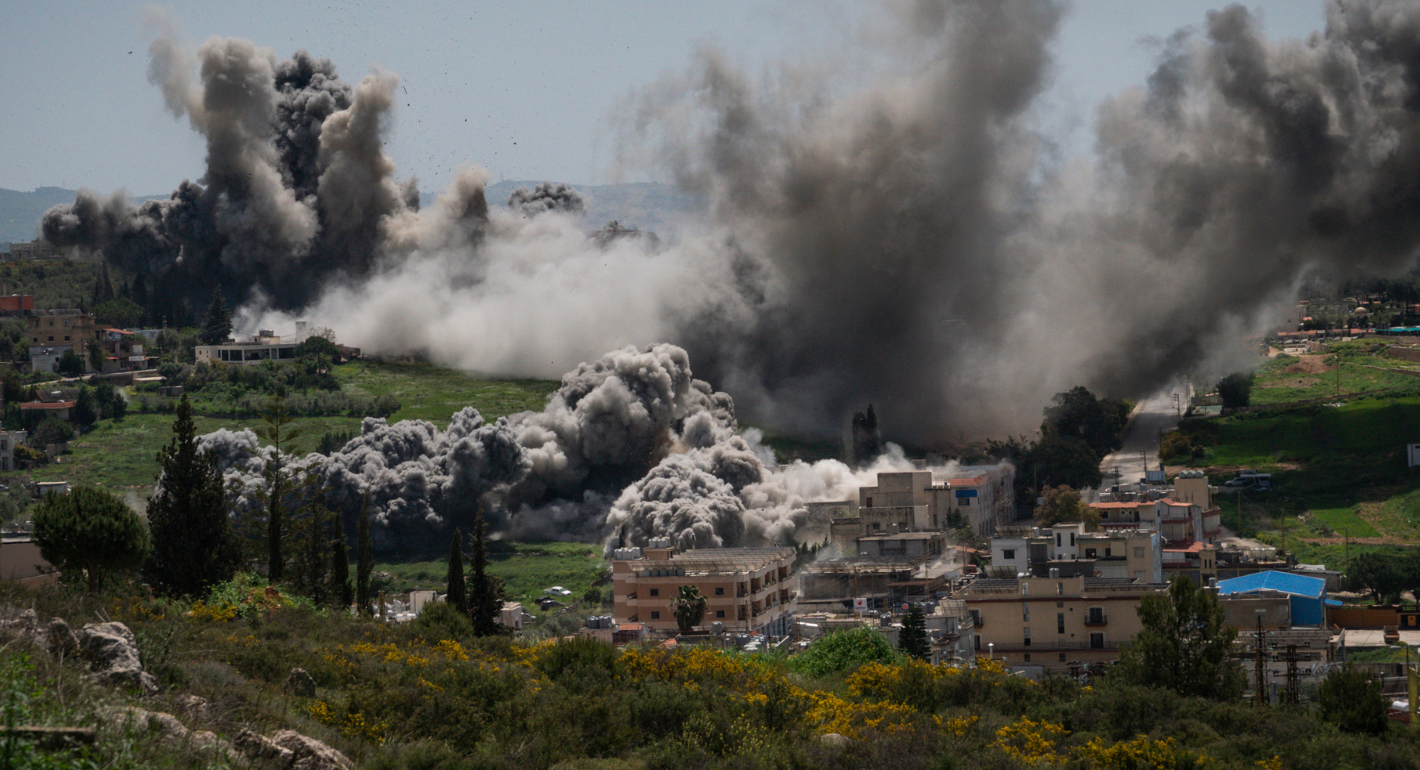
Europe has been standing by while its Southern neighborhood is being redrawn by force. To establish a path to peace between Israel and Lebanon, it’s time for Europeans to get involved with hard power.
Rym Momtaz
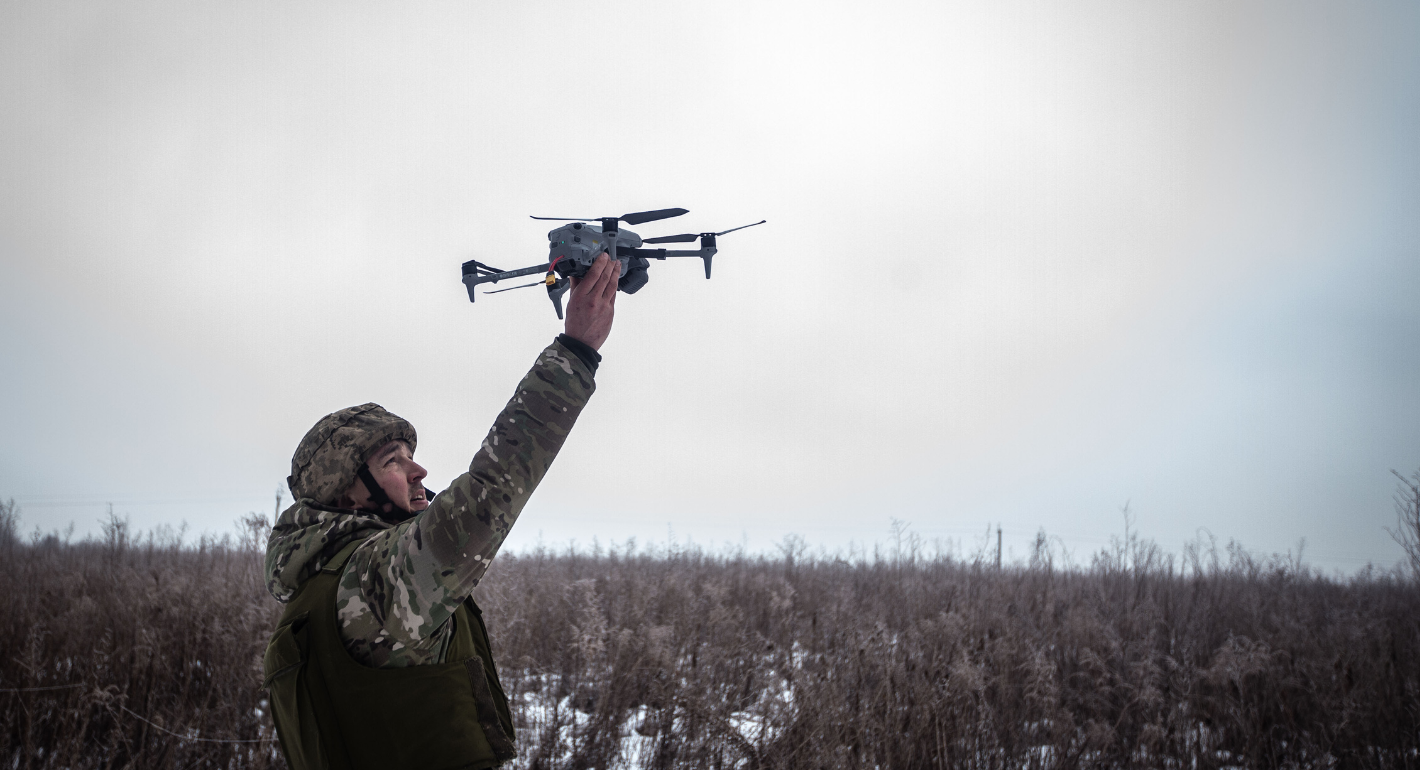
In Ukraine, Gaza, and Iran, AI warfare has come to dominate, with barely any oversight or accountability. Europe must lead the charge on the responsible use of new military technologies.

Raluca Csernatoni
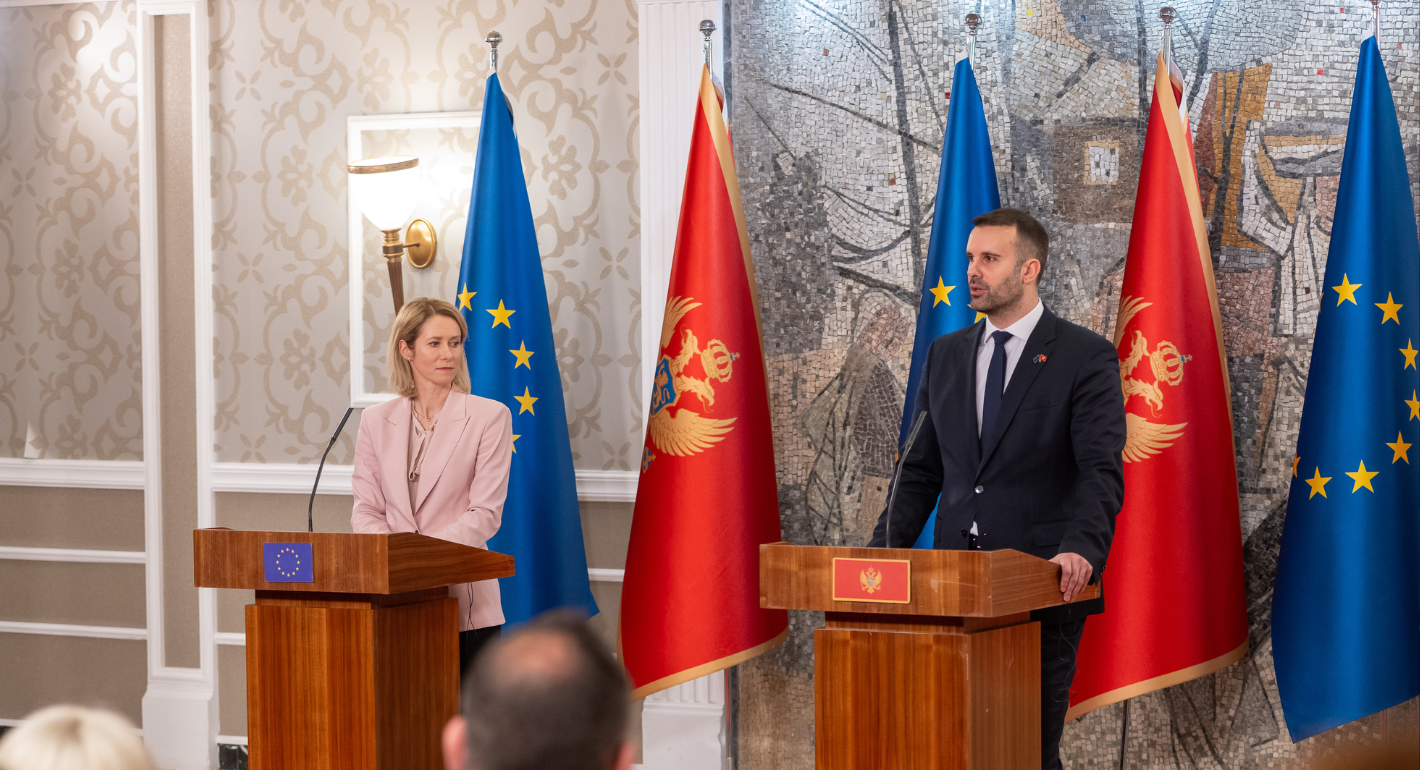
Montenegro and Albania are frontrunners for EU enlargement in the Western Balkans, but they can’t just sit back and wait. To meet their 2030 accession ambitions, they must make a strong positive case.


Dimitar Bechev, Iliriana Gjoni
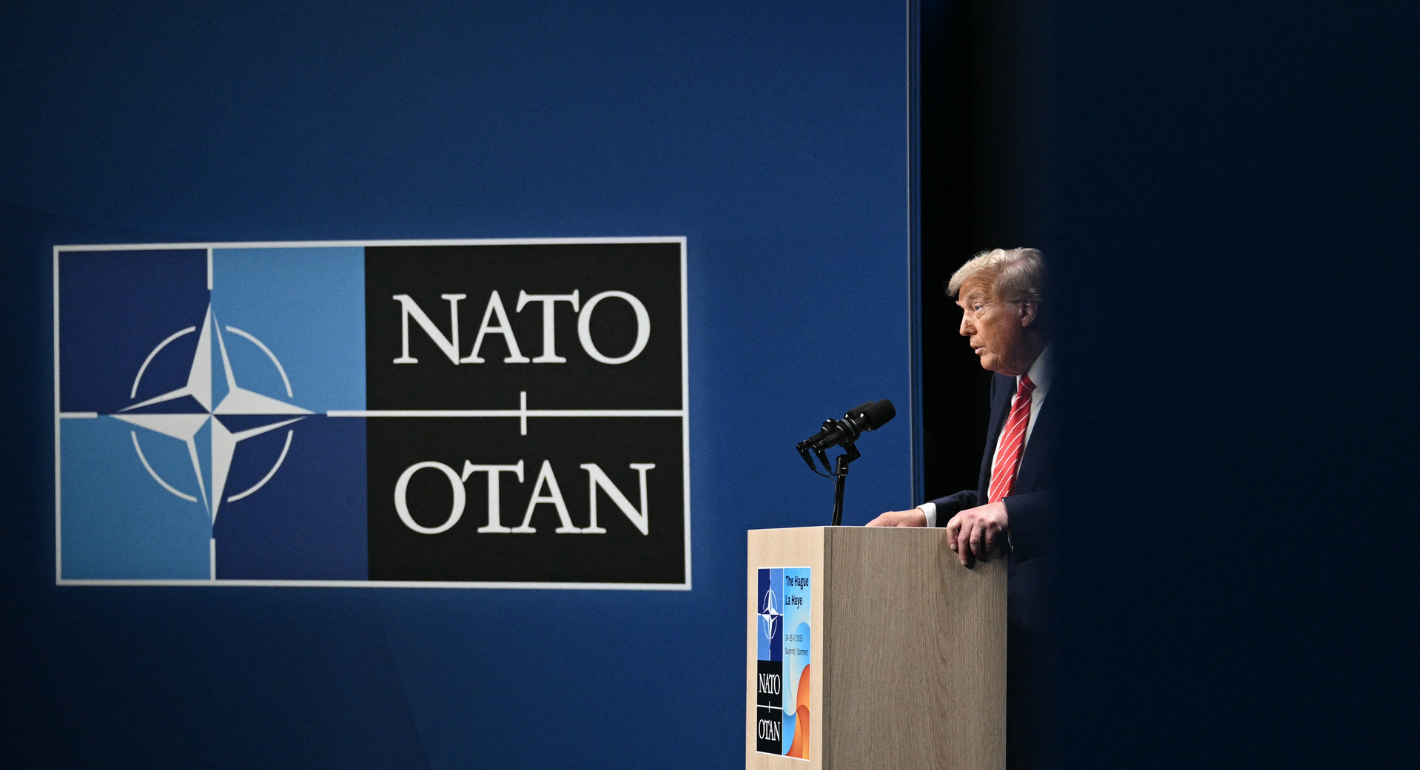
Donald Trump has repeatedly bashed NATO and European allies, threatening to annex Canada and Greenland and deploring their lack of enthusiasm for his war of choice in Iran. Is this latest round of abuse the final straw?
Rym Momtaz, ed.