

Commentary
Maria Lipman
{
  "authors": [
    "Maria Lipman"
  ],
  "type": "legacyinthemedia",
  "centerAffiliationAll": "",
  "centers": [
    "Carnegie Endowment for International Peace",
    "Carnegie Russia Eurasia Center"
  ],
  "collections": [],
  "englishNewsletterAll": "",
  "nonEnglishNewsletterAll": "",
  "primaryCenter": "Carnegie Russia Eurasia Center",
  "programAffiliation": "",
  "programs": [],
  "projects": [],
  "regions": [
    "Caucasus",
    "Russia"
  ],
  "topics": []
}
REQUIRED IMAGE
Source: Washington Post
MOSCOW -- Mikhail Kasyanov, a former Russian prime minister, may be facing criminal prosecution. His name is mentioned in a case that involves "material damage by fraud." Whatever his alleged offense (the allegations concern an unlawful purchase of some formerly state-owned real estate), the case is almost unanimously interpreted by Russian observers as a warning to Kasyanov against further political activism. This view may have something to do with the nine-year sentence recently imposed on oil tycoon Mikhail Khodorkovsky, whom the Kremlin had come to regard as a political rival.
Kasyanov happened to be abroad when the opening of the fraud case was announced. He is scheduled to come back today, yet up until the last moment there was no certainty whether he would.
Several months ago Kasyanov embarked on a rather timid political journey, publicly criticizing Kremlin policies and "not ruling out" a run for president in 2008. Kasyanov posed little danger to the Kremlin elite: He has no following to speak of, is not popular among the people and so far has failed to come up with an alternative vision for Russia.
But the Kremlin, haunted by the specter of "color revolutions" in the former Soviet states and the challenge of the 2007-08 election cycle, is stepping up efforts to cleanse the political scene of any competition -- real or imagined. It recently expanded its control over the media and completed enacting election reforms that will further consolidate a pro-government majority in the Duma and bar any new, independent political forces from national politics. Now it is down to small-time political groups and figures -- regardless of political leaning -- that make feeble attempts to come up with independent political agendas.
Chess champion Gary Kasparov, an outspoken liberal critic of Vladimir Putin's government, recently took a trip around Russia's southern provinces. Since he's barred from government-controlled television, this visit was a way for him to reach out to the grass roots. Kasparov is a lonely warrior, rather than a politician, and there is no reason for the Kremlin to feel threatened by his activity. But as he traveled from one place to another, he was repeatedly, and under the flimsiest pretexts, denied access to public venues where he had intended to meet people.
A youth group calling itself National Bolsheviks and headed by an extravagant novelist named Eduard Limonov was recently outlawed. The group has a modest following but was able to attract public attention by pelting high-ranking officials with eggs and mayonnaise and staging other public actions. Before the ban, two groups of National Bolsheviks were jailed for barging into government buildings and voicing criticism of government social policies. Members of one group were sentenced to five years' imprisonment (later reduced to 2 1/2 to 3 years); members of the other are on trial, and the sentences may be disproportionately harsh. The campaign against the National Bolsheviks is likely to be a warning to other youth groups that might be tempted by the romanticism of direct political action.
Overall, the Russian people, young or old, show little taste for political activism. Unless their immediate material interests are concerned, they don't tend to join protest actions. Political protests or rallies usually bring together a few dozen to a couple of hundred people.
As for economic discontent, it does not present a serious challenge to the Russian government. For one thing, with oil prices around $60 per barrel the Kremlin can afford to increase budgeted expenditures as needed -- this spring an increase of more than $12 billion was enacted.
But even with no serious political movement in sight, the Kremlin seeks to preempt political activism. Not long ago it masterminded its own youth movement. An organization known as Nashi draws on the Kremlin for support and resources. Nashi's leader said in an interview this month that since "everyone knows that the Kremlin supports Nashi," any businessman will readily give the organization money. Indeed, he said that "to turn down our request for financing would be to take an unpatriotic stand."
What Nashi is up to, though, is rather vague. Recently some 3,000 of its activists were brought together at a summer camp (travel, food, entertainment and sports equipment provided) where they worked out and heard lectures by Kremlin propagandists calling upon them to be tough against Russia's enemies. On the other hand, Nashi's proclaimed goal is to become Russia's next generation of "nationally oriented" civil servants and government managers, which should make membership in the new organization a good start for young careerists. It's a rather weird outfit, with undertones of Hitler Youth and the Soviet Komsomol, but it does serve to clarify one important fact: The Kremlin today has huge advantages over the Russian public in political initiative, funds, organizational capacity and other resources.
Putin's elite has reduced all politics to tricks and schemes, and it holds the public in deep contempt. The public responds in kind: In a recent poll 83 percent said that government power in Russia is controlled by a narrow circle of individuals unaccountable to the people. But while the energy of the Kremlin's policymakers is focused on self-preservation, Russia's real-life problems such as destabilization of the Northern Caucasus, the slowdown of economic growth, a deficient infrastructure, decline of the armed forces and weakness of the social sphere continue to be neglected.
Sooner or later any of these problems could lead to a serious crisis, causing the public to break out of its habitual apathy and call the government to account. If this happens, the Kremlin-fed youth will not rescue their minders.
Masha Lipman, editor of the Carnegie Moscow Center's Pro et Contra journal, writes a monthly column for The Post.
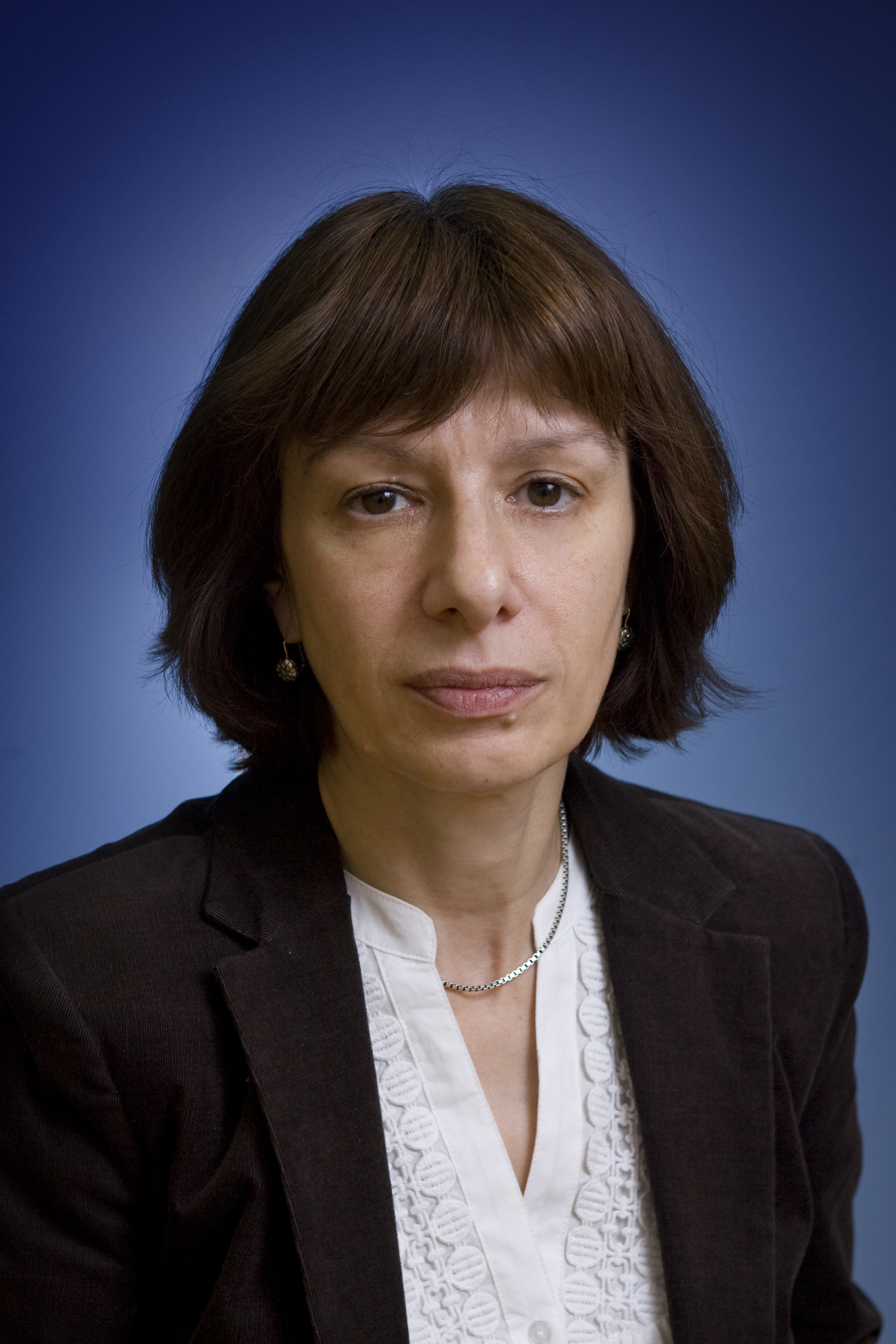
Former Scholar in Residence, Society and Regions Program, Editor in Chief, Pro et Contra, Moscow Center
Lipman was the editor in chief of the Pro et Contra journal, published by the Carnegie Moscow Center. She was also the expert of the Carnegie Moscow Center’s Society and Regions Program.
Recent Work
Maria Lipman
Maria Lipman
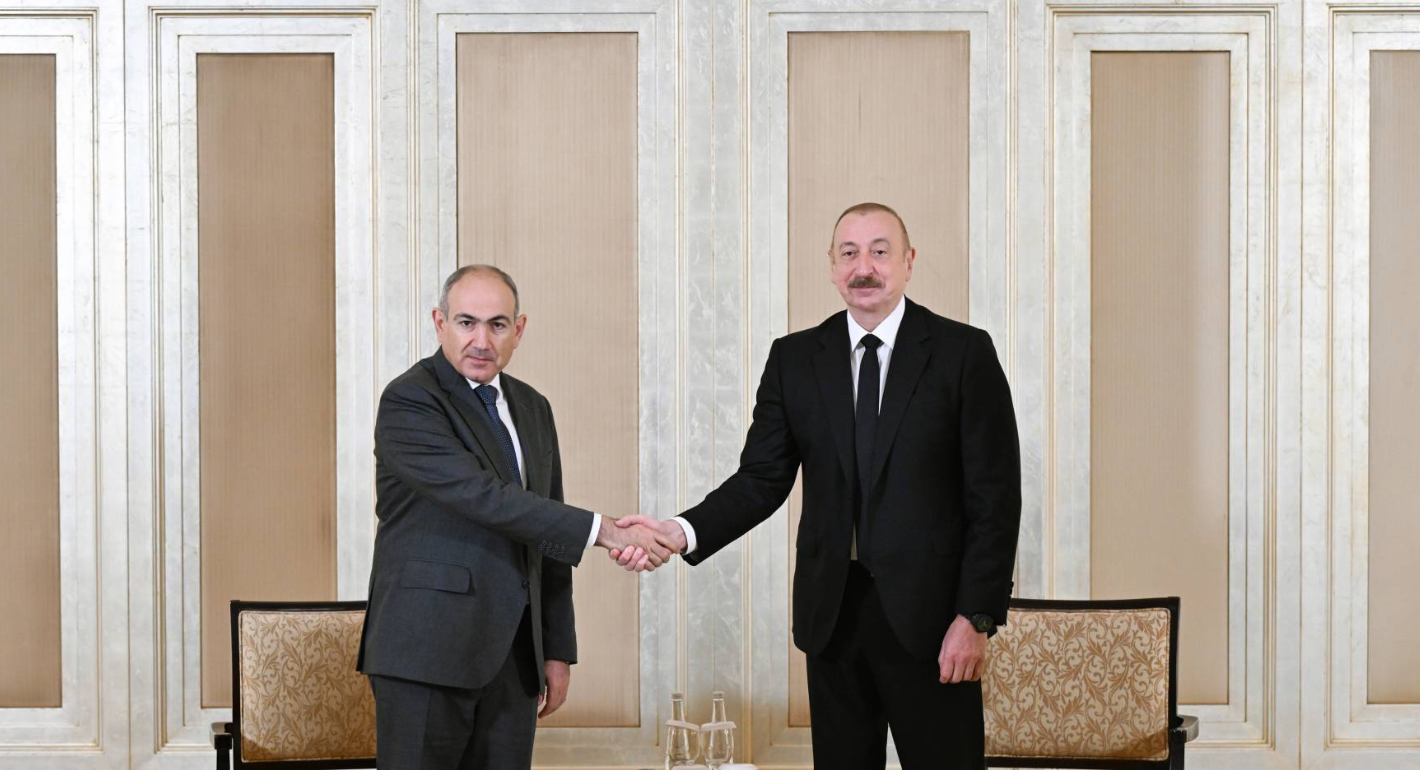
The U.S.-sponsored TRIPP deal is driving the Armenia-Azerbaijan peace process forward. But foreign and domestic hurdles remain before connectivity and economic interdependence can open up the South Caucasus.


Thomas de Waal, Areg Kochinyan, Zaur Shiriyev
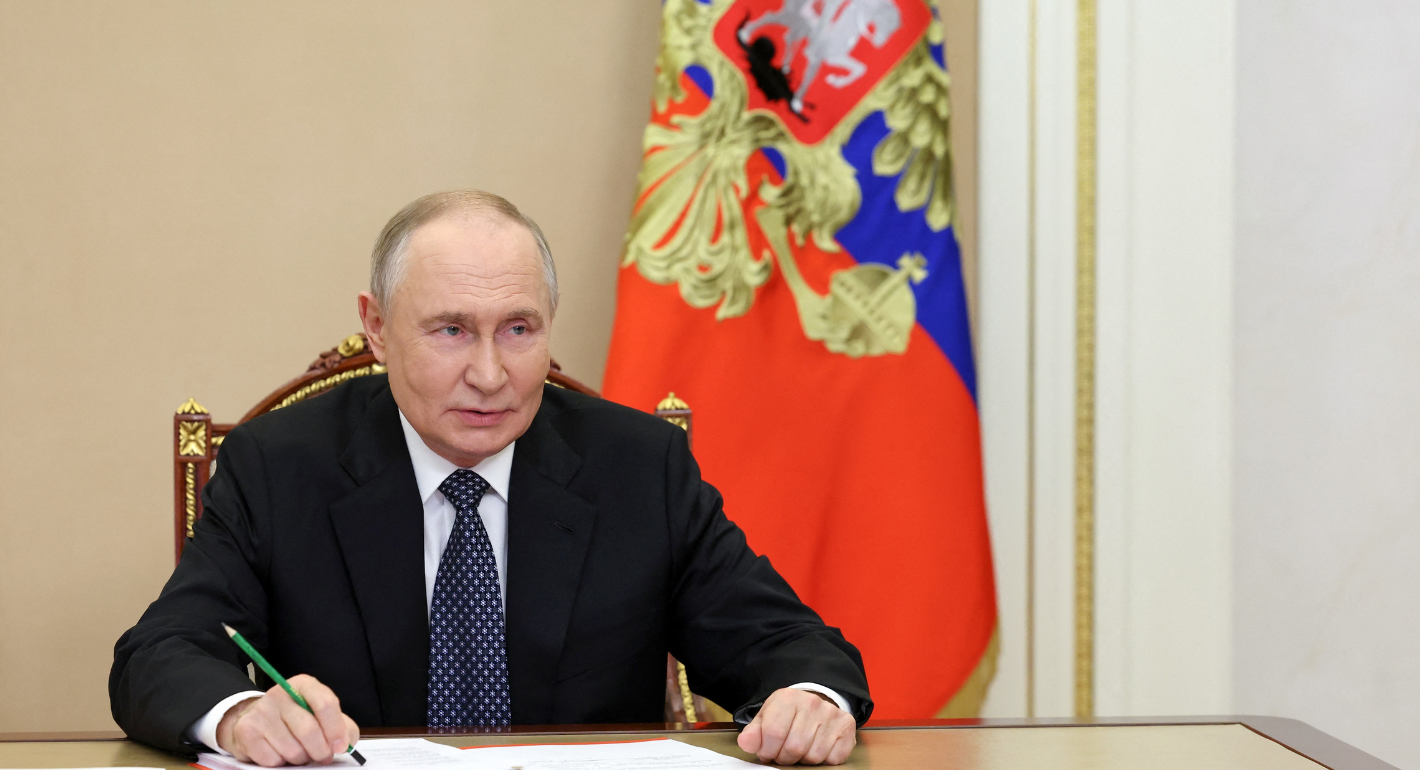
The war in Ukraine is costing Russia its leverage overseas. Across the South Caucasus and Middle East, this presents an opportunity for Europe to pick up the pieces and claim its own sphere of influence.

William Dixon, Maksym Beznosiuk

Amid increased polarization and the influence of disinformation, radical-right parties are once again gaining traction across Europe. With landmark elections on the horizon in several countries, are the EU’s geostrategic vision and fundamental values under existential threat?
Catherine Fieschi, Cas Mudde
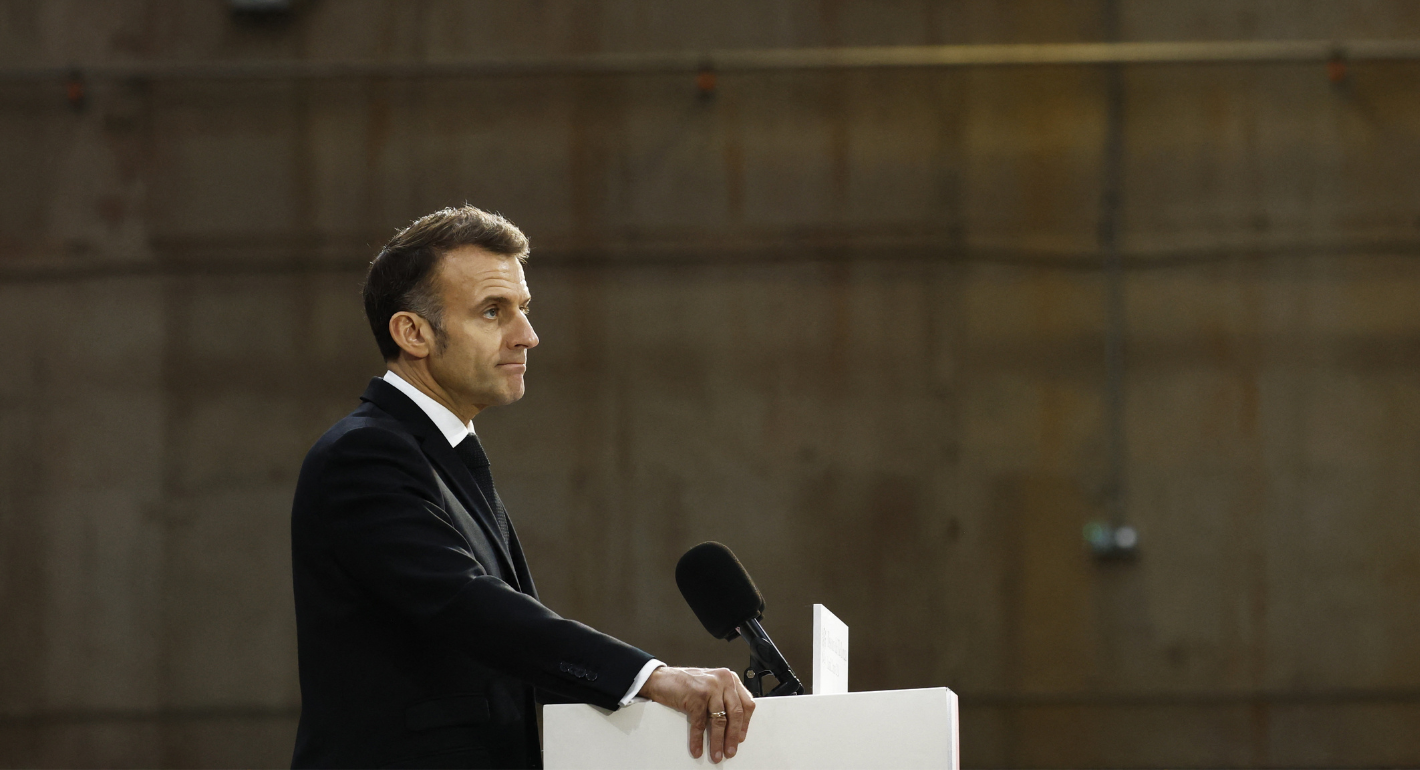
French President Emmanuel Macron has unveiled his country’s new nuclear doctrine. Are the changes he has made enough to reassure France’s European partners in the current geopolitical context?

Rym Momtaz, ed.
The EU lacks leadership and strategic planning in the South Caucasus, while the United States is leading the charge. To secure its geopolitical interests, Brussels must invest in new connectivity for the region.
Zaur Shiriyev