

Commentary
A summer of escalation in the Black Sea has hurt Ukraine economically and is exacerbating world food security. A truce is needed—as is a broader reframing of Europe’s Ukraine strategy.
Thomas de Waal
{
  "authors": [
    "Aleksandr Zaslavsky"
  ],
  "type": "legacyinthemedia",
  "centerAffiliationAll": "dc",
  "centers": [
    "Carnegie Endowment for International Peace"
  ],
  "collections": [],
  "englishNewsletterAll": "ctw",
  "nonEnglishNewsletterAll": "",
  "primaryCenter": "Carnegie Endowment for International Peace",
  "programAffiliation": "russia",
  "programs": [
    "Russia and Eurasia"
  ],
  "projects": [],
  "regions": [
    "Middle East",
    "North Africa",
    "Caucasus"
  ],
  "topics": [
    "Economy",
    "Climate Change"
  ]
}
REQUIRED IMAGE
Among the Russian oil majors, Lukoil is the most ambitious when it comes to plans outside the country. The Middle East is central to its strategy of concentrating 23 percent of its total production outside of Russia by 2015, and these plans in large part focus on Iraq.
Source: Pro et Contra
This article orginally appeared in Russian in "The Power of Oil and Gas" edition of the Pro et Contra journal (Volume 10, Nos. 2-3, 2006), published by the Carnegie Moscow Center.
Among the Russian oil majors, Lukoil is the most ambitious when it comes to plans outside the country. The Middle East is central to its strategy of concentrating 23 percent of its total production outside of Russia by 2015, and these plans in large part focus on Iraq. Unlike Lukoil, with its gigantic resources, Tatneft is developing one of Russia 's oldest fields. With each passing year, the problem of renewing its resources becomes pressing for the company. This drives its aggressive attempts to gain access to fields both in Russia and abroad. Tatneft is the only Russian company that managed to win recent auctions for exploring and drilling Libyan resources.
For the full text, please click on the link above.
Aleksandr Zaslavsky
Carnegie does not take institutional positions on public policy issues; the views represented herein are those of the author(s) and do not necessarily reflect the views of Carnegie, its staff, or its trustees.

A summer of escalation in the Black Sea has hurt Ukraine economically and is exacerbating world food security. A truce is needed—as is a broader reframing of Europe’s Ukraine strategy.

Thomas de Waal
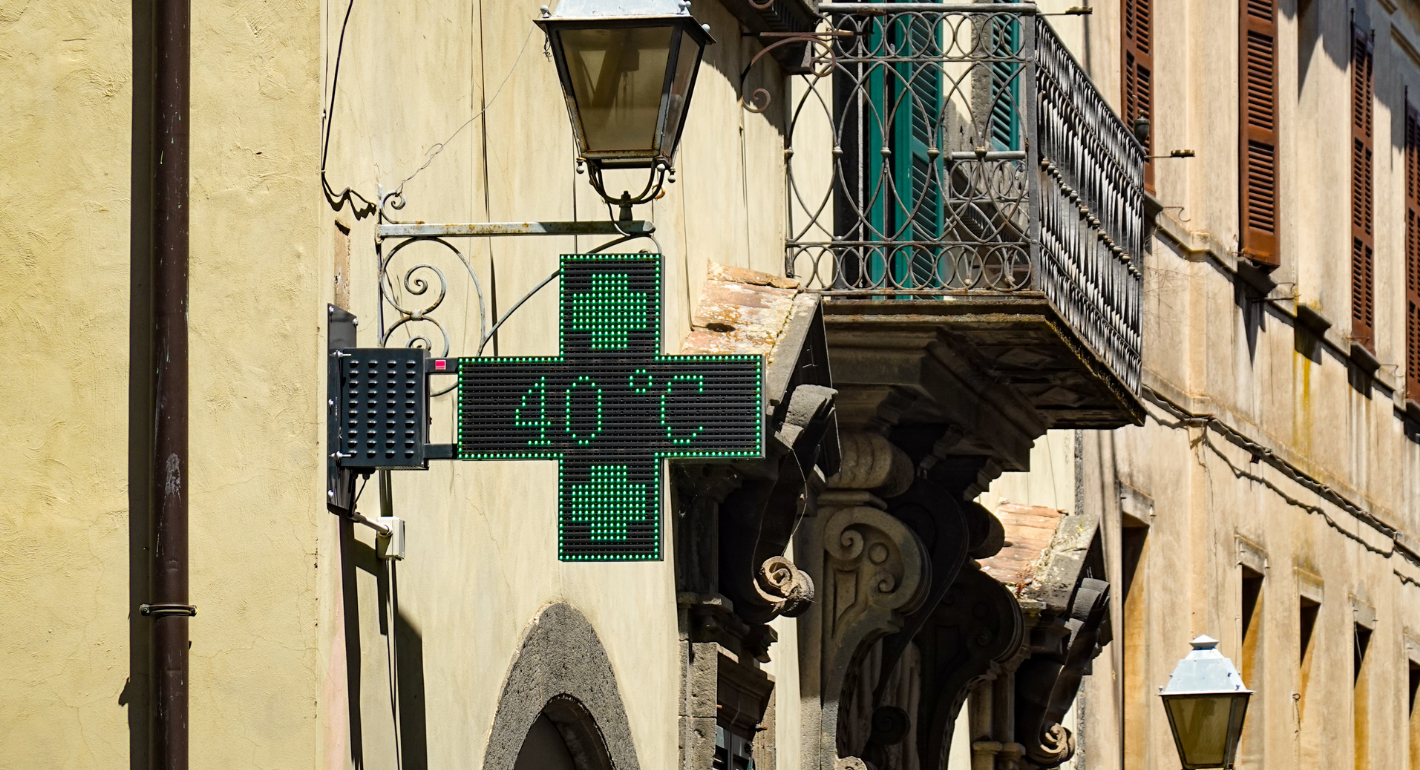
Western Europe’s dual-use infrastructure melted down during its latest heat wave. If a predicted hot weather event can take the continent by surprise, what chance does it have to withstand unexpected geopolitical crises?

Rym Momtaz
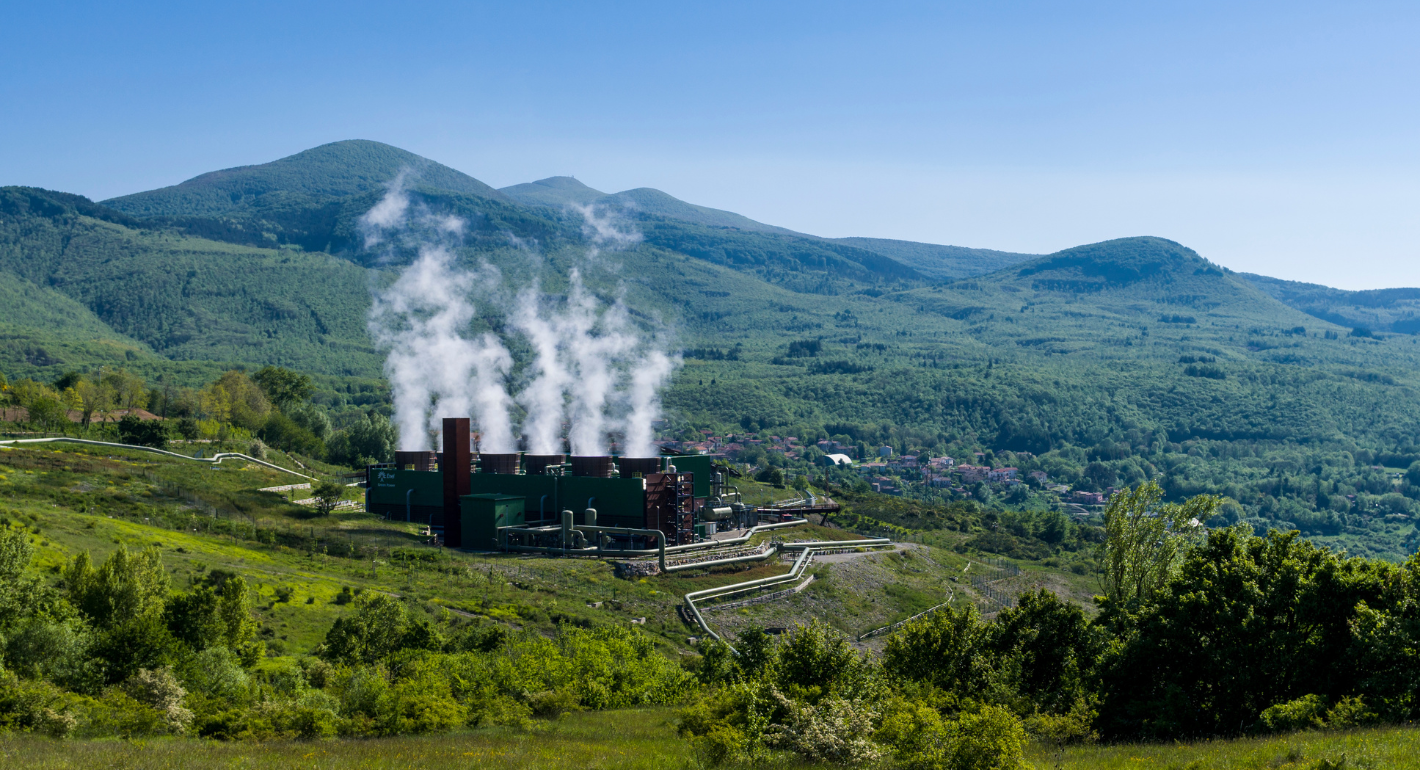
Europe’s industrial supply chains leave it vulnerable to global shocks. The EU needs a pragmatic green industrial strategy that balances durable partnerships and bolsters homegrown clean tech without sacrificing low-carbon ambition.


Milo McBride, Pauline Gerard

As geopolitical rivalry weaponizes global supply chains, the EU’s true vulnerability lies in emerging-risk imports. For these goods, suppliers are growing more concentrated, substitution more difficult, and political risk is looming.

Sinan Ülgen
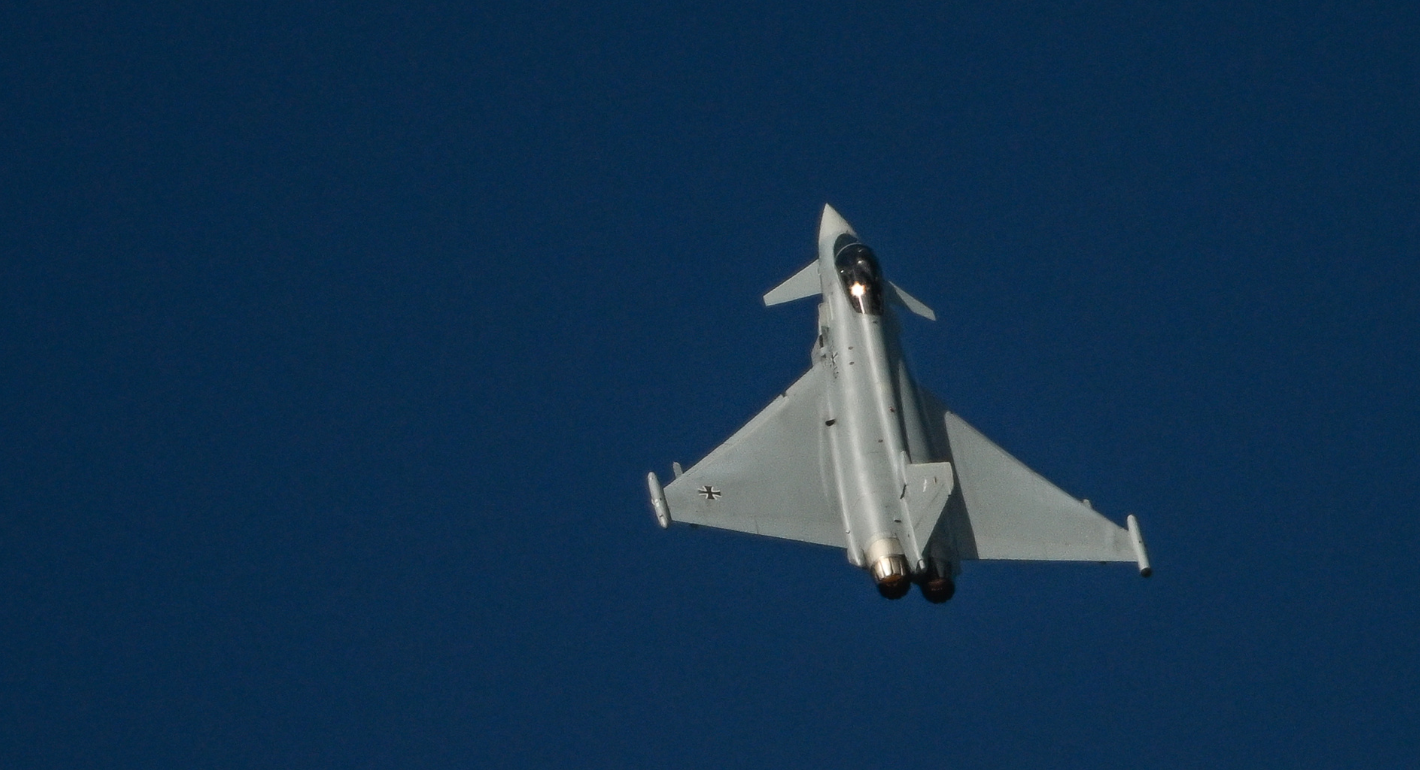
The EU is putting together a new security strategy to meet today’s myriad challenges. But for any proposal to be effective, the union needs to grapple with its identity and ambitions.

Pierre Vimont