

In The Media
Josh Kurlantzick
{
  "authors": [
    "Josh Kurlantzick"
  ],
  "type": "legacyinthemedia",
  "centerAffiliationAll": "dc",
  "centers": [
    "Carnegie Endowment for International Peace"
  ],
  "collections": [],
  "englishNewsletterAll": "asia",
  "nonEnglishNewsletterAll": "",
  "primaryCenter": "Carnegie Endowment for International Peace",
  "programAffiliation": "AP",
  "programs": [
    "Asia"
  ],
  "projects": [],
  "regions": [
    "China",
    "Central Asia"
  ],
  "topics": [
    "Military",
    "Foreign Policy"
  ]
}
Source: Getty
Hu Jintao’s recent visit to Australia was in stark contrast to President Bush’s visit, just a few days earlier. Where Bush was greeted with protests in a country which has been a staunch U.S. ally, Hu toured Australia like a hero. Josh Kurlantzick explains the difference in an article in Commentary.
Source: Commentary

But on his visit three years ago, the President was in for an unpleasant surprise. Thousands of protesters filled the streets in Sydney and Canberra, scuffling with police and staging mock trials of the American president. Inside the Australian parliament, Bush's remarks were interrupted by heckling senators, who had to be escorted from the chamber. His speech done, he was met outside by another chorus of booing critics.
The tumult surrounding Bush's visit was especially notable because, just days later, Australia would offer a vastly different welcome to another president--Hu Jintao of China. Hu toured Australia like a hero. Few protested China's human-rights record. In parliament, no one disturbed his windy paean to the future of Australia-China ties. Foreign Minister Alexander Downer spoke words of fulsome praise. Before Hu left, the two nations had signed a framework for a future free-trade deal.
This article was originally published in Commentary, October 2006. To see the full article, please click here.

Former Visiting Scholar, China Program
A special correspondent for The New Republic, a columnist for Time, and a senior correspondent for The American Prospect, Kurlantzick assesses China’s relationship with the developing world, including Southeast Asia, Africa, and Latin America.
Recent Work
Josh Kurlantzick
Carnegie does not take institutional positions on public policy issues; the views represented herein are those of the author(s) and do not necessarily reflect the views of Carnegie, its staff, or its trustees.
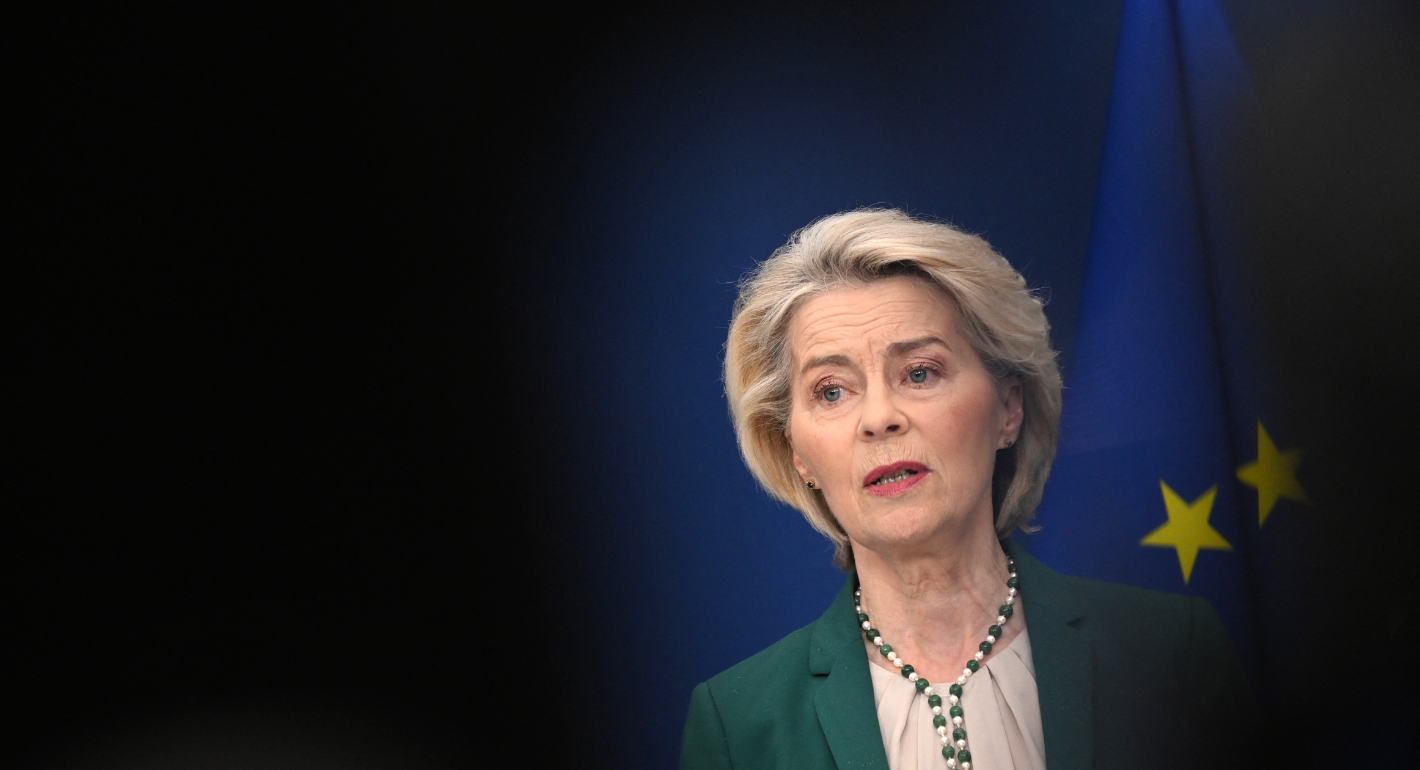
Following Ursula von der Leyen’s gaffe equating Turkey to Russia and China, relations with Ankara risk deteriorating even further. Without better, more consistent diplomatic messaging, how can the EU pretend to be a geopolitical power?

Sinan Ülgen
Closer EU-UK ties could help address urgent European concerns. But is the EU ready for rapprochement with the United Kingdom?

Rym Momtaz, ed.
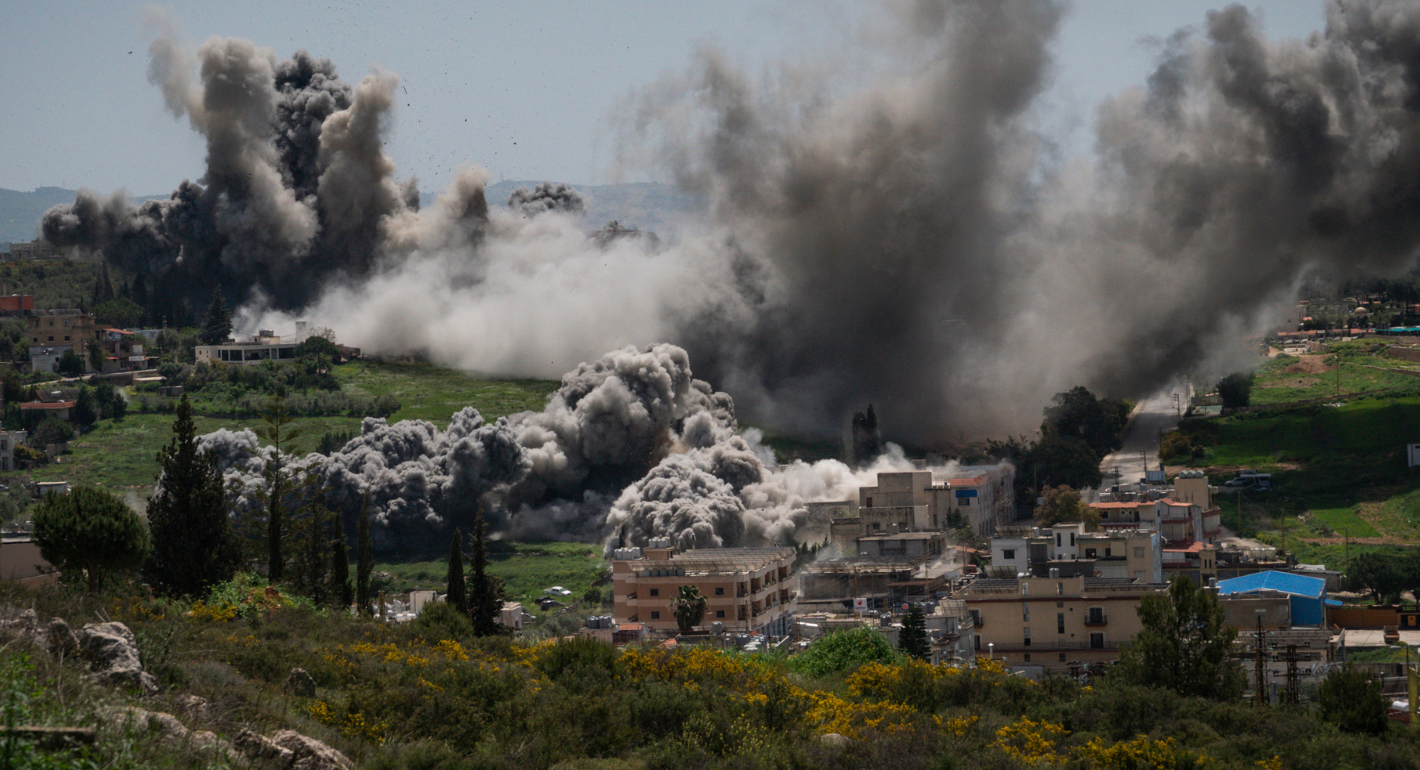
Europe has been standing by while its Southern neighborhood is being redrawn by force. To establish a path to peace between Israel and Lebanon, it’s time for Europeans to get involved with hard power.
Rym Momtaz
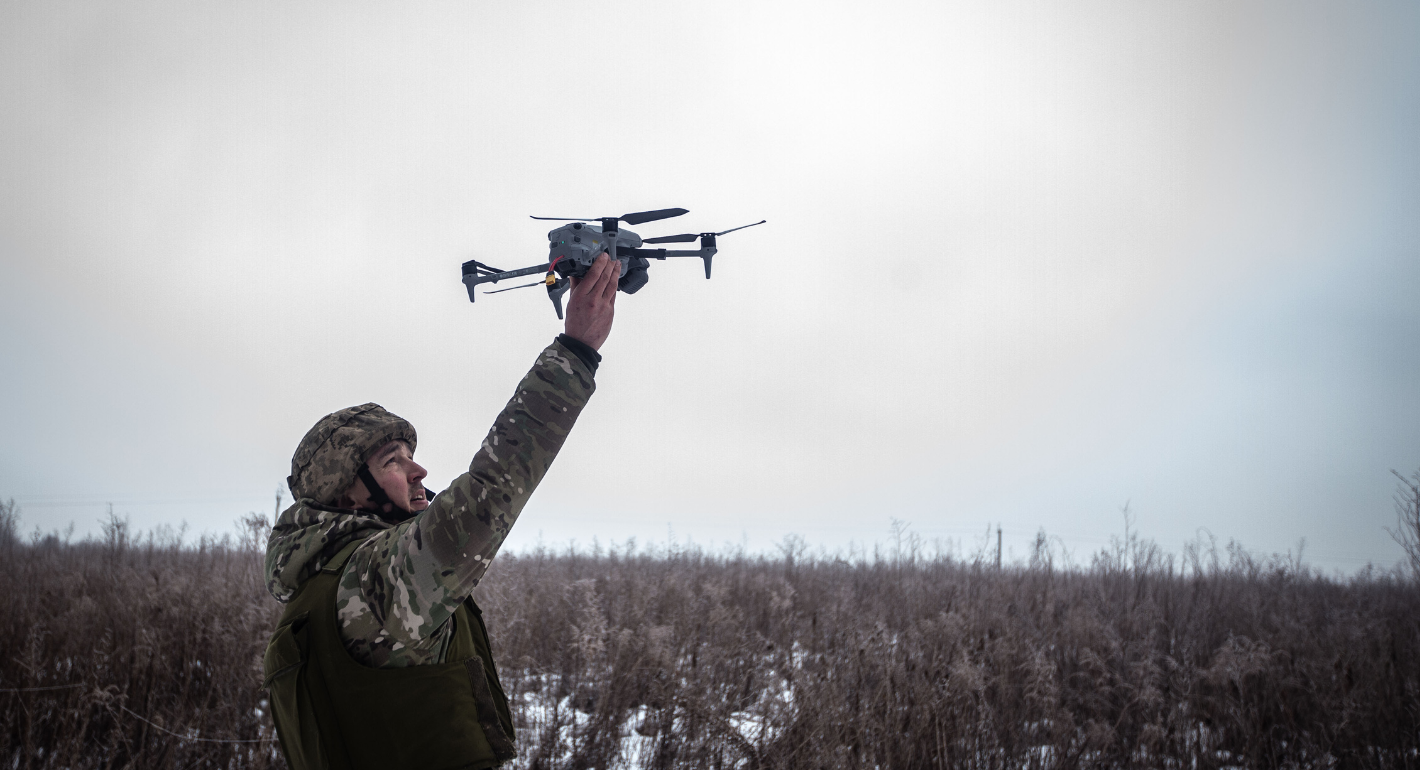
In Ukraine, Gaza, and Iran, AI warfare has come to dominate, with barely any oversight or accountability. Europe must lead the charge on the responsible use of new military technologies.

Raluca Csernatoni
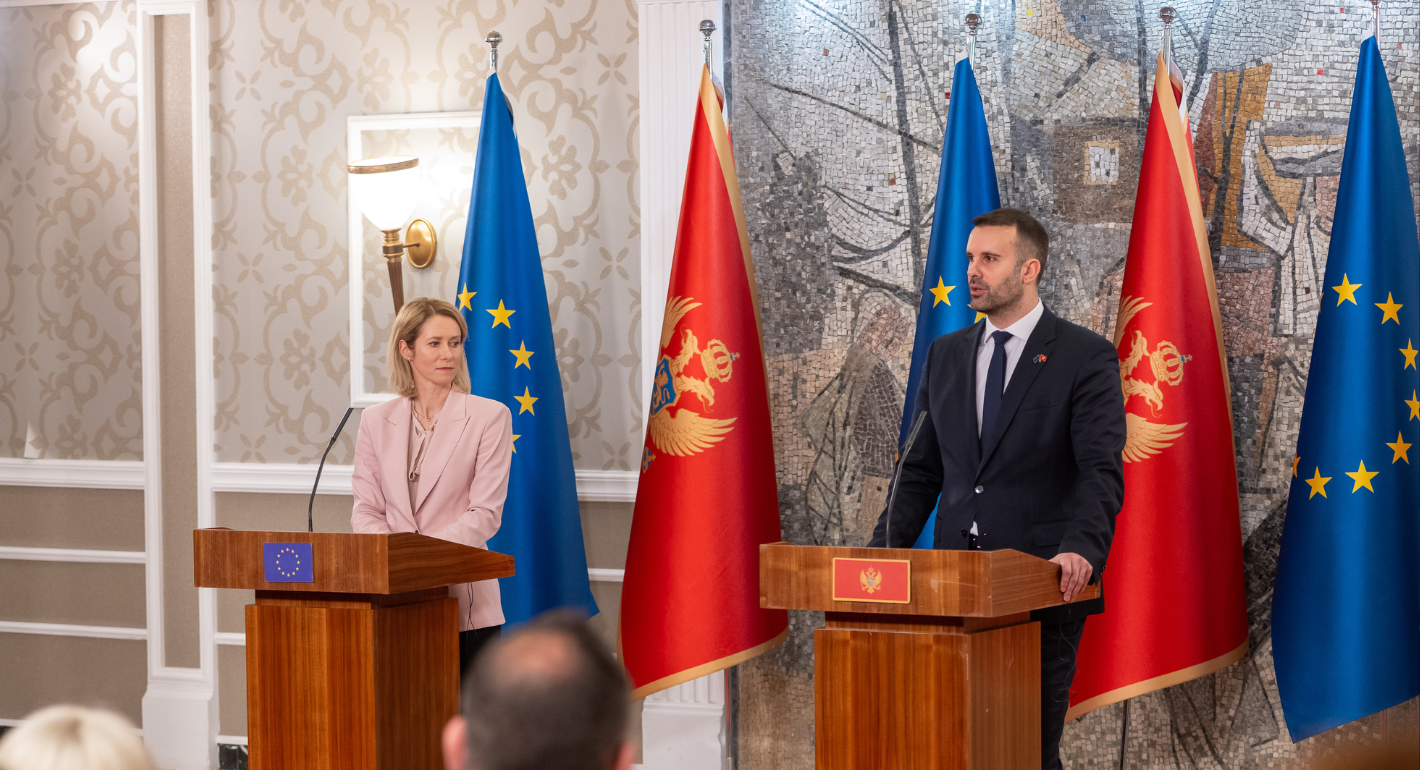
Montenegro and Albania are frontrunners for EU enlargement in the Western Balkans, but they can’t just sit back and wait. To meet their 2030 accession ambitions, they must make a strong positive case.


Dimitar Bechev, Iliriana Gjoni