

Q&A
- +1
Amr Hamzawy, Andrew Leber, Eric Lob, …
{
  "authors": [
    "Amr Hamzawy"
  ],
  "type": "legacyinthemedia",
  "centerAffiliationAll": "dc",
  "centers": [
    "Carnegie Endowment for International Peace"
  ],
  "collections": [],
  "englishNewsletterAll": "democracy",
  "nonEnglishNewsletterAll": "",
  "primaryCenter": "Carnegie Endowment for International Peace",
  "programAffiliation": "DCG",
  "programs": [
    "Democracy, Conflict, and Governance",
    "Middle East"
  ],
  "projects": [],
  "regions": [
    "Middle East",
    "Egypt",
    "Iraq"
  ],
  "topics": [
    "Political Reform",
    "Democracy",
    "Foreign Policy"
  ]
}
Source: Getty
Source: Al Ahram Weekly

I admit that the events of this bloody Wednesday, despite my analytical conviction of their ordinariness and my ability to explain them by returning to their various causes, shook my psyche with their violence that had been absent in the other escalating events taking place over the last few months. They did so in a manner that drove me to reconsider the issue now commanding my research efforts, this being the possibilities of democratic transformation in Arab societies. Without omissions, beautification, or reformulating my initial emotional response, what follows are the impressions I had.
Firstly, discussions of democracy and democratic transformation take place against a backdrop dominated by an extreme culture of violence and the complete absence of value for the individual-citizen-human being, and are thus air bubbles devoid of content. Democracy is essentially a methodology of measures for the peaceful management of differences that allow a pluralism of proposals and actors as well as the rotation of power within the framework of the law and popular participation. Yet management of differences is non-existent in Iraq, Palestine and Lebanon except via expulsion or assassination. This is the case when differences go too far or threaten to overstep the red lines of state mechanisms of oppression (security and intelligence) as well as those that do not belong to their state (parties, factions, brigades, fronts, organisations, and other such groups whose names have polluted the dictionary of political action in the East). While the numerous sources of oppression in Iraq, Palestine and Lebanon are connected to the complete collapse of the state's ability to monopolise the legitimate use of violence, authoritarian states in other Arab cases perform the mission with competence and a functional complexity that varies in levels ranging from killing, imprisonment, detainment and torture to pursuit, outlawing and the issue of threats. Likewise, the executing agencies in these states range from official ones to informal networks.
Secondly, the basic principle behind democratic transformation in modern societies is the development of a strategic conviction (implying relative stability over the mid to long term) among the ruling elite, the alternative elite and opposition movements that it is possible to peacefully formulate congruence between them in a manner that also guarantees their vital interests. This approach creates common denominators that allow the principles of responsibility and accountability to be implemented through an independent judicial system and the participation of individuals in their capacity as citizens in defining the public interest through mechanisms such as elections for legislative bodies and the popular monitoring of civil society organisations. In contrast, in the Arab context the spread of an extremist culture indicates the centrality of imminent danger when the ruling and alternative elites and powers confront each other. This results in radical actions and a constant striving for political spaces that are forcefully seized and monopolised.
Thirdly, these kinds of visions and practices can only result in the total militarisation of society and politics, and this fundamentally contradicts the concept of democracy. It increases the futility of us discussing, as interested Arabs, the possibility of a transformation to democracy. The security-intelligence agencies in all stable Arab countries, whether they are republics or kingdoms, have grown in size until they have commanded executive authorities that have either removed or encroached upon the independence of legislative and judicial authorities, thus monopolising political and social activity. In cases of failed states (Iraq and Lebanon) or non-existent states (Palestine) militarisation stretches from political powers to the primary sectarian and front-based elements of society. Militarisation seeps into them such that they form statelets within the state, spreading like cancer cells to either finish them off or prevent them from seeking new foundational beginnings. With what credibility, then, can we call out to every citizen at a time when the current Arab situation can be shaken either through the symbolism of stating that there is a weapon in the face of every citizen who crosses my red lines or that there is a weapon for every citizen through which my red lines are reinforced? Citizenship has been emptied of its true meaning and it has become impossible to talk to the ruling authoritarian elite and the religious and sectarian bodies who strip individuals of their humanity and rights as they like. What voice are we seeking?
Fourthly, our societies are in a true crisis. They helplessly oscillate between positions of wavering and absolute decisiveness lacking legitimacy (meaning popular acceptance) with regard to major questions about the relationship between the individual, group, and the state, the role of religion in politics, the limits of a civil orientation for politics, and, fundamentally, the system for balancing majorities and minorities. Here, the dominance of an extreme culture of violence and the consequent lack of mechanisms for a peaceful construction of harmony is at once a cause for incapacity and an entrenched result of it. In contrast, and on one of its primary levels, the genius of the idea of democracy as a system for managing society and politics lies in preventing incapacity or stagnation from becoming permanent though the constant search by different actors for common denominators, new forms of congruence, and appropriate mechanisms that translate successfully into legal measures, institutional practices and public policies that guarantee a dynamic way of dealing with the challenges of the moment.
This time my mind refuses to search for analytical exits or essential formulations that can bring back hope, no matter how limited.

Director, Middle East Program
Amr Hamzawy is a senior fellow and the director of the Carnegie Middle East Program. His research and writings focus on Egypt’s and other middle powers’ involvement in regional security in the Middle East, particularly through collective diplomacy and multilateral conflict resolution
Recent Work


Amr Hamzawy, Andrew Leber, Eric Lob, …

Sarah Yerkes, Amr Hamzawy
Carnegie does not take institutional positions on public policy issues; the views represented herein are those of the author(s) and do not necessarily reflect the views of Carnegie, its staff, or its trustees.
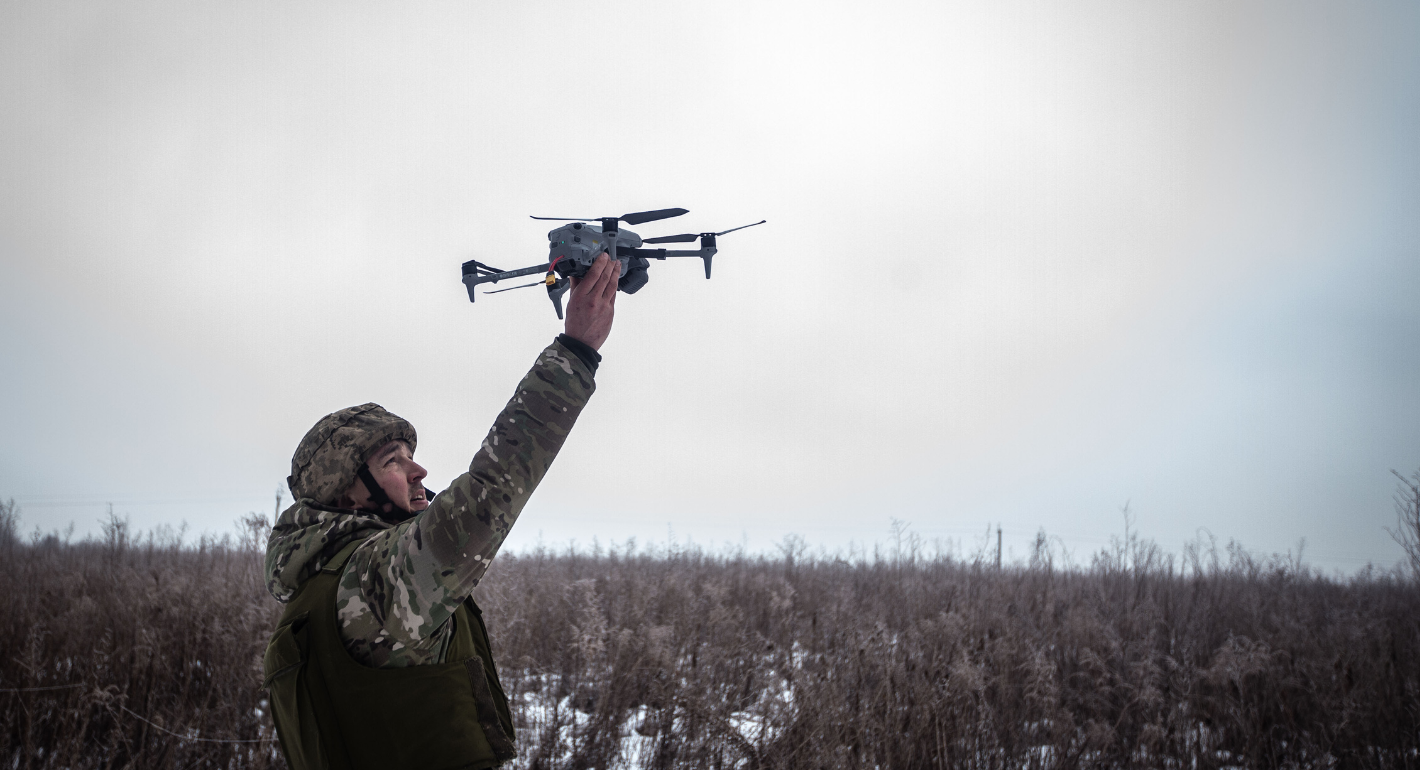
In Ukraine, Gaza, and Iran, AI warfare has come to dominate, with barely any oversight or accountability. Europe must lead the charge on the responsible use of new military technologies.

Raluca Csernatoni

Montenegro and Albania are frontrunners for EU enlargement in the Western Balkans, but they can’t just sit back and wait. To meet their 2030 accession ambitions, they must make a strong positive case.


Dimitar Bechev, Iliriana Gjoni
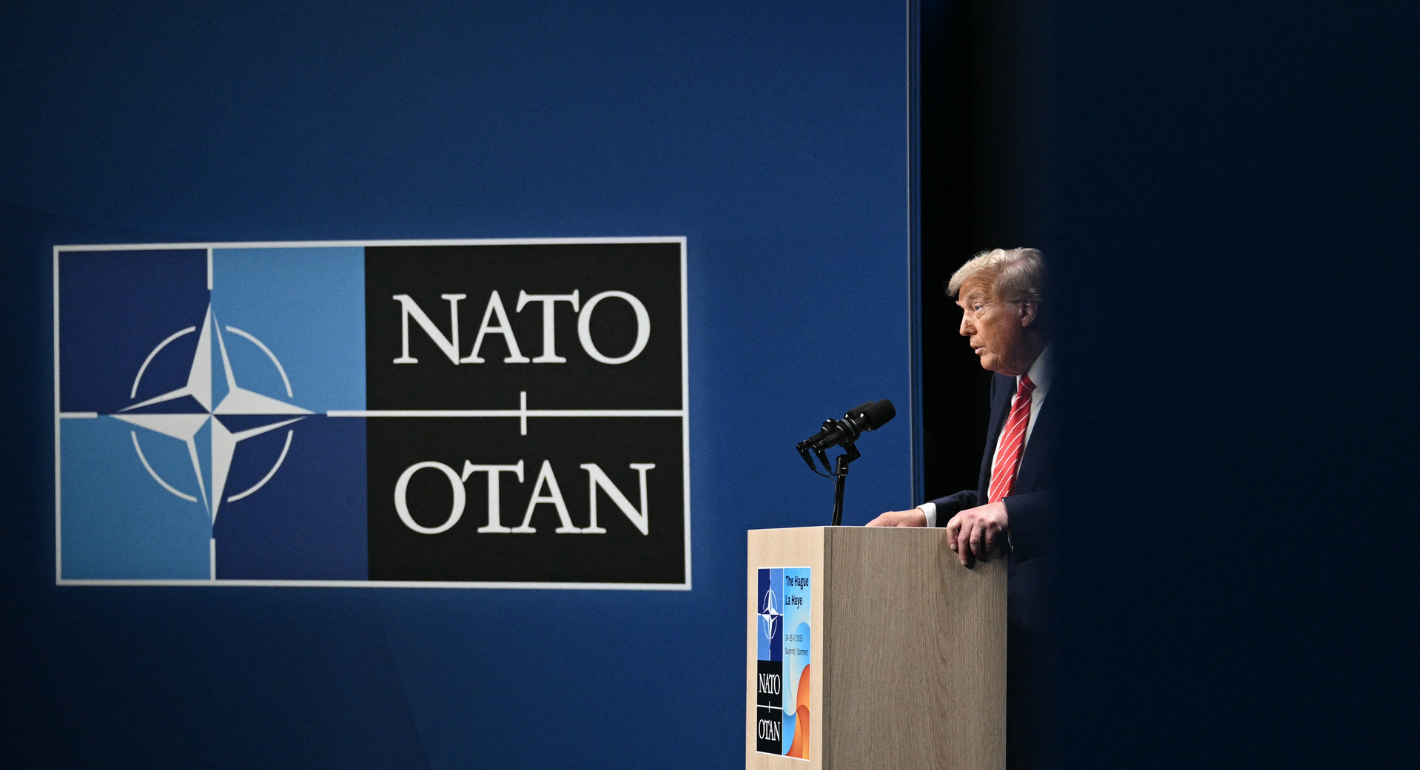
Donald Trump has repeatedly bashed NATO and European allies, threatening to annex Canada and Greenland and deploring their lack of enthusiasm for his war of choice in Iran. Is this latest round of abuse the final straw?

Rym Momtaz, ed.
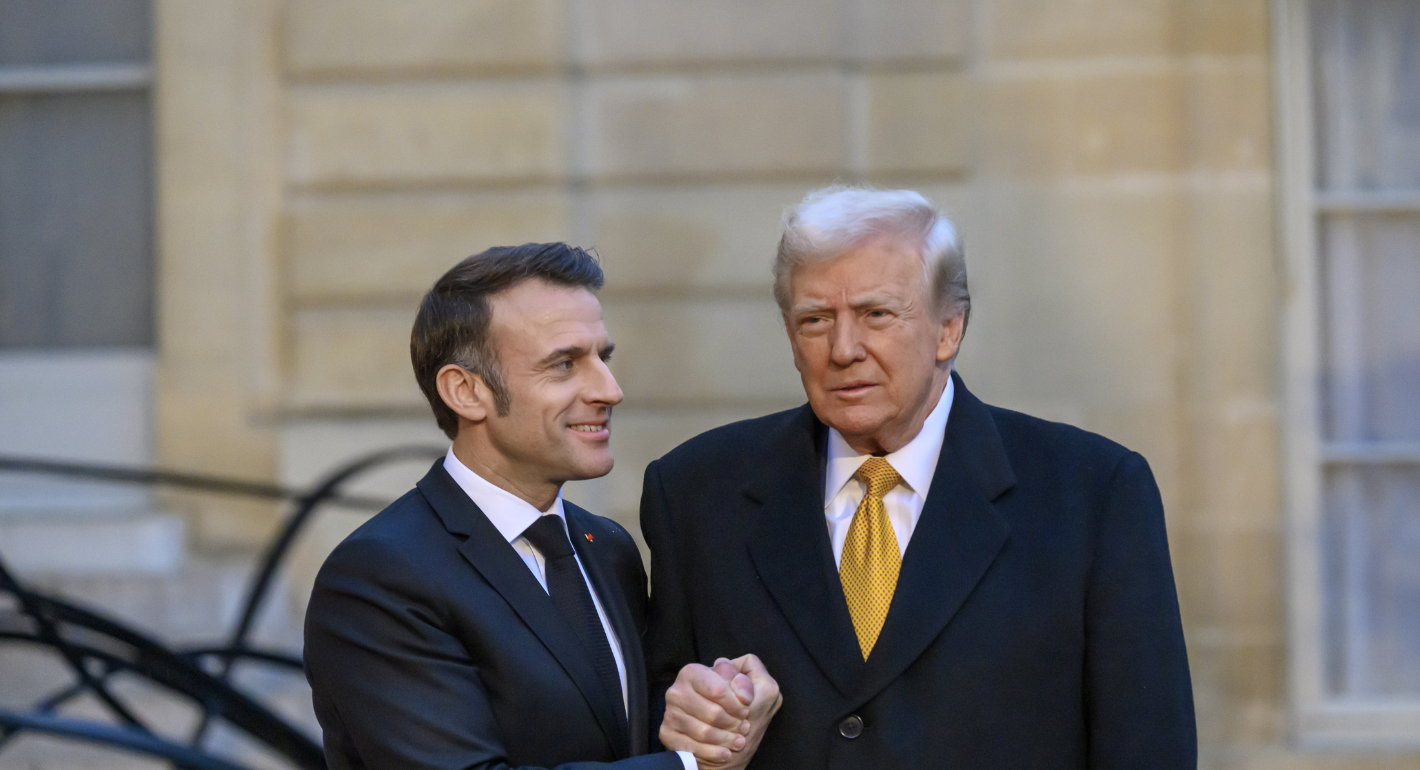
Donald Trump’s repudiation of NATO goes against the Make America Great Again vision of a U.S.-centered foreign policy. If the goal is to preserve the alliance by boosting Europe’s commitments, leaning into France’s vision is the most America First way forward.
Rym Momtaz
The wars in Ukraine and the Middle East are existential threats to Europe as a peace project. Leaders and citizens alike must reaffirm their solidarity to face up to today’s multifaceted challenges.

Marc Pierini