

Commentary
The European Commissioner for Trade is headed to China. But after President Xi’s bridge-building visit to Washington, can a more isolated EU overcome Beijing’s stranglehold on critical raw materials? Who will blink first?
Rym Momtaz, ed.
{
  "authors": [],
  "type": "pressRelease",
  "centerAffiliationAll": "",
  "centers": [
    "Carnegie Endowment for International Peace"
  ],
  "collections": [],
  "englishNewsletterAll": "",
  "nonEnglishNewsletterAll": "",
  "primaryCenter": "Carnegie Endowment for International Peace",
  "programAffiliation": "",
  "programs": [],
  "projects": [],
  "regions": [
    "North America",
    "South America"
  ],
  "topics": [
    "Economy",
    "Trade"
  ]
}
REQUIRED IMAGE
The Carnegie Endowment for International Peace announced January 17, 2008 that leading poverty and development expert Eduardo Zepeda has joined its Trade, Equity, and Development Program as a senior associate.
WASHINGTON, Jan 17—The Carnegie Endowment for International Peace announced today that leading poverty and development expert Eduardo Zepeda has joined its Trade, Equity, and Development Program as a senior associate.
Zepeda, an expert on the economies of Brazil, Kenya, and Mexico, will focus his work at the Endowment on global trade negotiations and their implications for developing regions and countries. In particular, his research will address policies of poverty eradication, such as boosting employment and promoting other income-generating activities.
Zepeda comes to Carnegie from the United Nations Development Program (UNDP), where he will continue to serve as a policy advisor to the Bureau for Development Policy’s Poverty Group. He has served in the Office of the President in Mexico as the economic and social policy coordinator in the Unit of Analysis, and was a fellow at the Center for U.S.-Mexican Studies at the University of California, San Diego.
Sandra Polaski, director of the Trade, Equity, and Development Program, welcoming the Program’s new addition, said:
“The Trade, Equity, and Development Program is very pleased to welcome Eduardo. His research will enable Carnegie to look at the links between trade policies and other policies that could improve the impact of globalization for households and workers, especially in developing and poor countries. By exploring these relationships more deeply, we expect to be able to offer broader packages of substantive policy solutions to governments and publics.”
Zepeda said:
“I am very excited to be joining the Carnegie Endowment at a time when their NEW VISION is truly engendering cooperation and collaboration at all levels—between individuals, between organizations, between countries. I embrace the opportunity to stimulate the dialogue on critical issues of poverty and economic development.”
###

Carnegie does not take institutional positions on public policy issues; the views represented herein are those of the author(s) and do not necessarily reflect the views of Carnegie, its staff, or its trustees.

The European Commissioner for Trade is headed to China. But after President Xi’s bridge-building visit to Washington, can a more isolated EU overcome Beijing’s stranglehold on critical raw materials? Who will blink first?

Rym Momtaz, ed.

The domestic impacts of how long it is taking to end the war in Ukraine have pushed the French electorate to the political extremes and compromised the country’s diplomatic capacity.
Rym Momtaz

A summer of escalation in the Black Sea has hurt Ukraine economically and is exacerbating world food security. A truce is needed—as is a broader reframing of Europe’s Ukraine strategy.

Thomas de Waal

Canadian Prime Minister Mark Carney has twice inspired praise for standing up to U.S. President Donald Trump: at the 2026 World Economic Forum in Davos and on Canada-U.S. trade negotiations. Is Carney showing a third way better than the EU has in dealing with the Trump administration?
Rym Momtaz, ed.
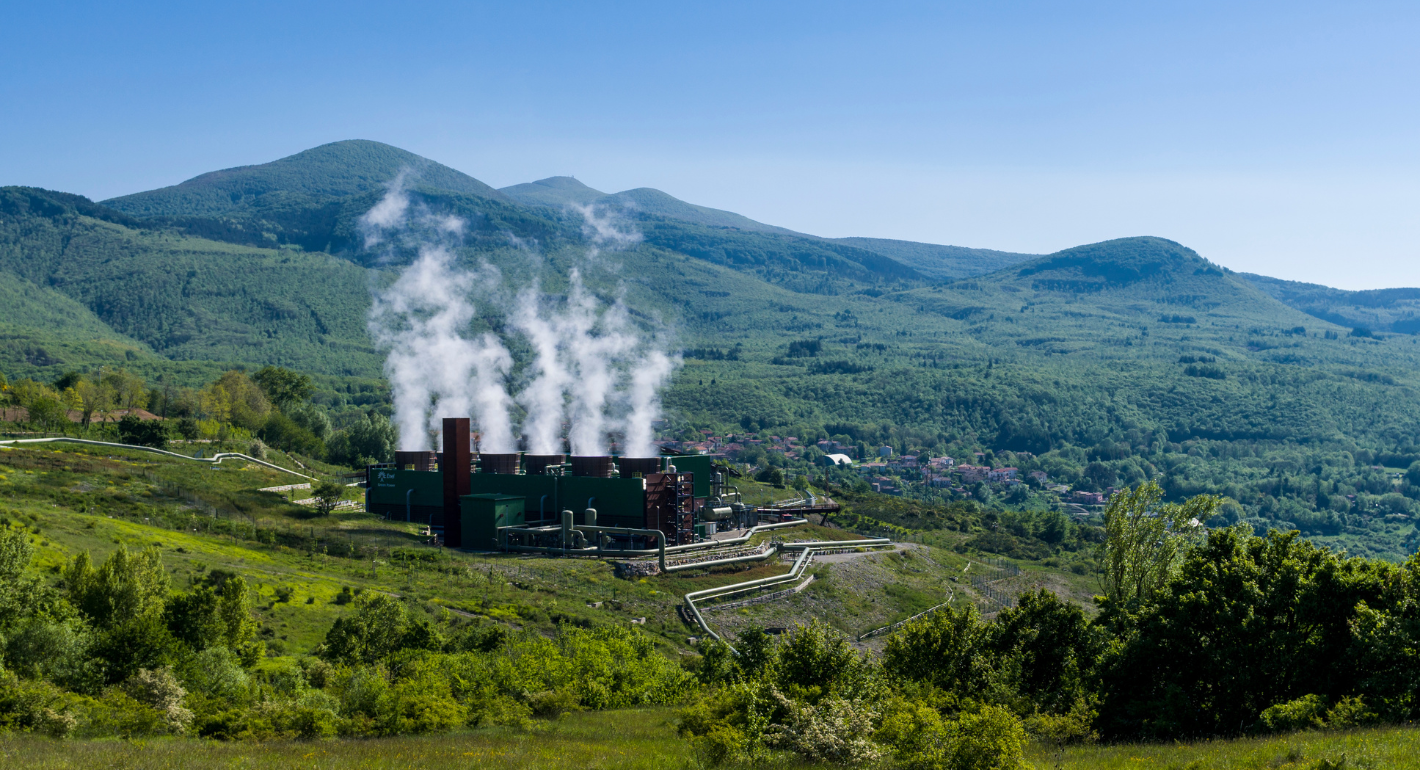
Europe’s industrial supply chains leave it vulnerable to global shocks. The EU needs a pragmatic green industrial strategy that balances durable partnerships and bolsters homegrown clean tech without sacrificing low-carbon ambition.


Milo McBride, Pauline Gerard