

Paper
Sven Behrendt
{
  "authors": [
    "Sven Behrendt"
  ],
  "type": "legacyinthemedia",
  "centerAffiliationAll": "dc",
  "centers": [
    "Carnegie Endowment for International Peace",
    "Malcolm H. Kerr Carnegie Middle East Center"
  ],
  "collections": [],
  "englishNewsletterAll": "menaTransitions",
  "nonEnglishNewsletterAll": "",
  "primaryCenter": "Malcolm H. Kerr Carnegie Middle East Center",
  "programAffiliation": "MEP",
  "programs": [
    "Middle East"
  ],
  "projects": [],
  "regions": [
    "Gulf"
  ],
  "topics": [
    "Economy"
  ]
}
REQUIRED IMAGE
The role of Sovereign Wealth Funds, large state-owned investment vehicles, in the global financial architecture is beginning to top the political agenda in Europe and the United States. Europeans and Americans have voiced their concerns about the economic and political influence that foreign governments could exercise through their SWFs.
Source: Al Hayat
The role of Sovereign Wealth Funds (SWFs), large state-owned investment vehicles, in the global financial architecture is beginning to top the political agenda in Europe and the United States. Europeans and Americans have voiced their concerns about the economic and political influence that foreign governments could exercise through their SWFs.
Since a few months a heated debate has been taking place in the Western public about how to deal with SWFs as a new type of investors which command massive financial resources yet remain mostly secretive and opaque.
Few Arab governments have publicly responded to these concerns. This is astonishing since Arab SWFs maintain increasingly powerful positions in global financial markets.
According to the investment bank Morgan Stanley, the world's SWFs could grow from US$ 2.5 trillion now to nearly US$ 12 trillion by 2015. The Gulf Arab SWFs rank amongst the top ten of the world's SWFs. Together, they account for more than half of SWF assets.
Western political leaders acknowledged that Arab and other SWFs played a stabilizing role in the recent financial crisis.
But despite this productive role that sovereign investors played in the most recent past, the debate has moved to a stage at which the agendas and interests of the different players in the West might determine how freely Arab and other sovereign investors will be able to act within European and American markets.
The outcomes of last week's meeting of the European Council in Brussels again demonstrated the necessity for Arab leaders to develop their positions in this debate. The European Council concluded that the limited transparency of SWFs with regards to their investment strategy and objectives has raised concerns about possible non-commercial practices. Accordingly, the Council stressed the need to create a voluntary Code of Conduct for SWFs. In the coming months, the European position might become tougher with France taking on the presidency of the EU in the second half of 2008 since President Sarkozy needs to score some points at home.
The debate has also reached the presidential campaign in the U.S. Barack Obama expressed his concern that SWFs might be motivated by more than just market considerations. Hillary Clinton argued that SWFs should be more transparent and called for better oversight. She suggested moving much more aggressively on this issue. John McCain has remained silent for the time being but might take a position in the coming months.
How could Arab governments respond? They certainly have different options at their disposal. One is to wait and see what Western policy makers are going to come up with. Another option is to refocus investment strategies and look for interesting opportunities in markets that are less regulated, say in Asia, Africa or Latin America. Both options are not attractive as they leave the agenda-setting to the West.
It is therefore essential to develop a more accentuated Arab strategy on this issue. China is already looking into how to best engage in negotiations with the West. So should Arab political leaders.
As a point of departure, it is certainly important to note that he debate in the West about SWFs is not confined to Arab investors. The behaviour of Russian and Chinese actors in global financial markets has had a decisive impact on Western perceptions of investors from emerging economies. Coordinating positions with players facing the same potential restrictions might be useful.
Also, the West does not have a uniform position on this issue. Opinions are rather fragmented amongst political leaders, regulators, and the financial services community. This might provide an opportunity for Arabs to build favorable alliances within Europe and the U.S.
But most importantly, Arab governments should begin to establish and communicate more actively their positions as part of an evolving negotiation process, including their demands and a useful compromise. Steps towards more transparency about the investment objectives and governance of Arab SWFs would go a long way. Some early concessions might bolster any demands that Arabs might want to express towards the West. Ultimately, negotiations are based on give and take.
Whatever the outcome of the debate in the coming weeks and months will be, the issue will remain top of the agenda of Arab-U.S./EU relations for many years to come. We are witnessing a profound shift of the balance of power in the global economic system from West to East. With the price for natural resources climbing every day, the Arab world will become ever more important for the global economy. Not only as a reliable exporter of oil and gas, but also as a responsible investor with a global footprint.
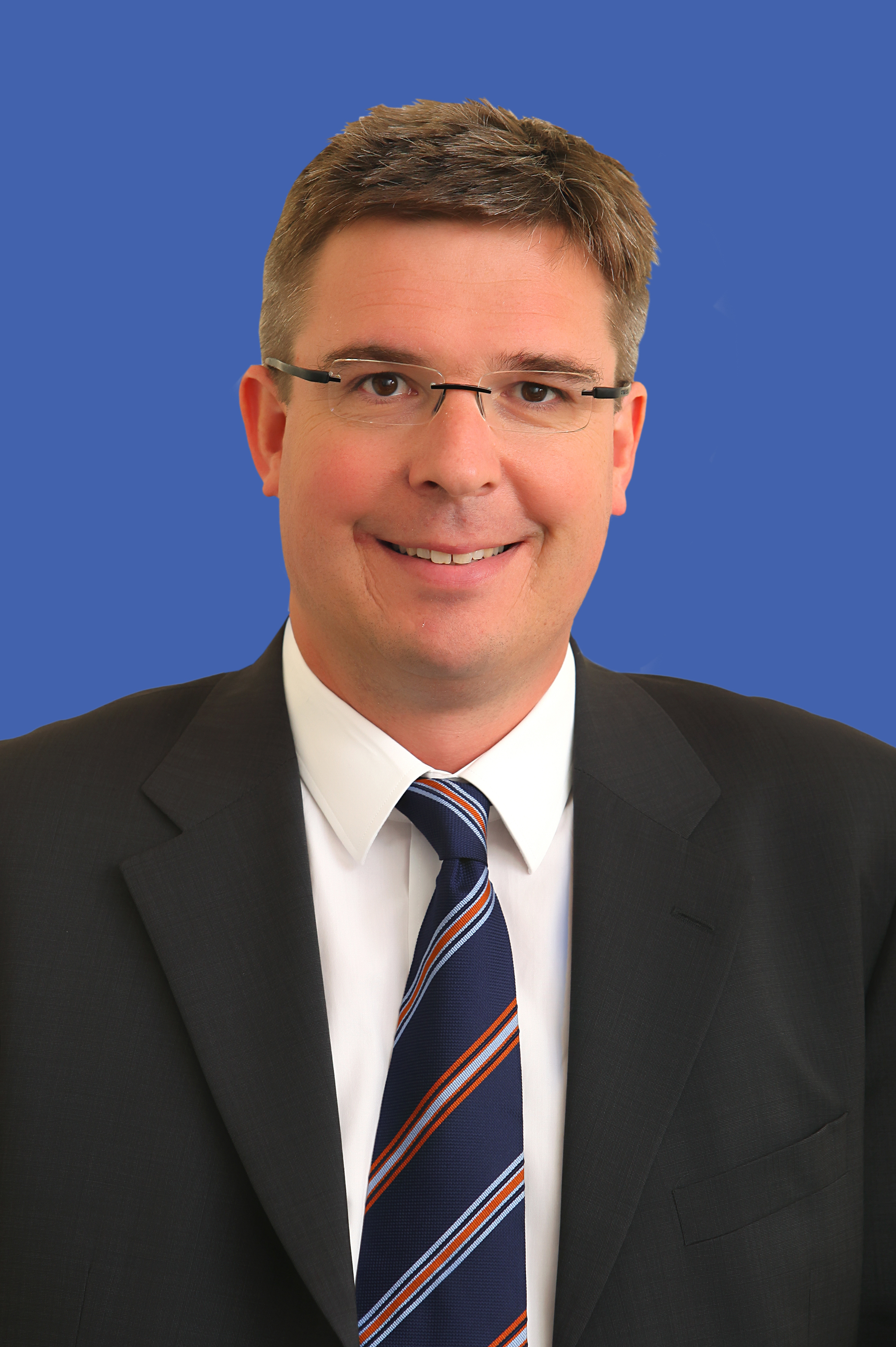
Former Visiting Scholar, Middle East Center
Behrendt is an expert in global issues, international negotiations, conflict resolution, and corporate strategy. He previously served at the World Economic Forum in various management positions.
Recent Work
Sven Behrendt
Sven Behrendt
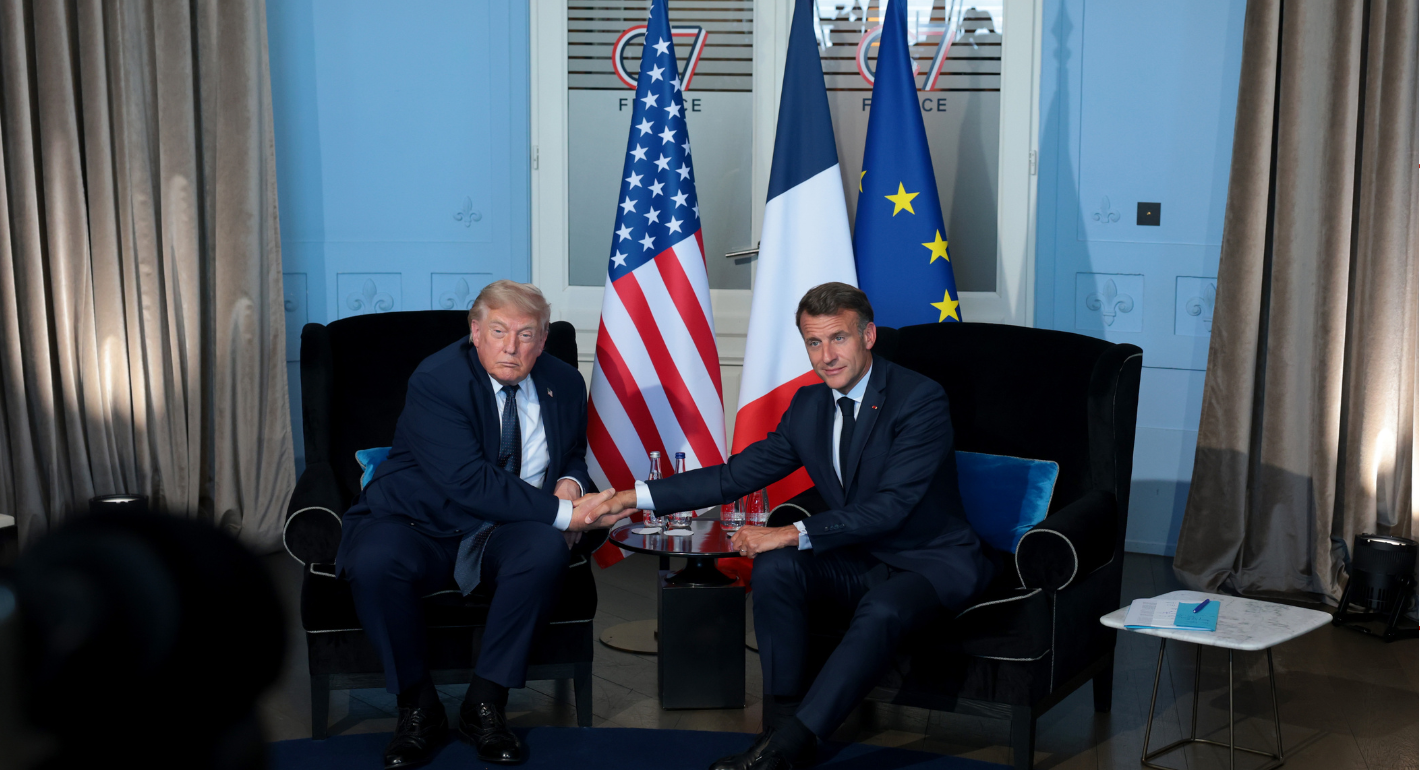
When the U.S.-Iran memorandum of understanding was announced, the UK, France, Germany, and Italy declared their readiness to help demine the Strait of Hormuz and lift nuclear sanctions on Tehran. But does Europe need new tools to recover a diplomatic role?

Rym Momtaz, ed.
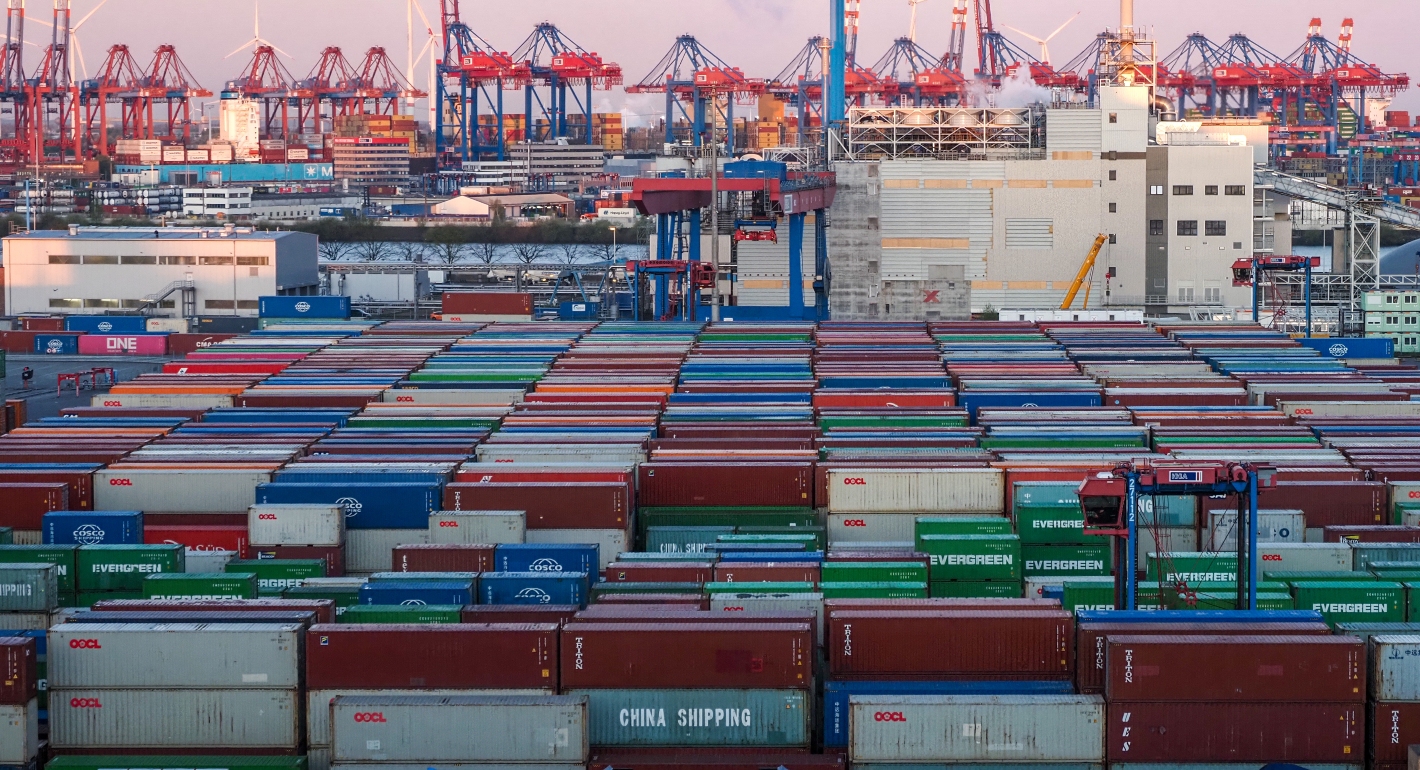
As geopolitical rivalry weaponizes global supply chains, the EU’s true vulnerability lies in emerging-risk imports. For these goods, suppliers are growing more concentrated, substitution more difficult, and political risk is looming.

Sinan Ülgen
The EU is putting together a new security strategy to meet today’s myriad challenges. But for any proposal to be effective, the union needs to grapple with its identity and ambitions.

Pierre Vimont
Between the United States’ market-driven approach and China's state-led industrial strategy, Europe is reckoning with how it can remain competitive in the global economy. But is Europe in danger of becoming a U.S. or China colony?
Noah Barkin, Anu Bradford
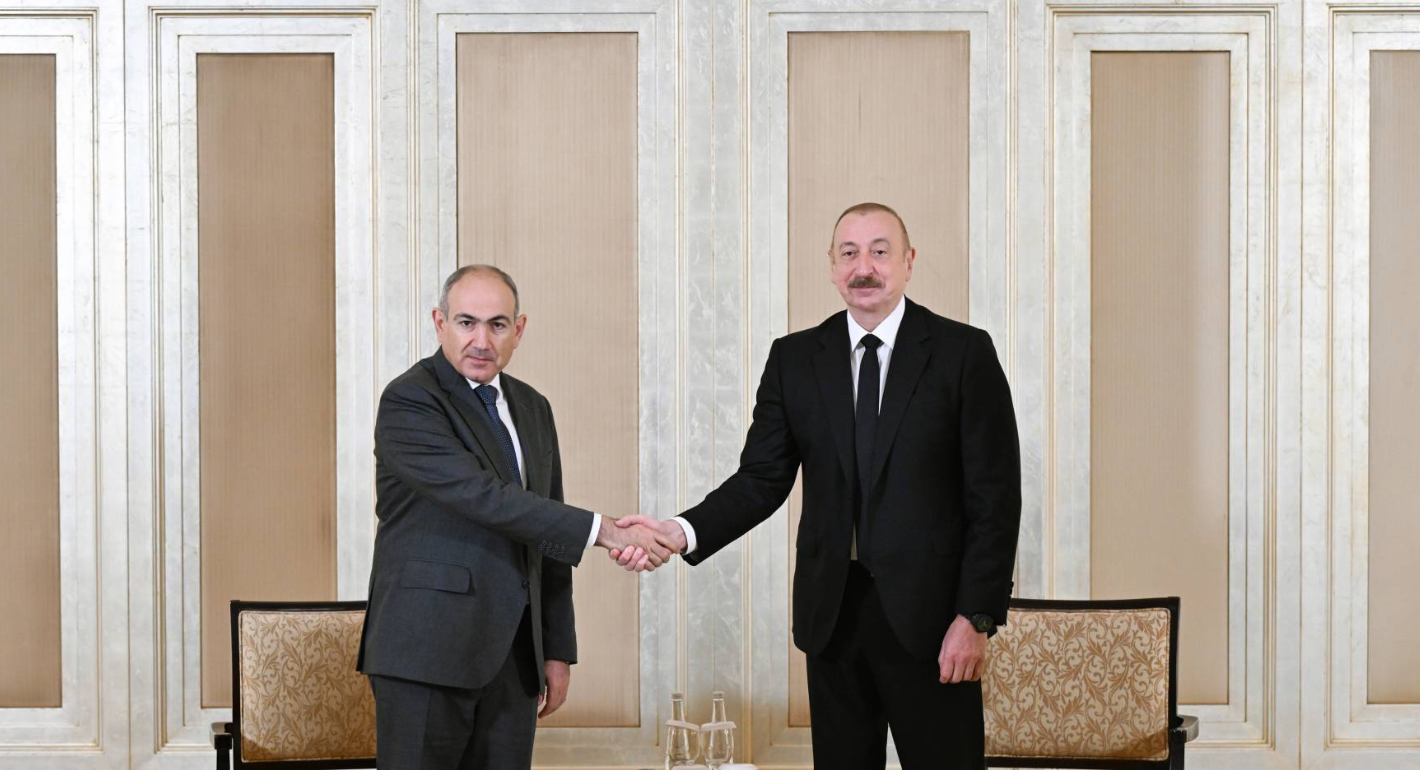
The U.S.-sponsored TRIPP deal is driving the Armenia-Azerbaijan peace process forward. But foreign and domestic hurdles remain before connectivity and economic interdependence can open up the South Caucasus.


Thomas de Waal, Areg Kochinyan, Zaur Shiriyev